New York
The Metropolitan Museum of Art
The The Metropolitan Museum of Art holds 234 Renaissance and Baroque masterpieces in the Paintale collection, including works by Adam Roumeau, Adriaen Isenbrant, Albrecht Dürer, Andrea Sacchi. Each painting page unpacks the symbolism, technique, and provenance of the work — turning a gallery visit, or a search for a single canvas, into a deeper encounter with the period.
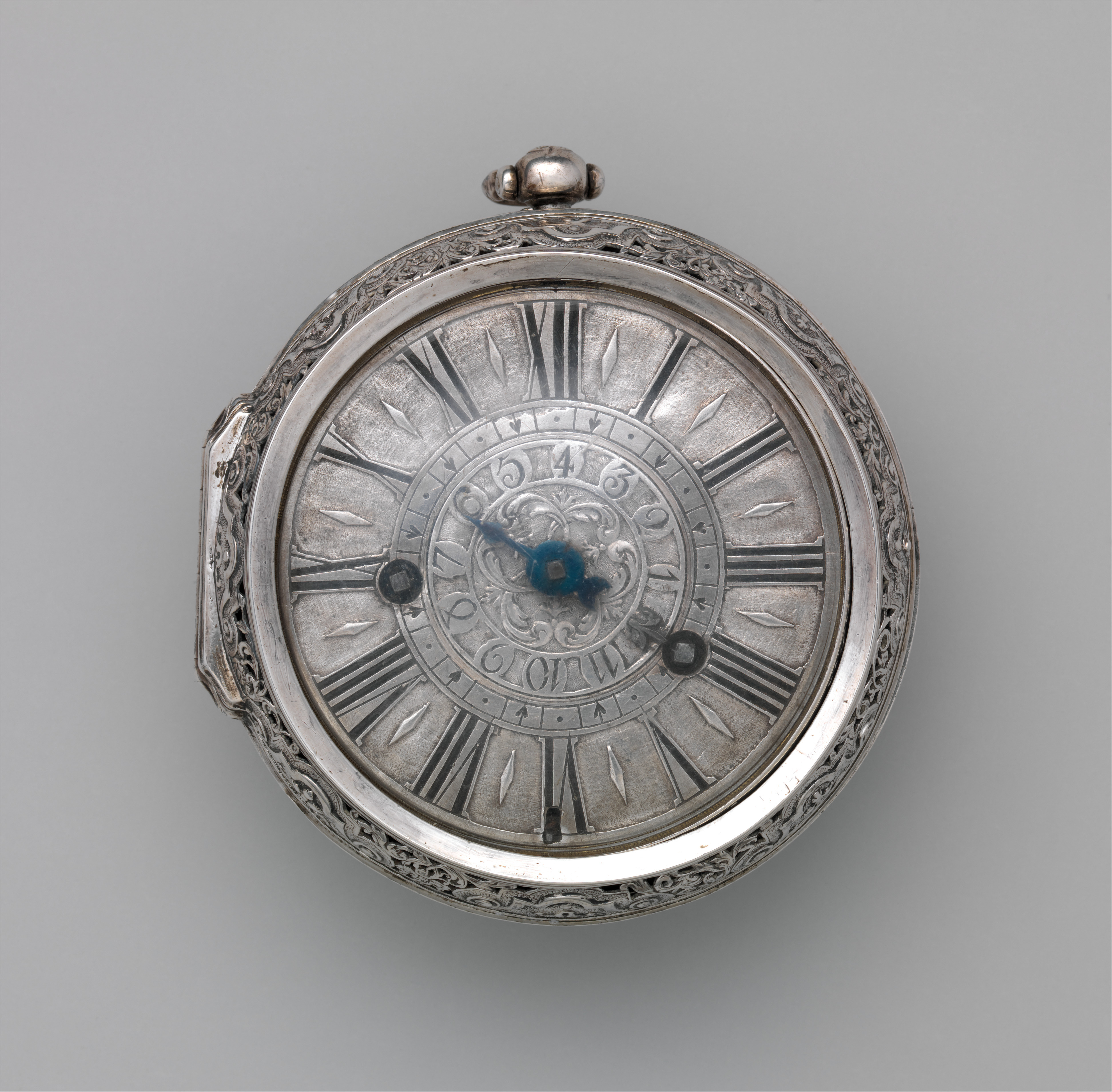
Famous paintings at the The Metropolitan Museum of Art
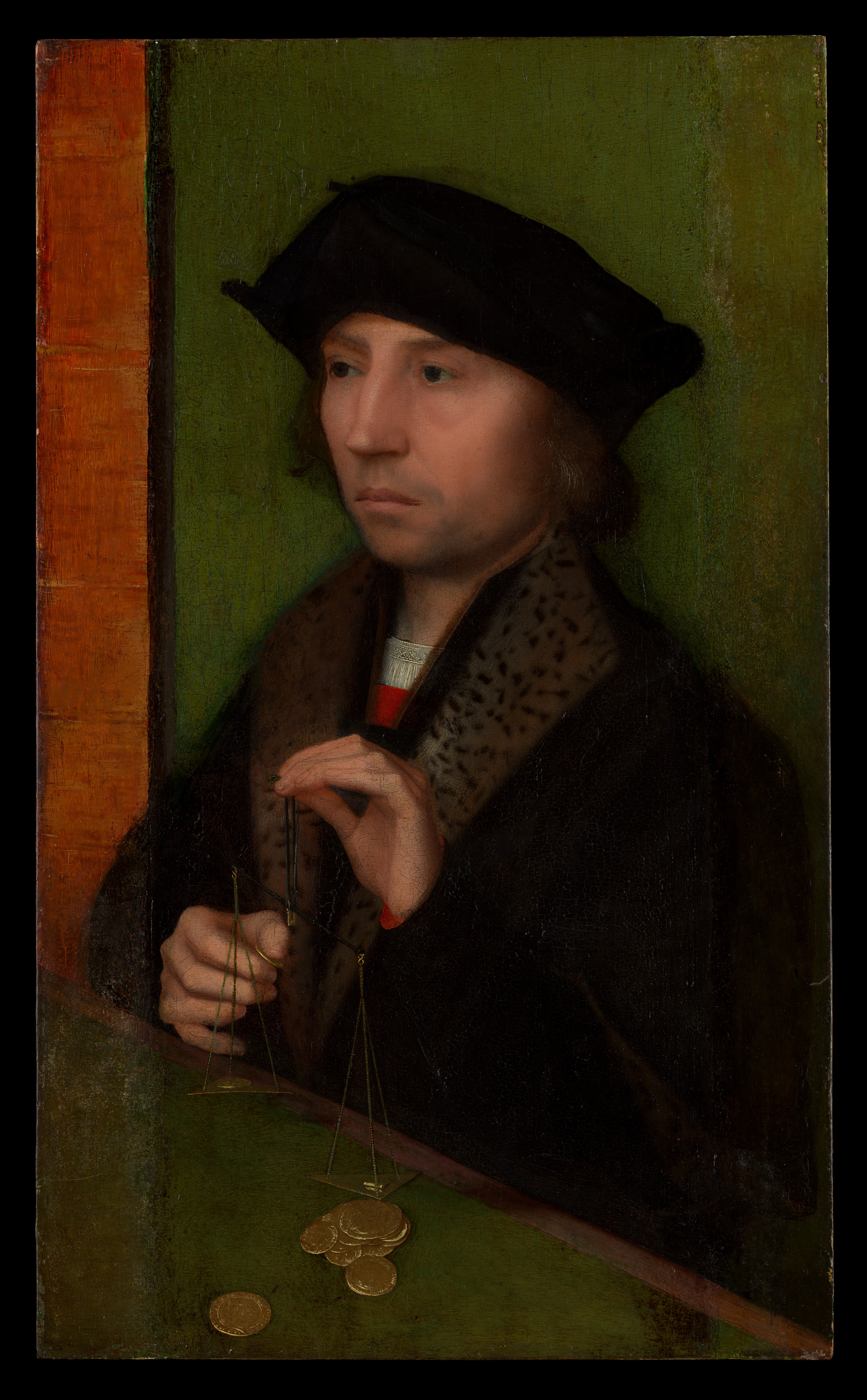
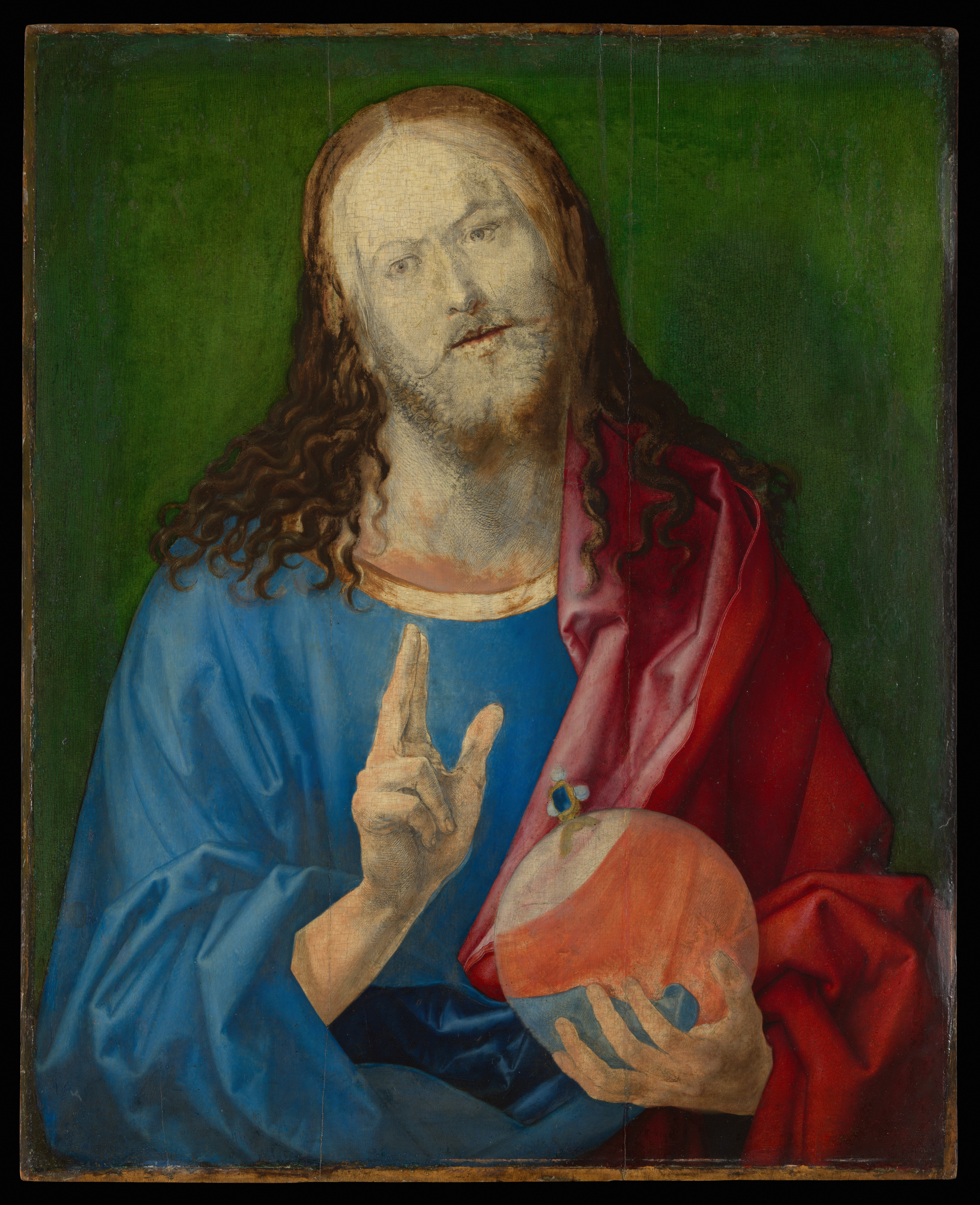
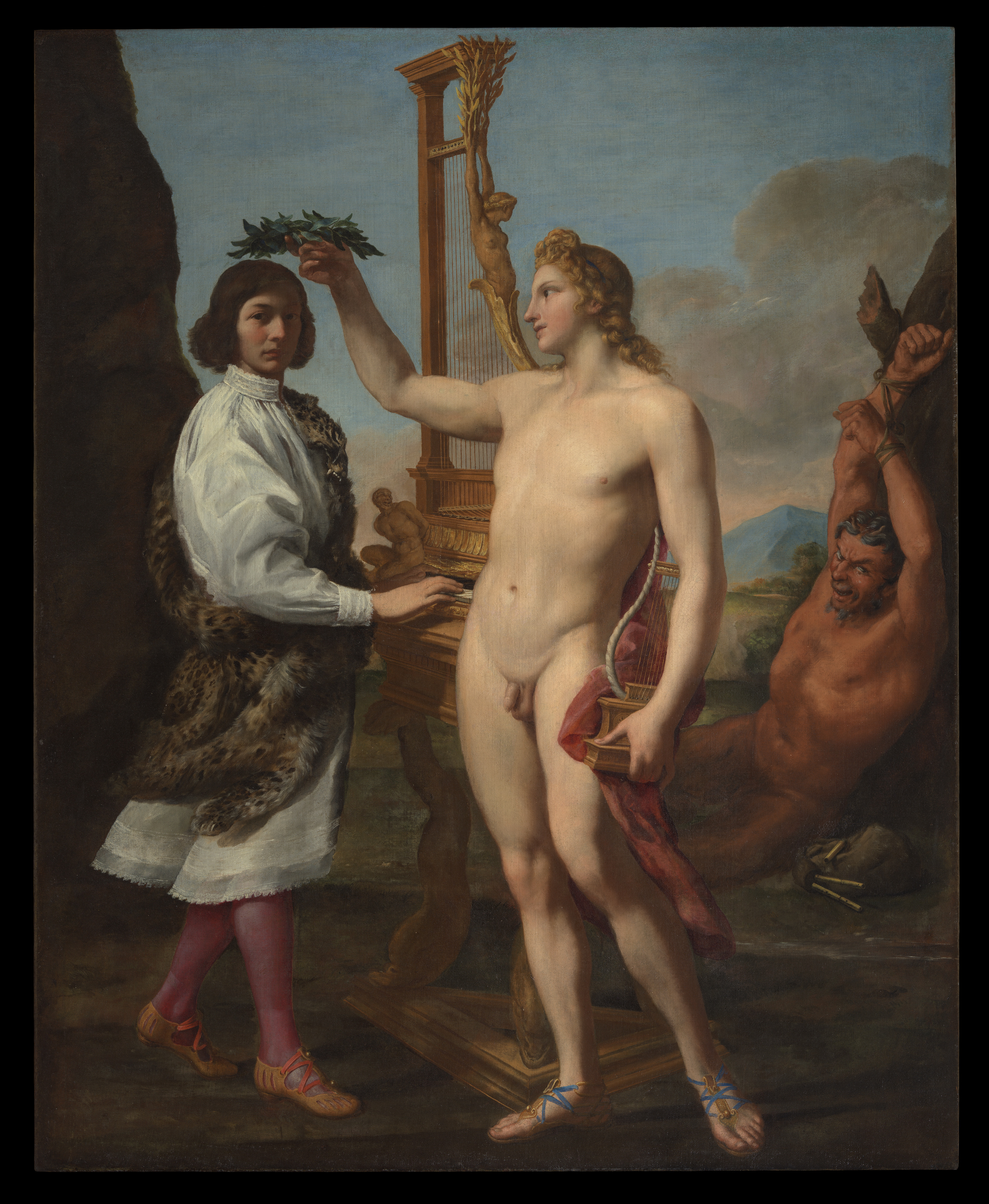
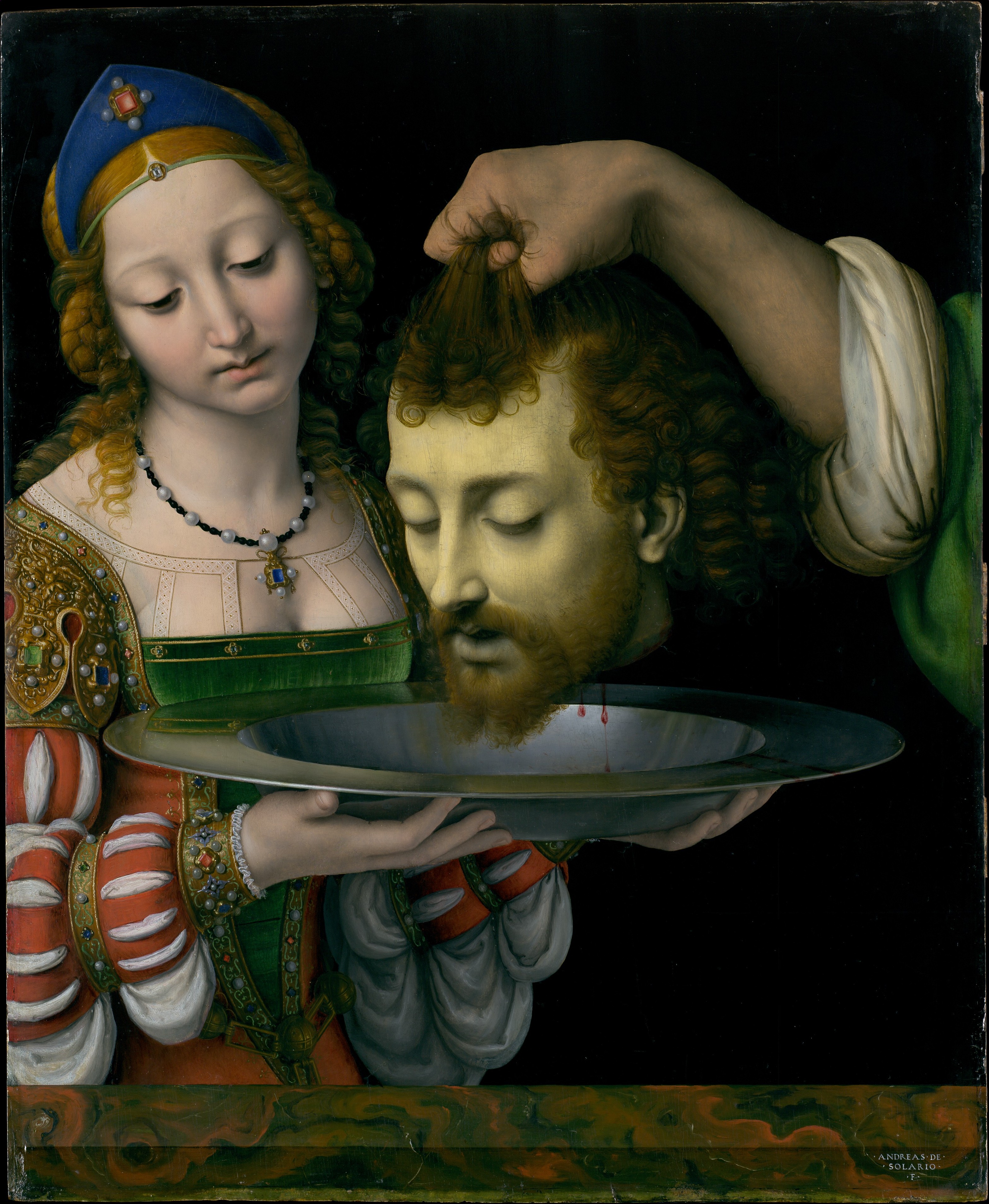
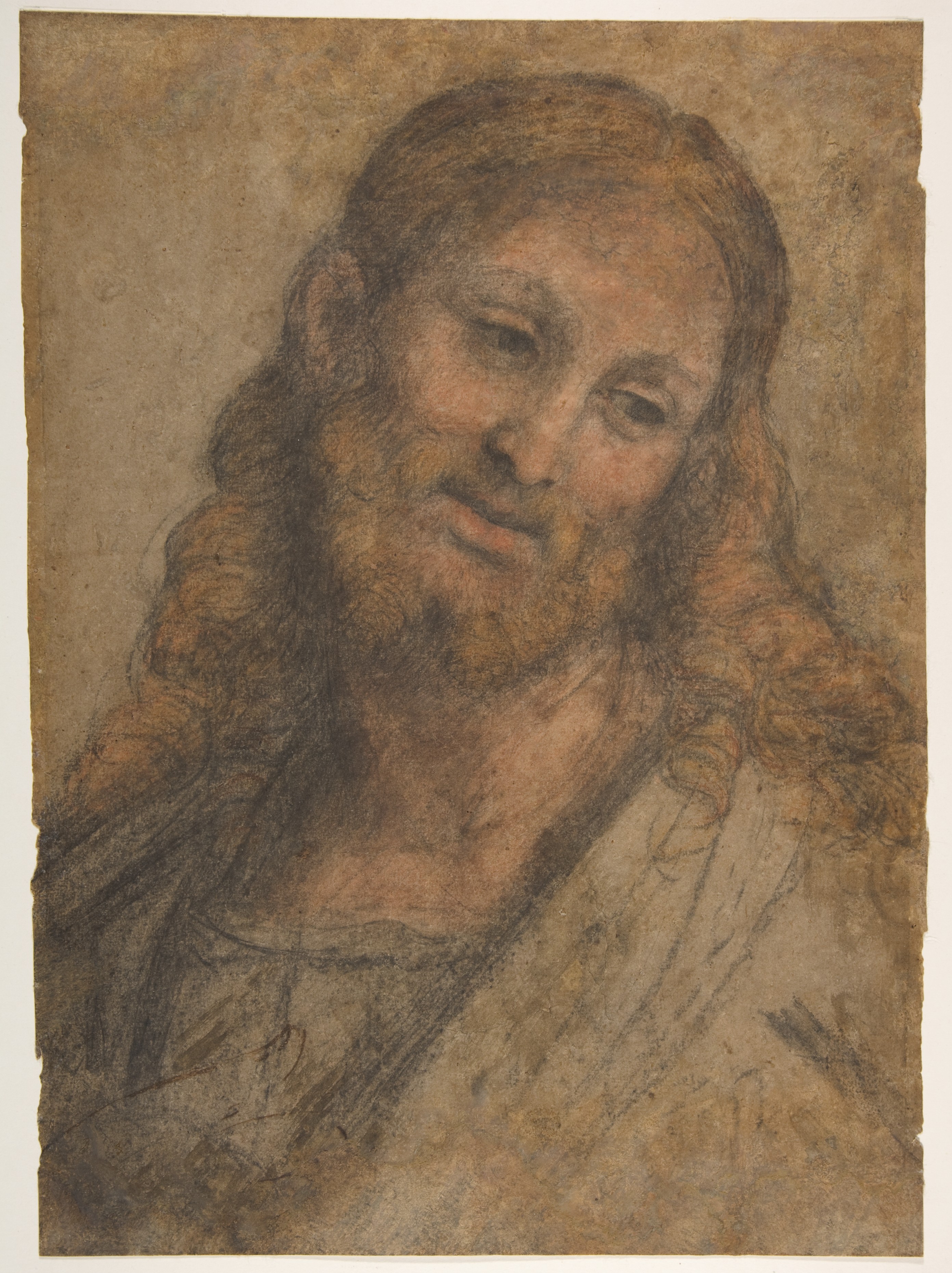
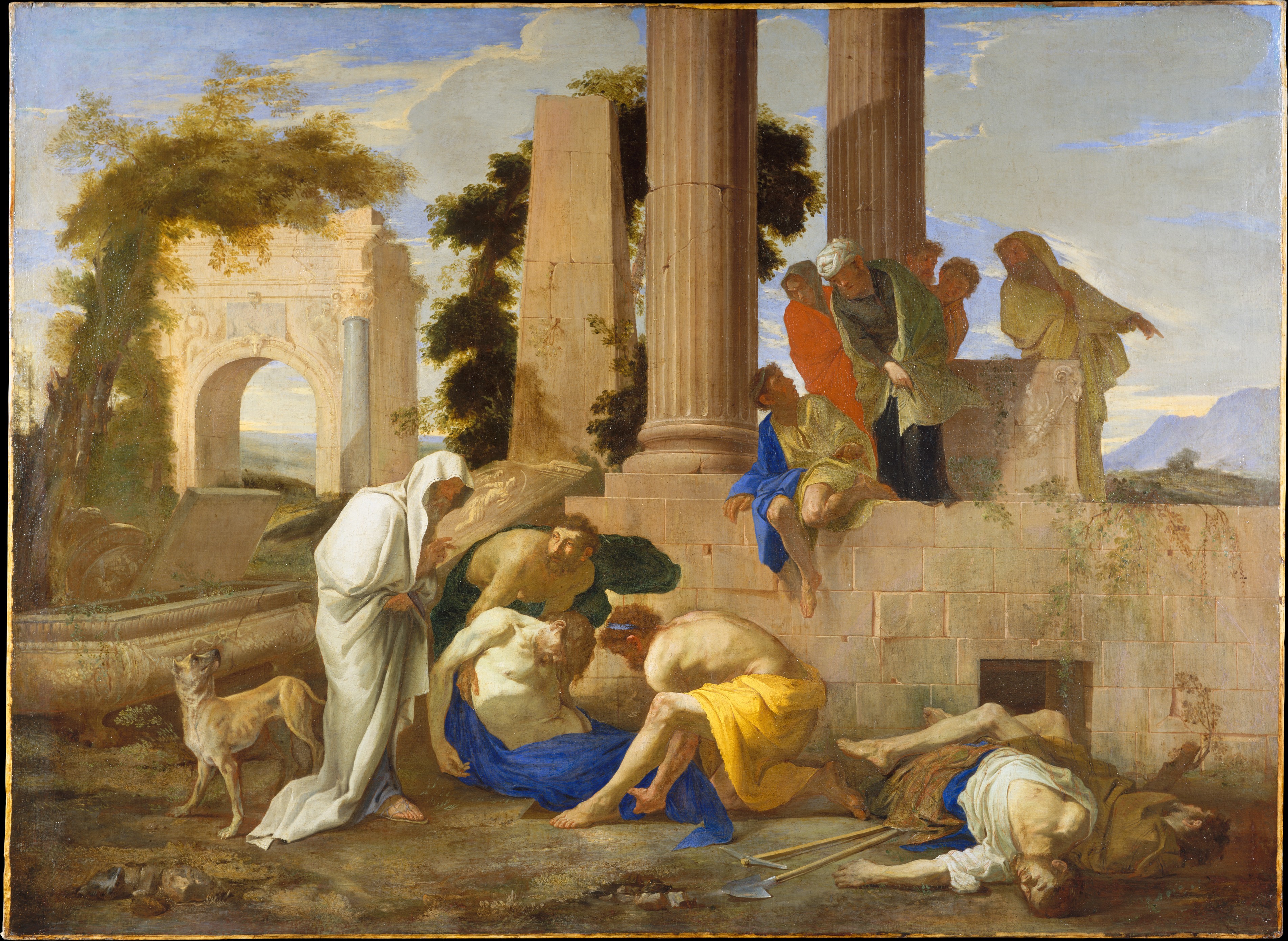
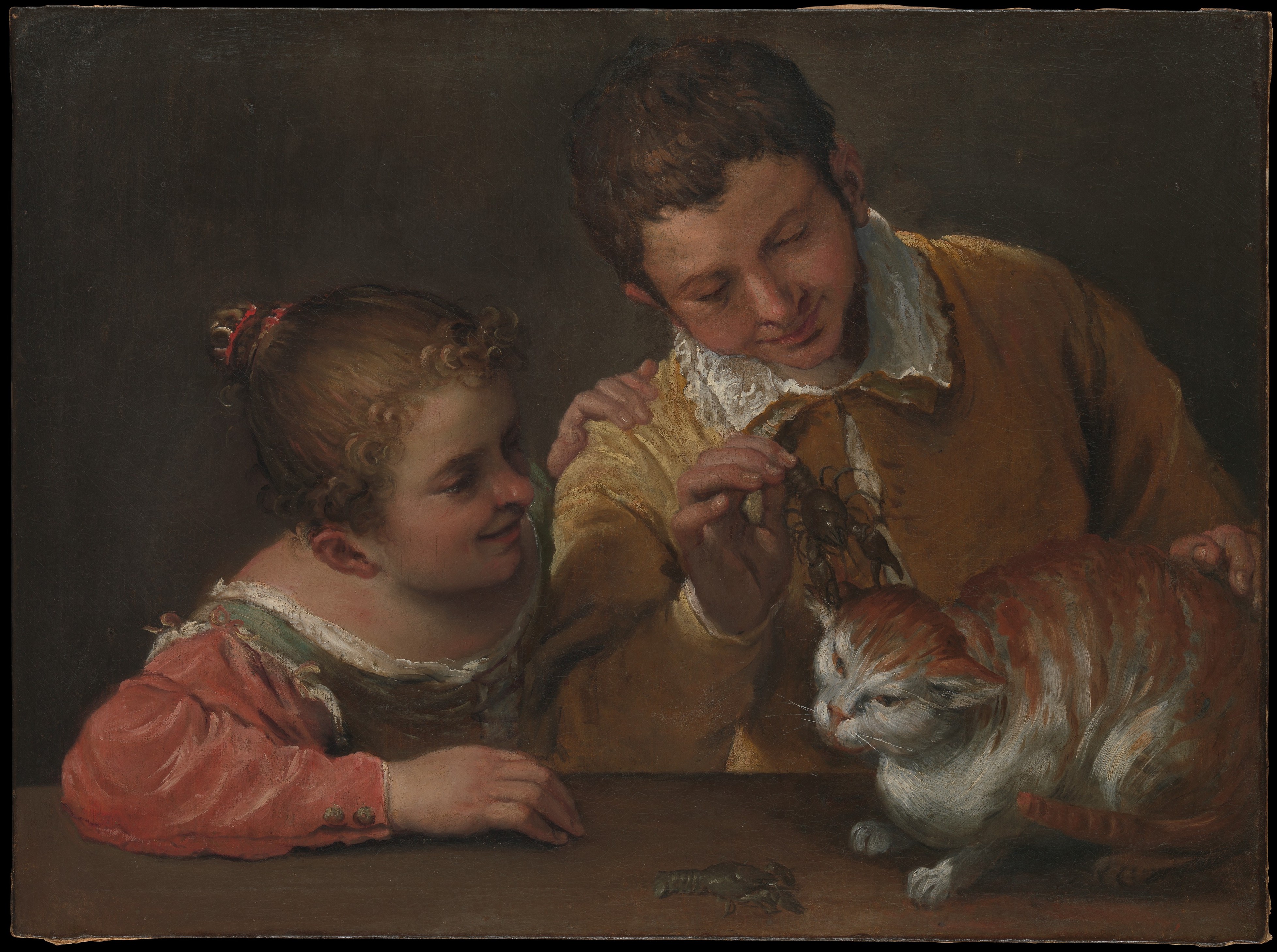
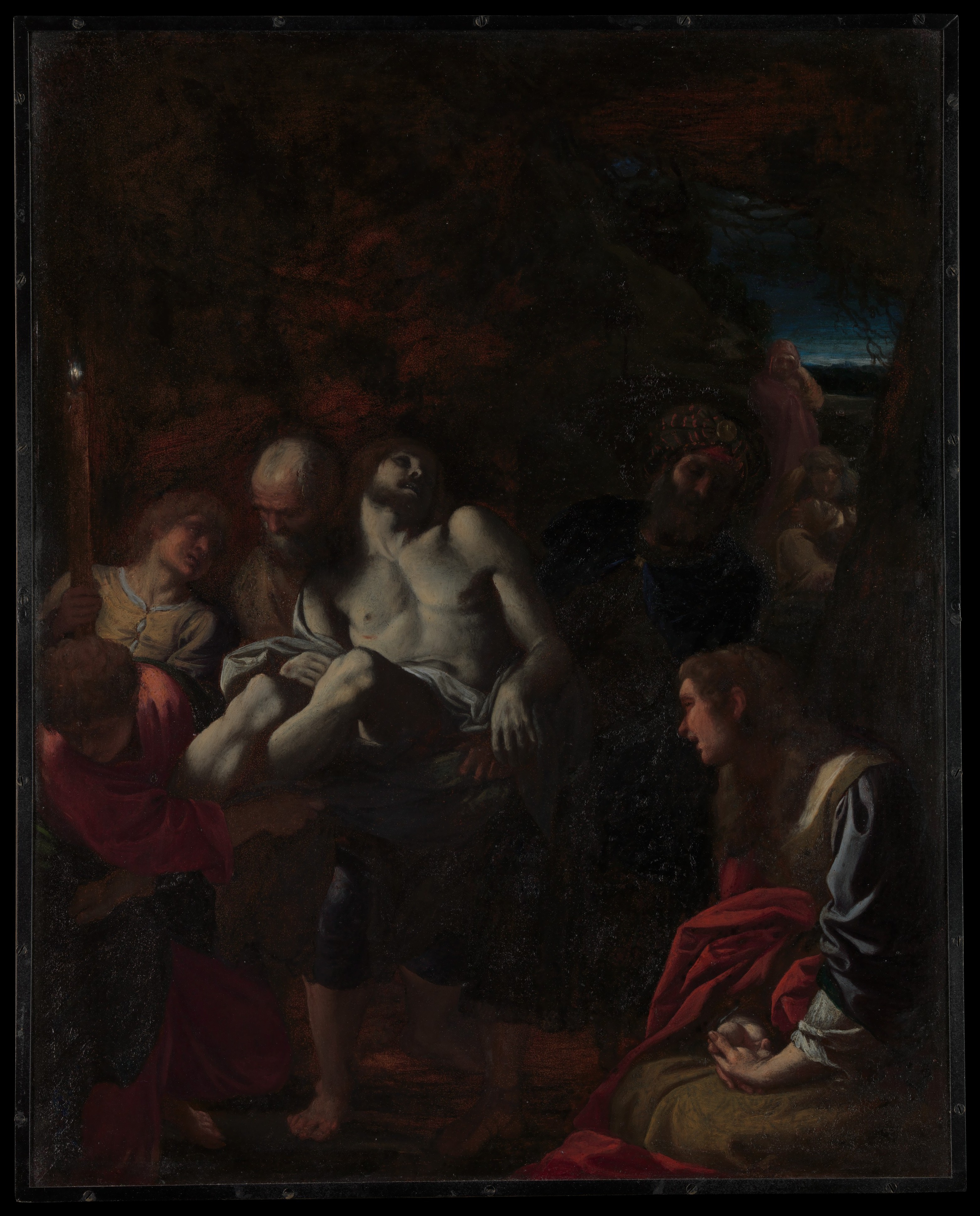
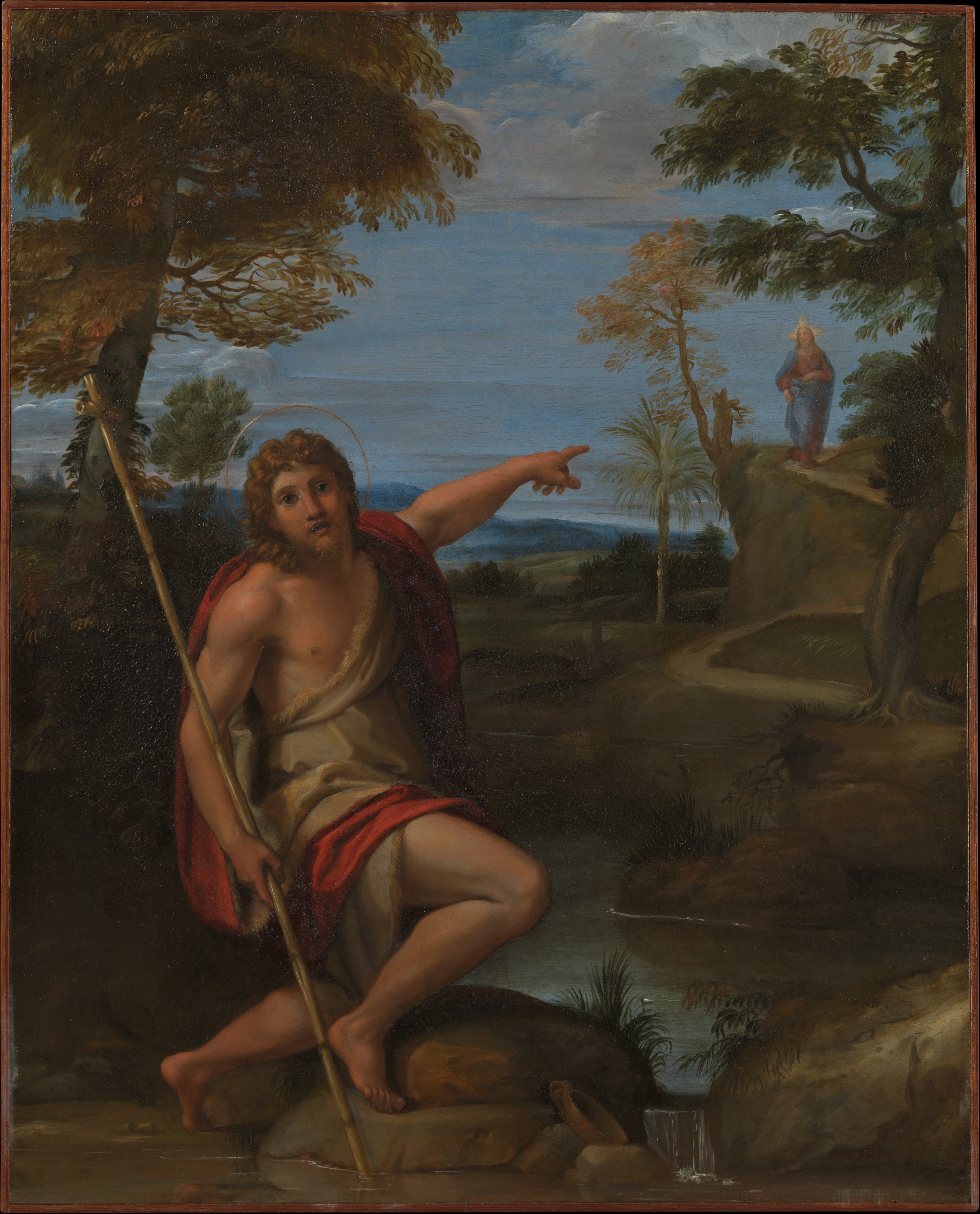
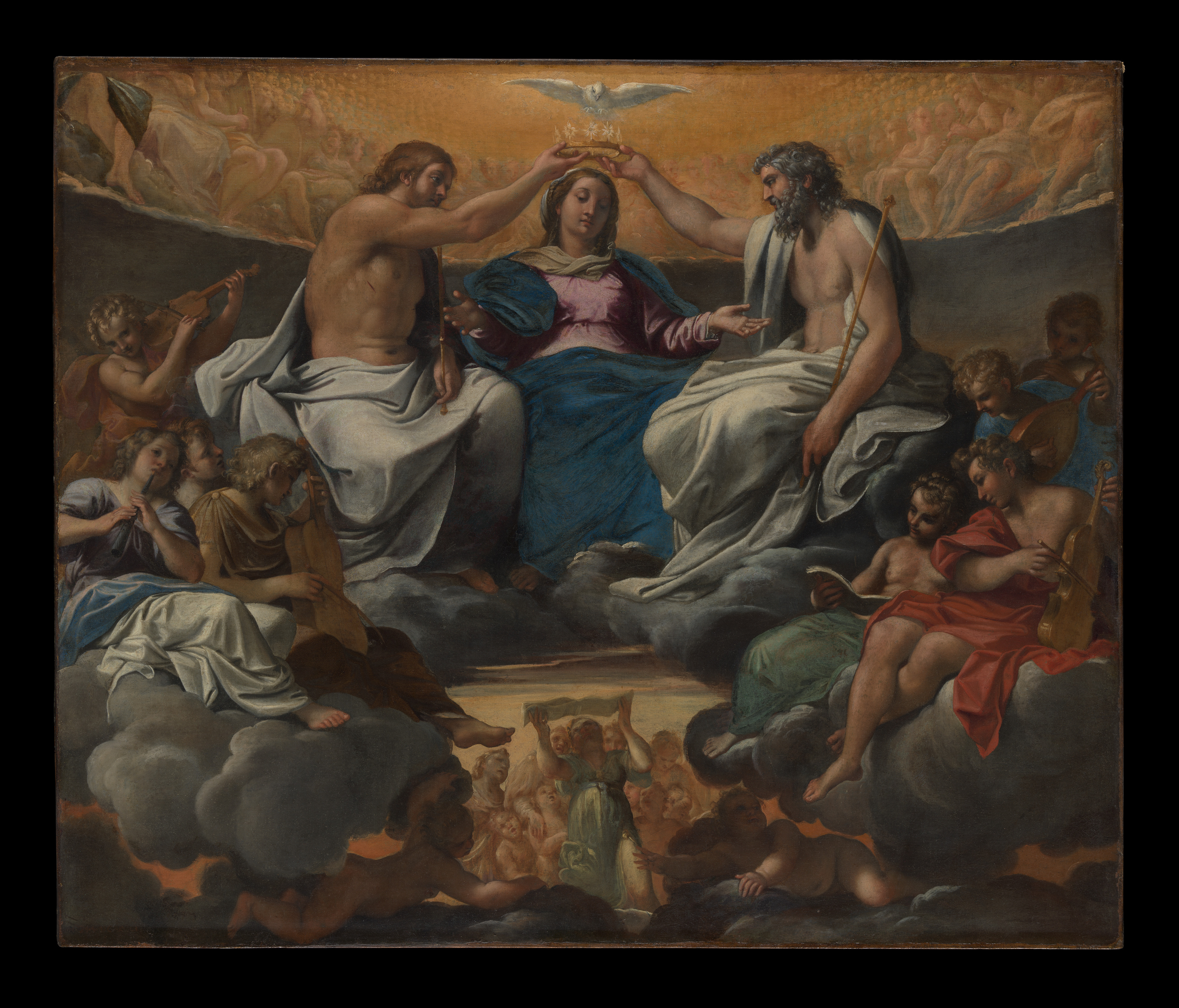

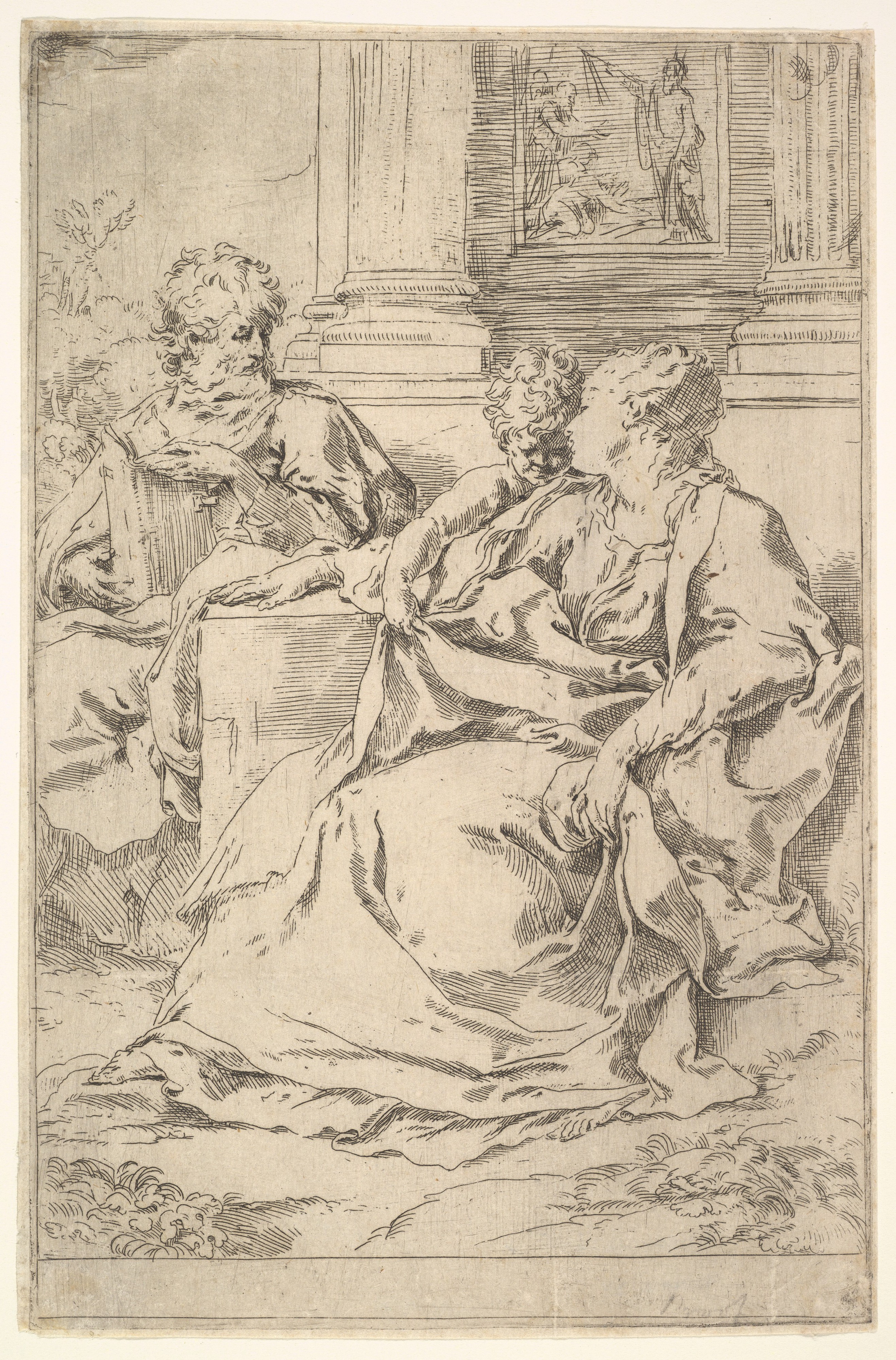
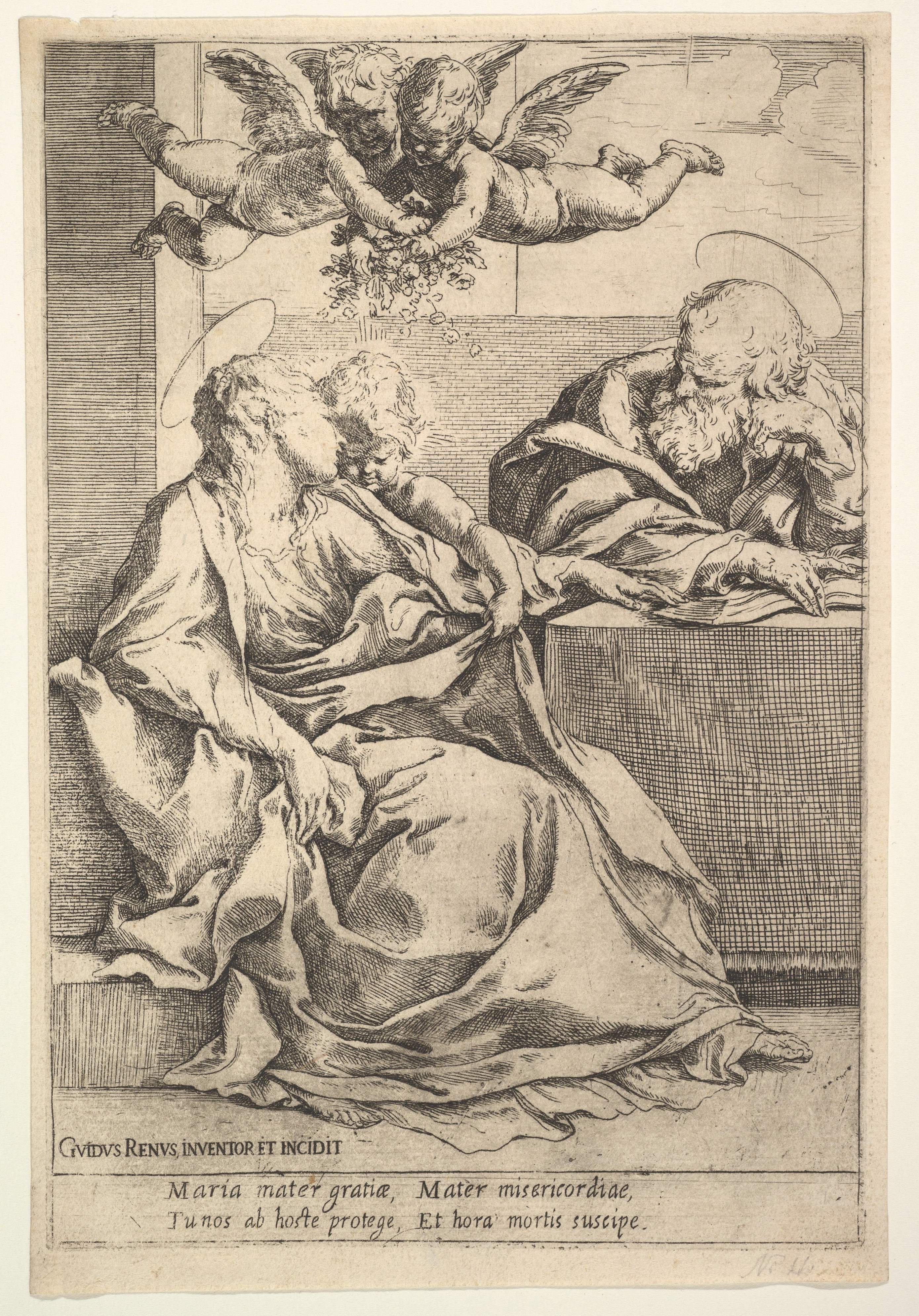
The Holy Family with young John the Baptist and Saint Elizabeth, two angels above, after Reni
Anonymous, 17th century
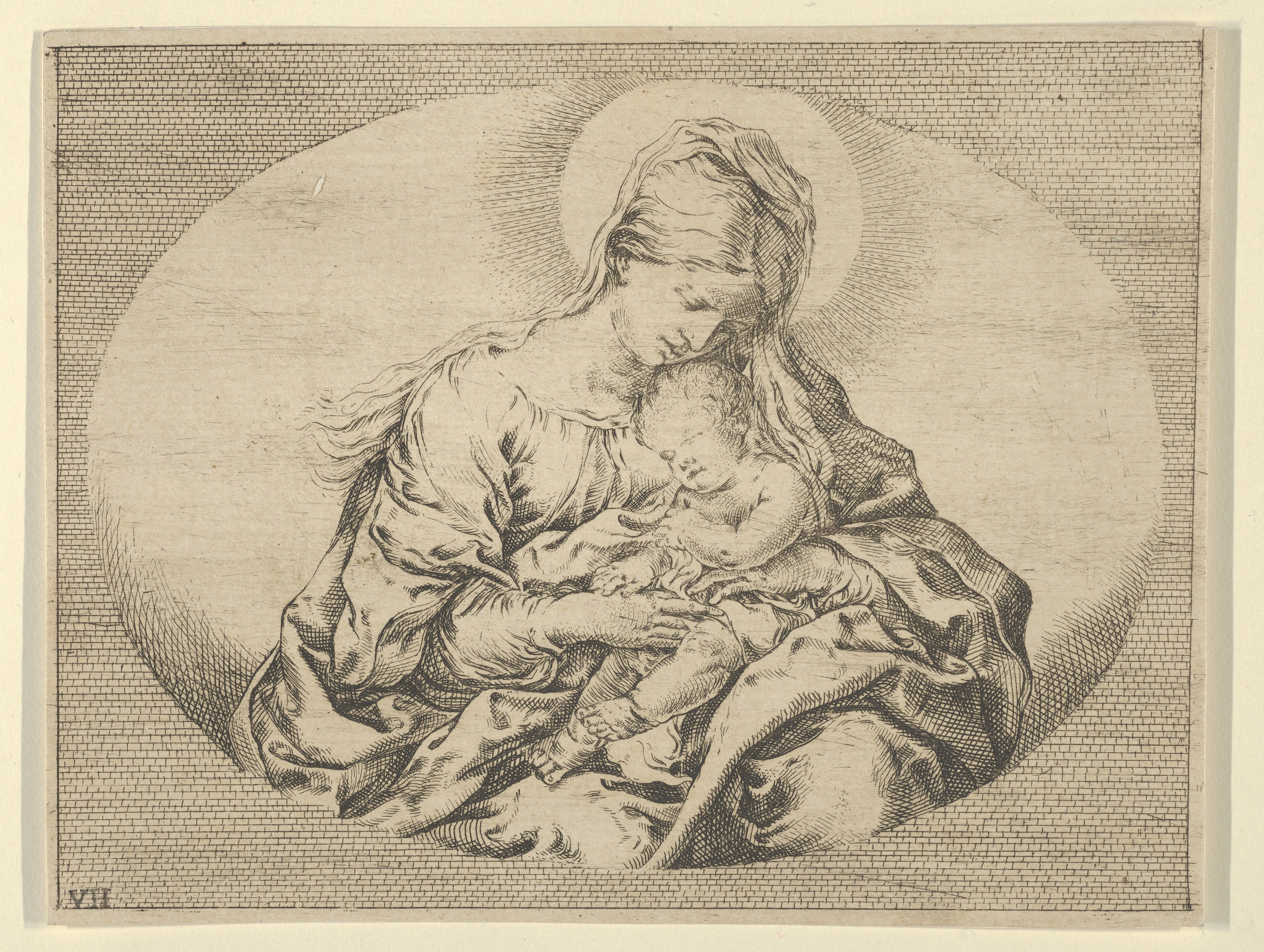
The Virgin holding the infant Christ, an oval composition, after Reni
Anonymous, 17th century

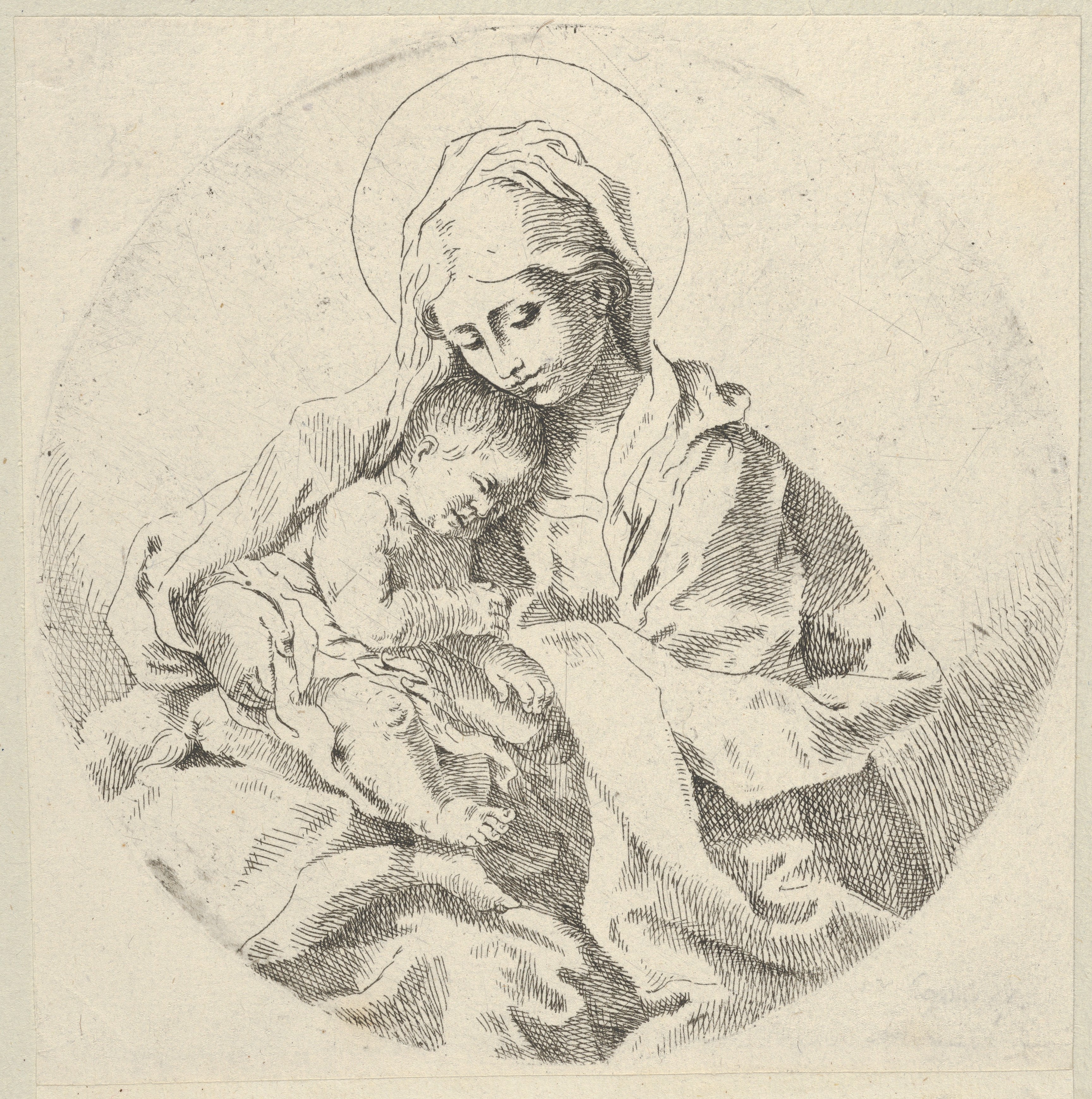
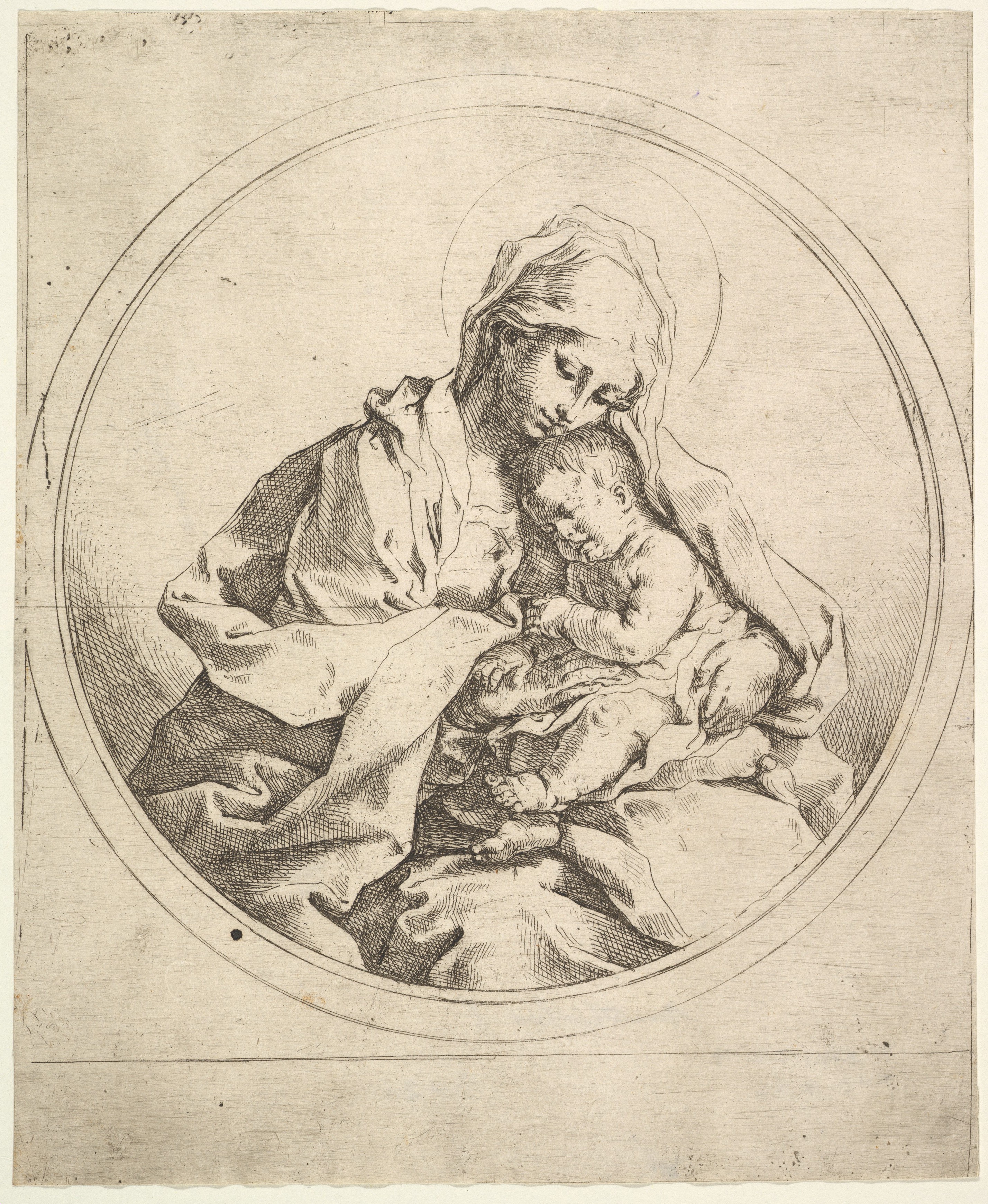
The Virgin holding the infant Christ, a circular composition, after Reni
Anonymous, 17th century

The Virgin holding the infant Christ, a circular composition, after Reni
Anonymous, 17th century
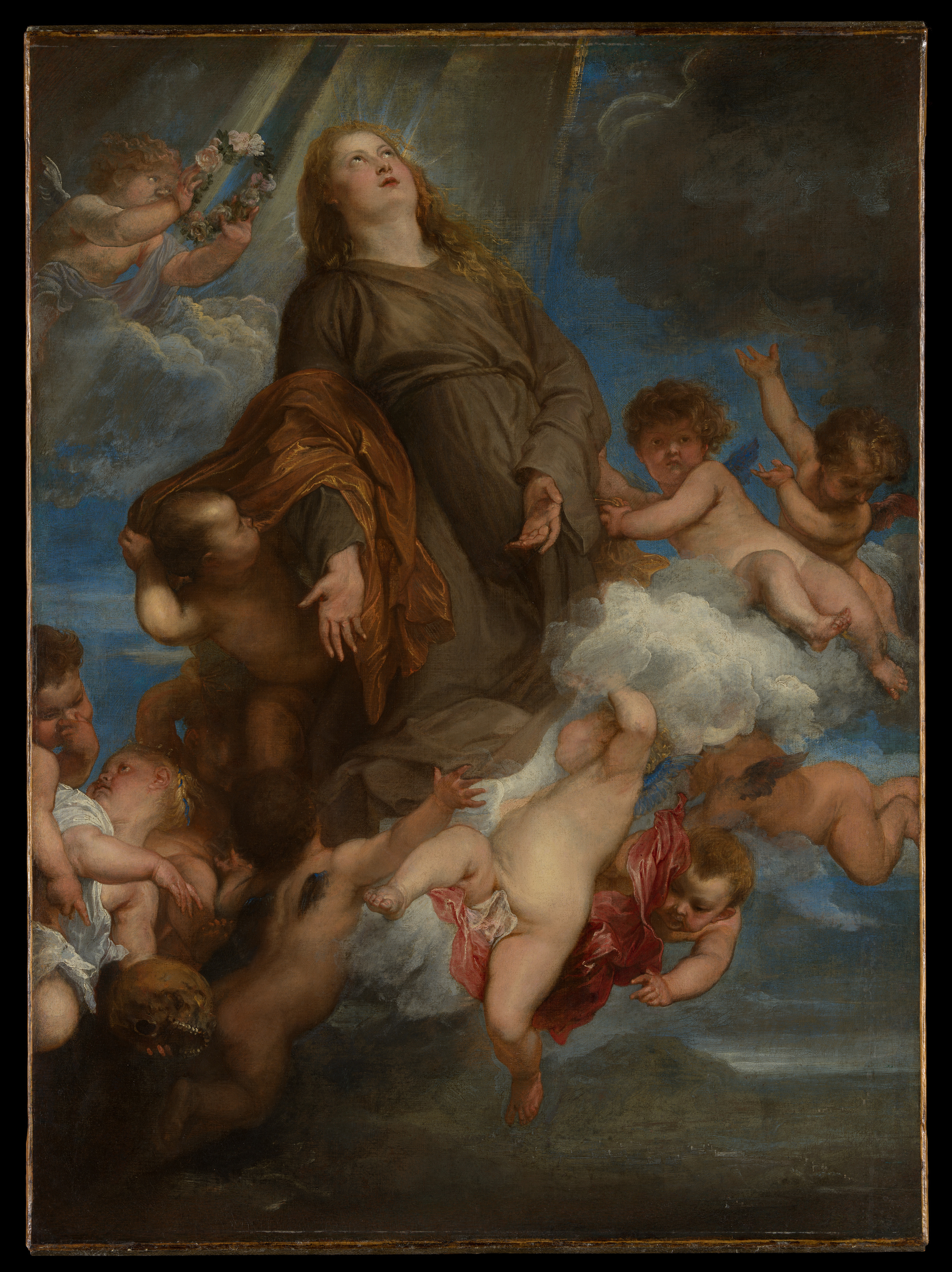
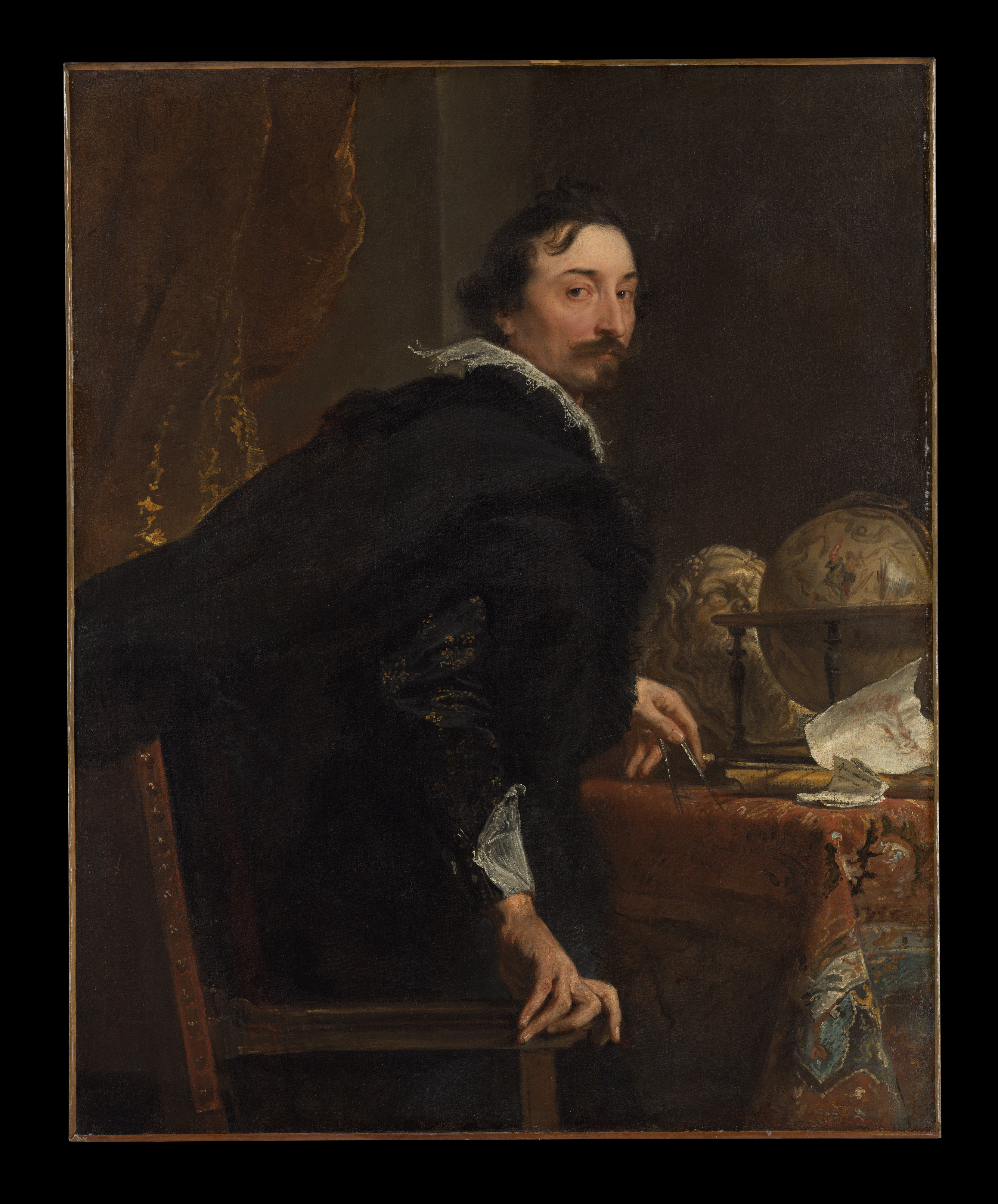
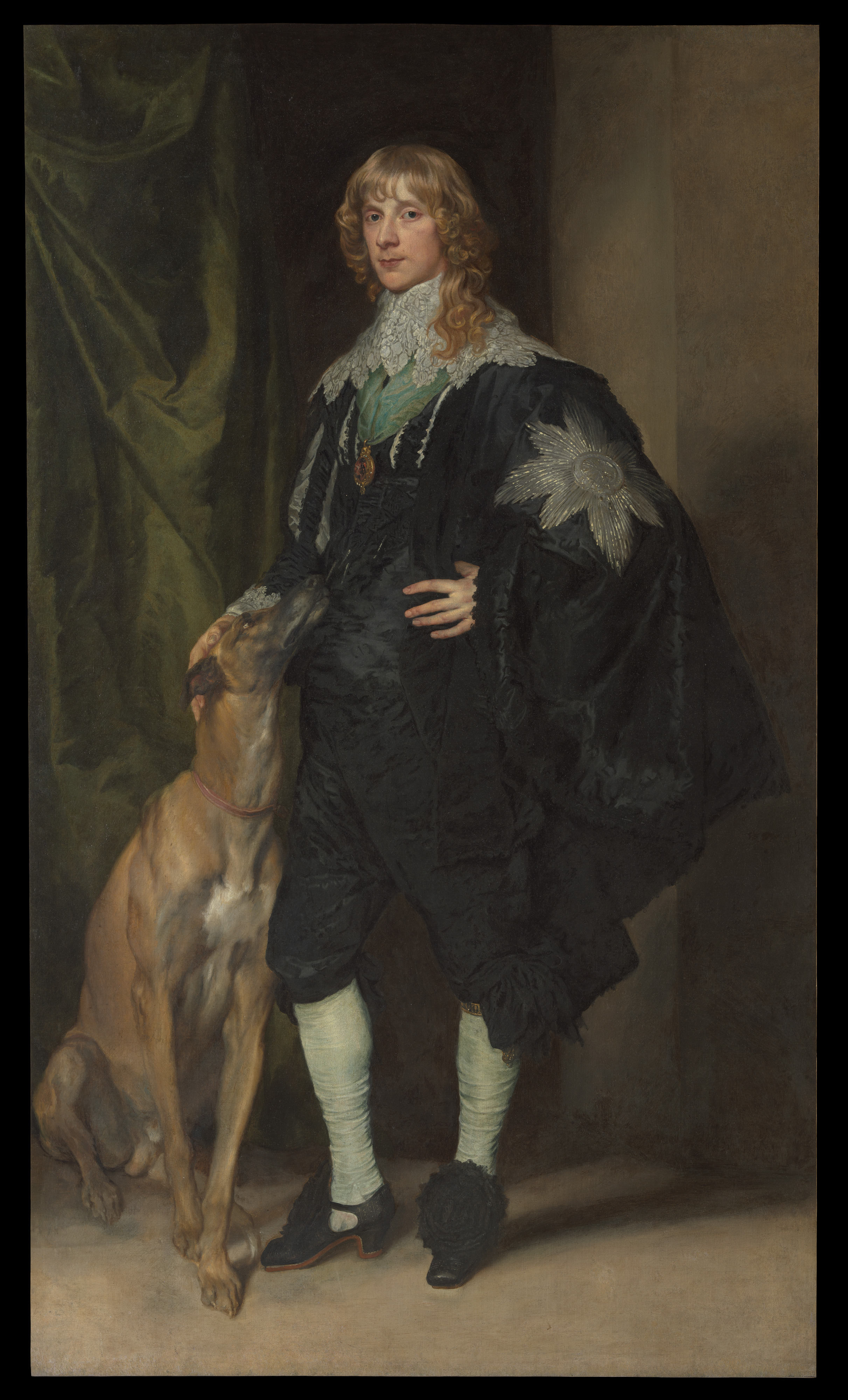
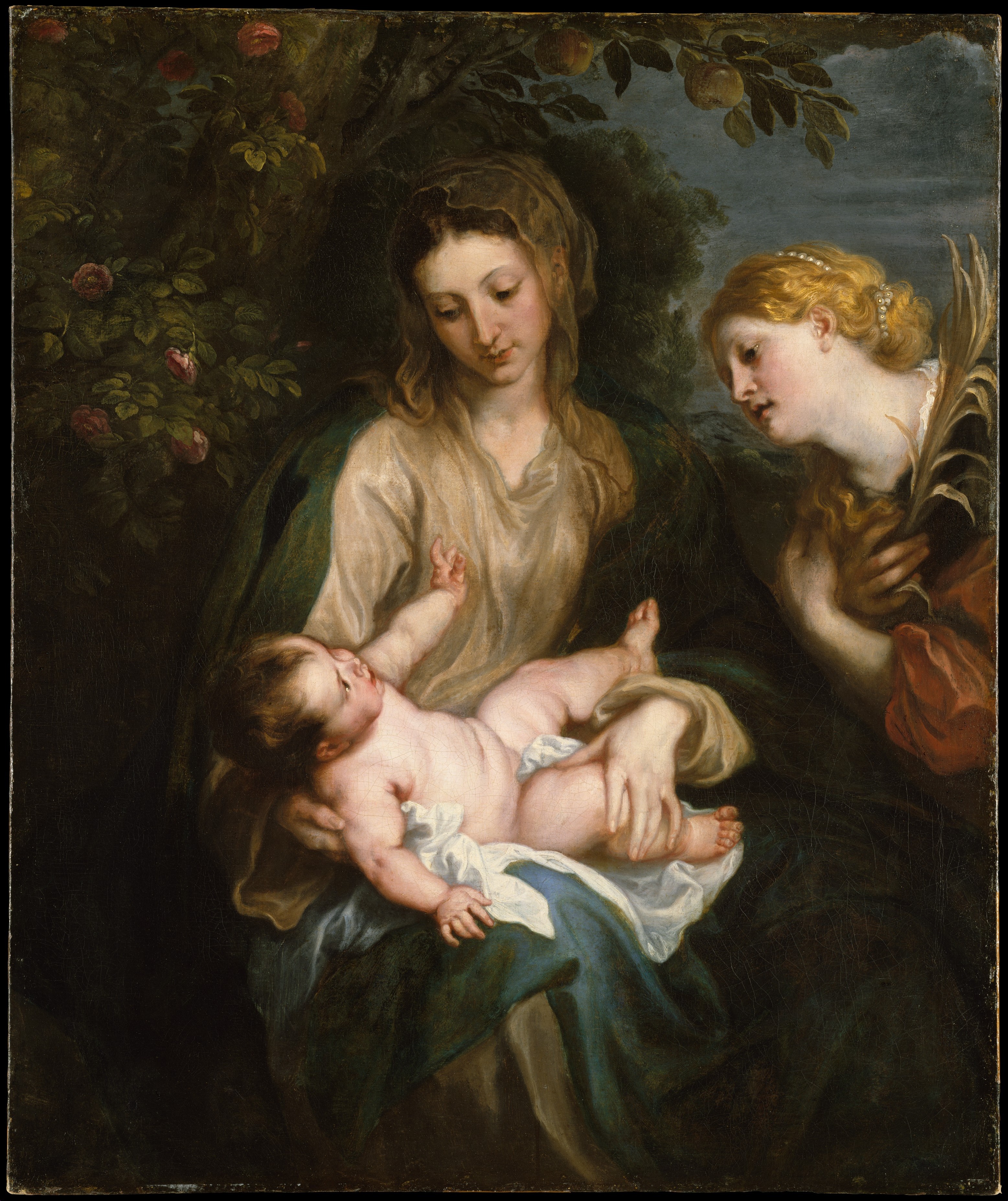
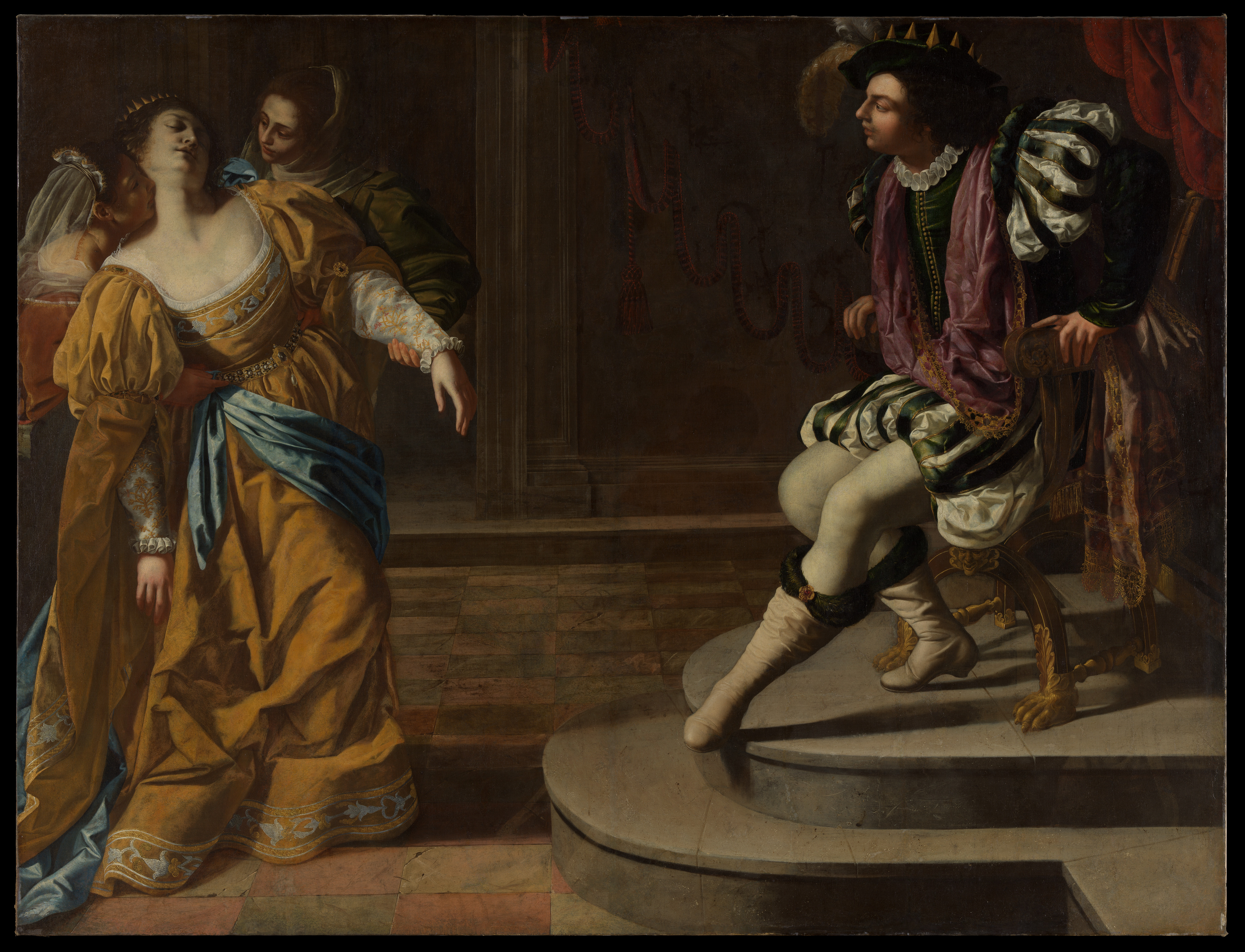
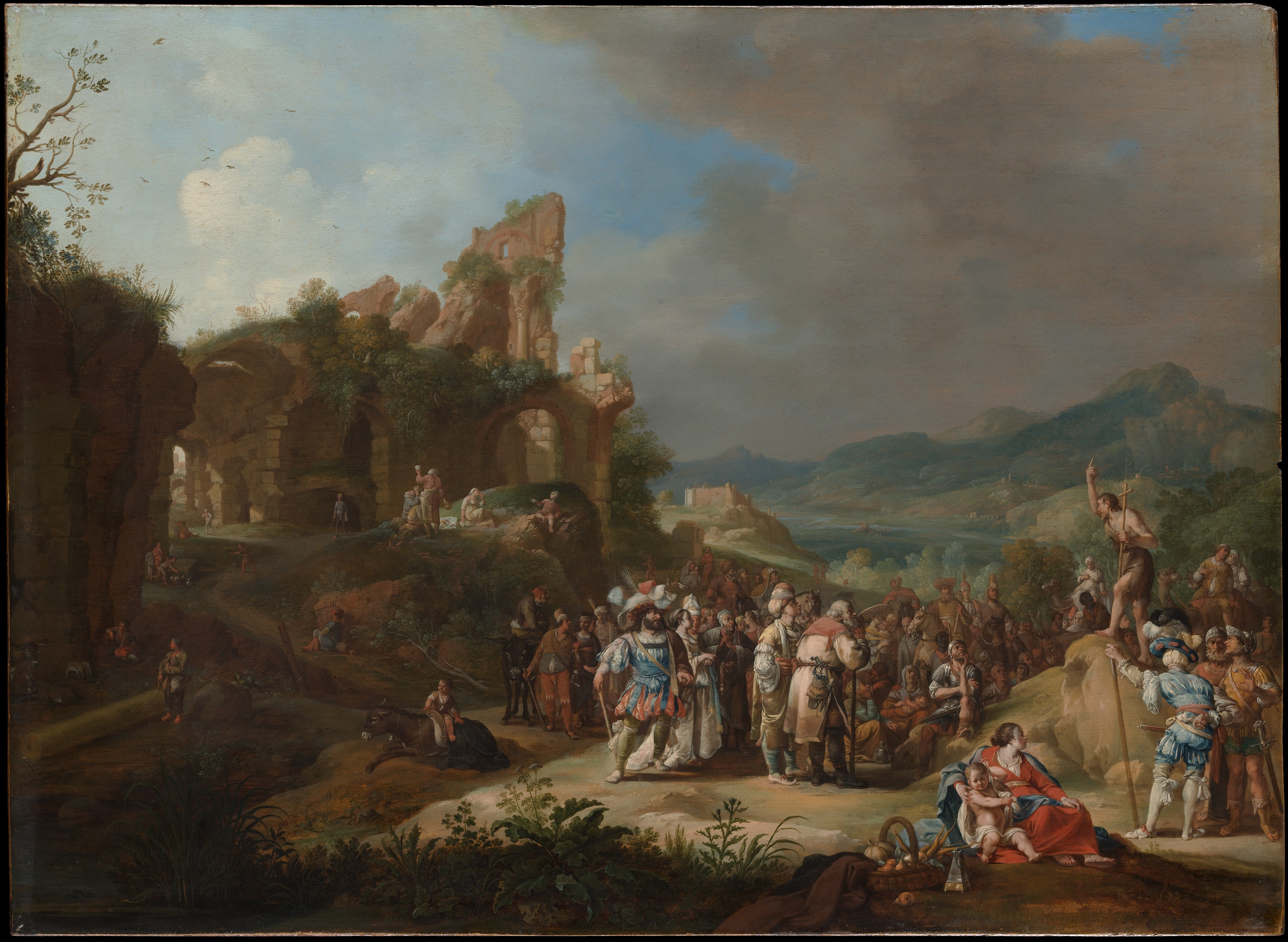
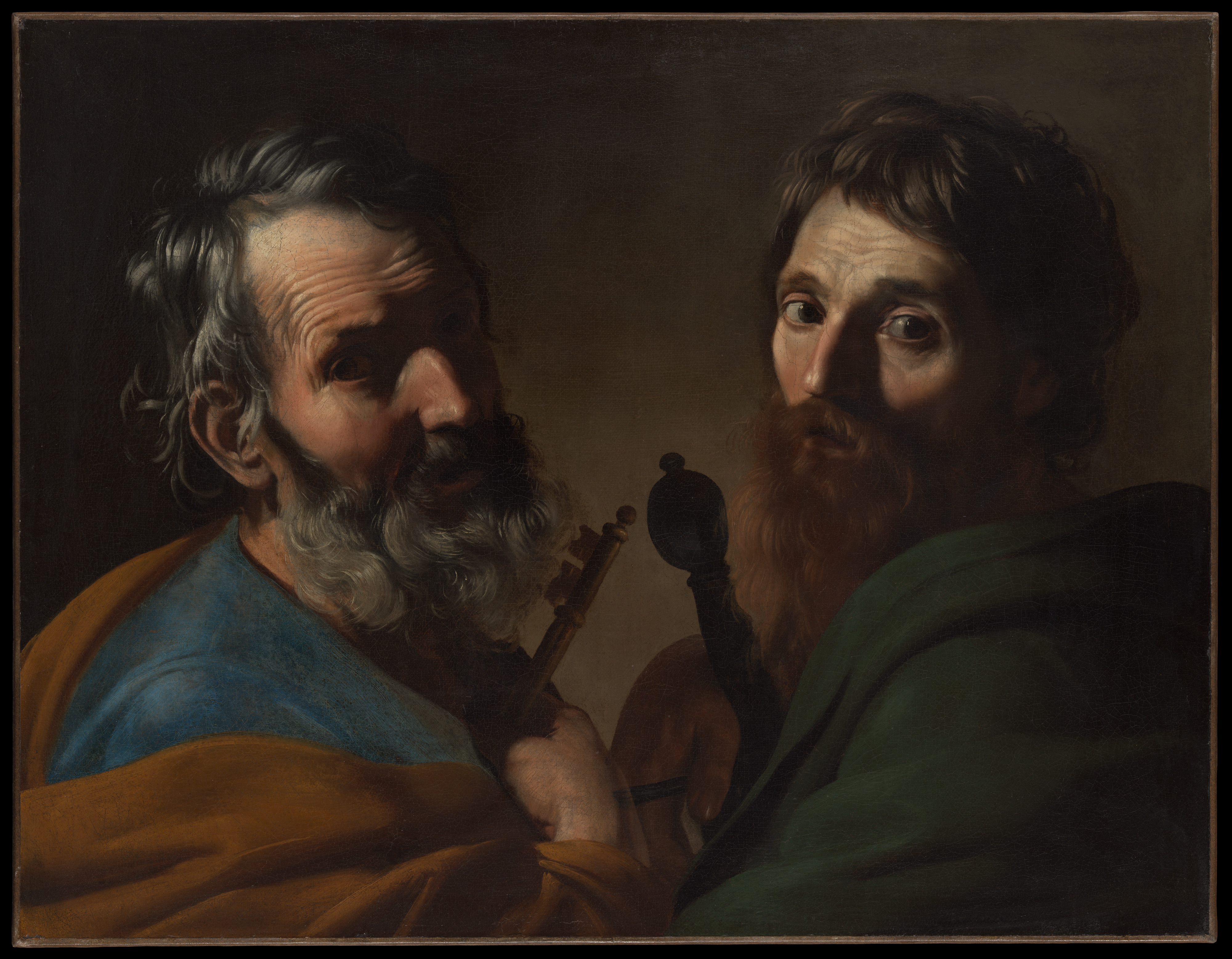
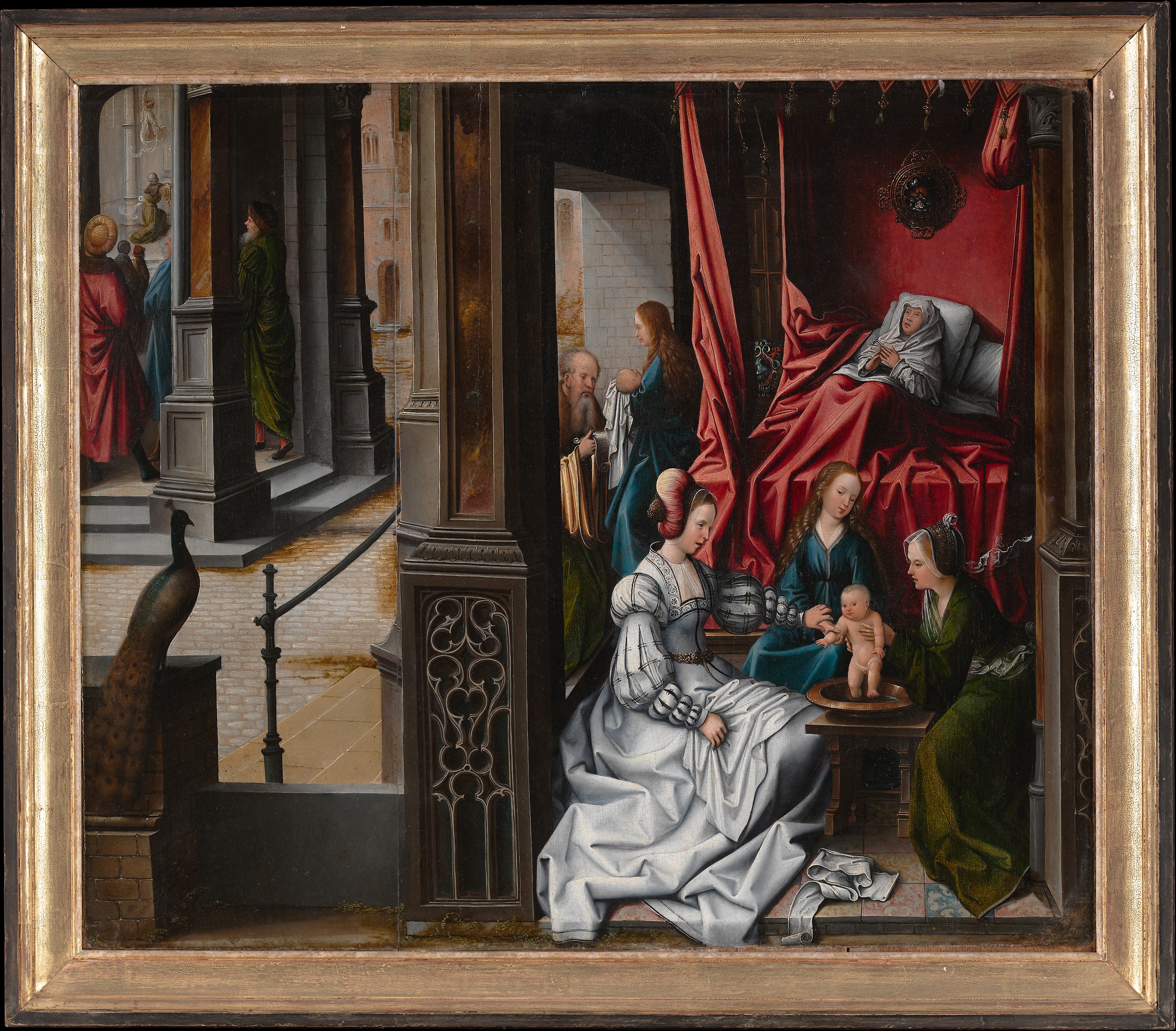
The Birth and Naming of Saint John the Baptist; (reverse) Trompe-l'oeil with Painting of The Man of Sorrows
Bernard van Orley
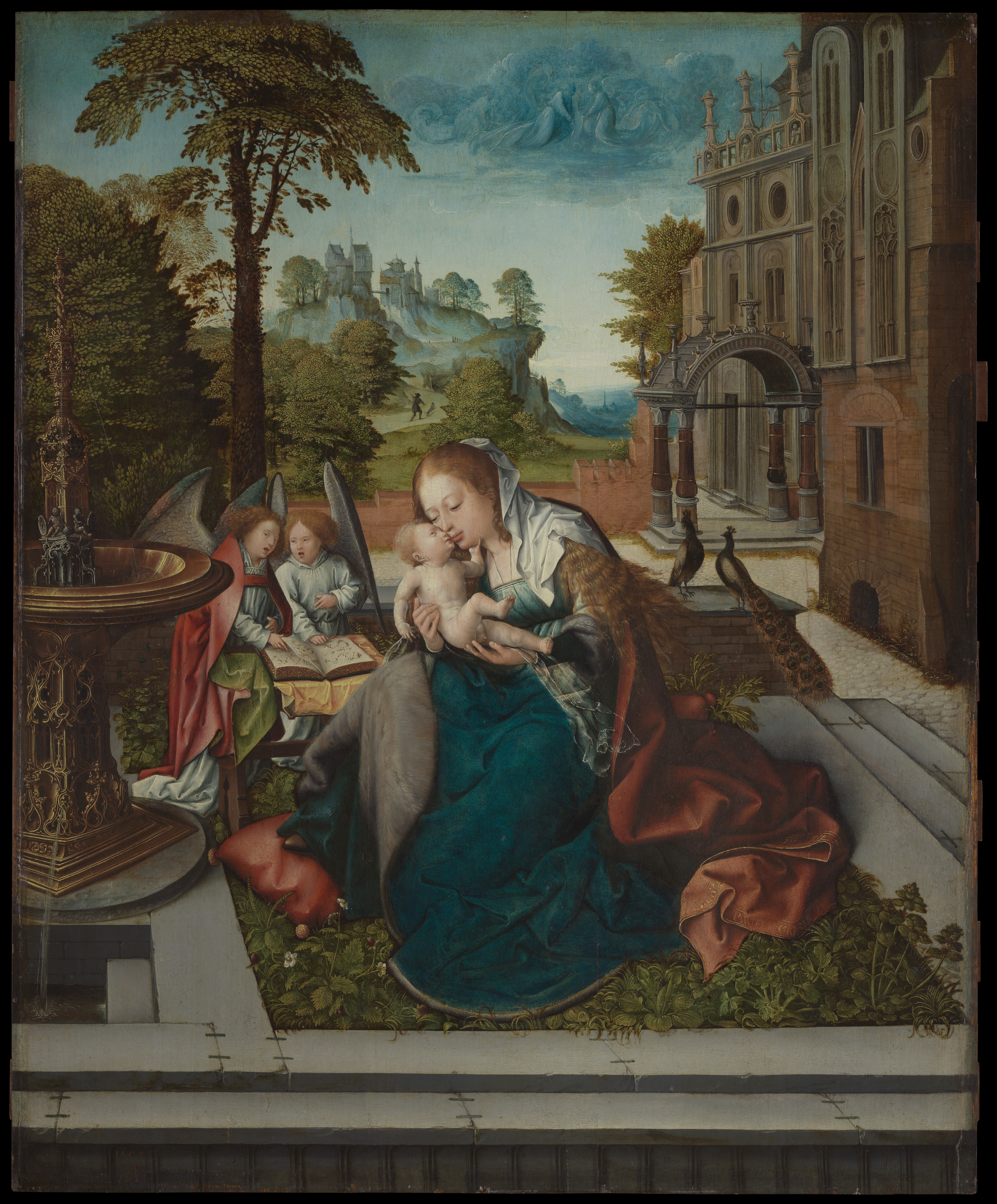
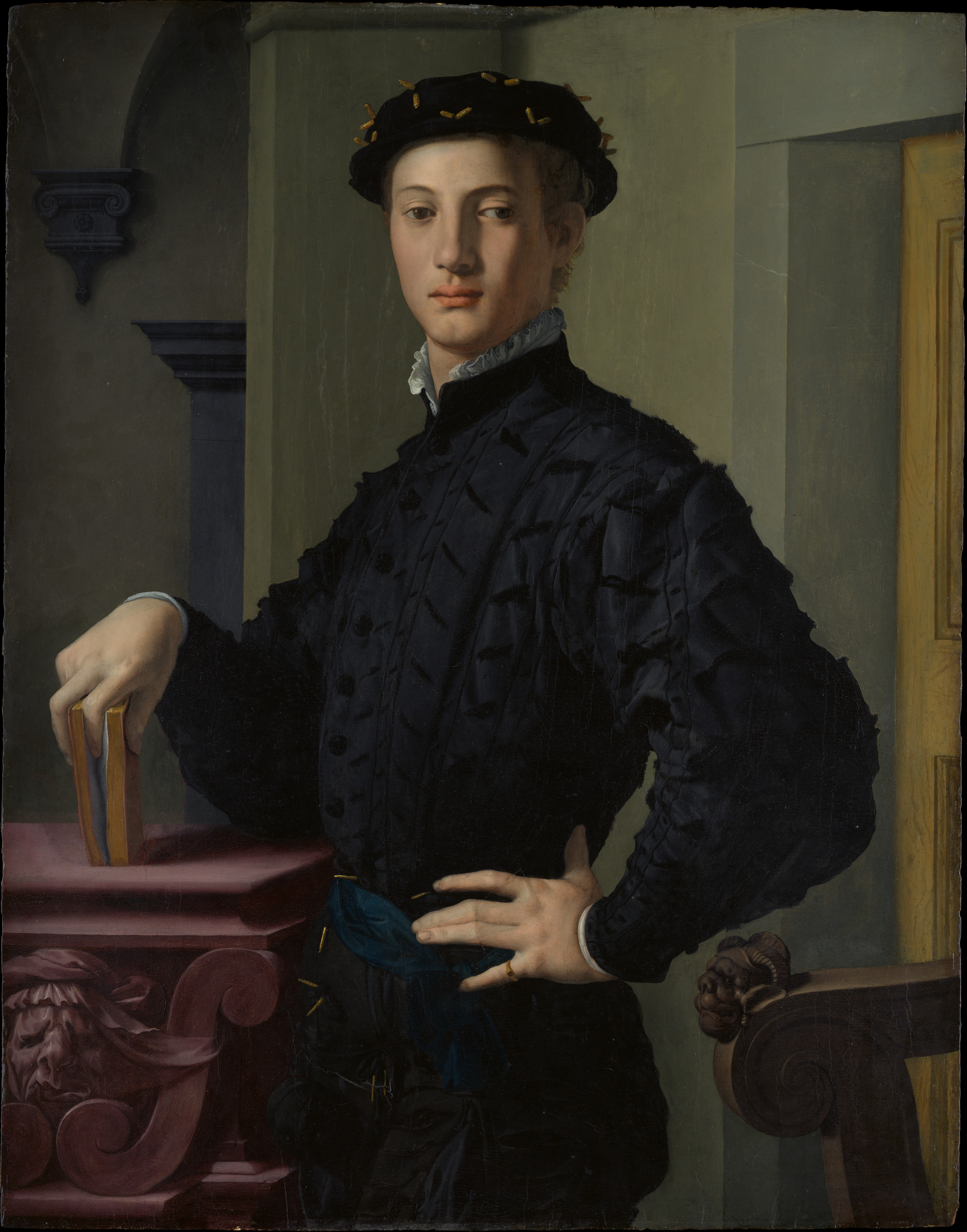
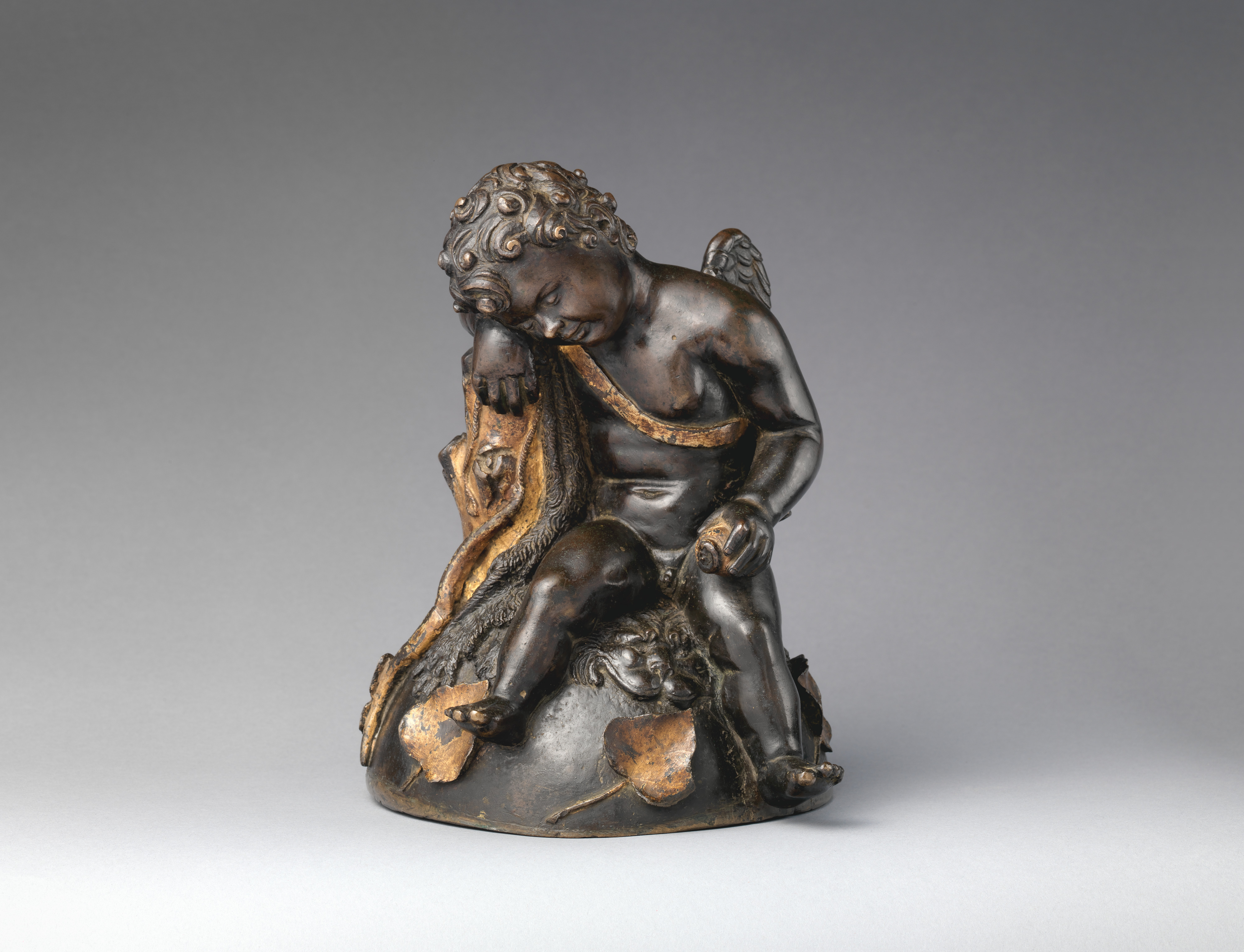
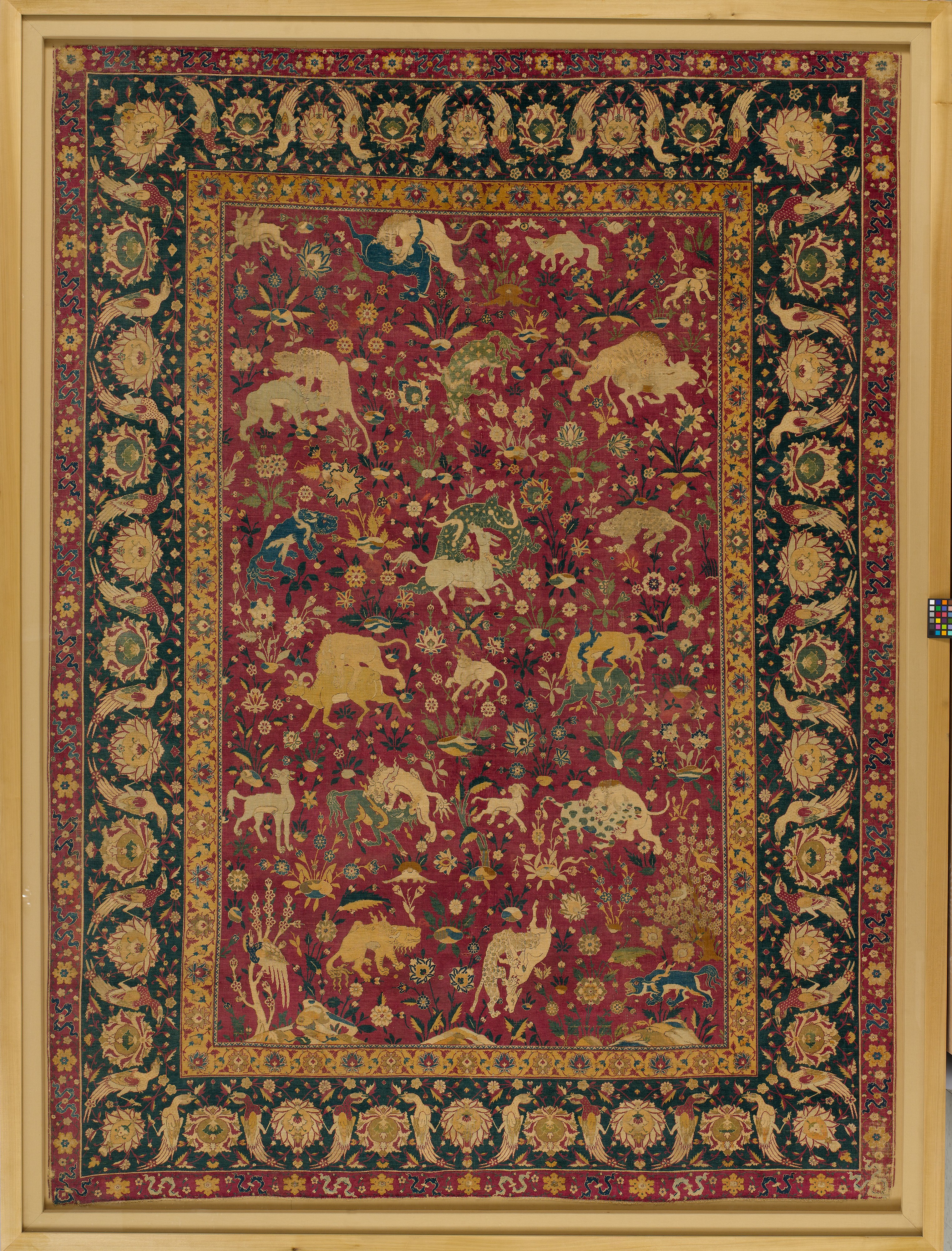


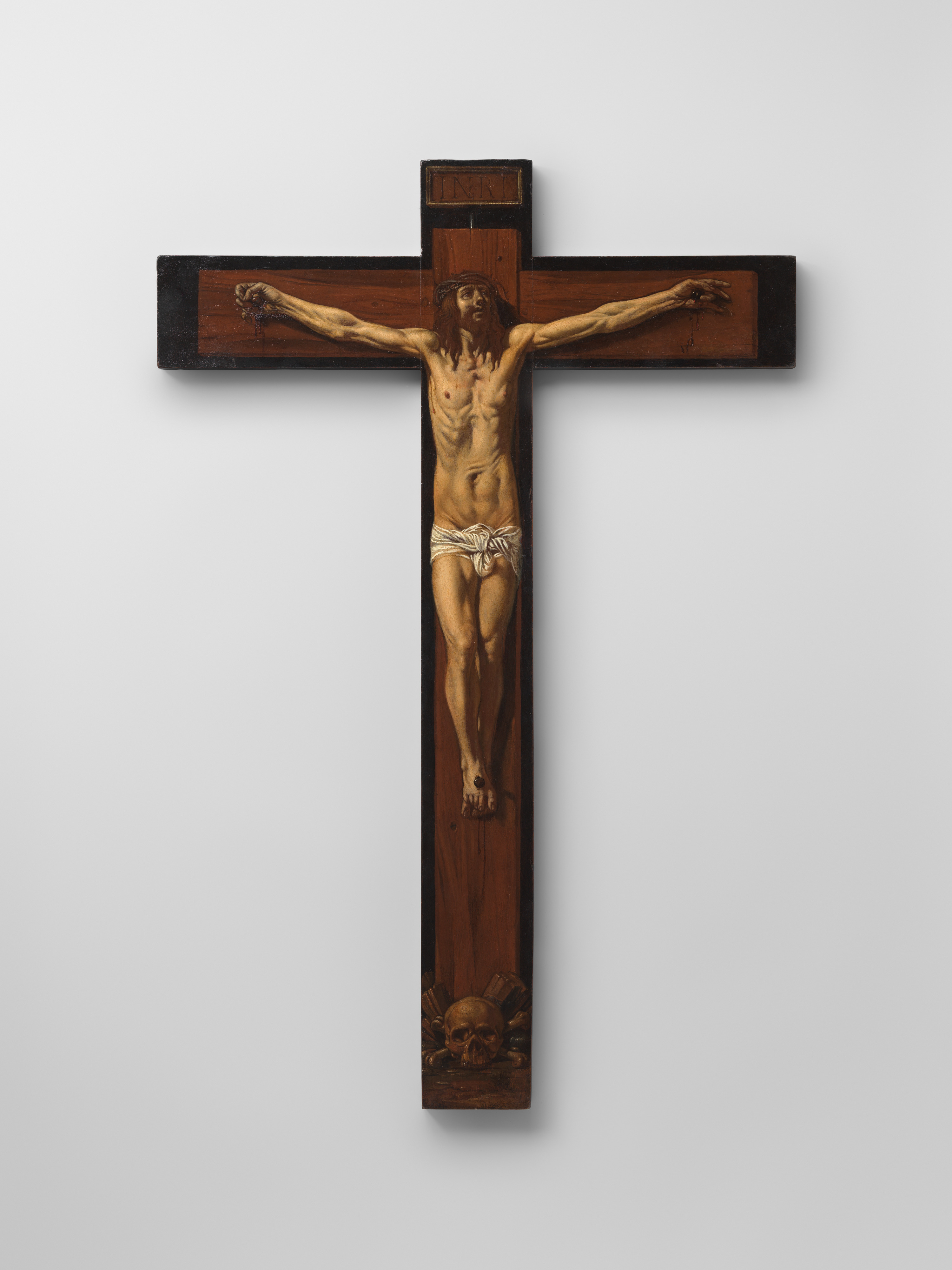
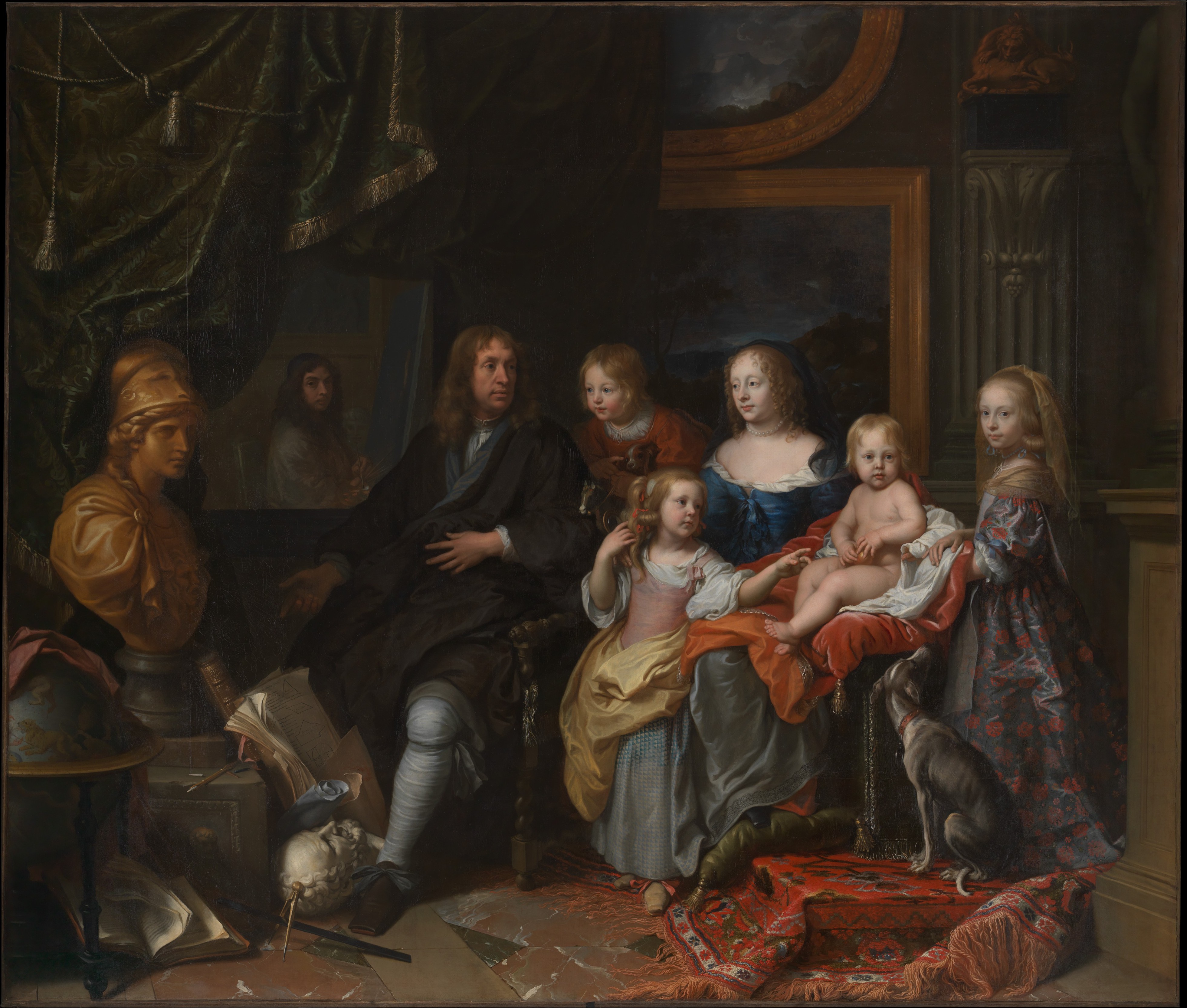
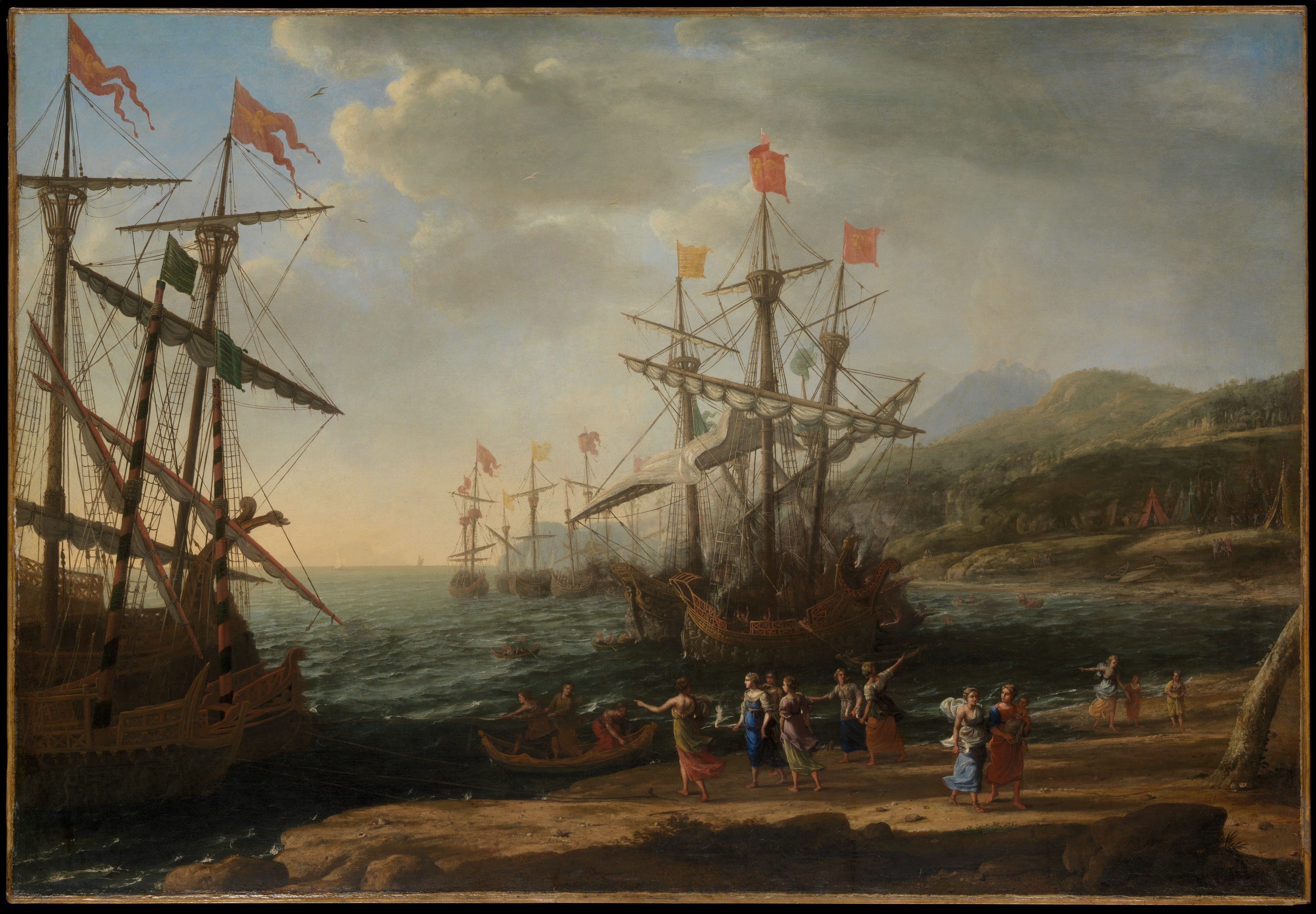
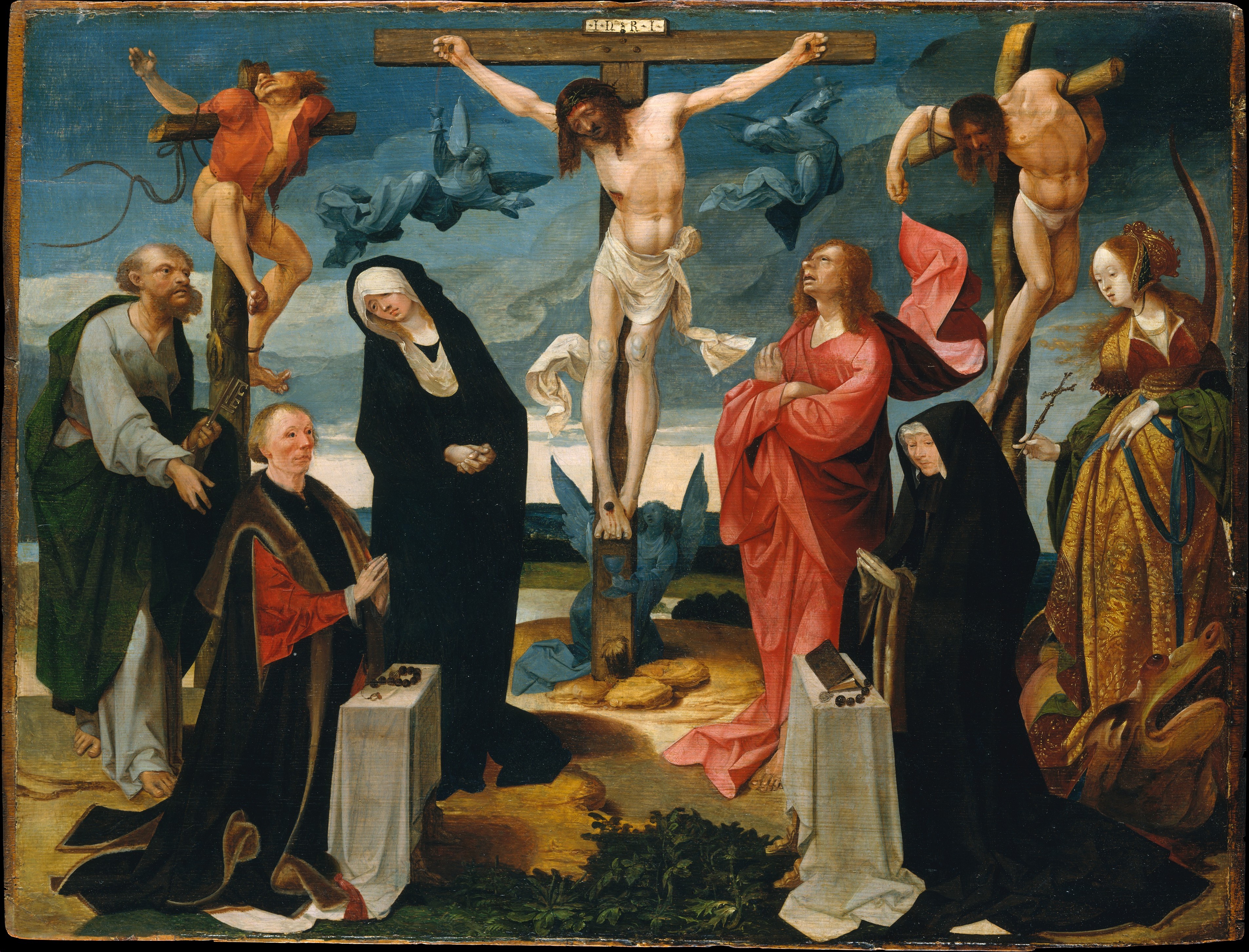
The Crucifixion with Donors and Saints Peter and Margaret of Antioch
Cornelis Engebrechtsz

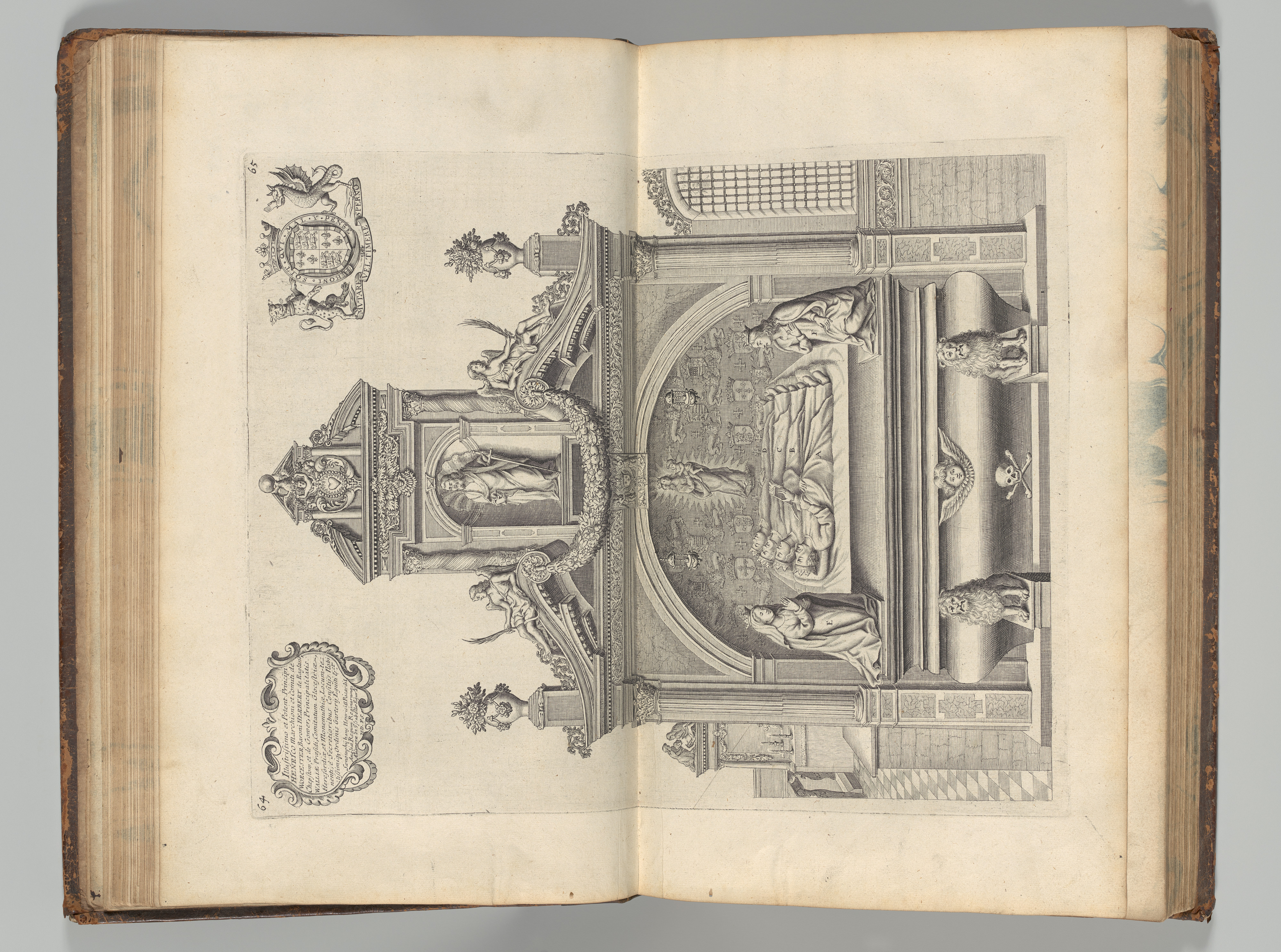
A Genealogical History of the Kings of England, and Monarchs of Great Britain, &c. From the Conquest, Anno 1066, to the Year 1677
Francis Sandford
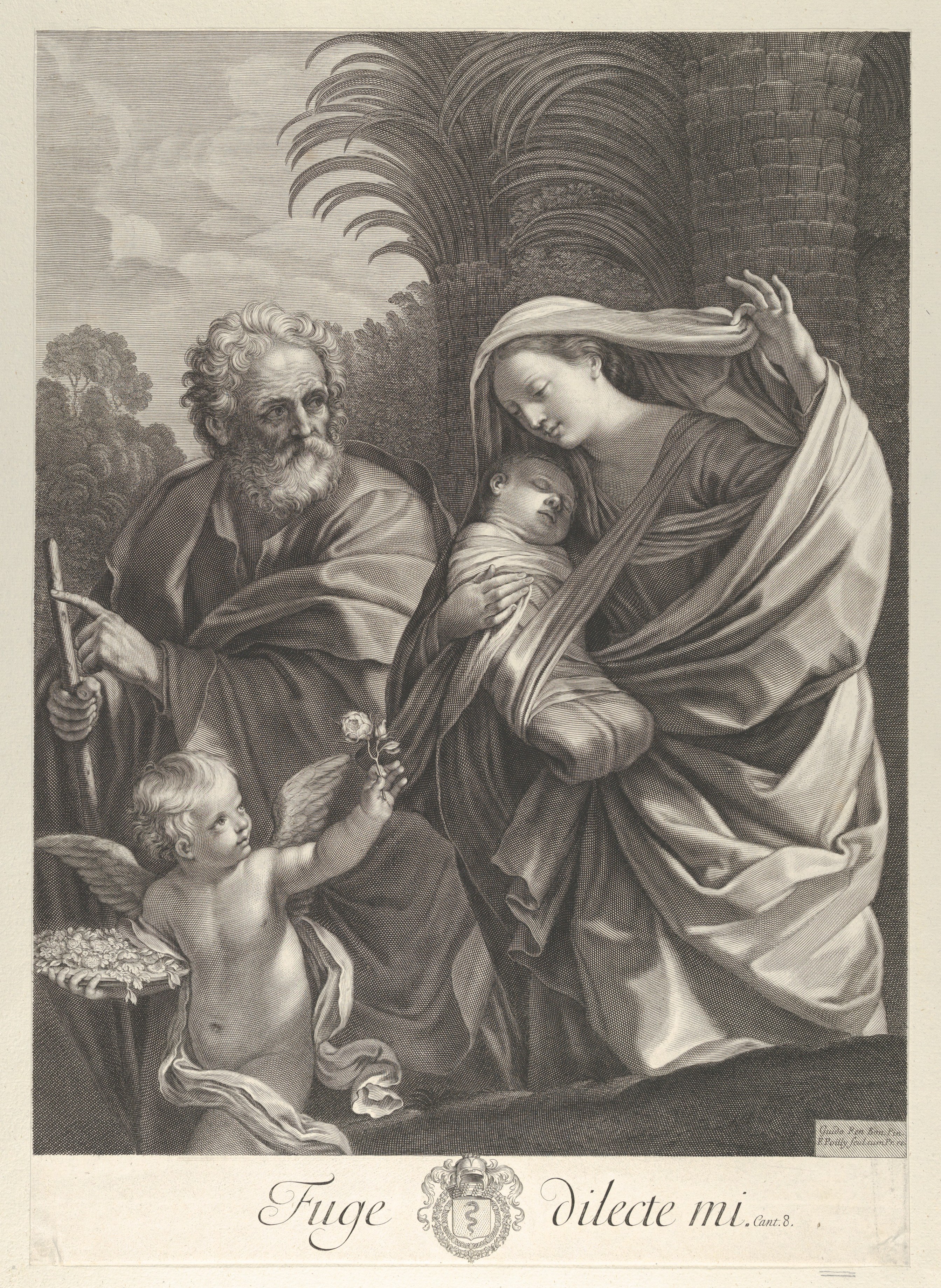
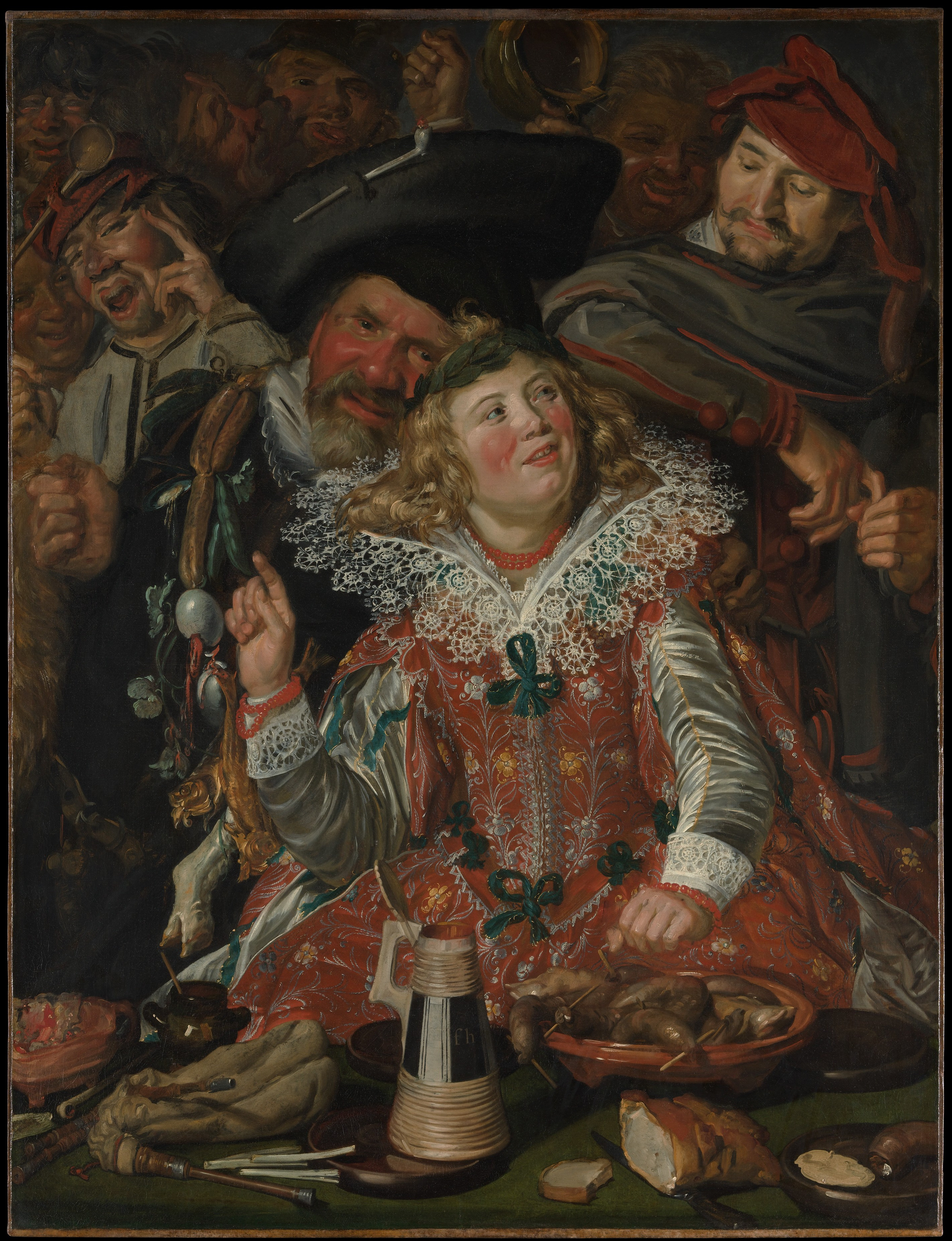
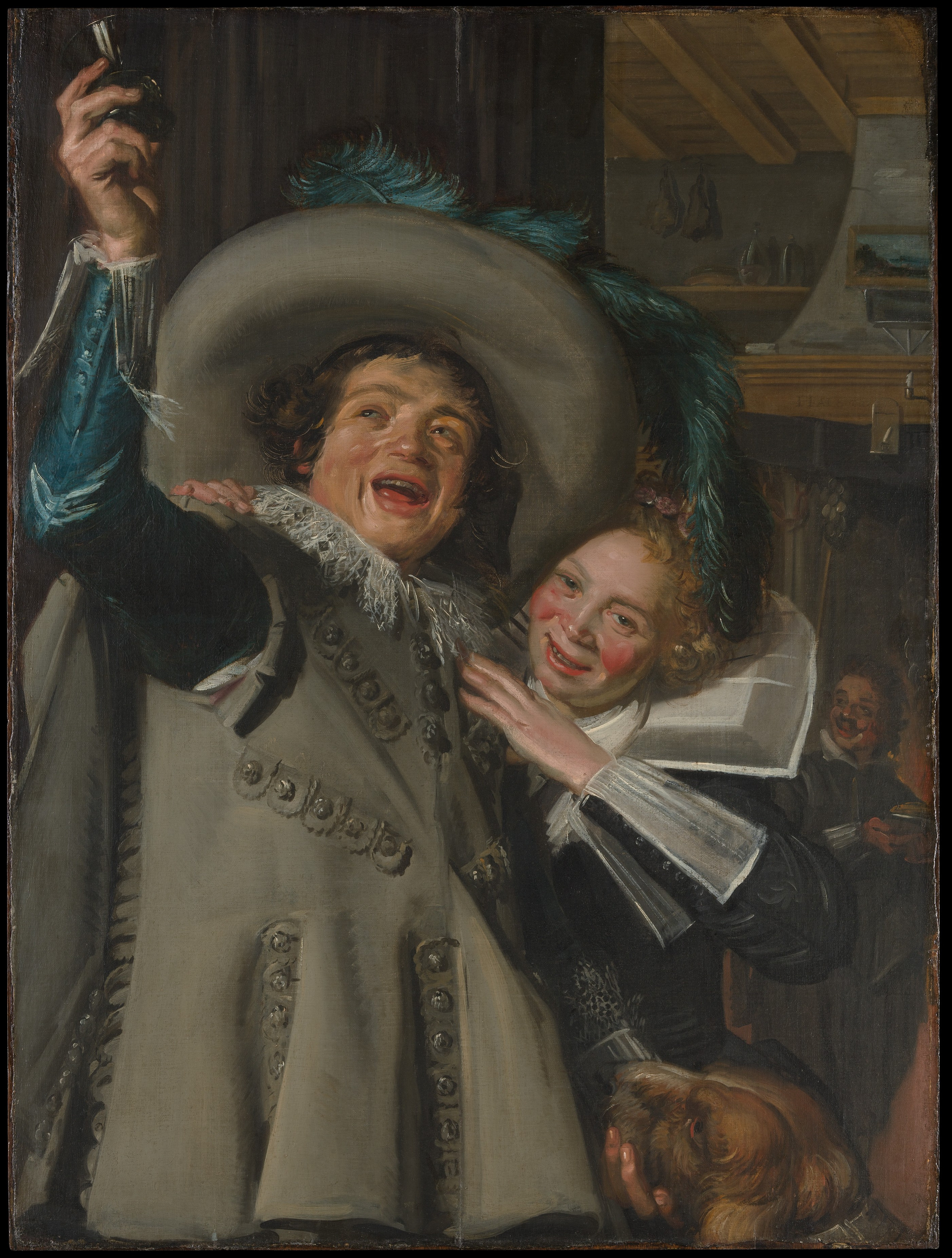
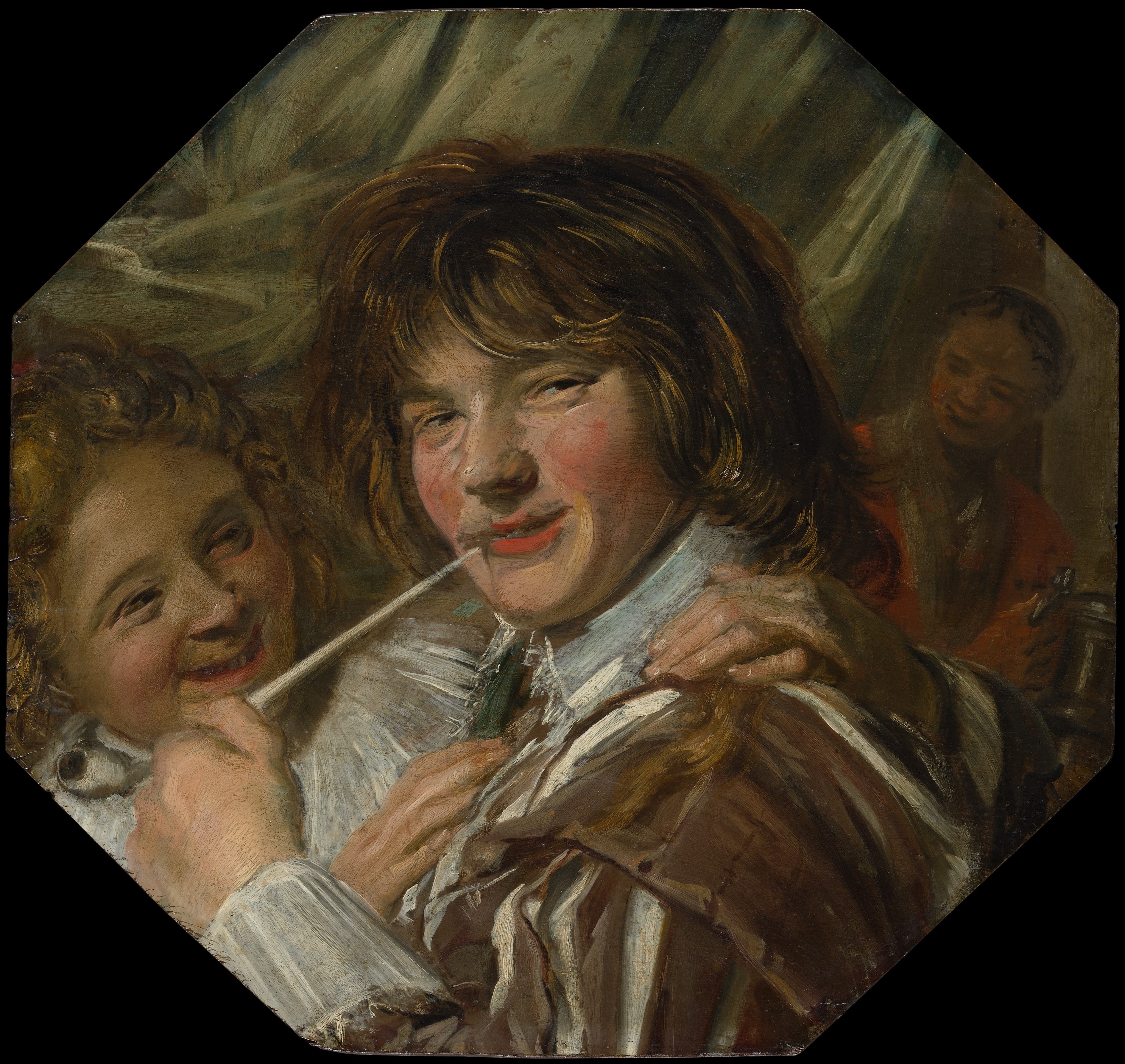
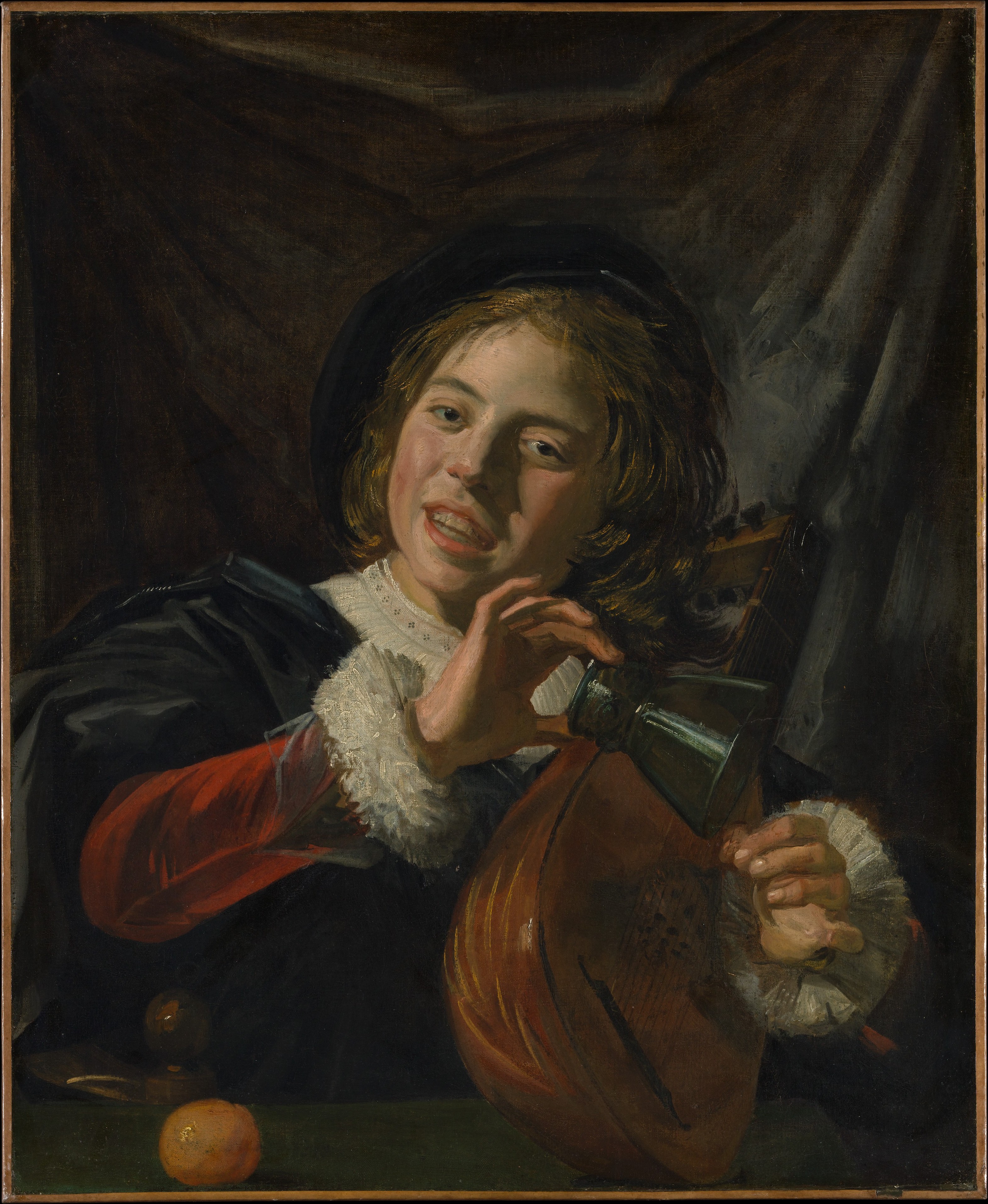
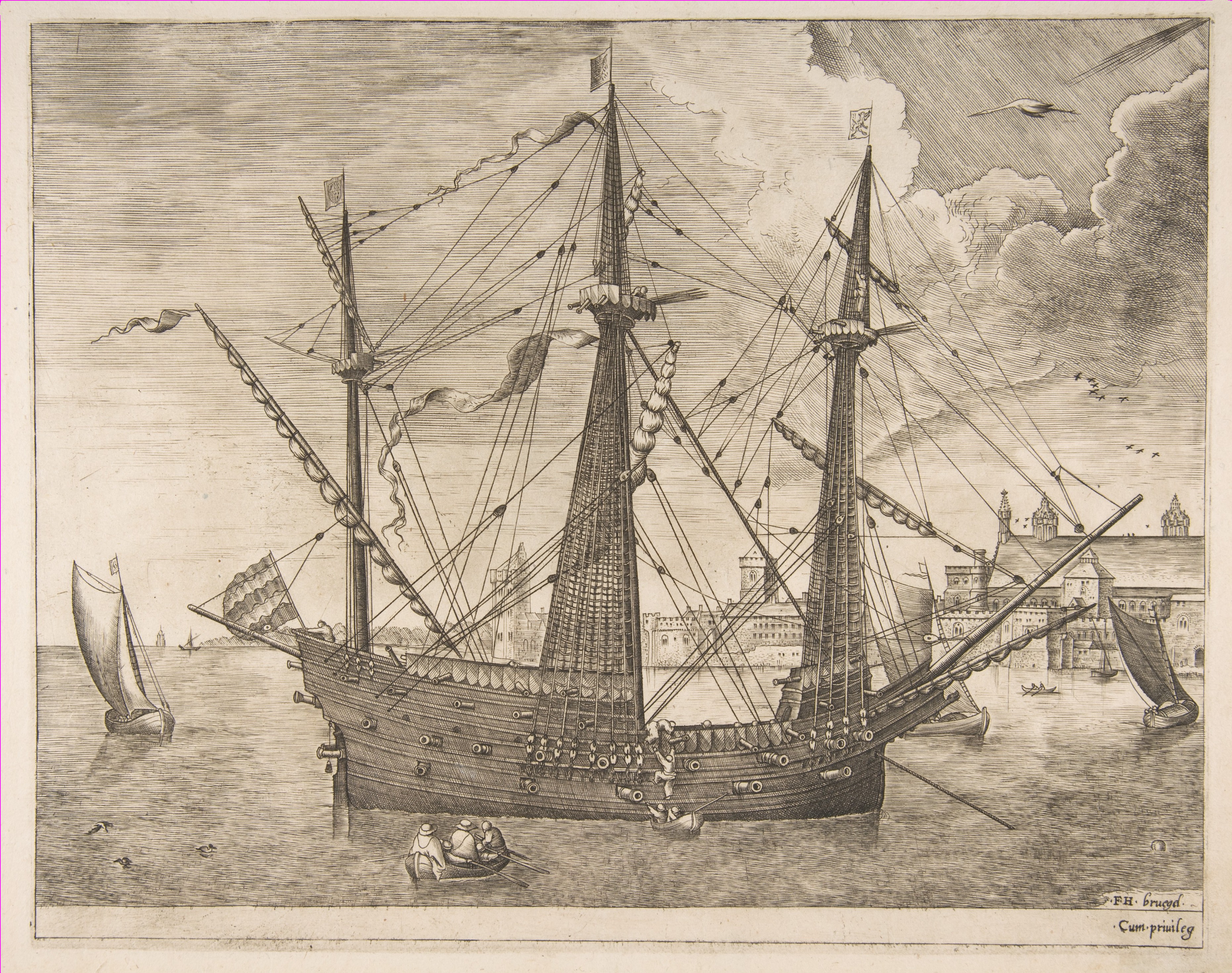
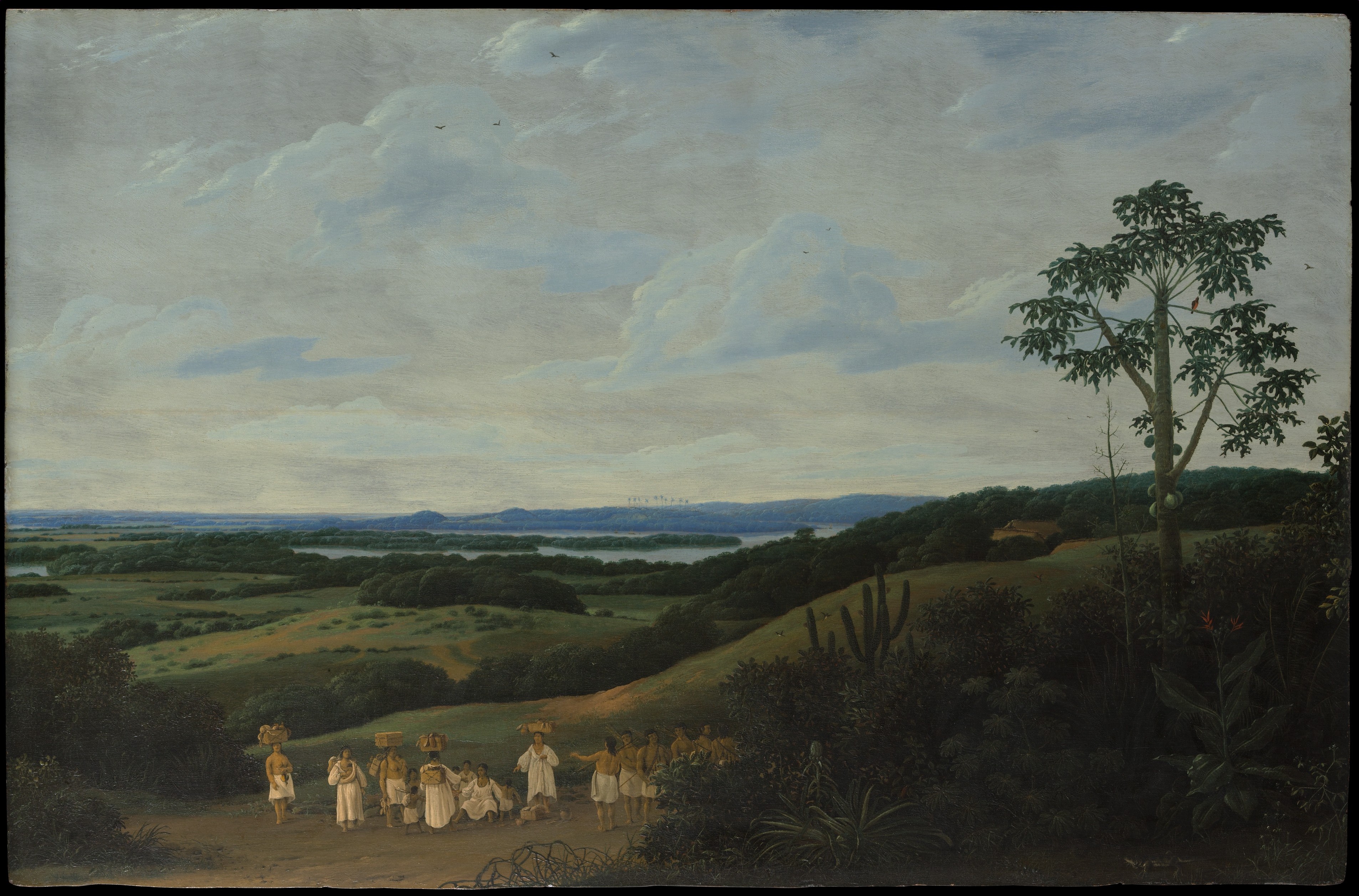
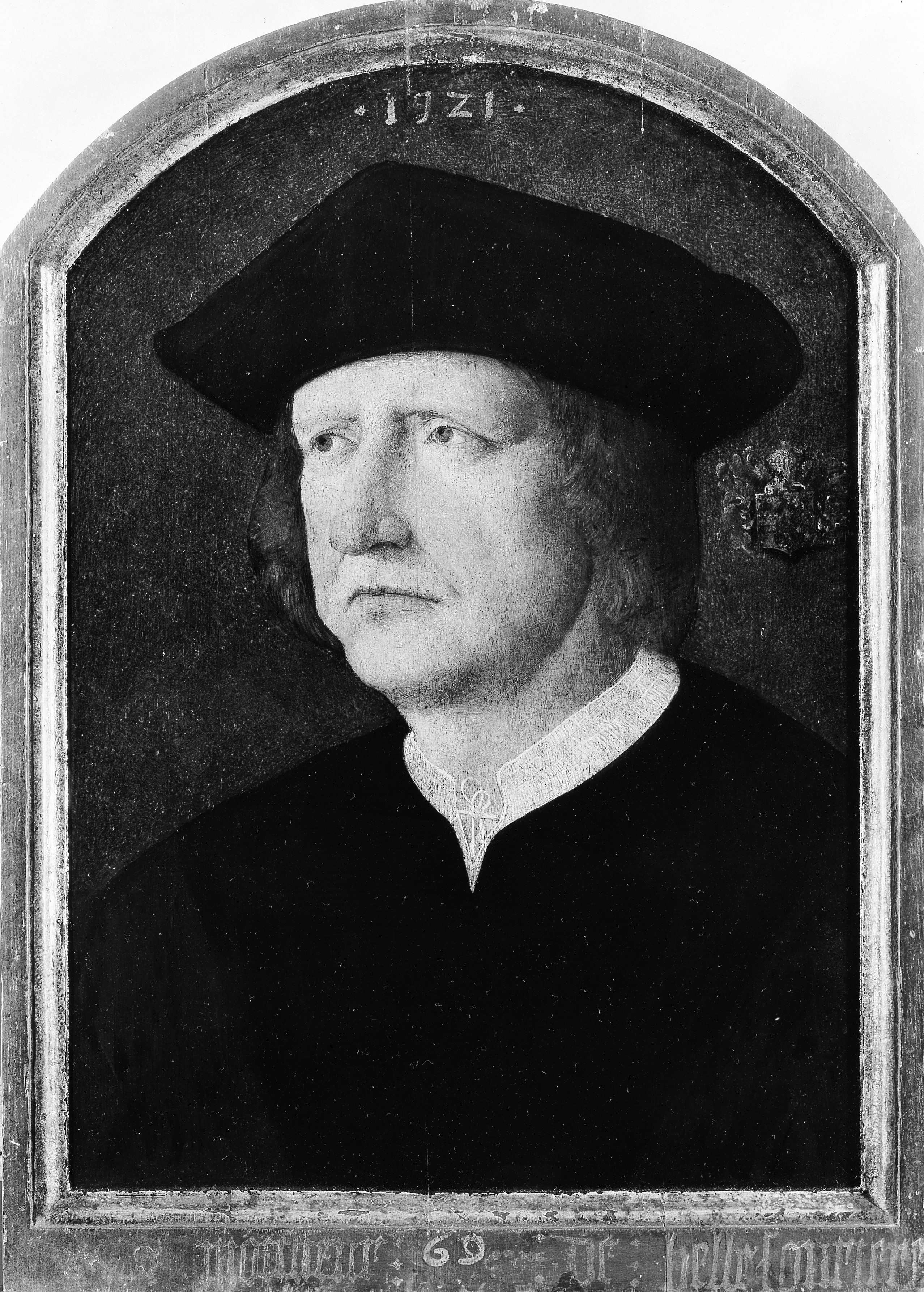


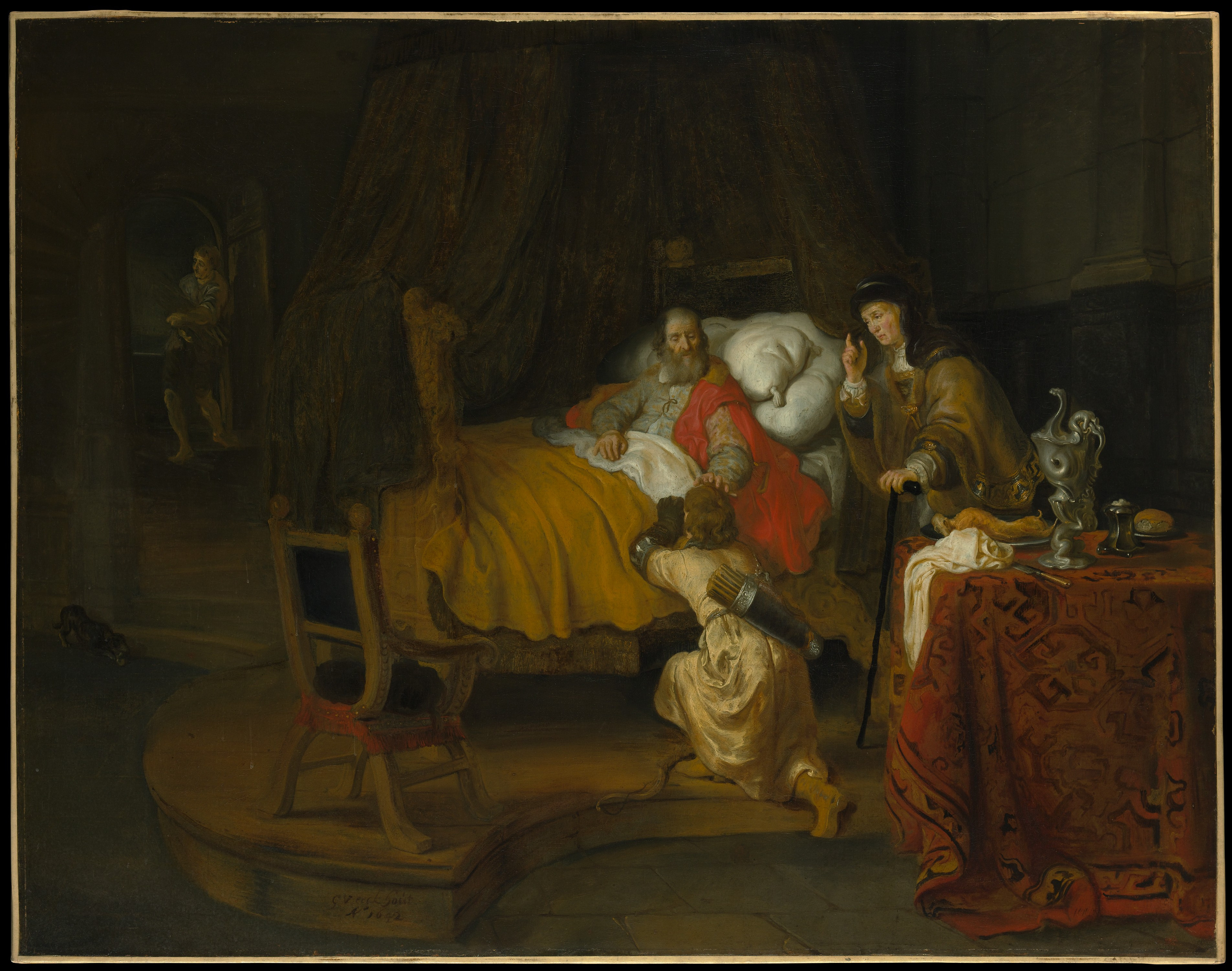
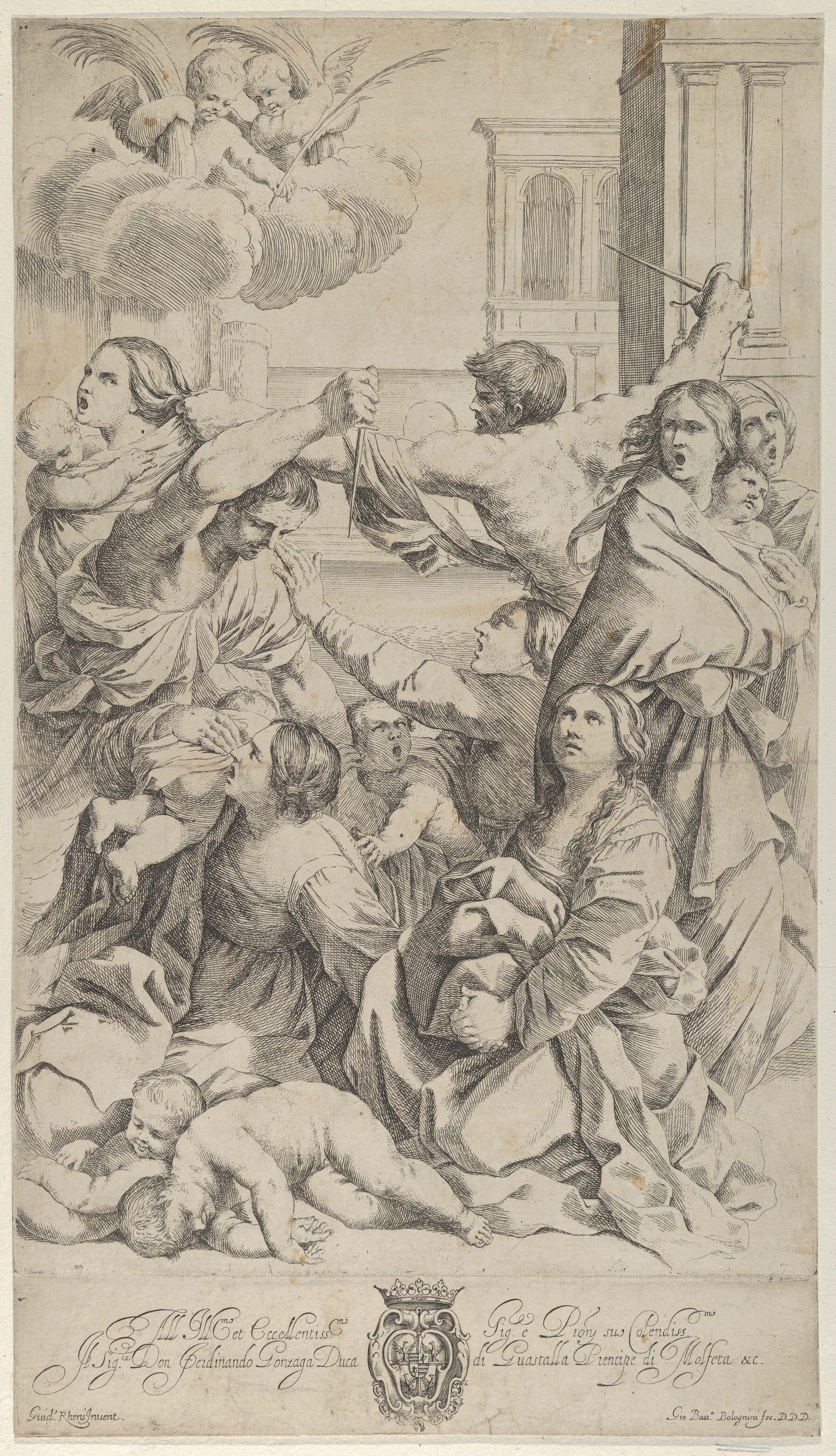
Massacre of the Innocents; group of women and children being attacked, two angels at upper left, after Reni
Gian Battista Bolognini
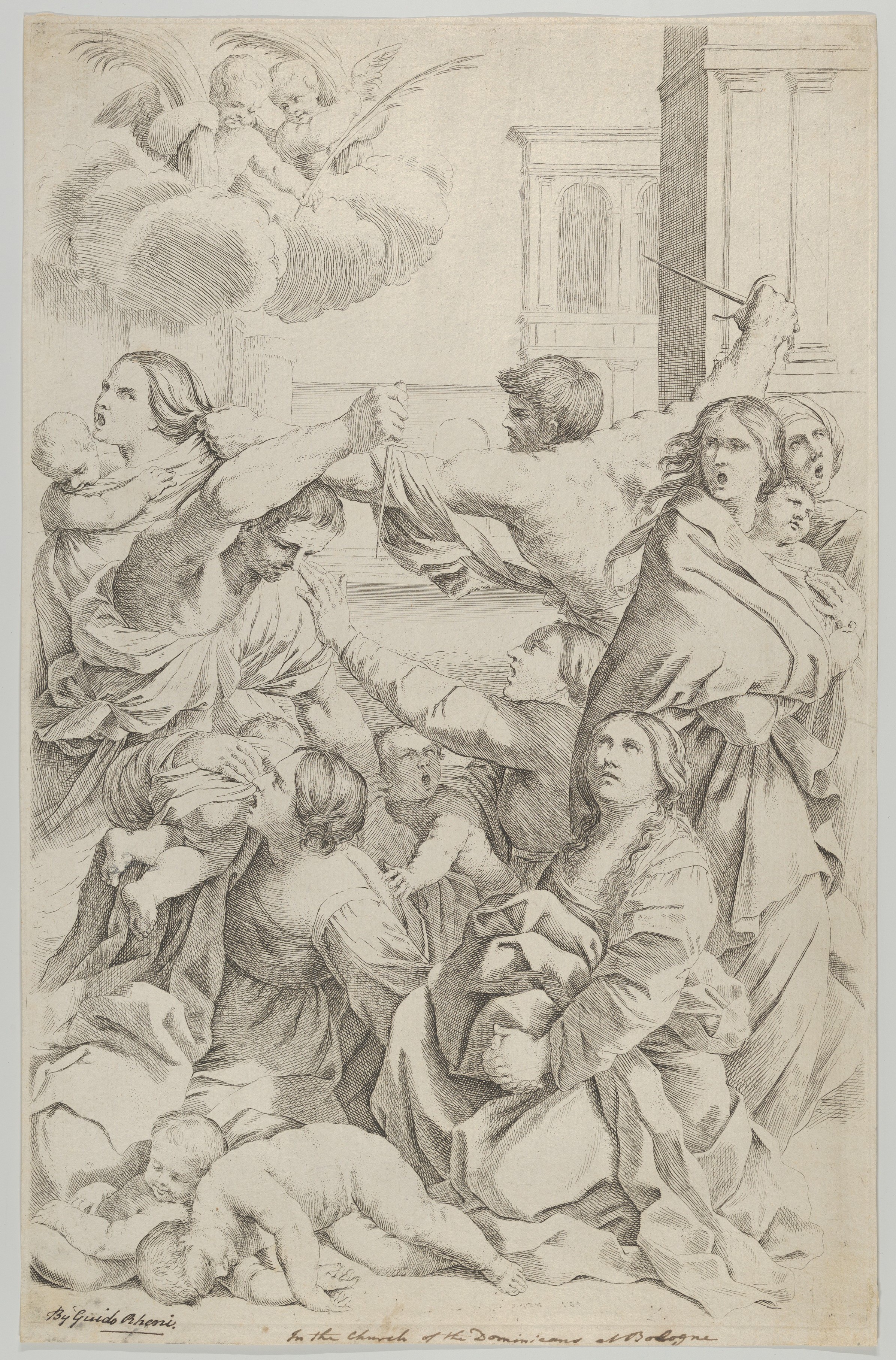
Massacre of the Innocents; group of women and children being attacked, two angels at upper left, after Reni
Gian Battista Bolognini
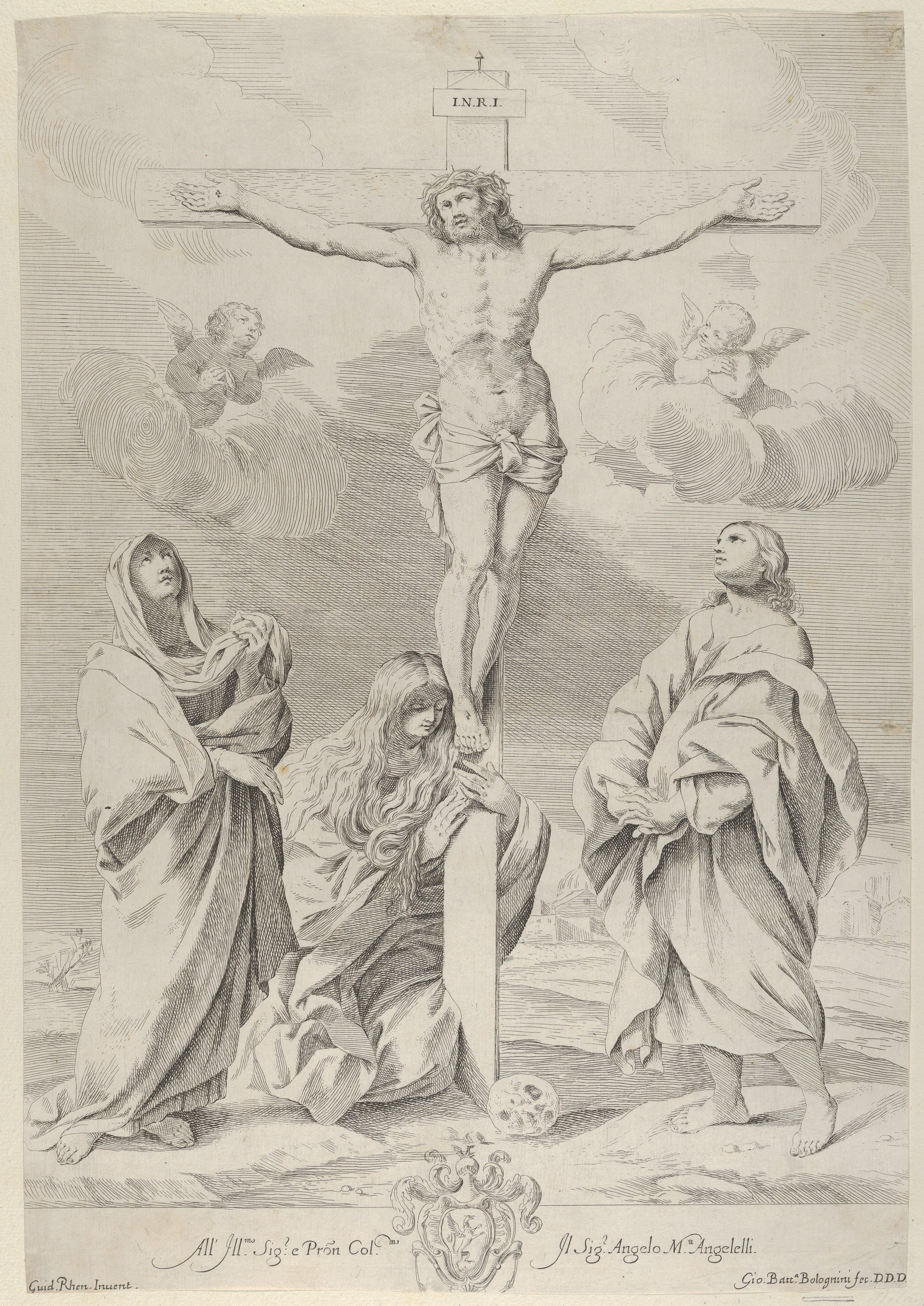
Christ on the cross, Saint John the Baptist at right, Mary Magdelene and the Virgin at left, after Reni
Gian Battista Bolognini
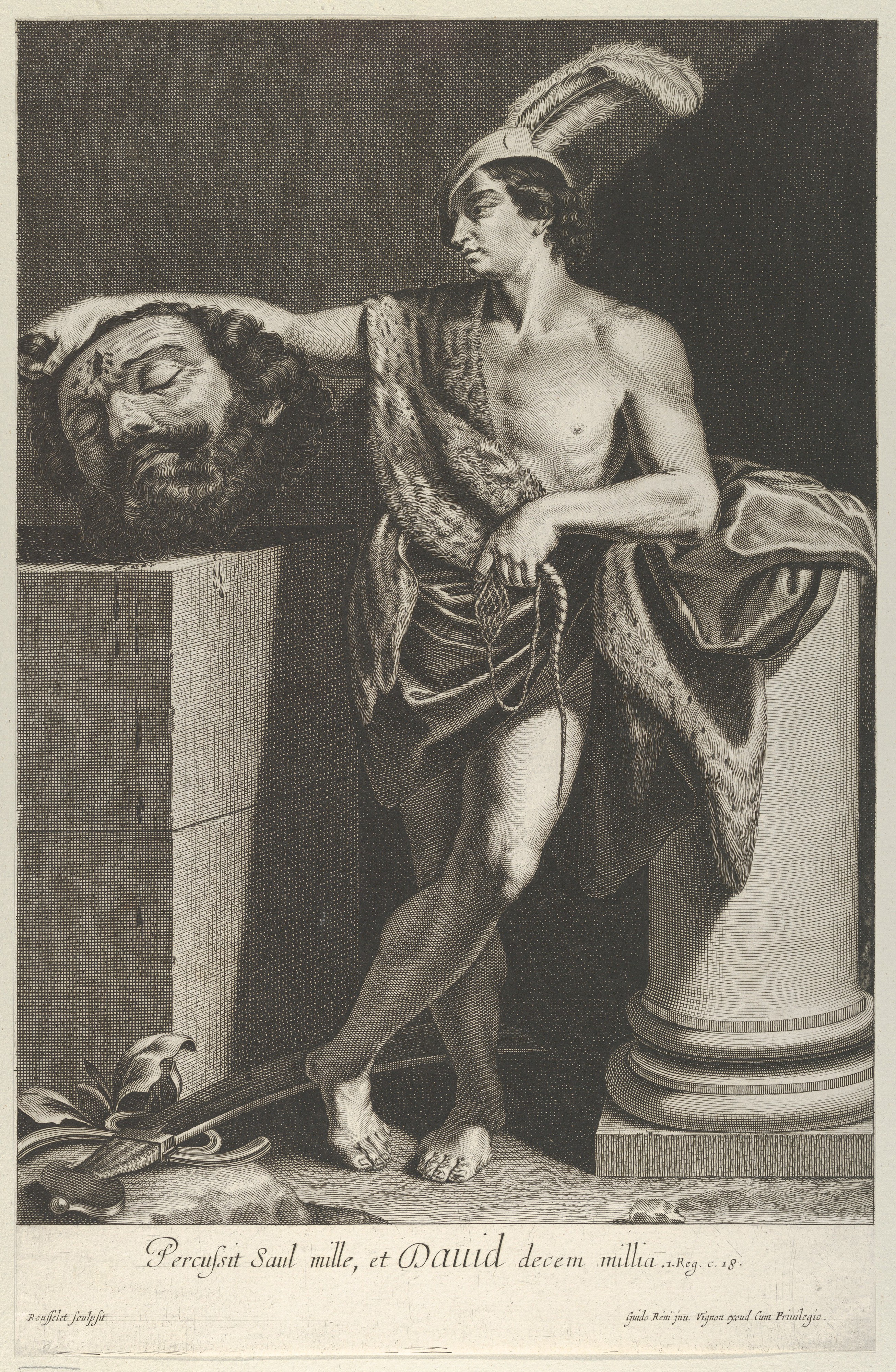
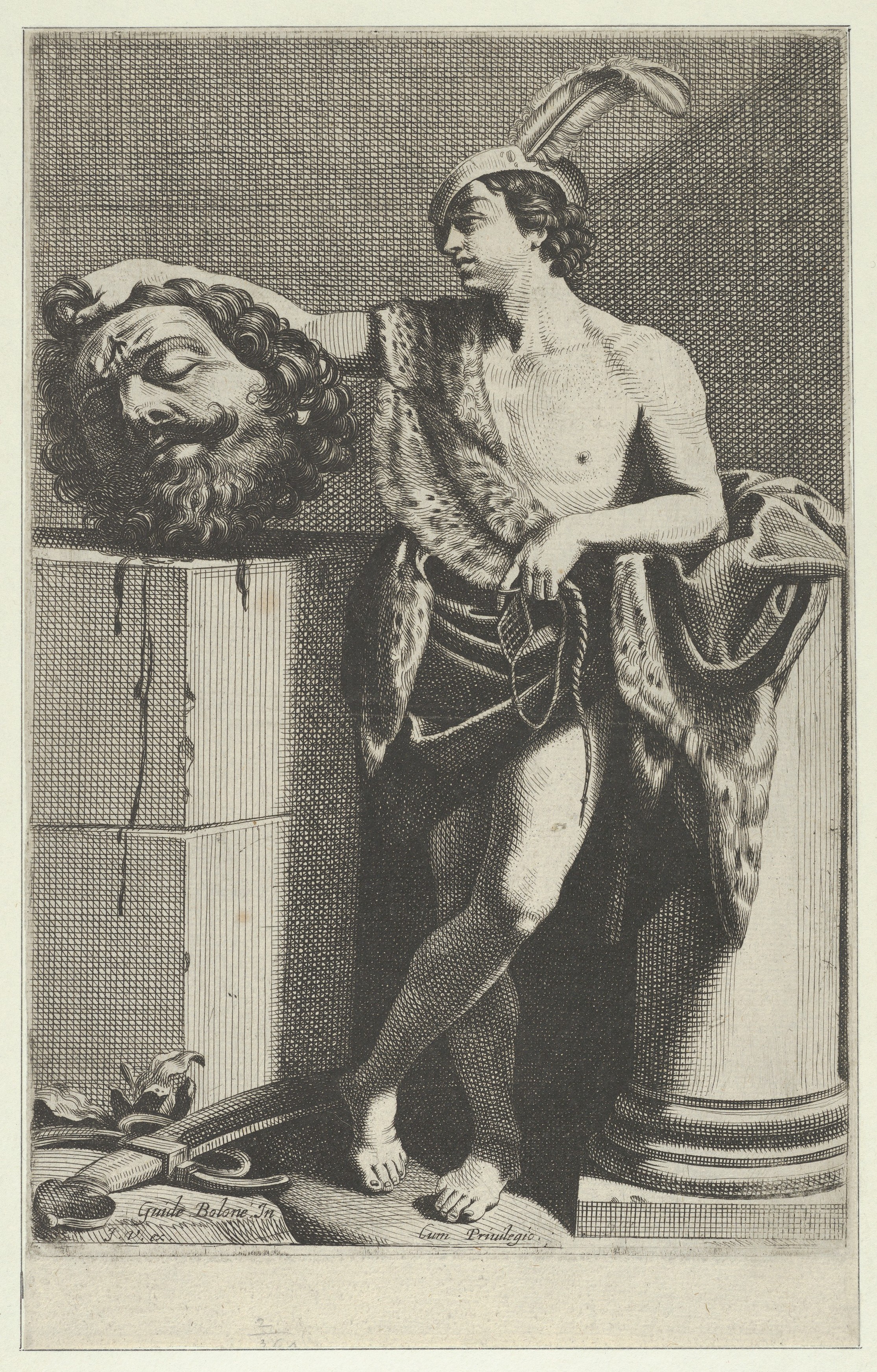
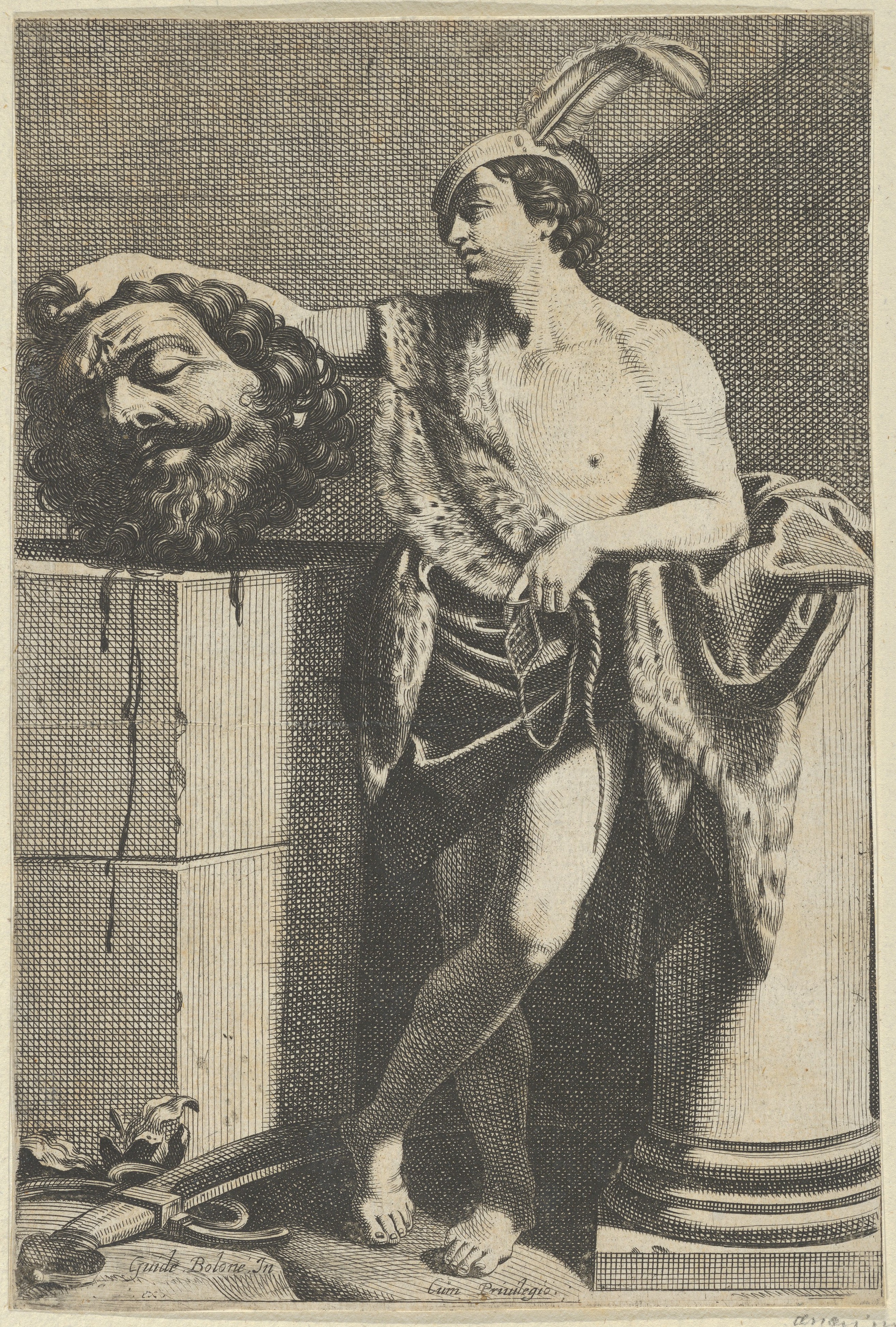
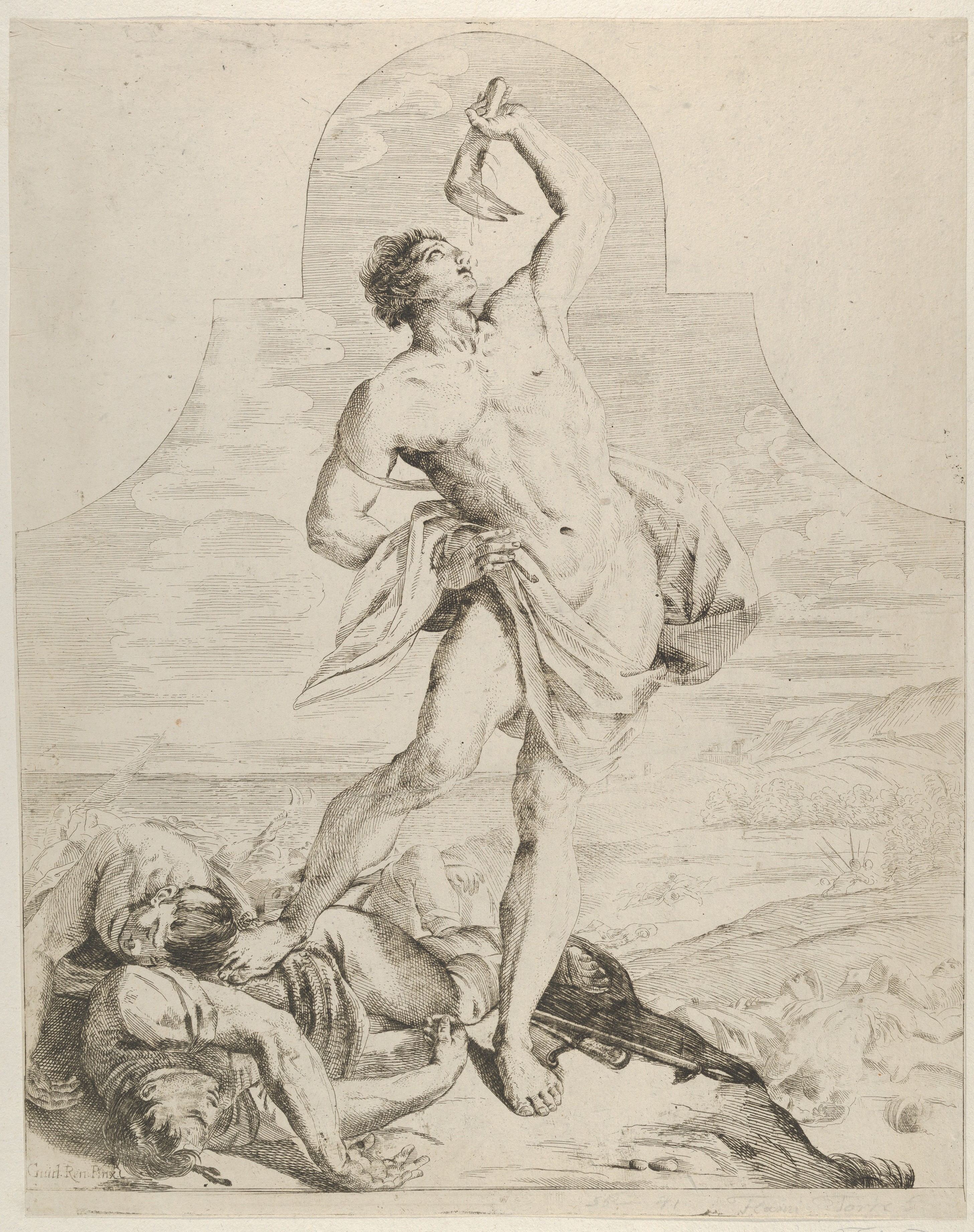
David standing with crossed legs and holding the head of Goliath on a pedestal at left, a sword on the ground, after Reni
Gilles Rousselet
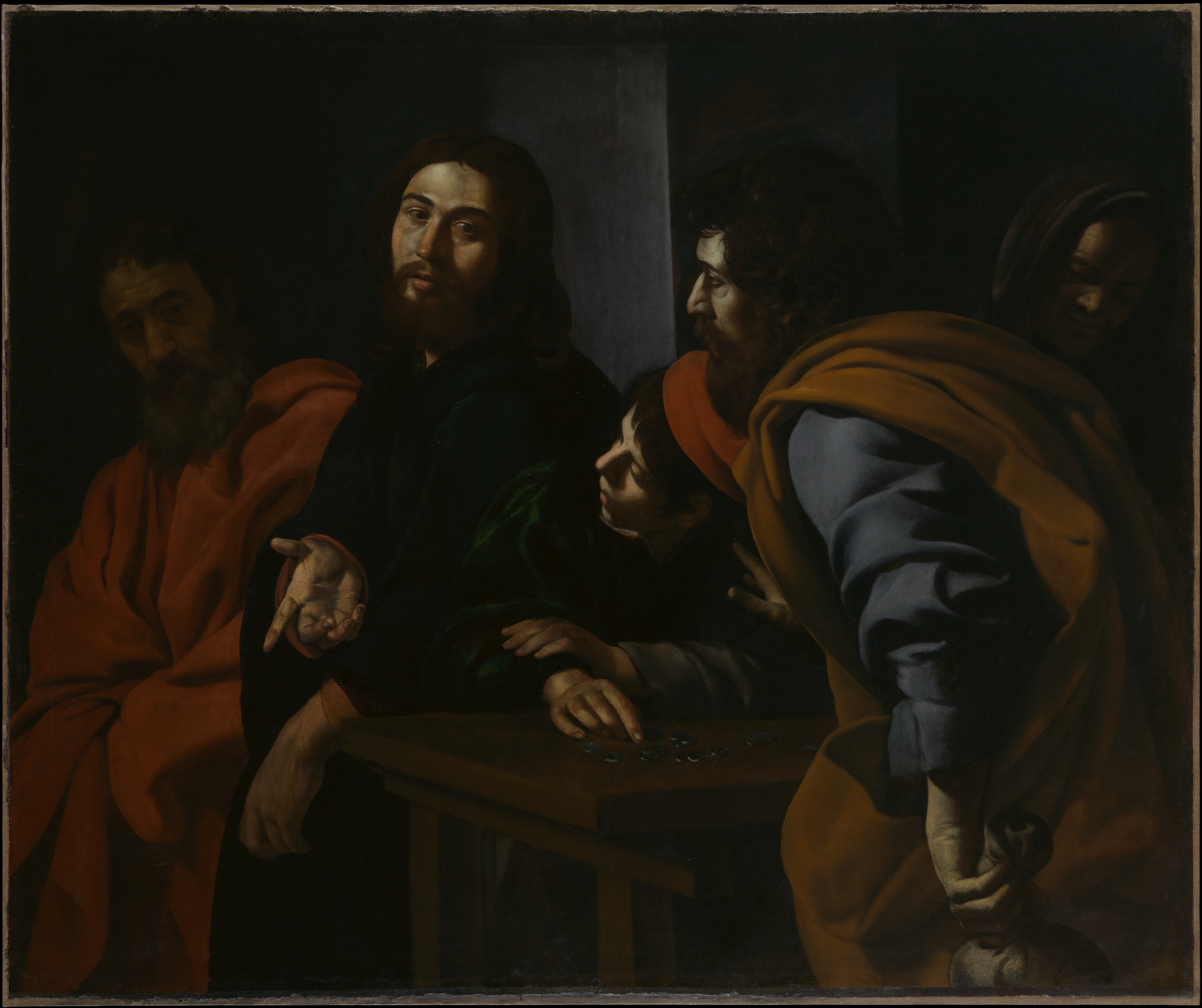
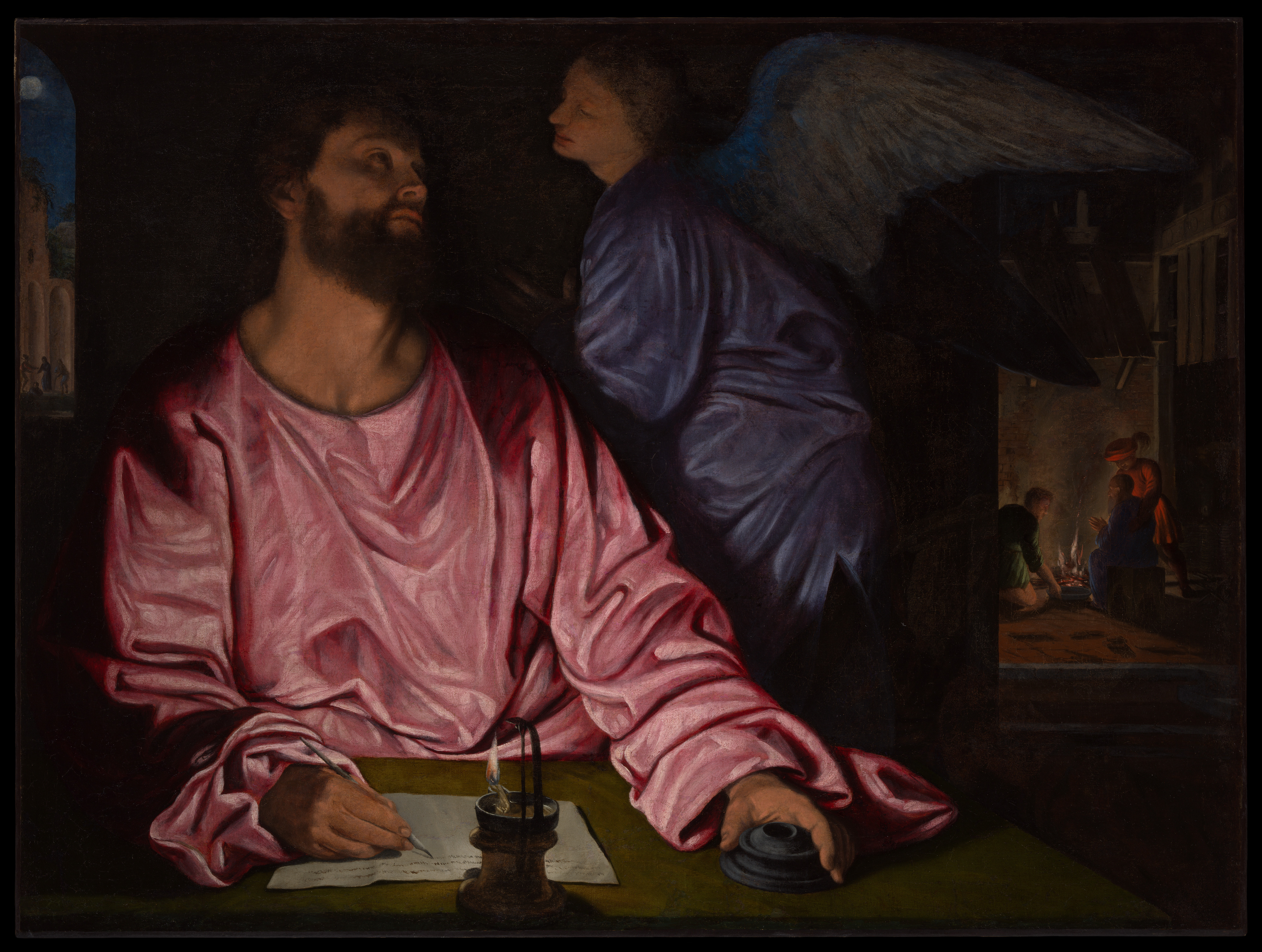
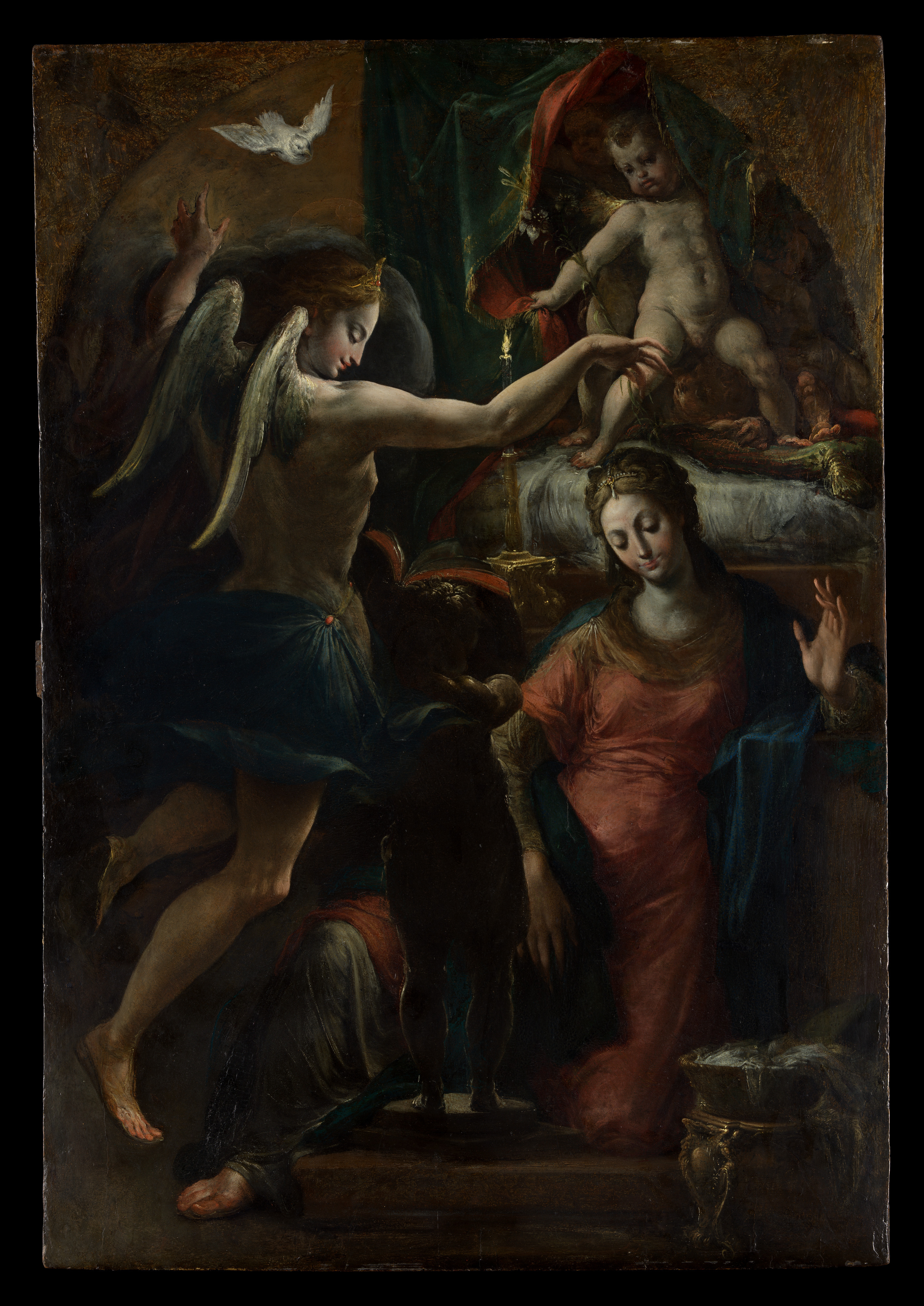
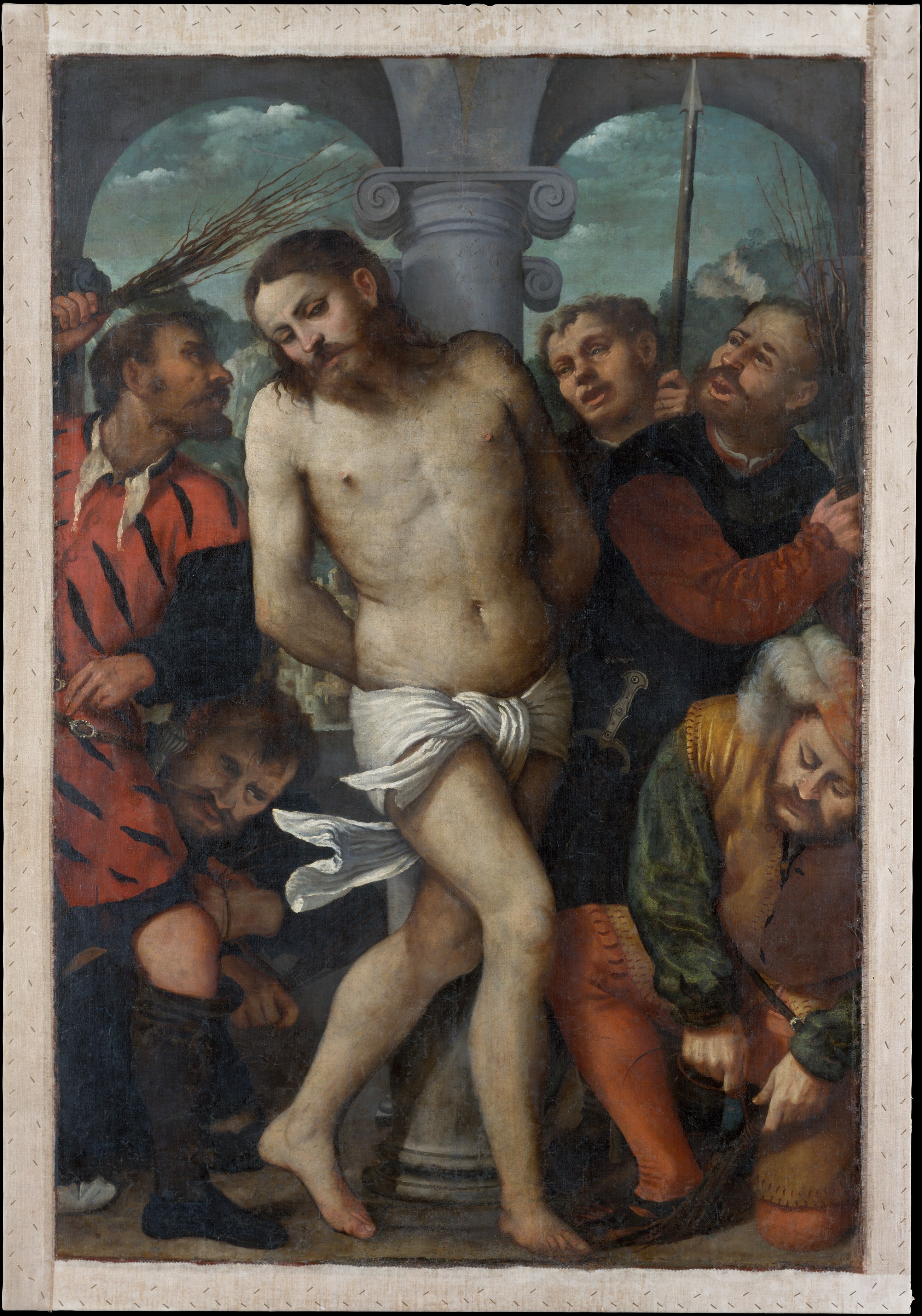
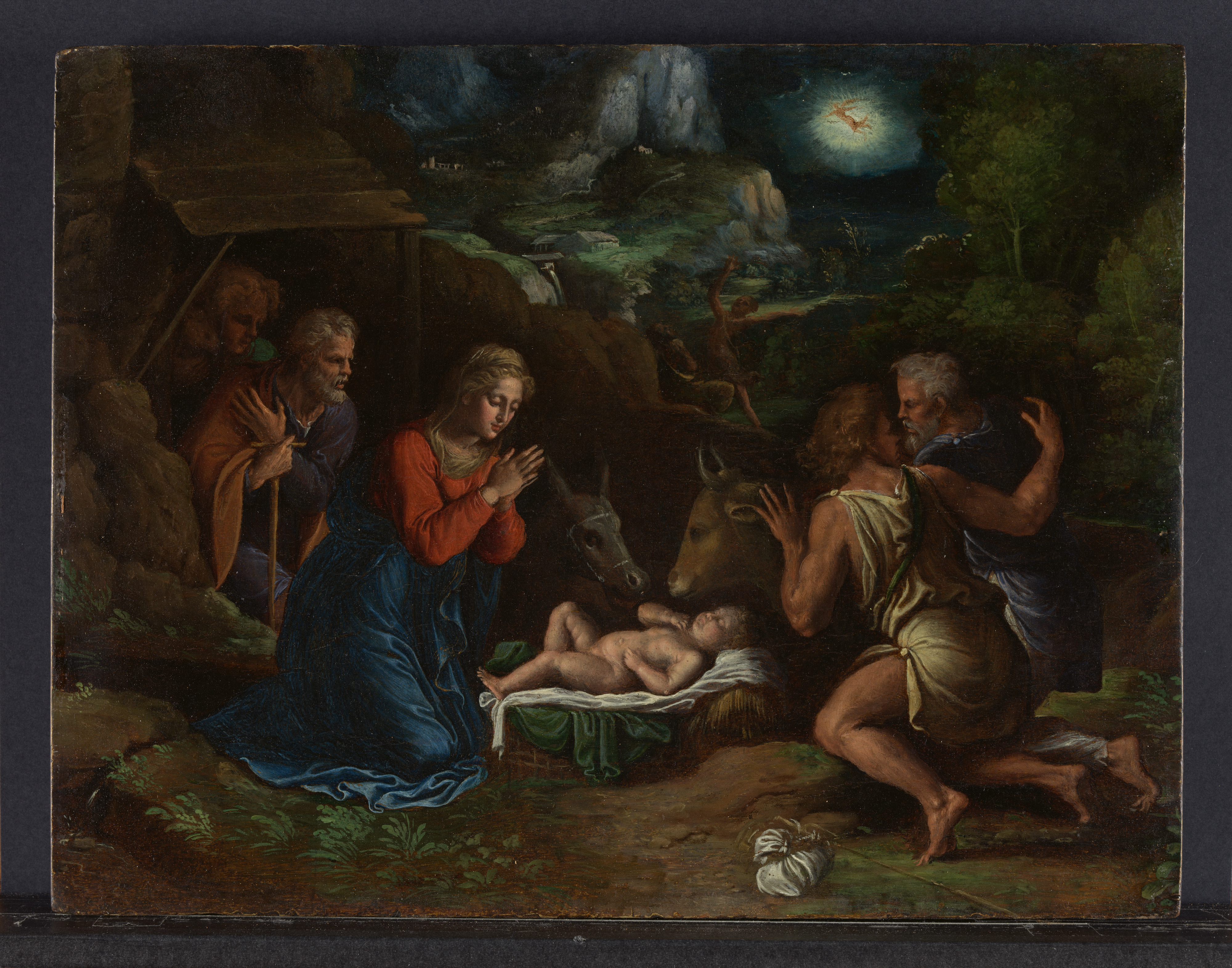
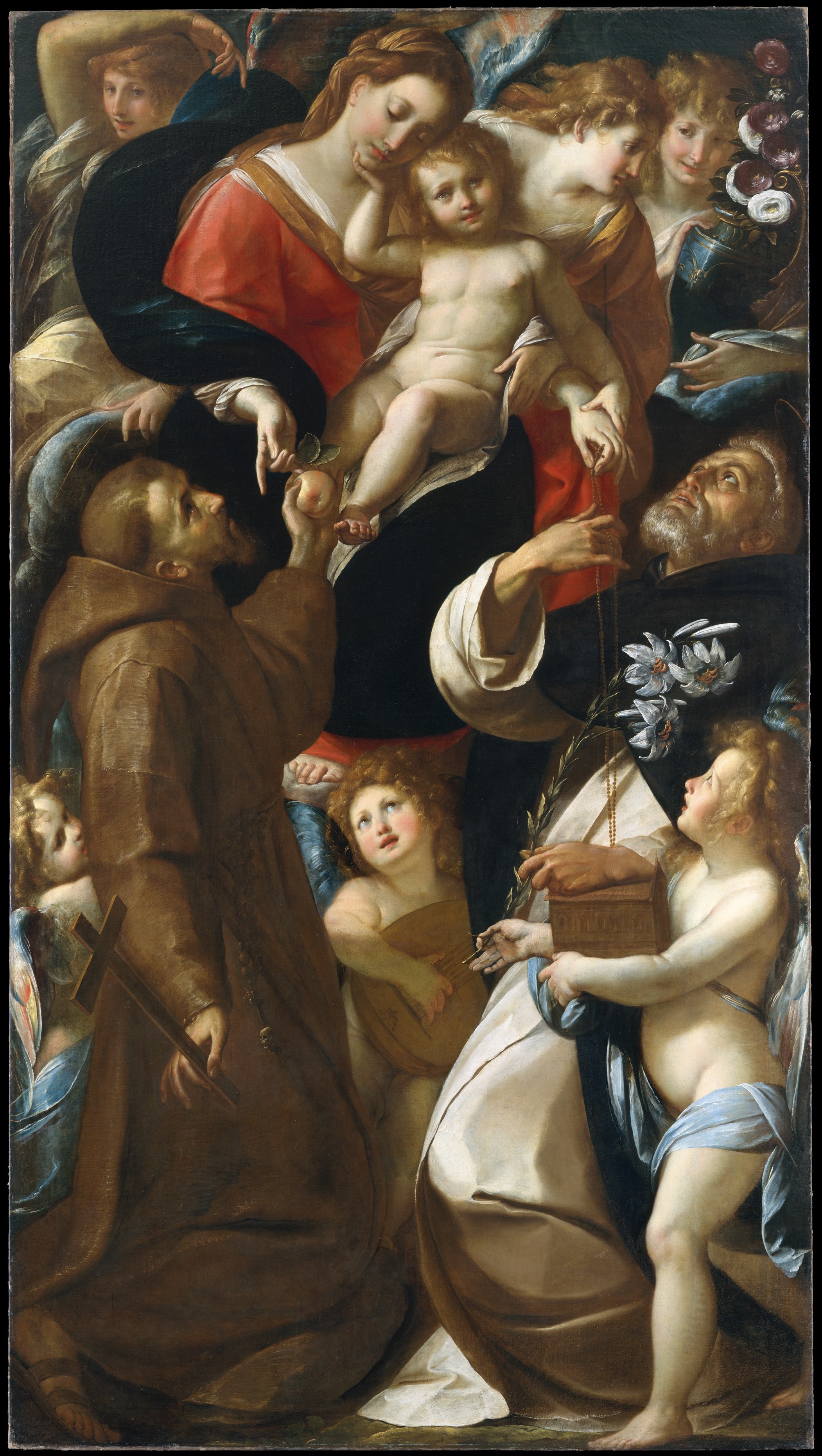
Madonna and Child with Saints Francis and Dominic and Angels
Giulio Cesare Procaccini
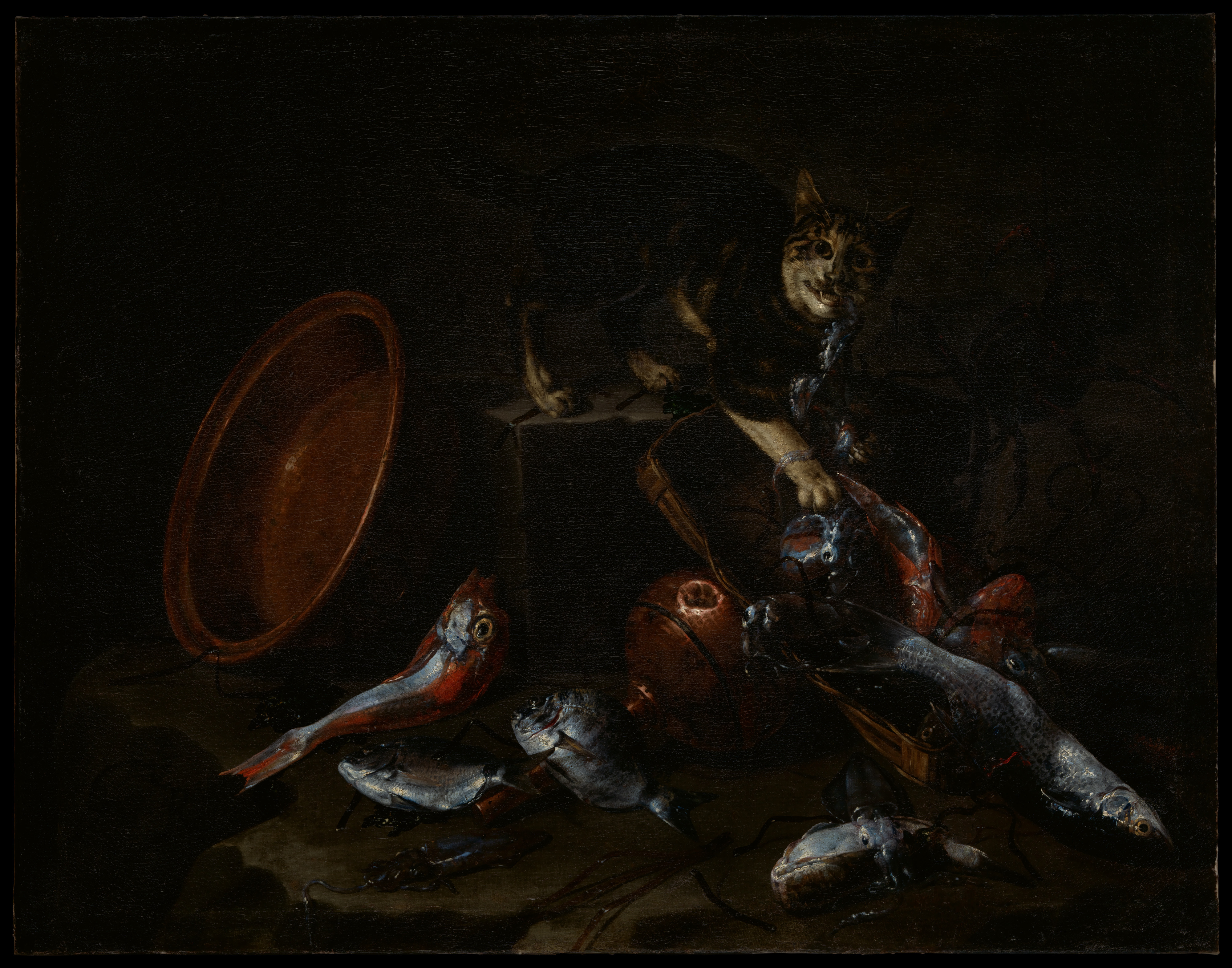
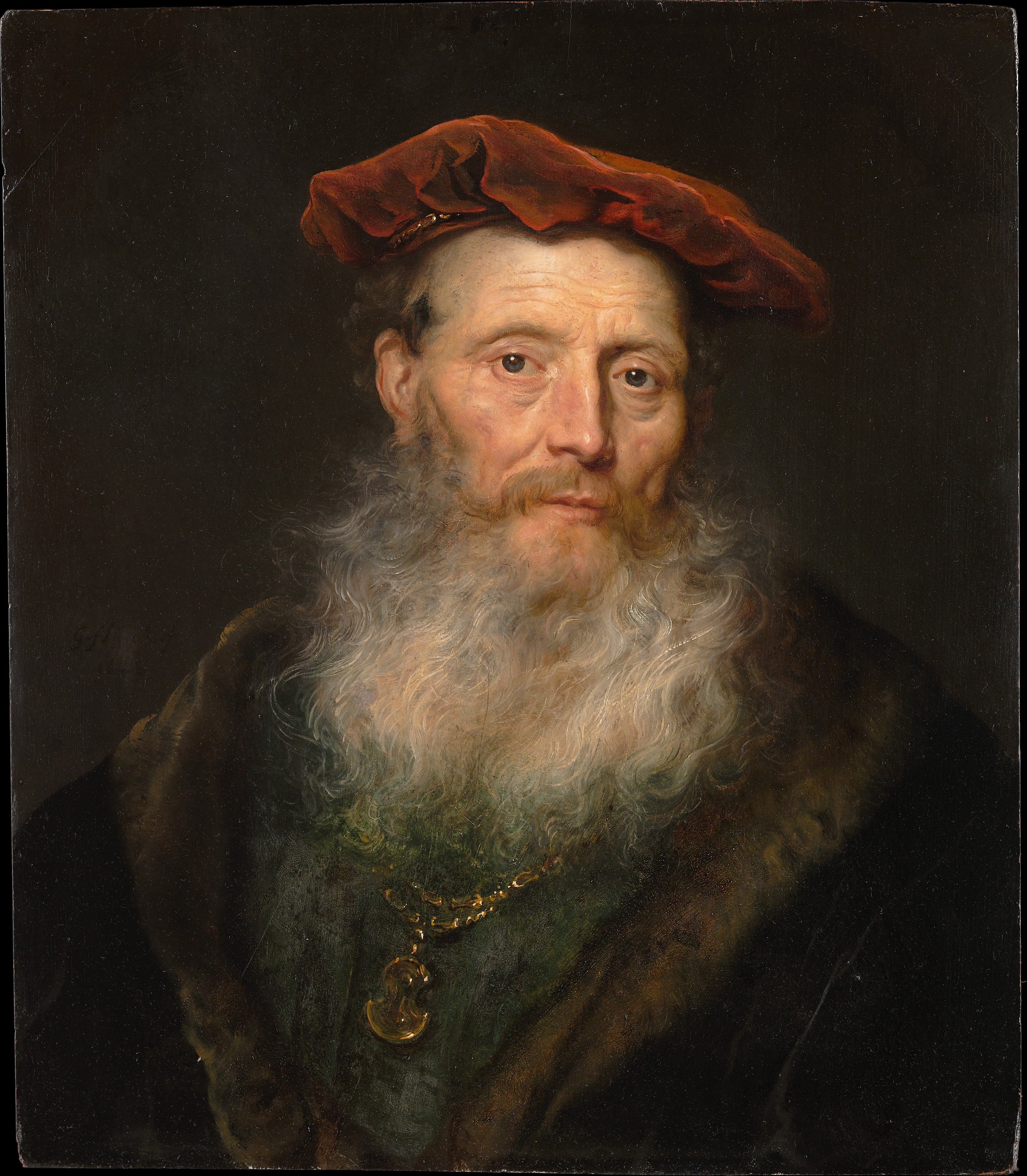
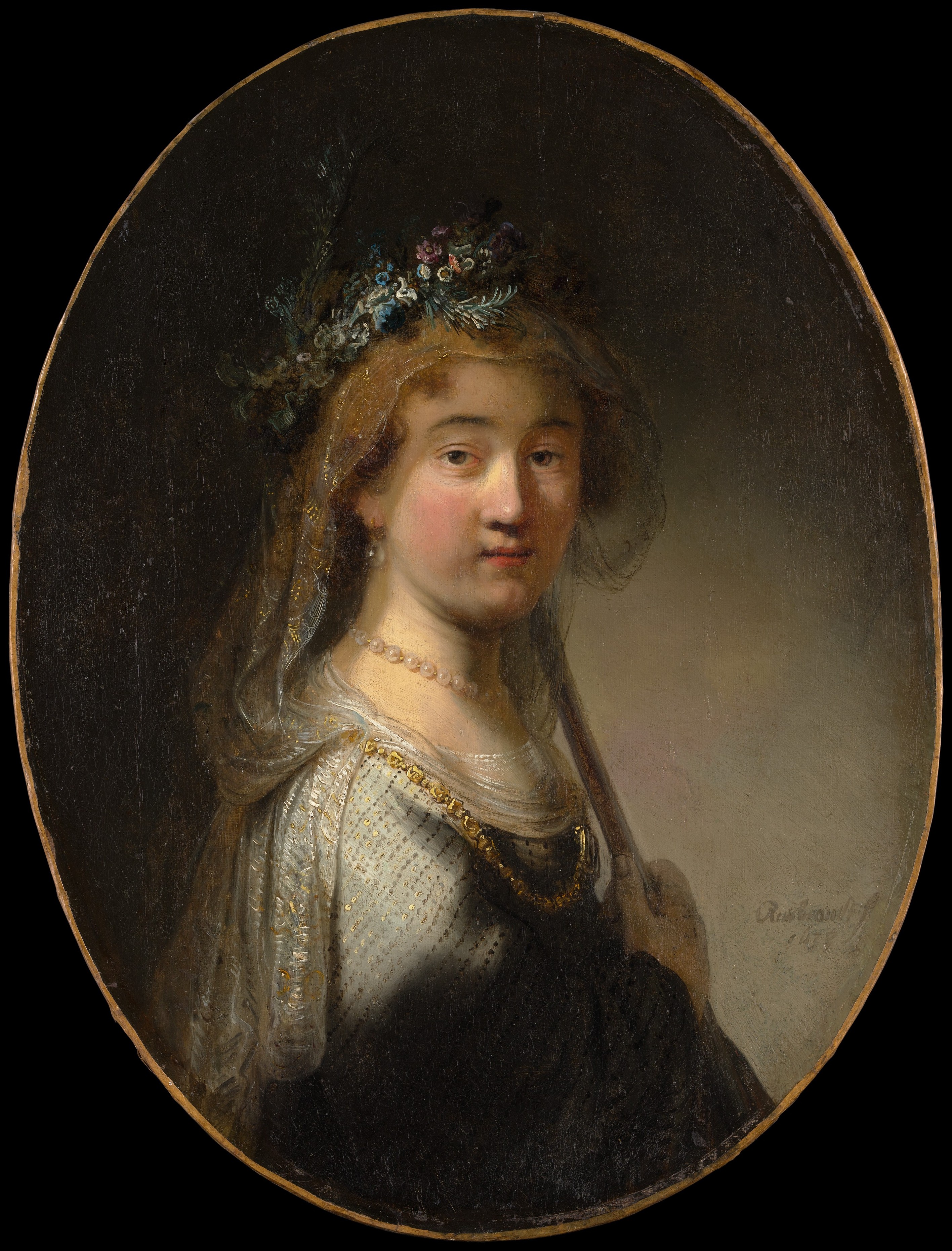
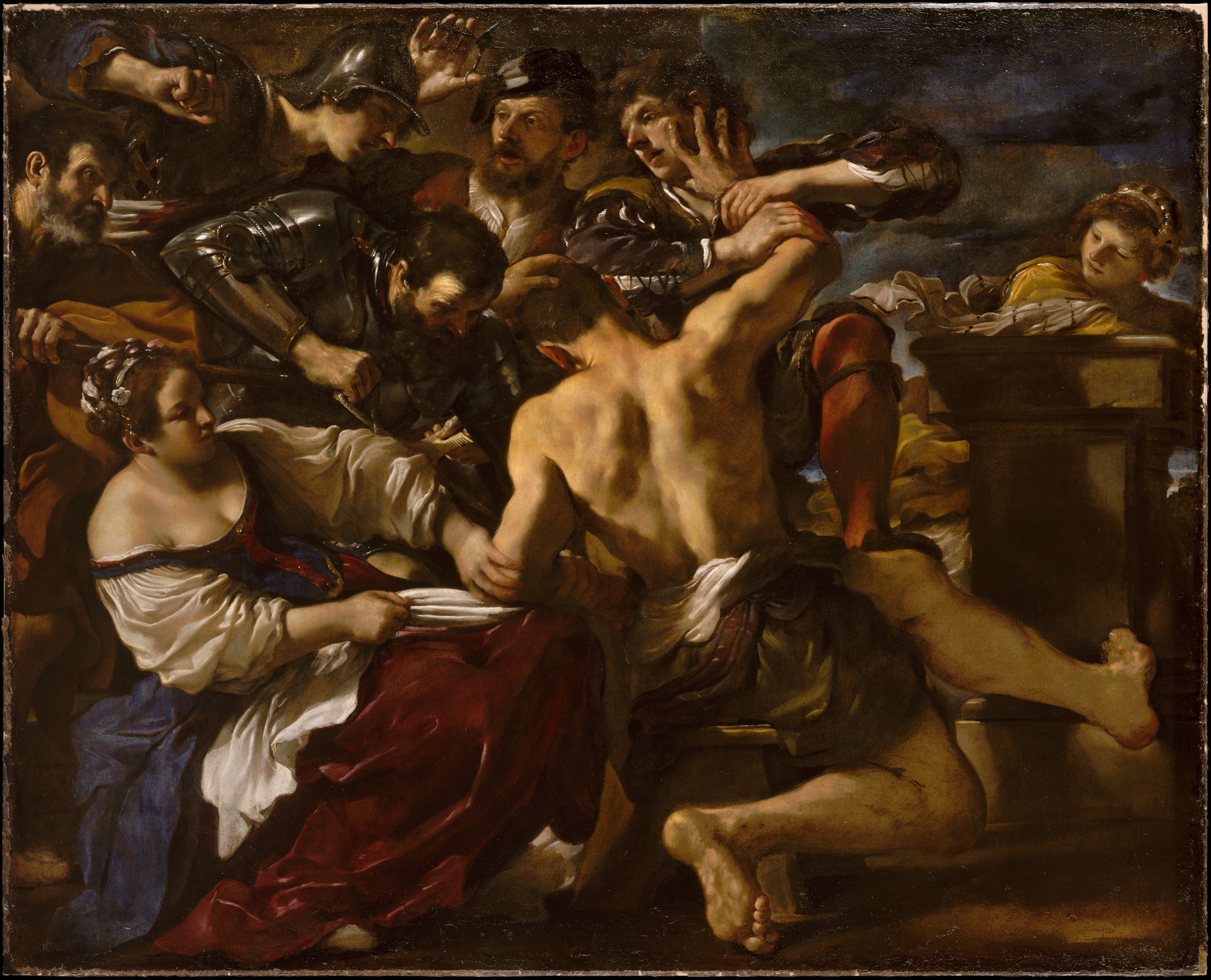
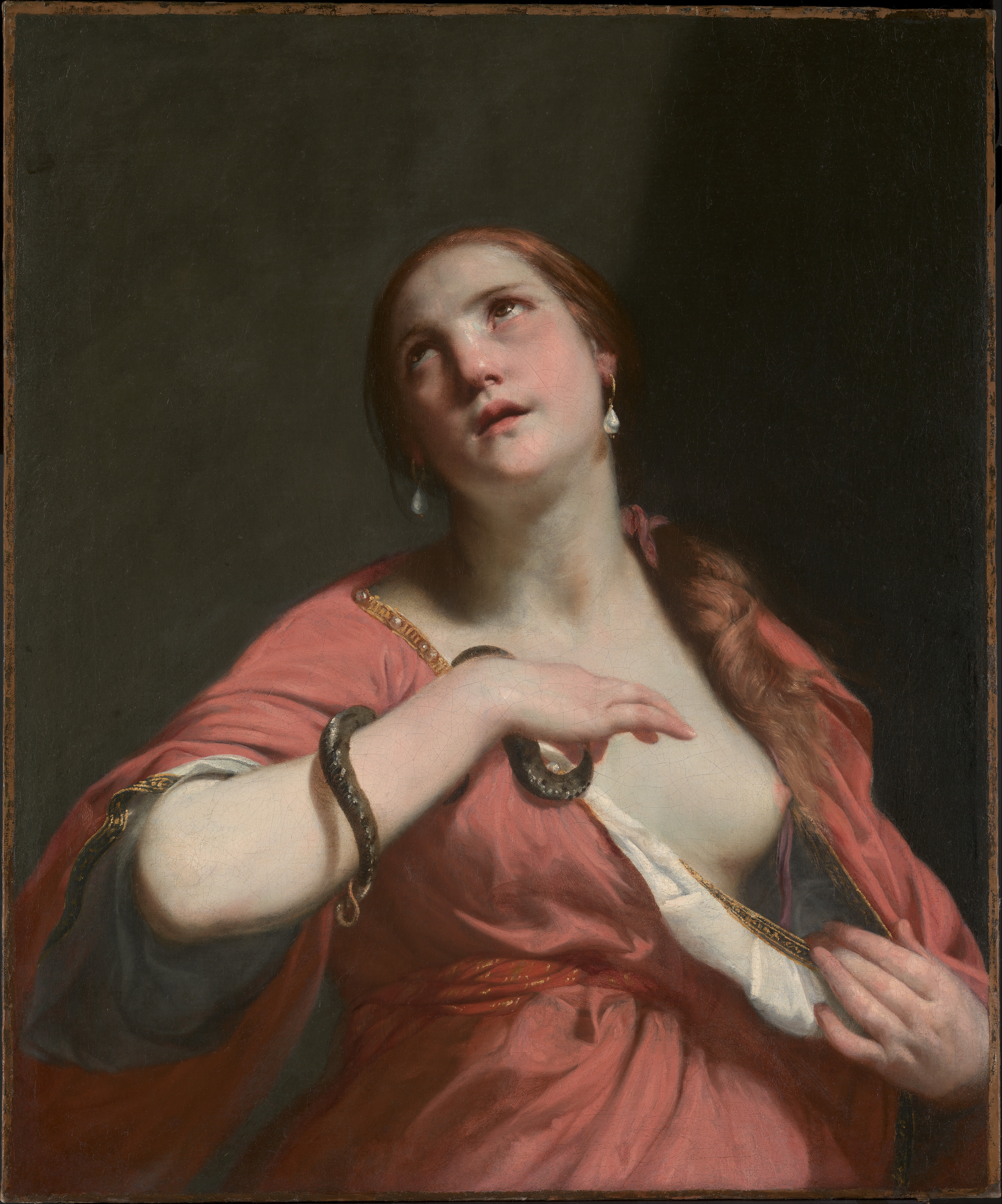

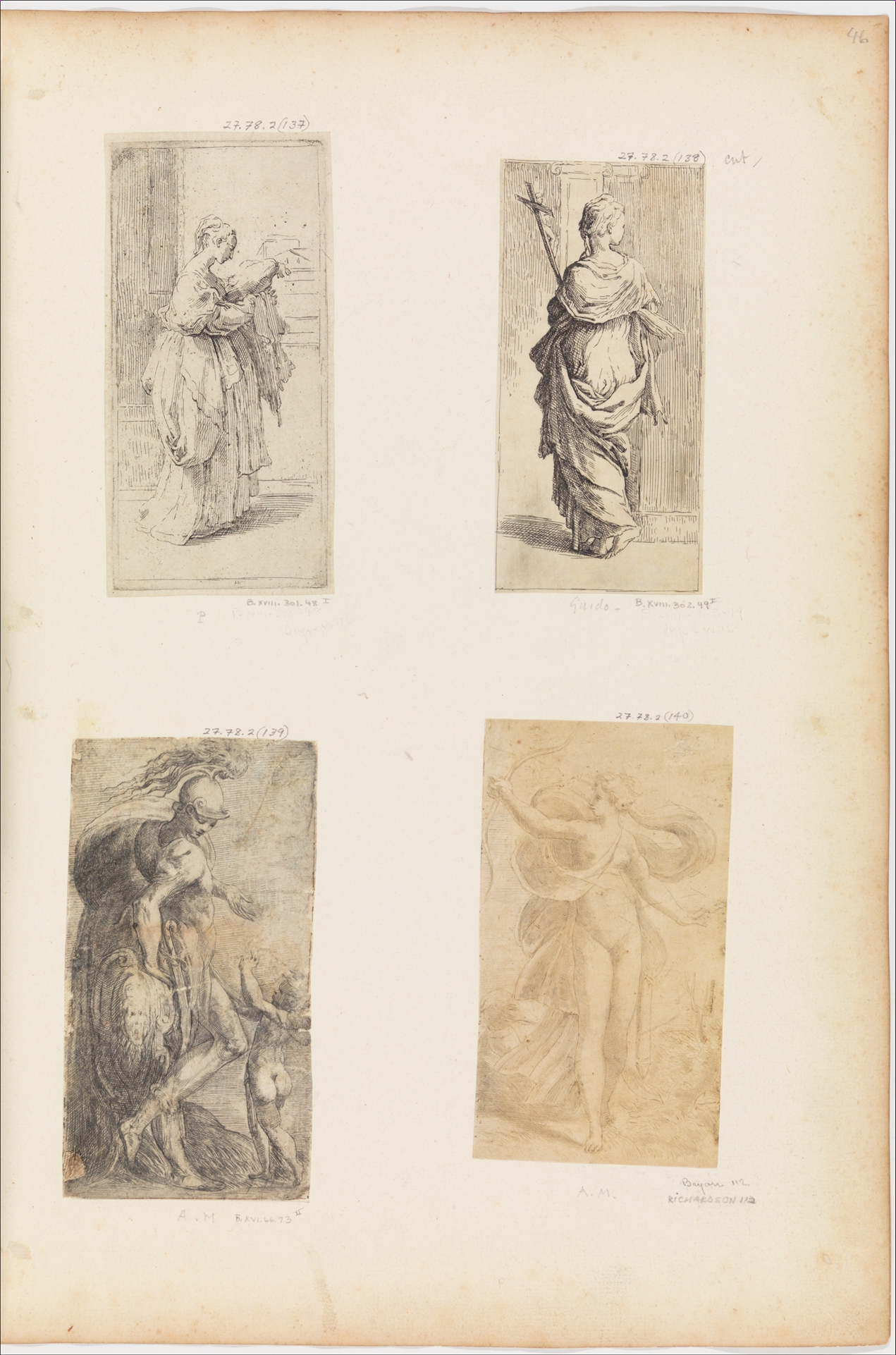
Girl carrying a crucifix and stepping toward a pilaster, seen from behind
Guido Reni
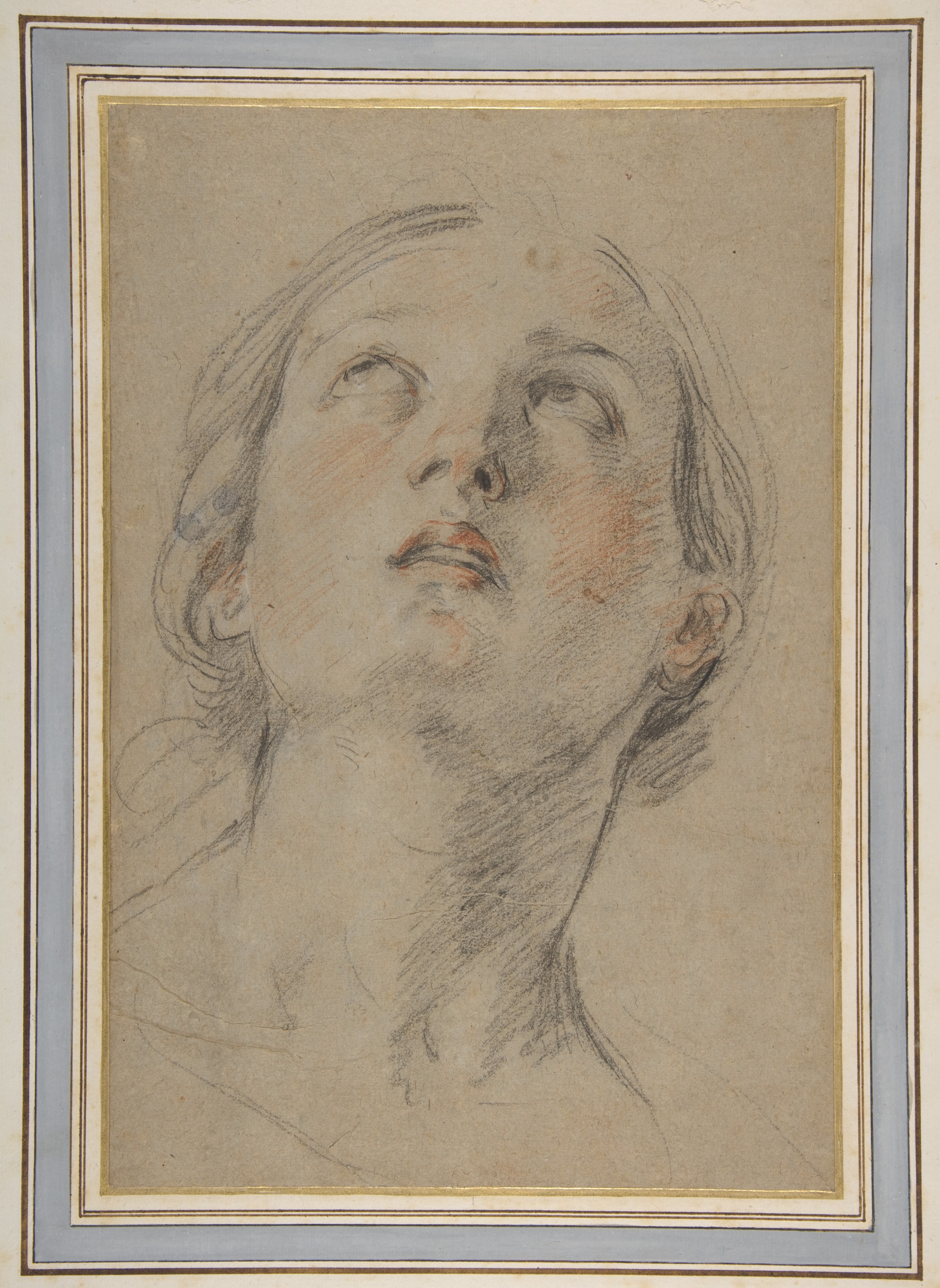
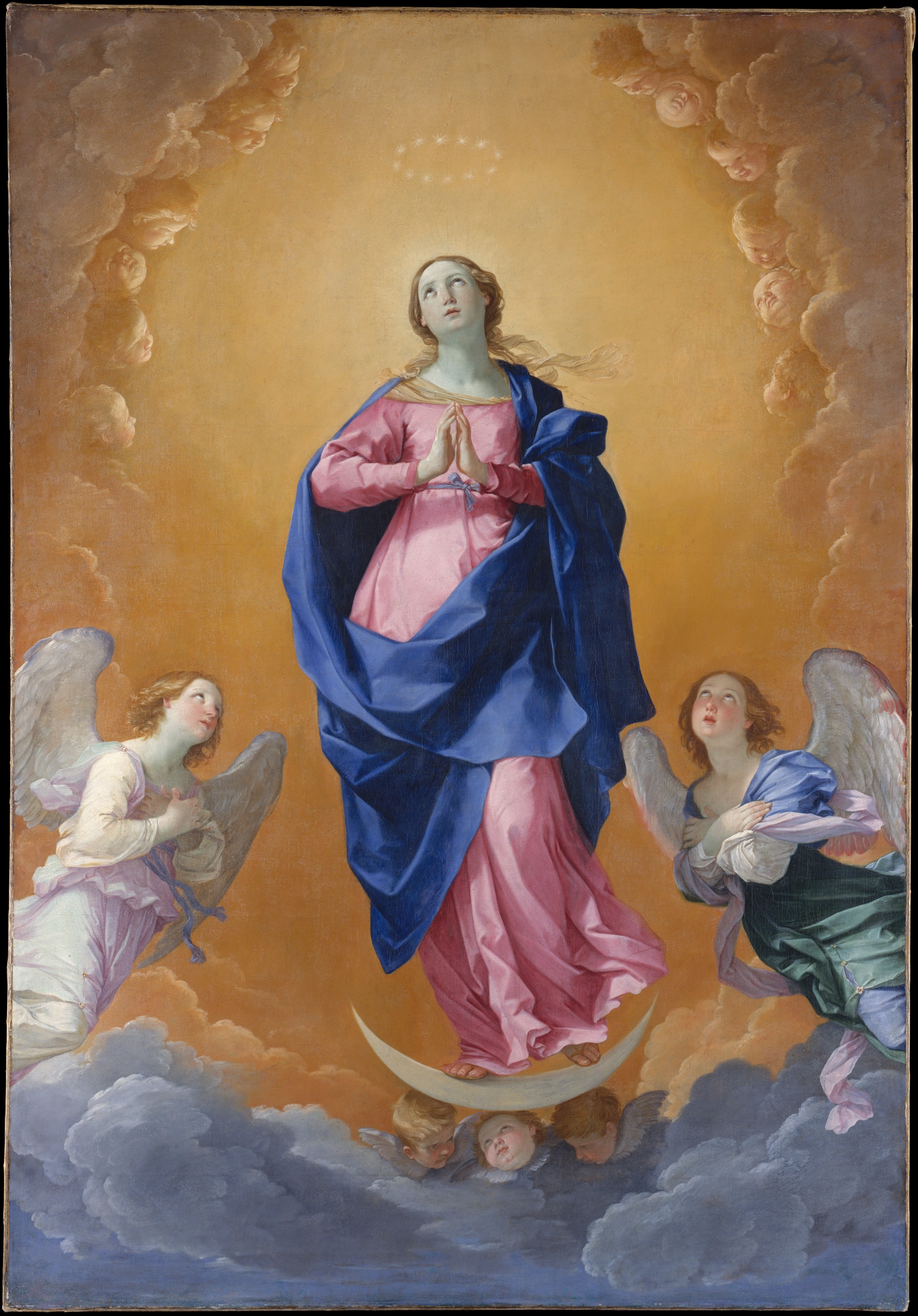
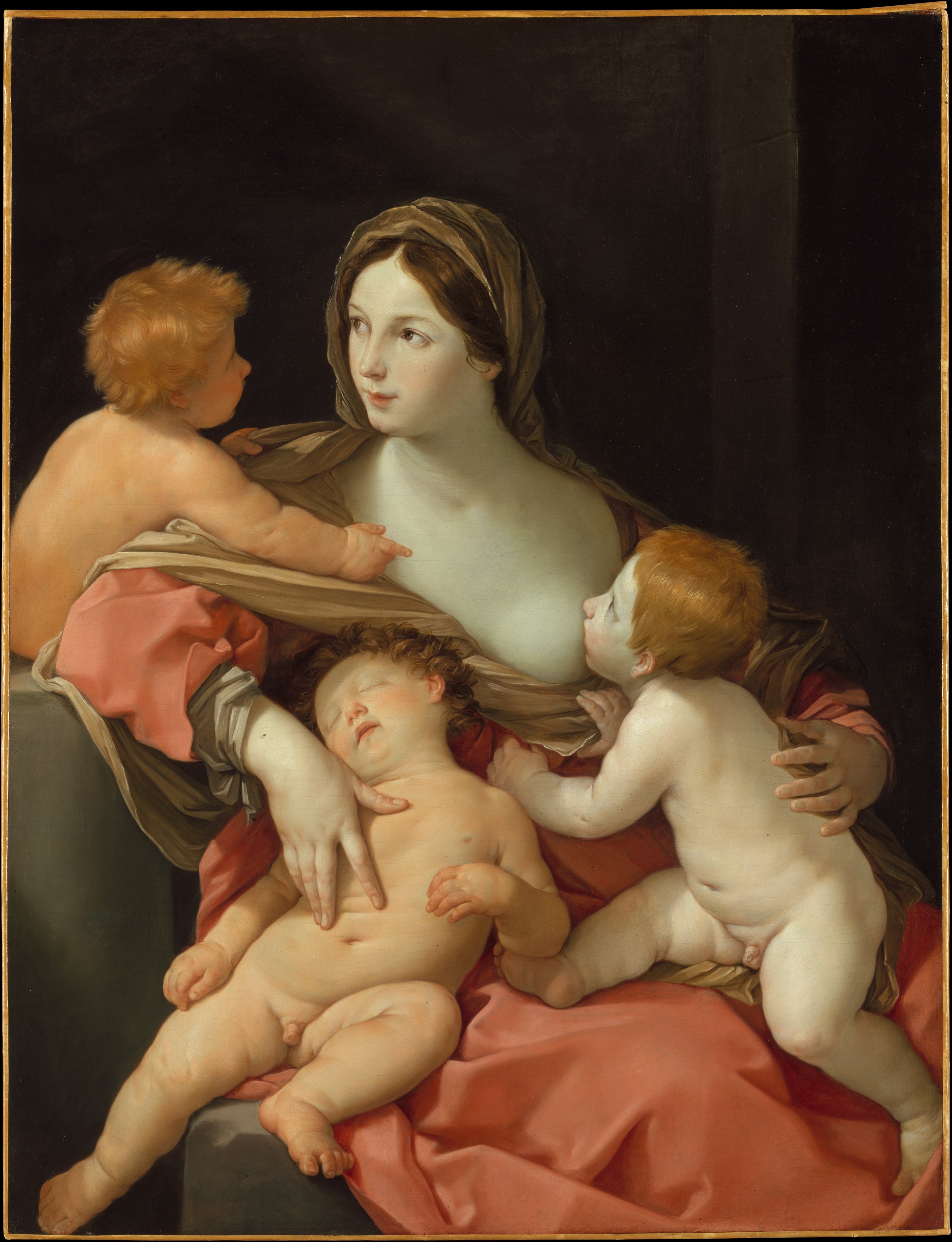
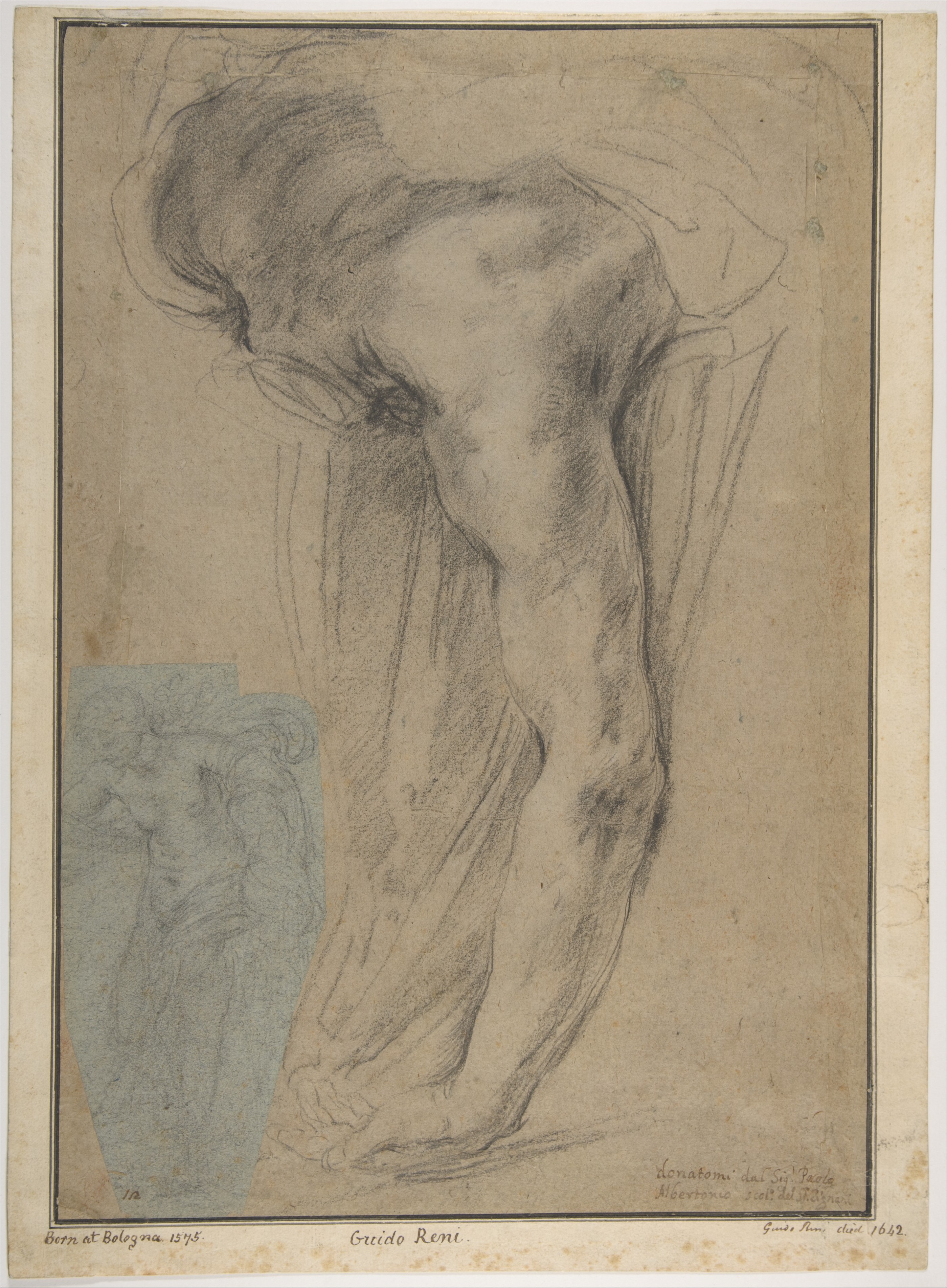
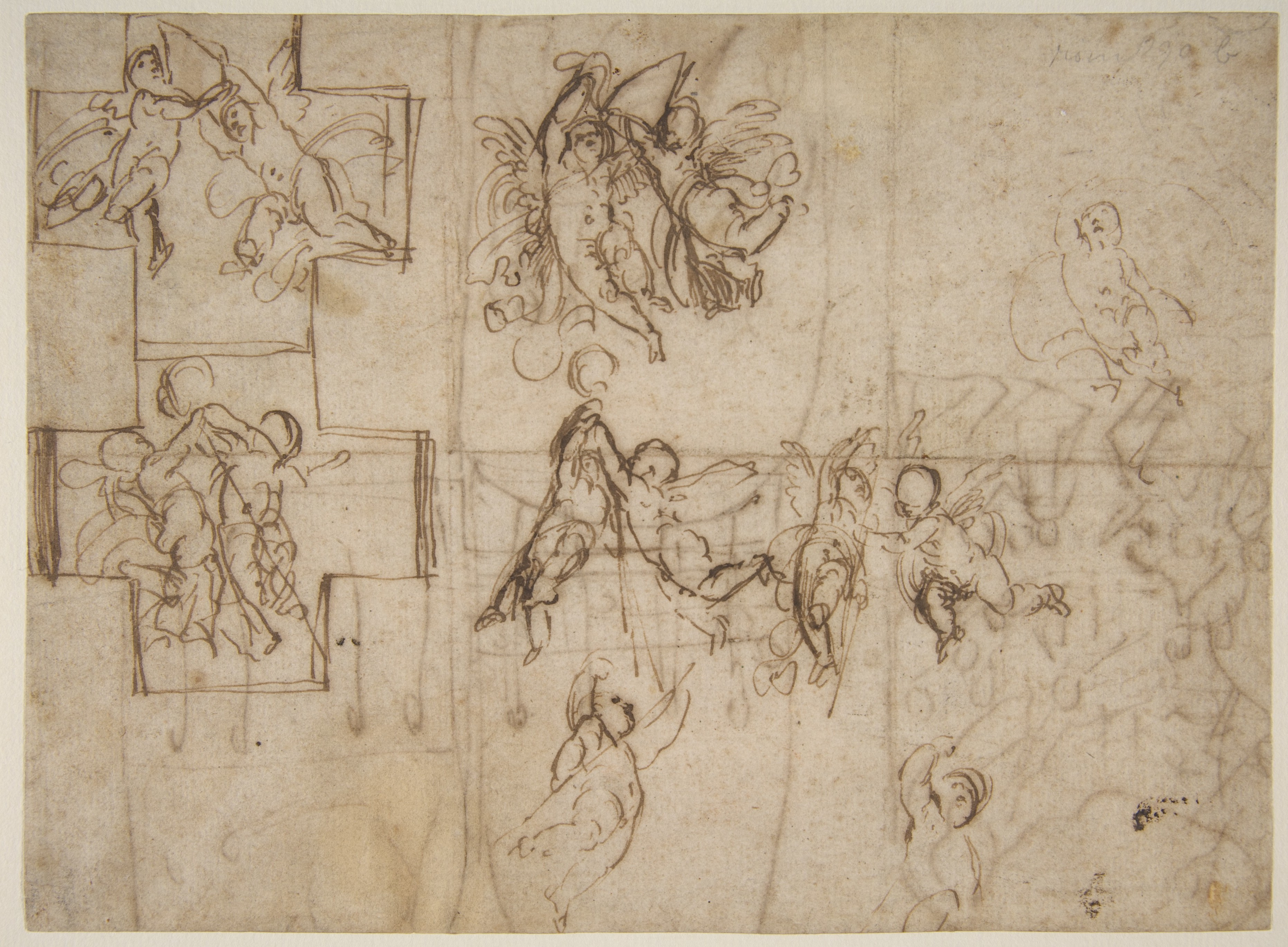
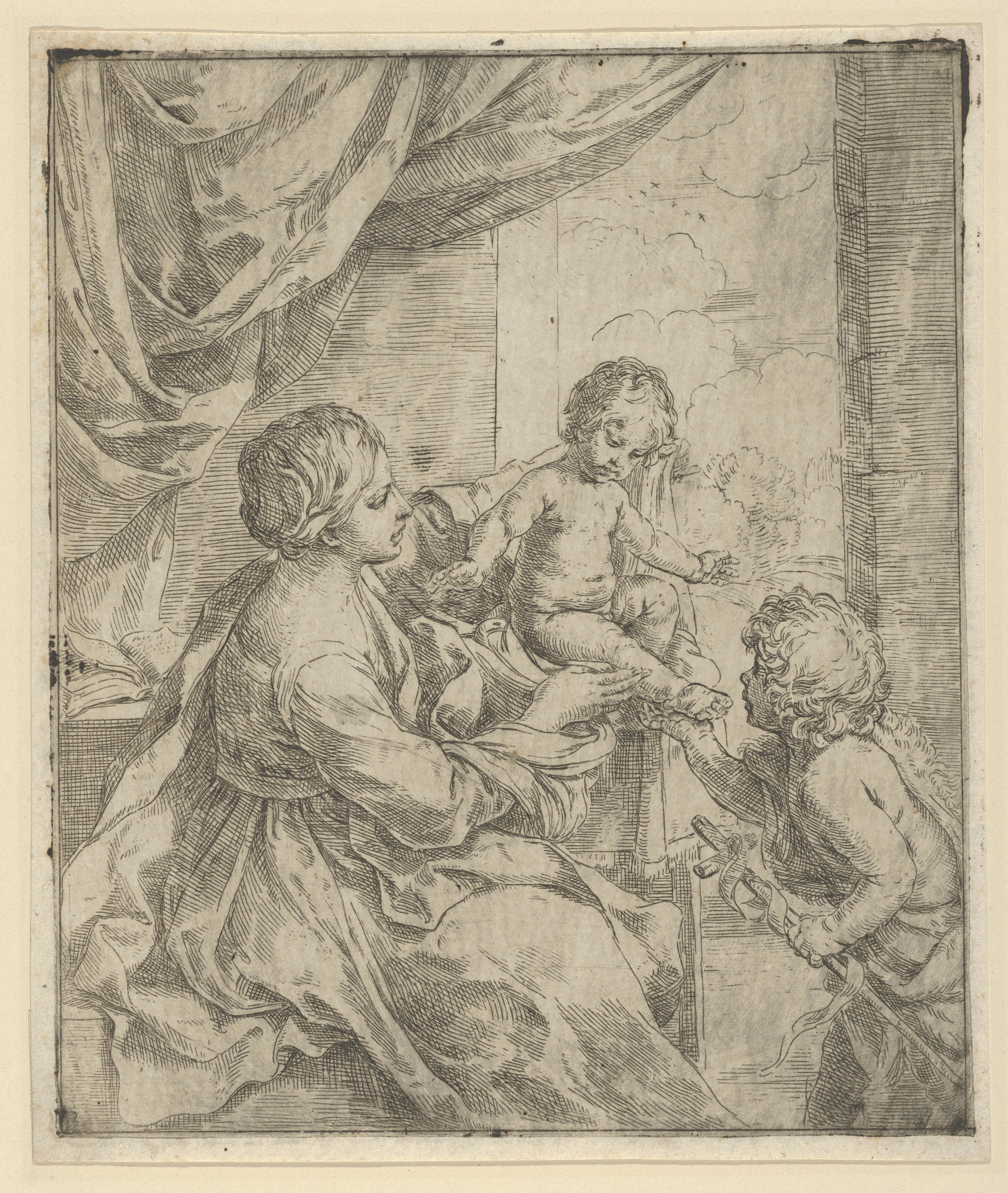
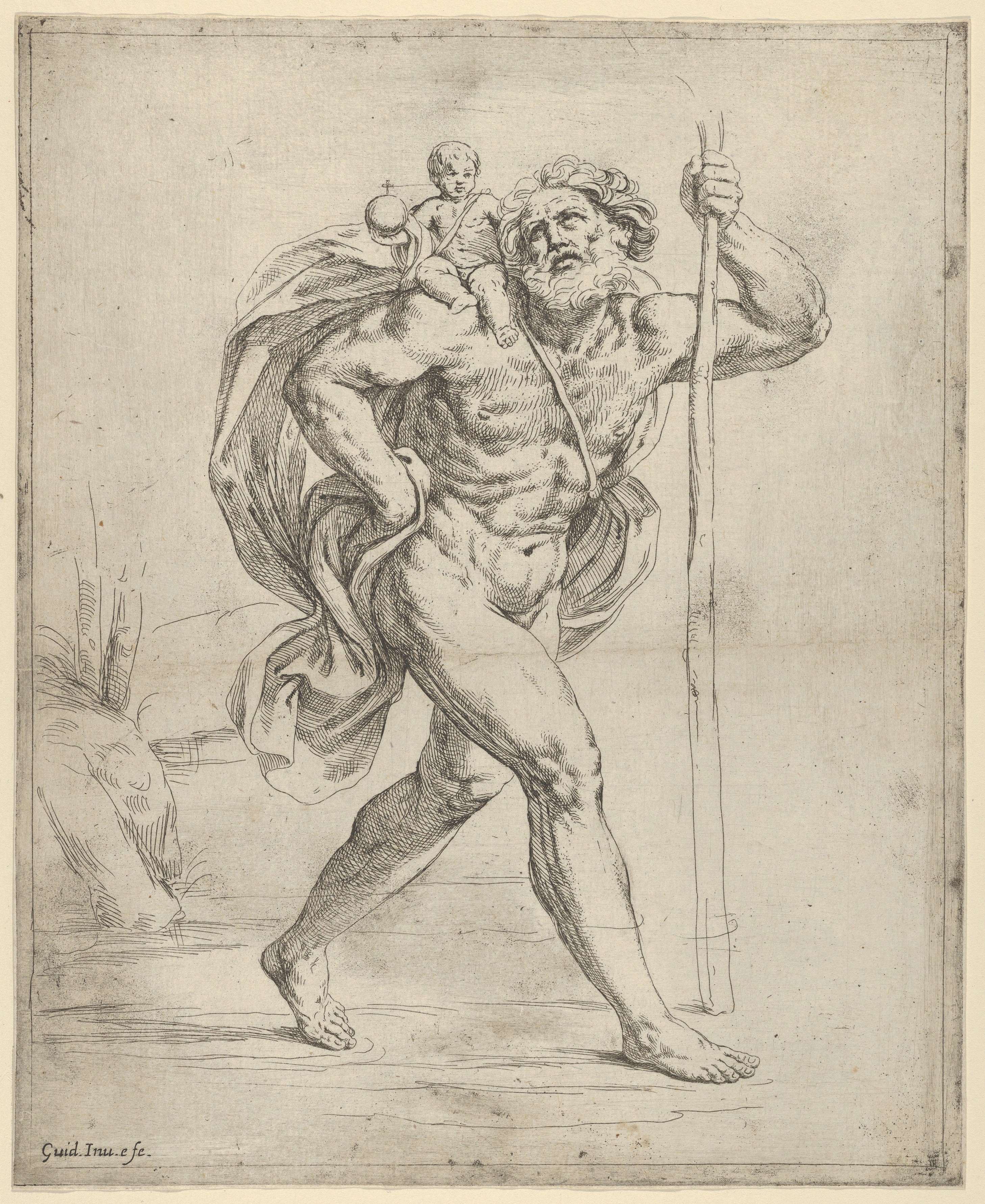
Saint Christopher walking with the infant Christ on his right shoulder
Guido Reni
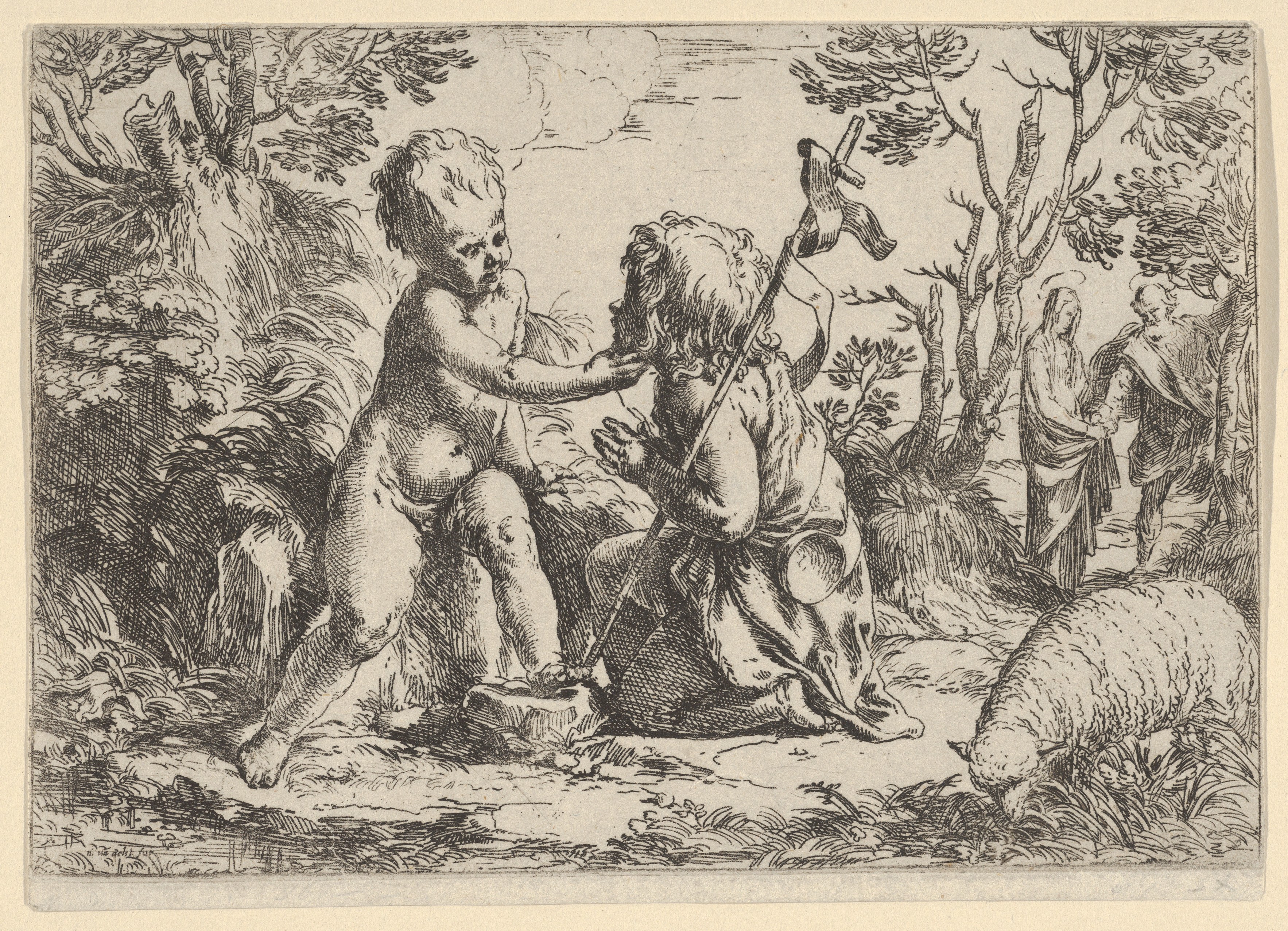
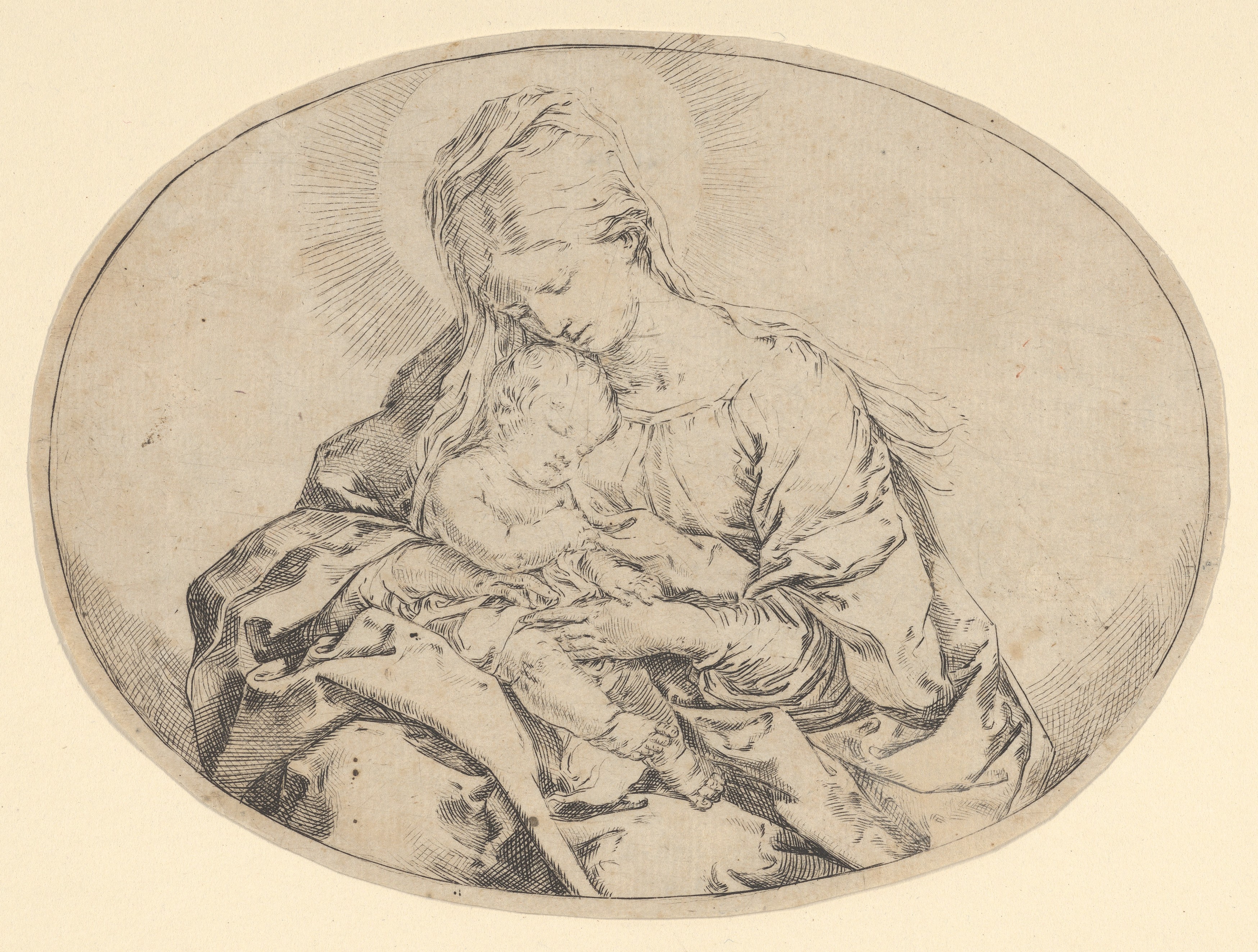

Saint Jerome kneeling on a rock in front of a cross and an open book facing left
Guido Reni
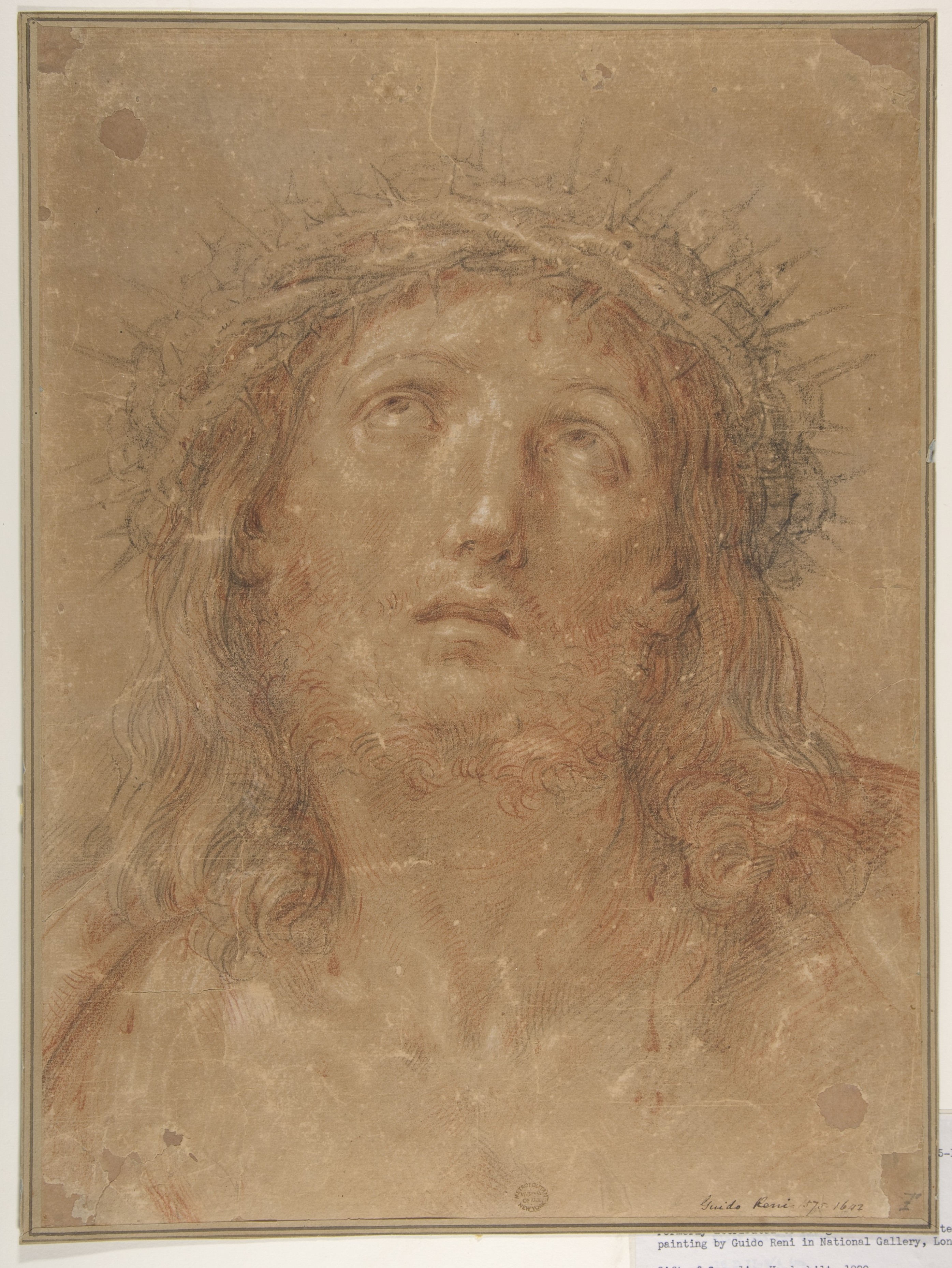
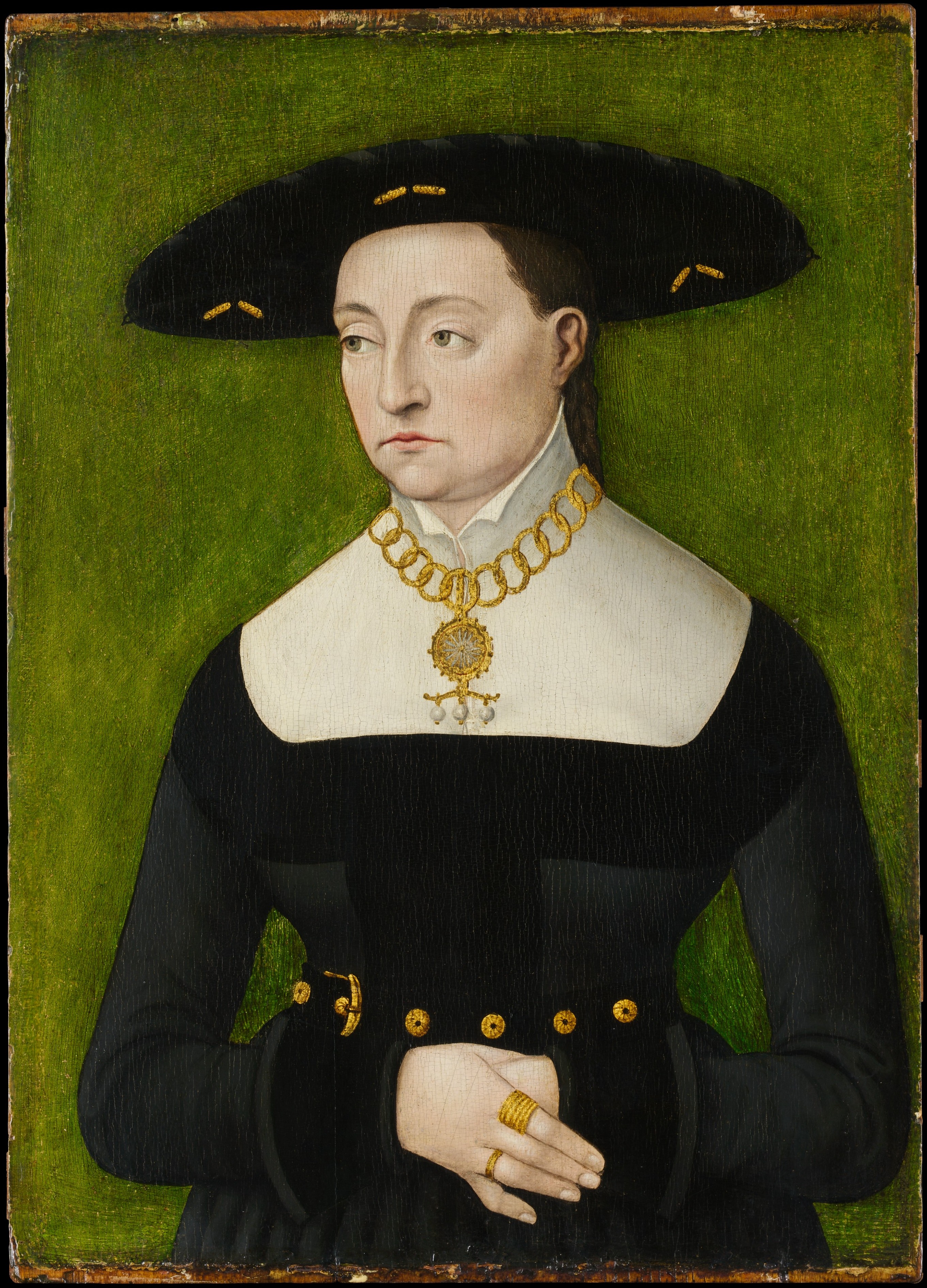
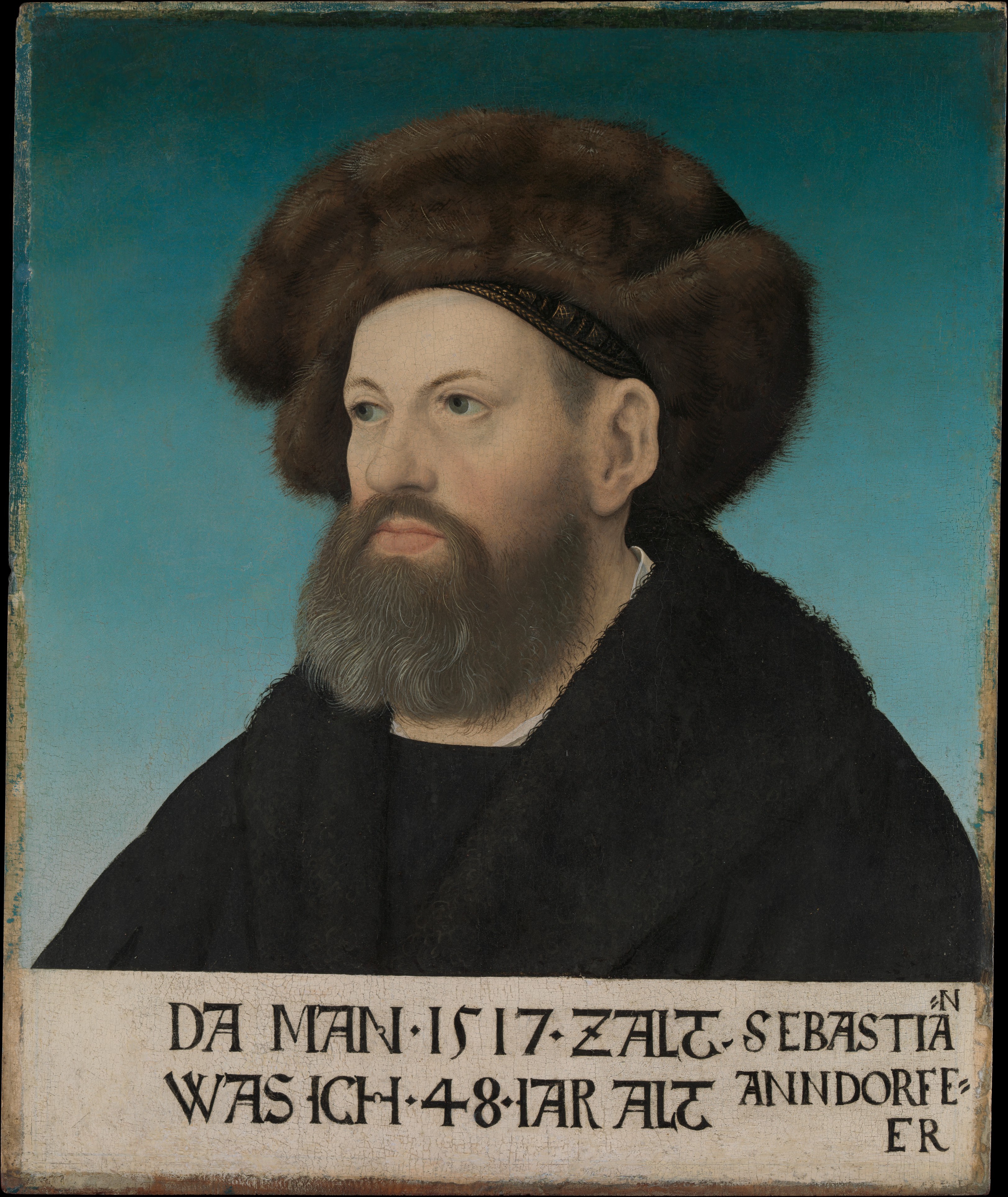
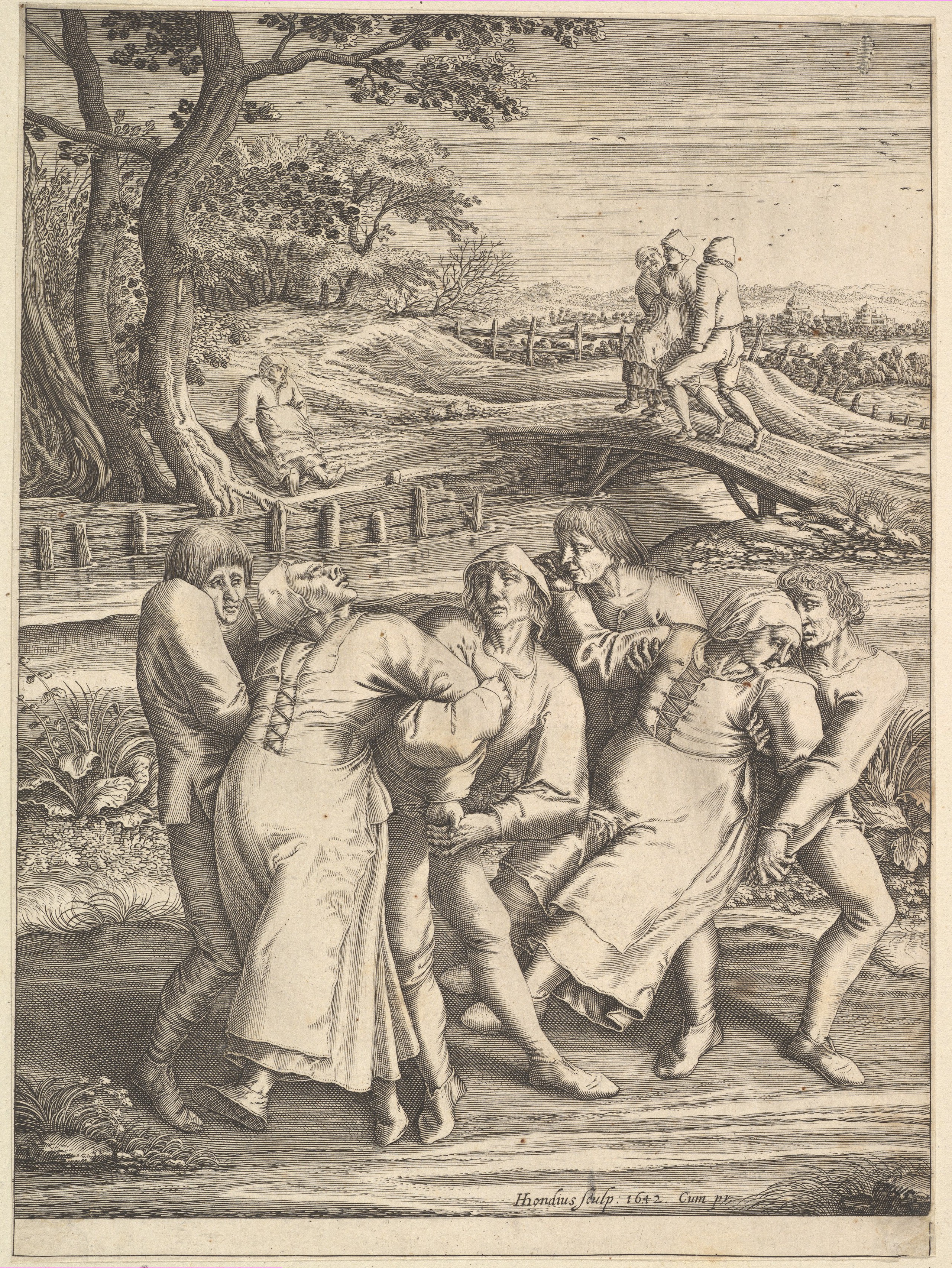
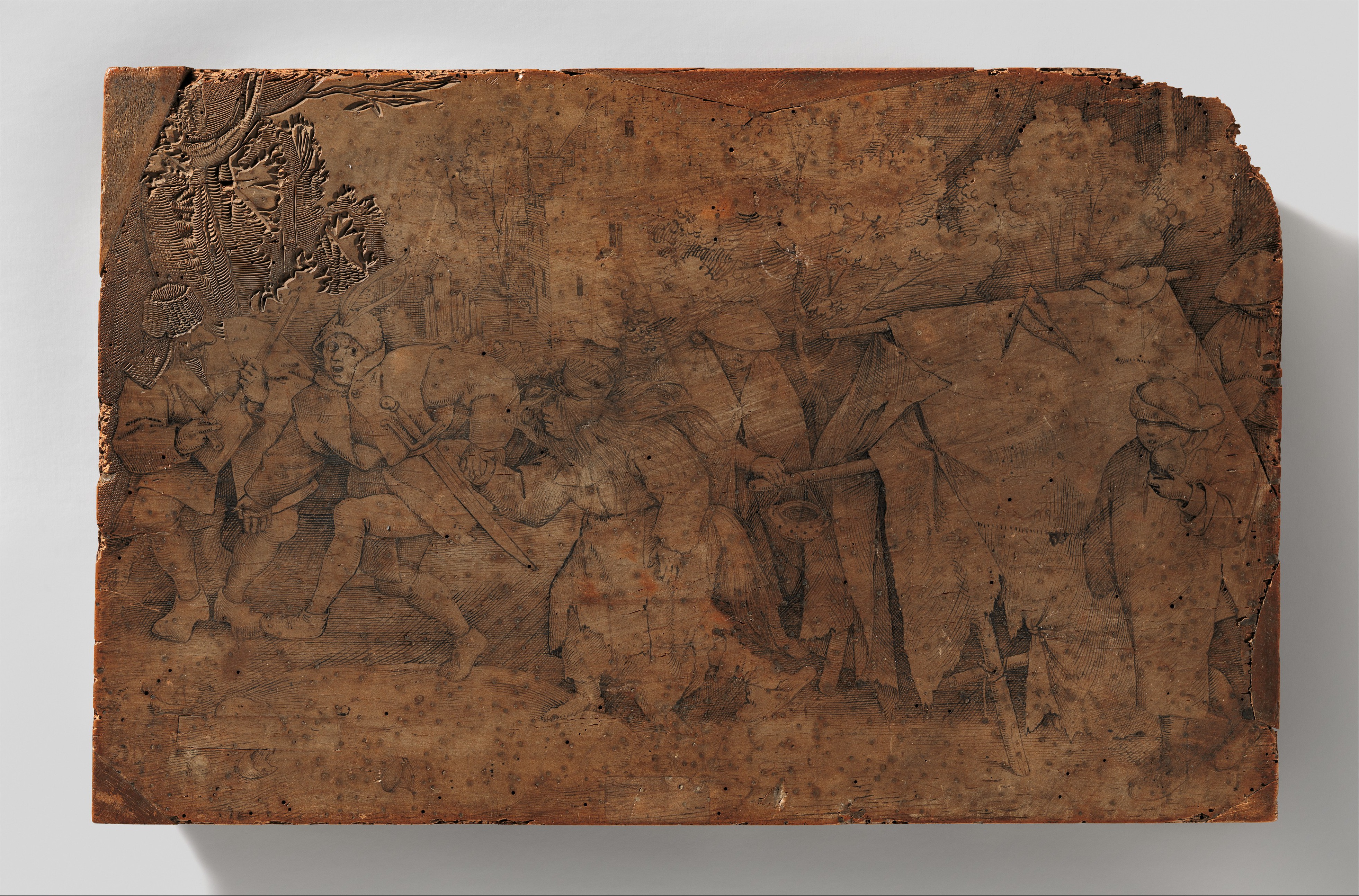
Epileptics Walking to the Left from Pilgrimage of the Epileptics to the Church at Molenbeeck
Hendrick Hondius I
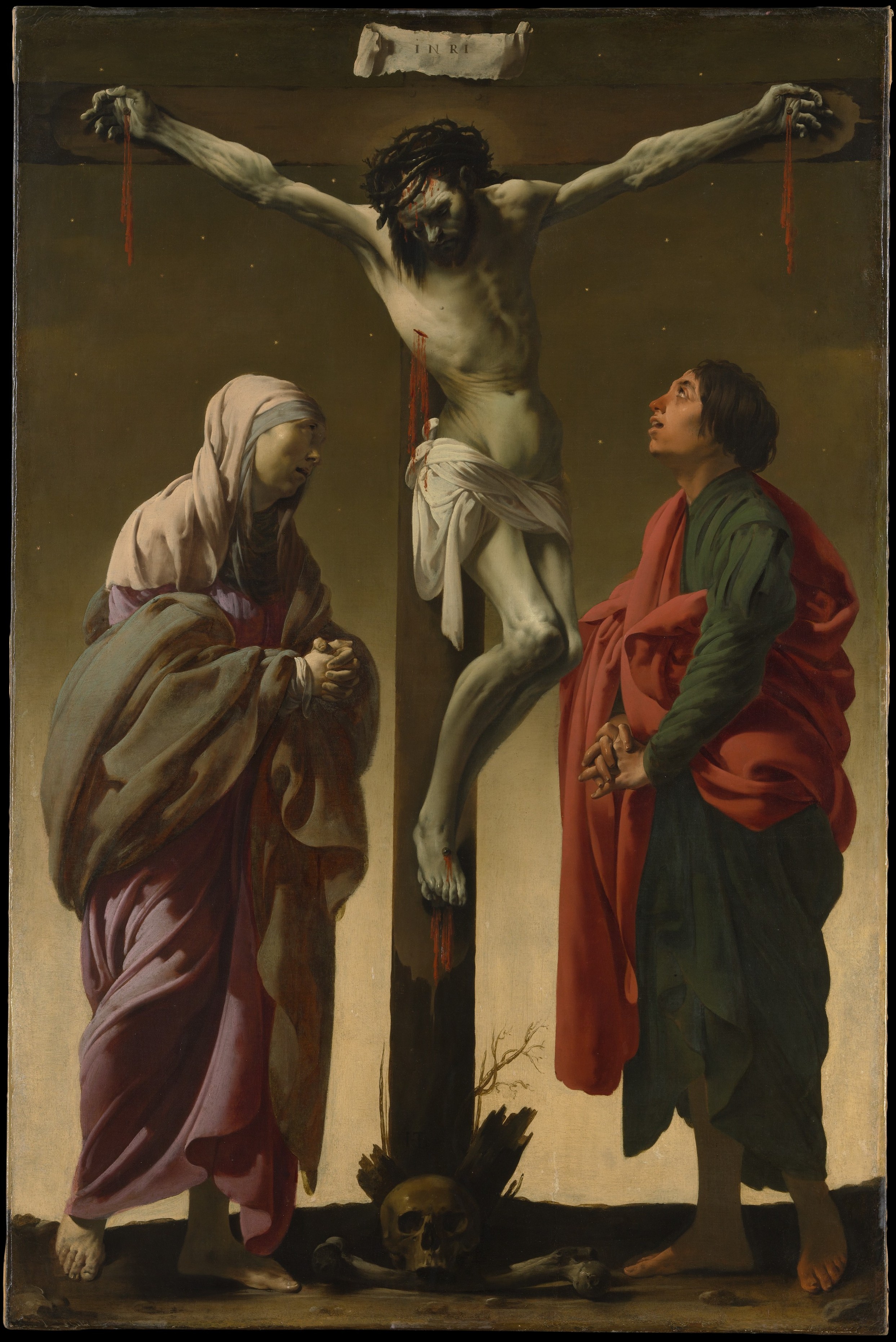
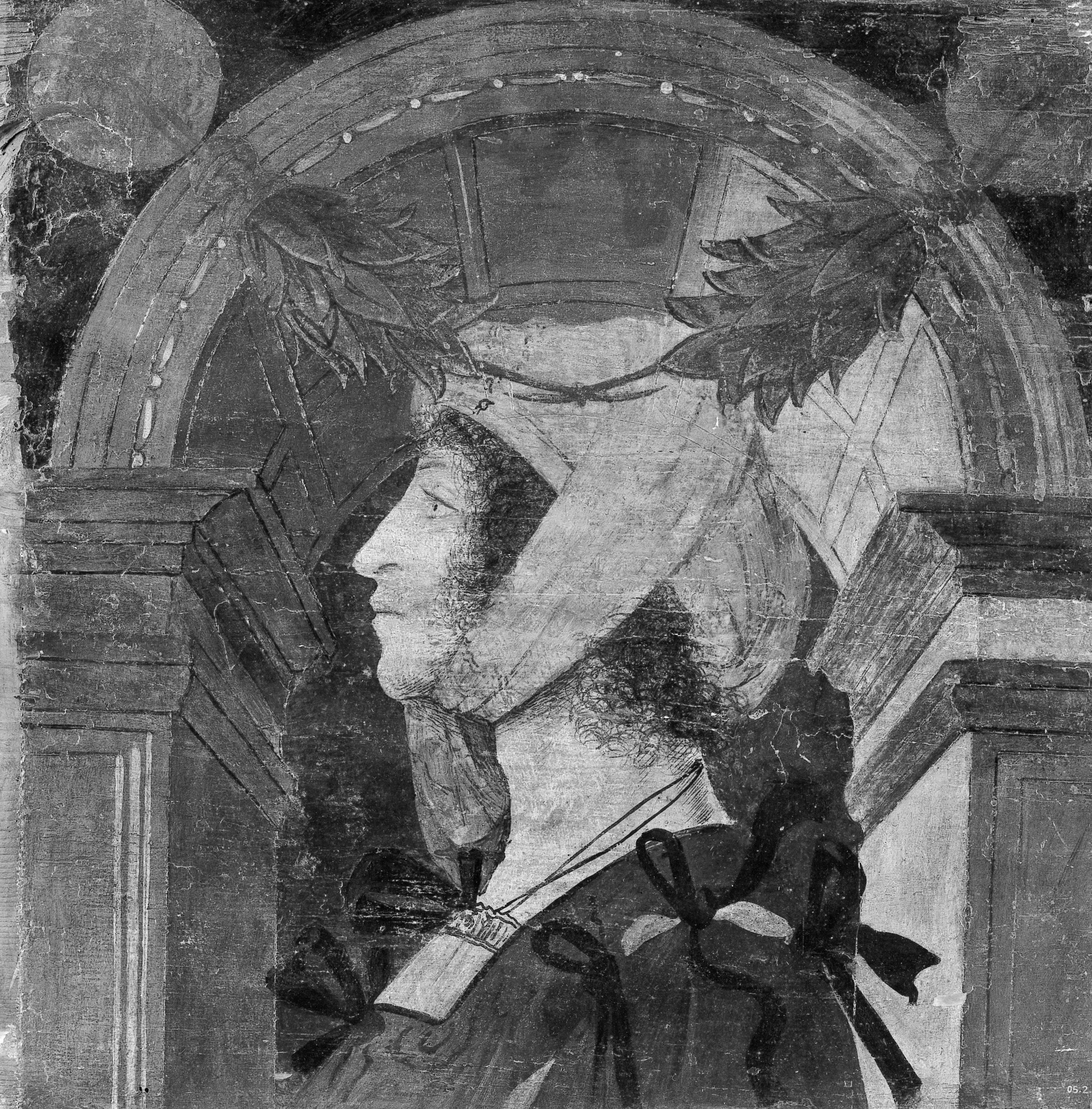
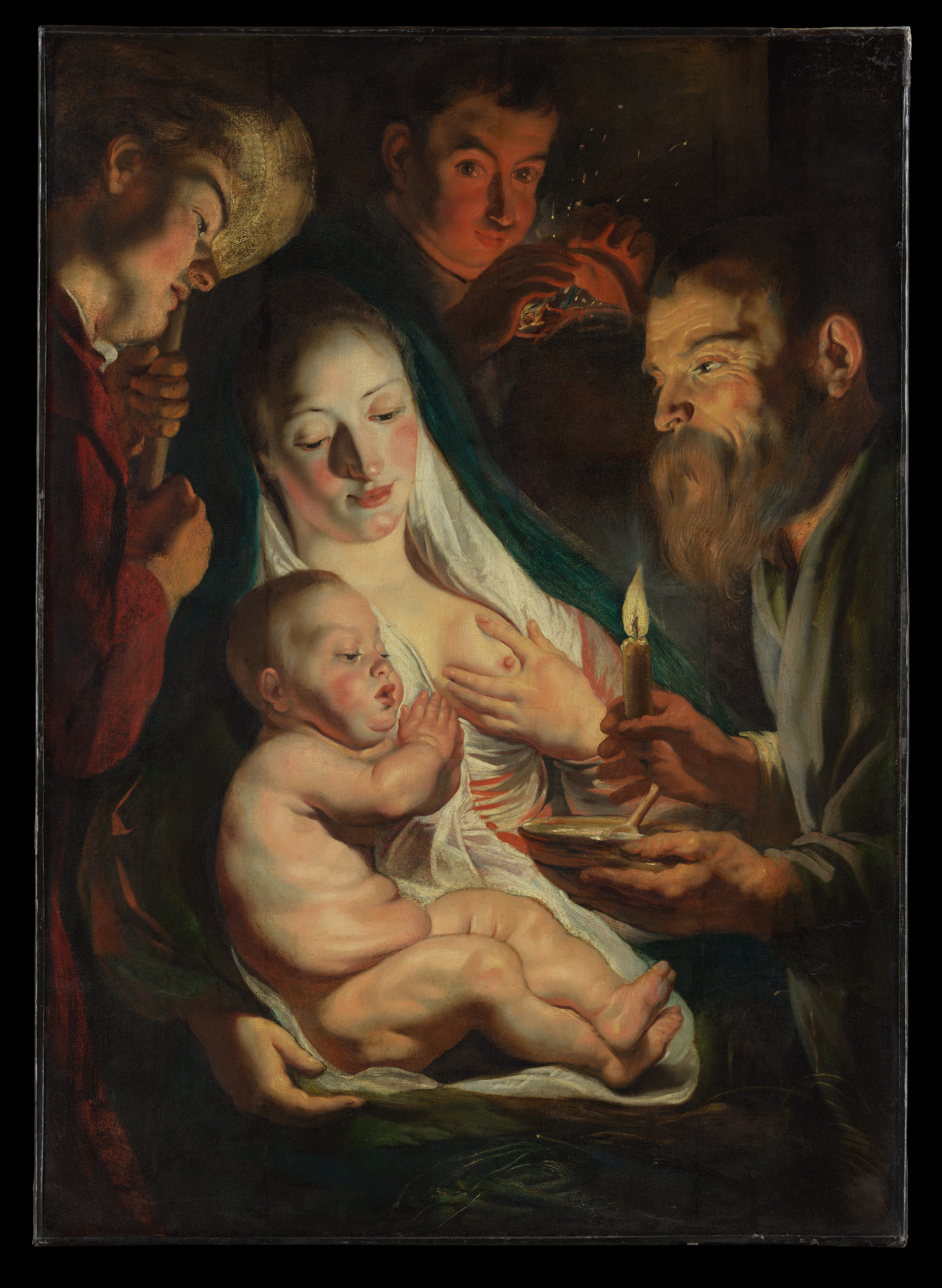
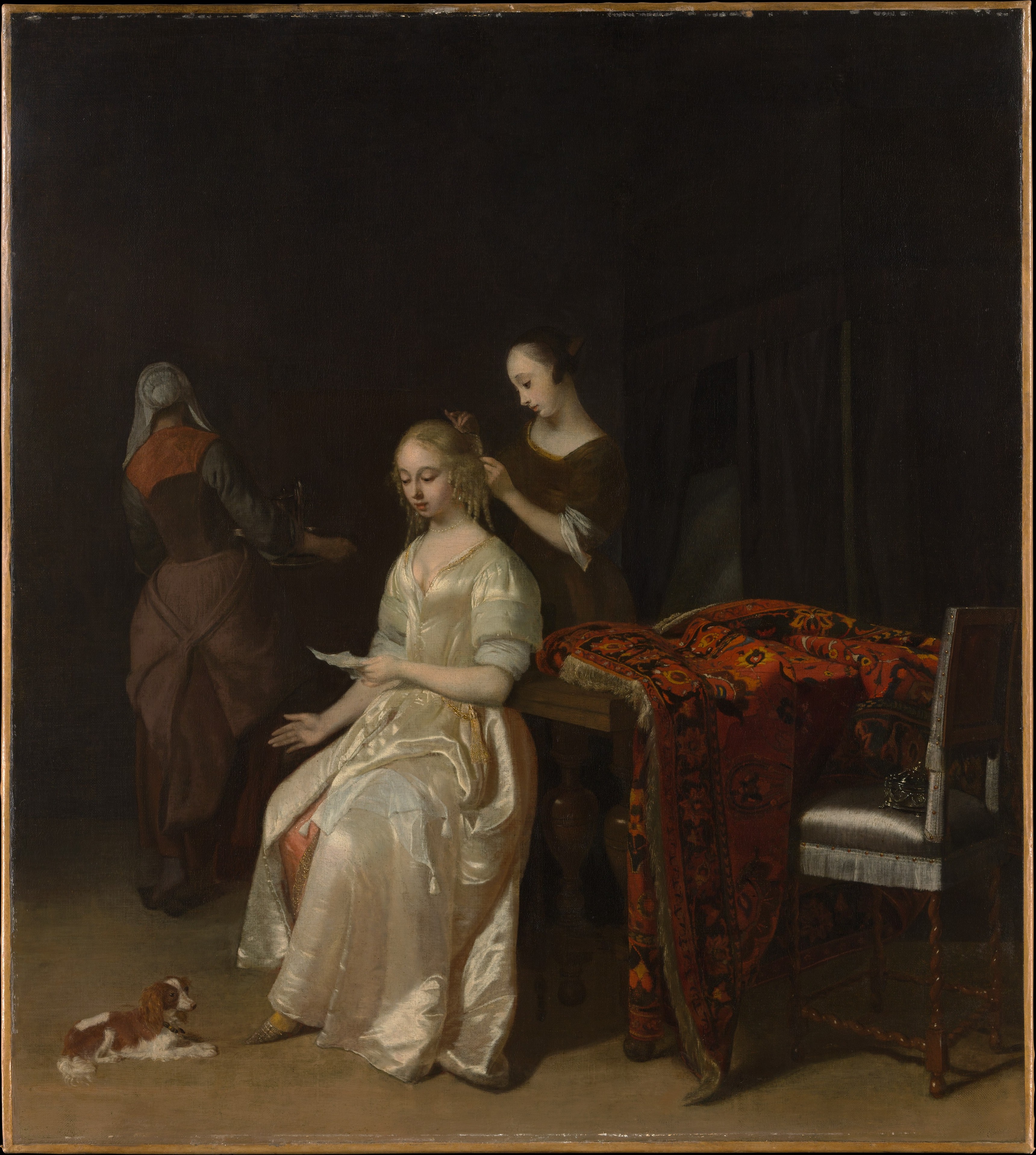

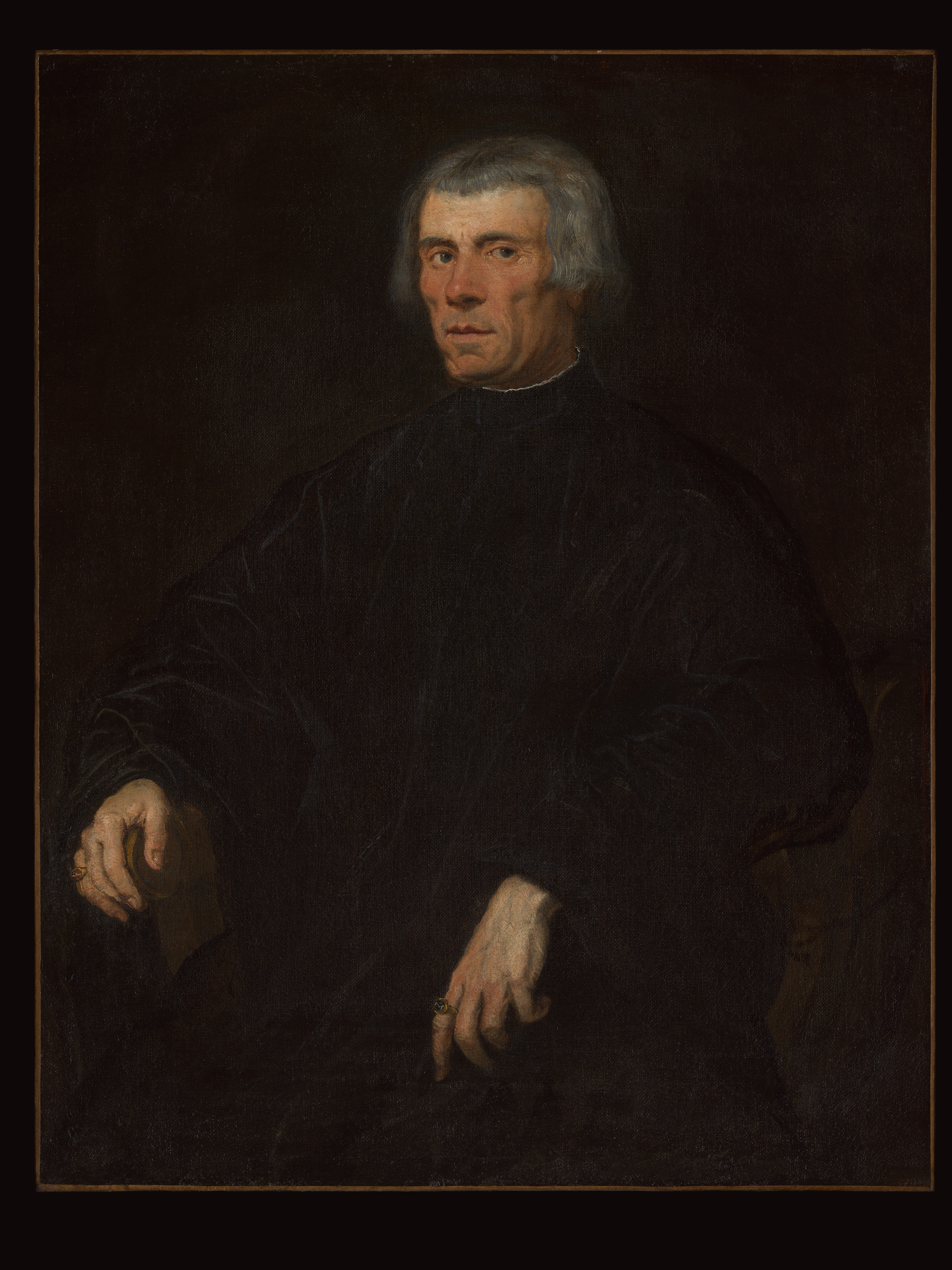
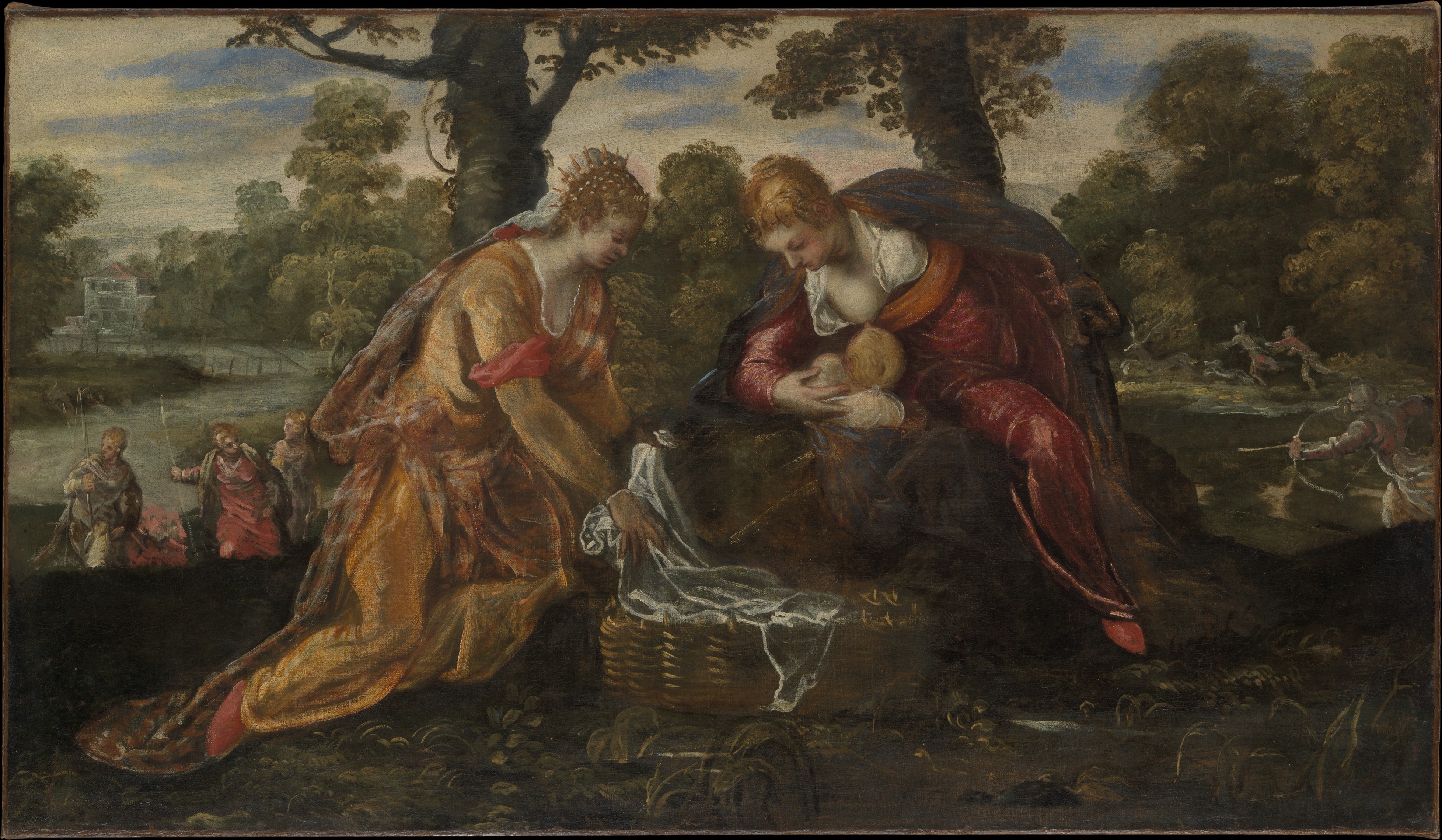
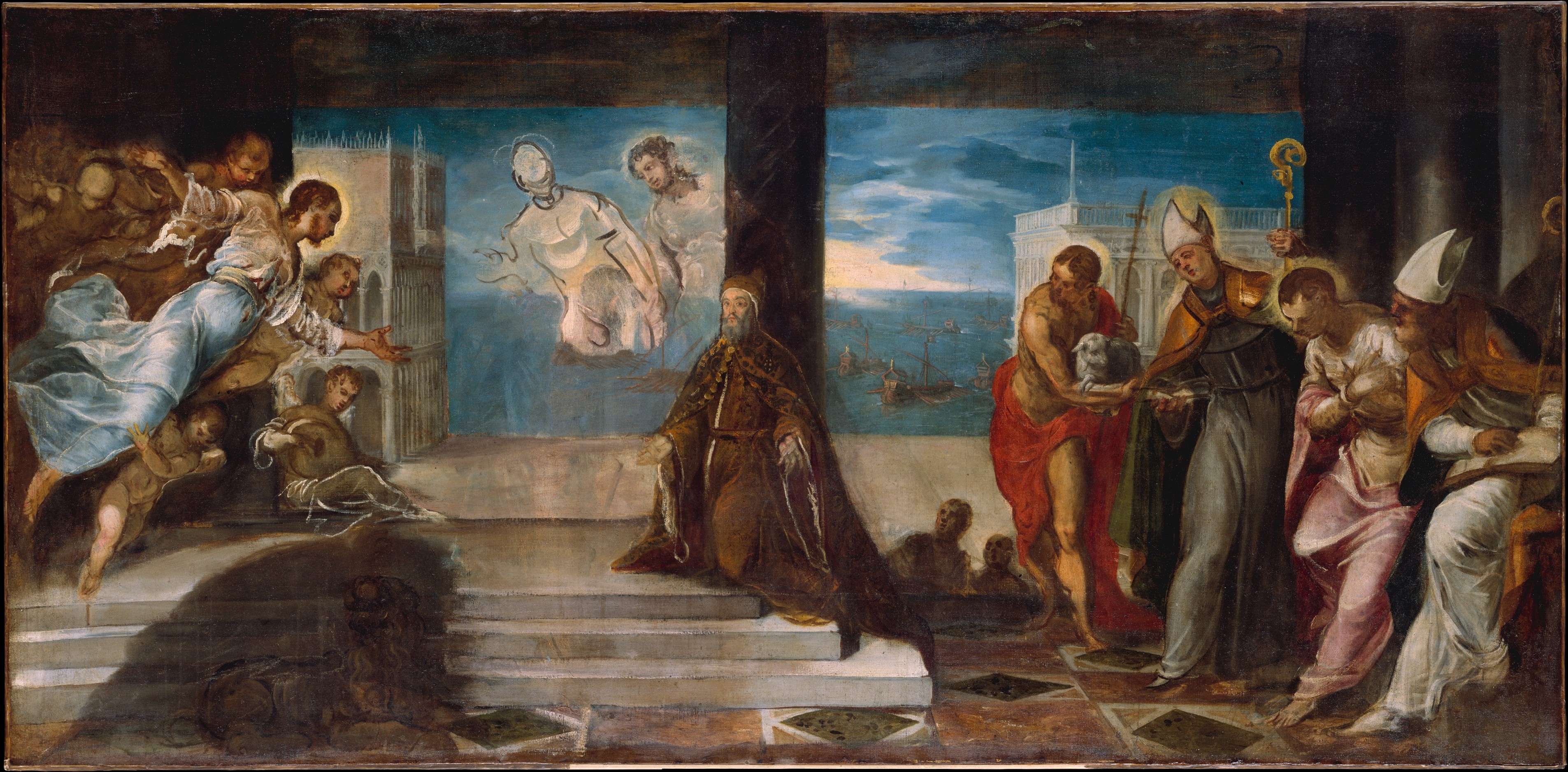
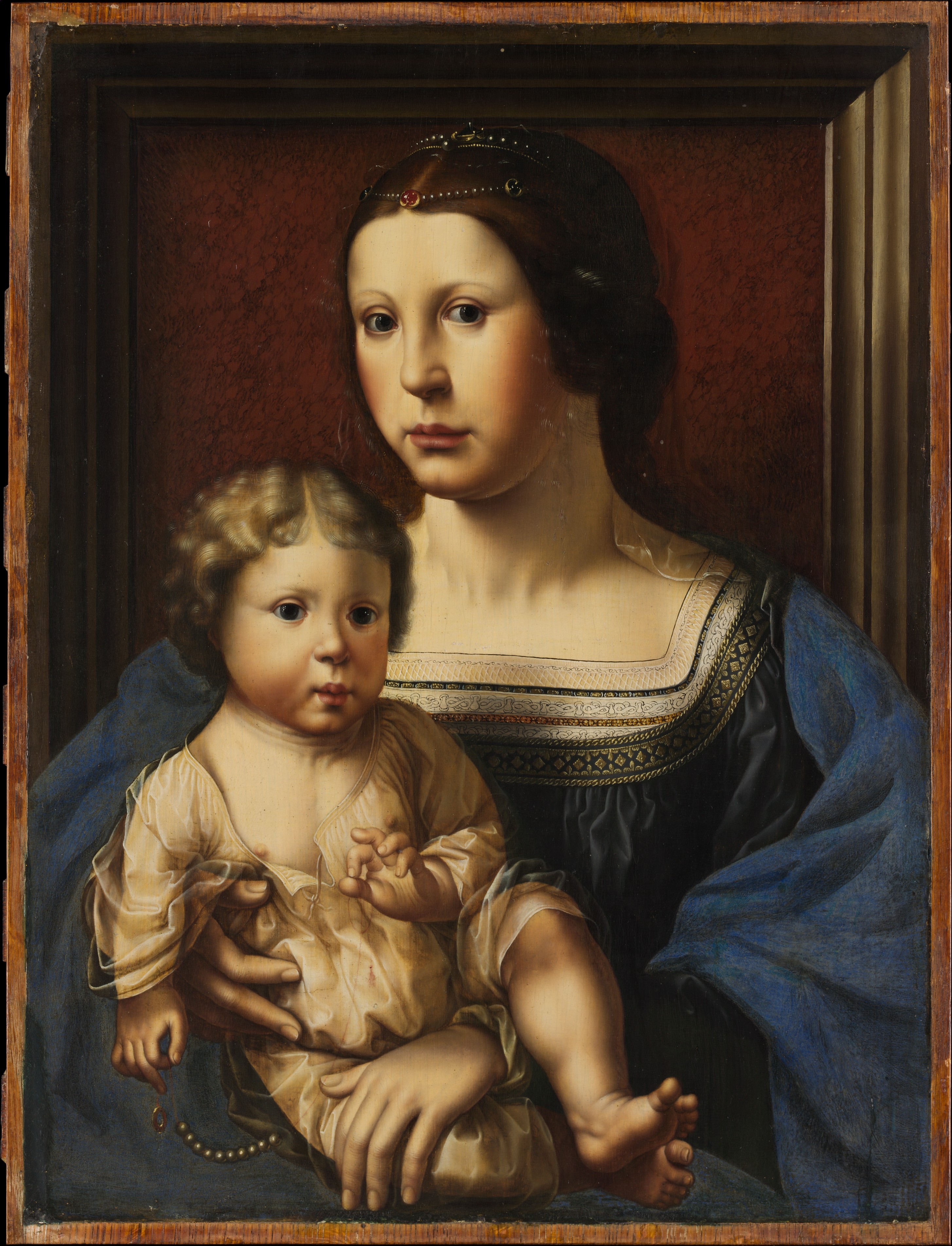
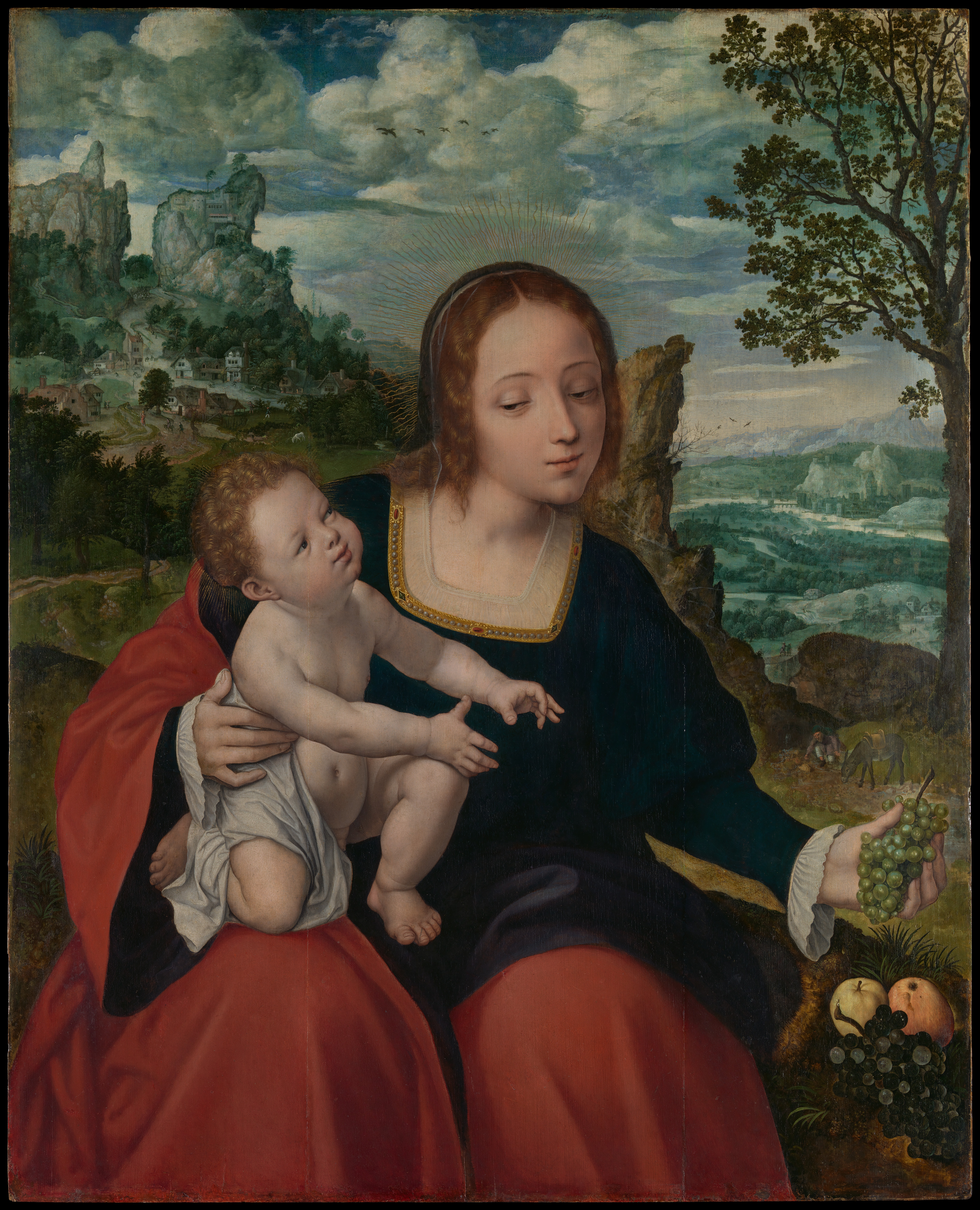
Anna van Bergen (1492–1541) and Her Son Hendrik (born 1519) as the Virgin and Child
Jan Gossart
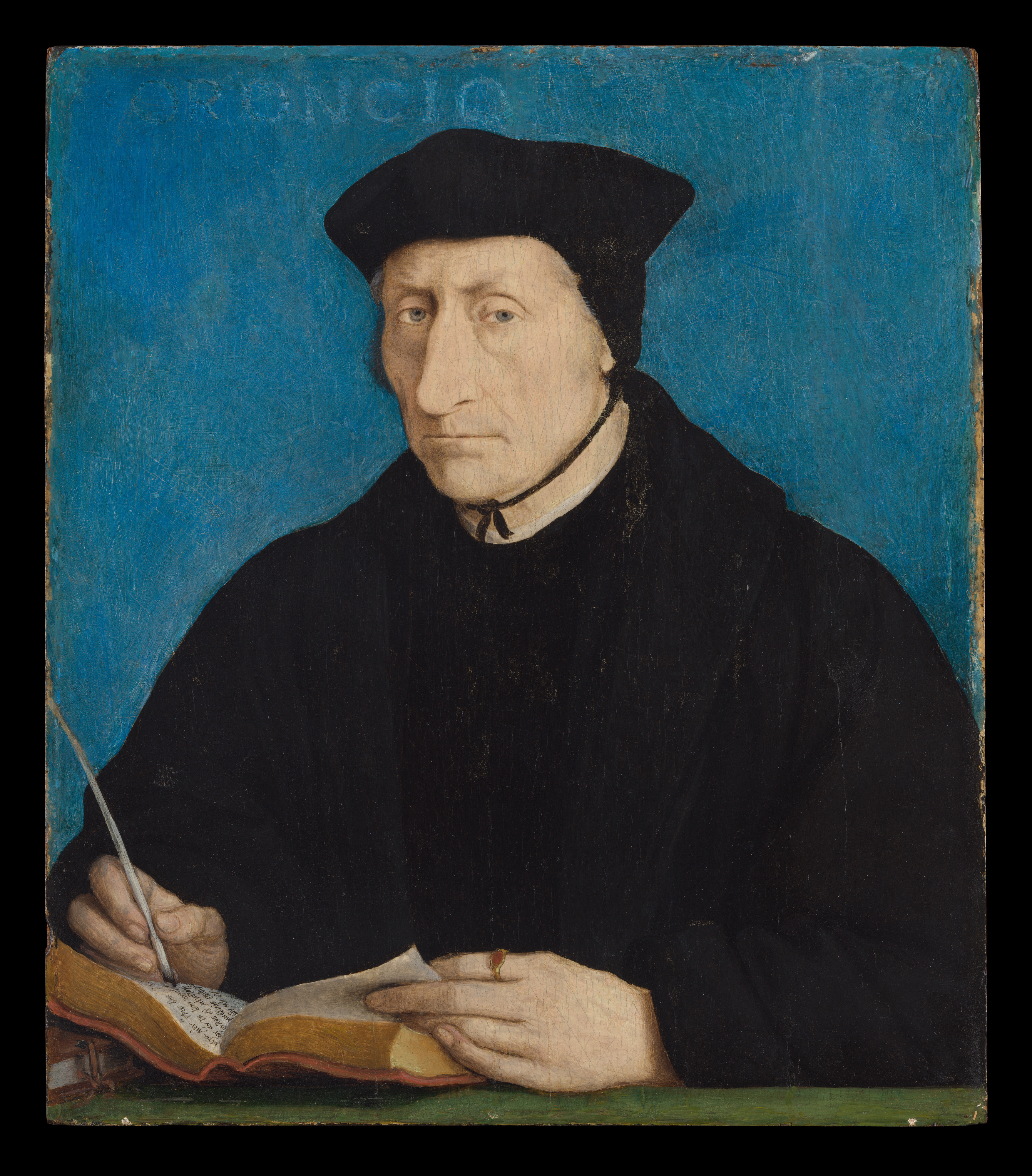
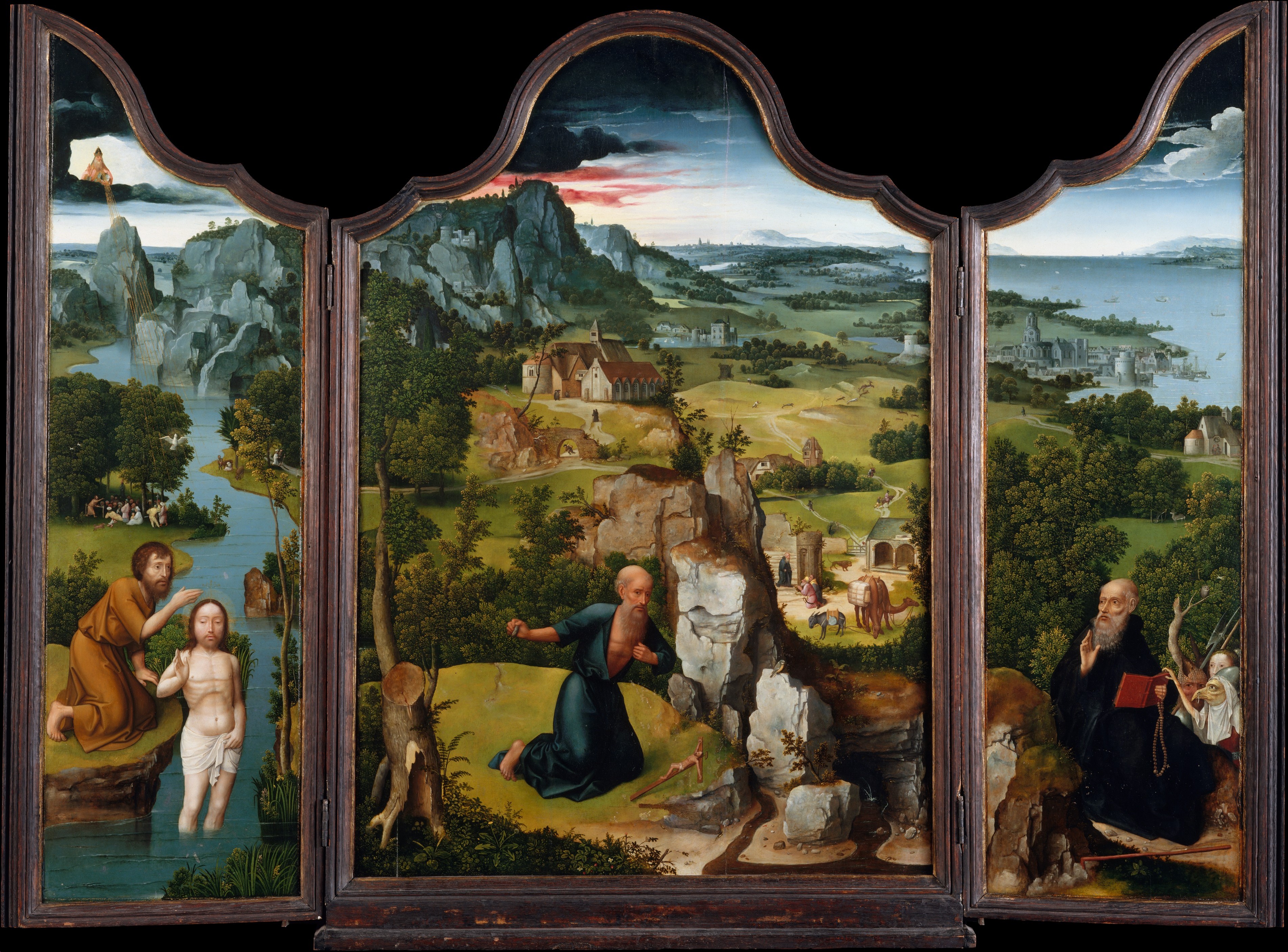
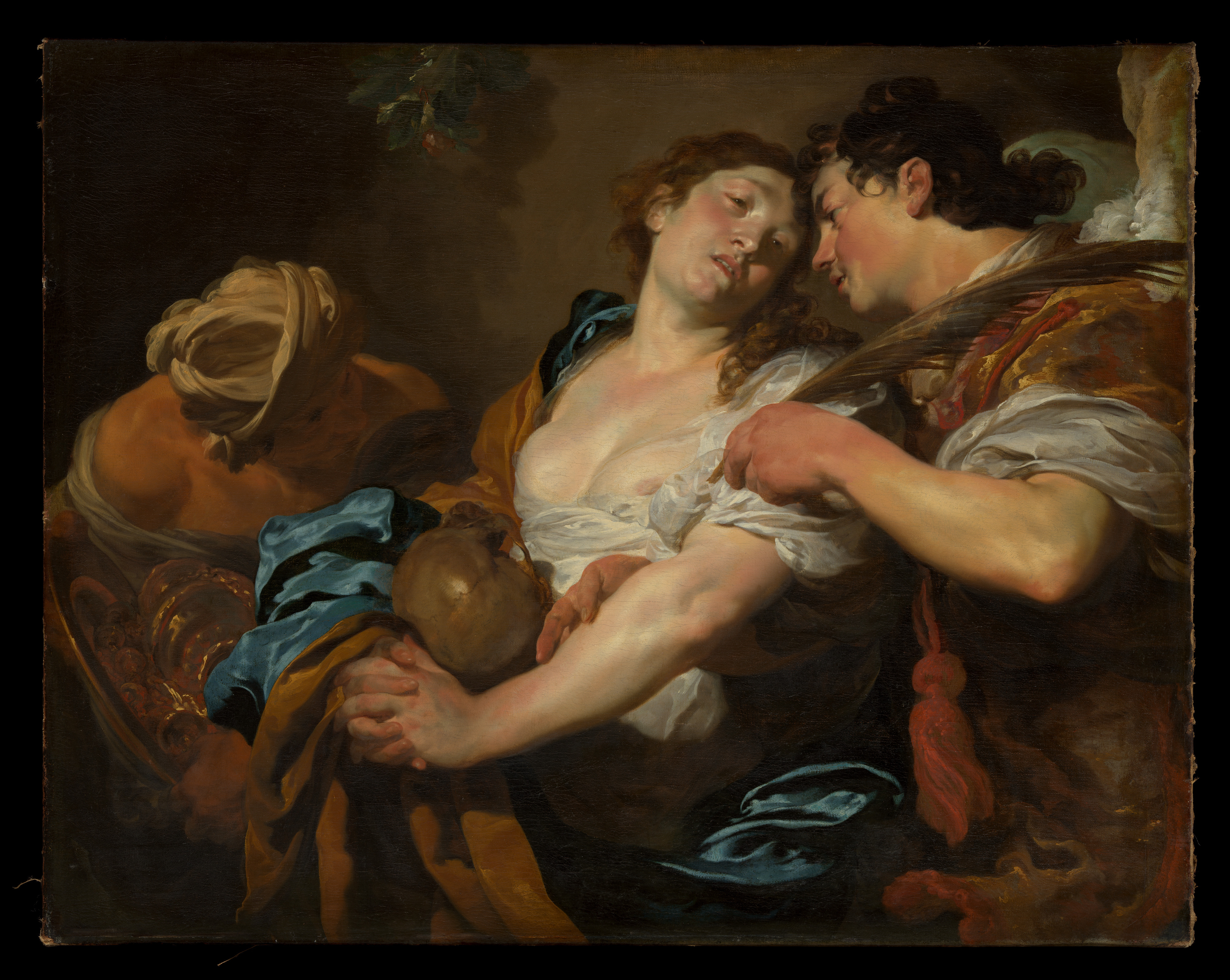
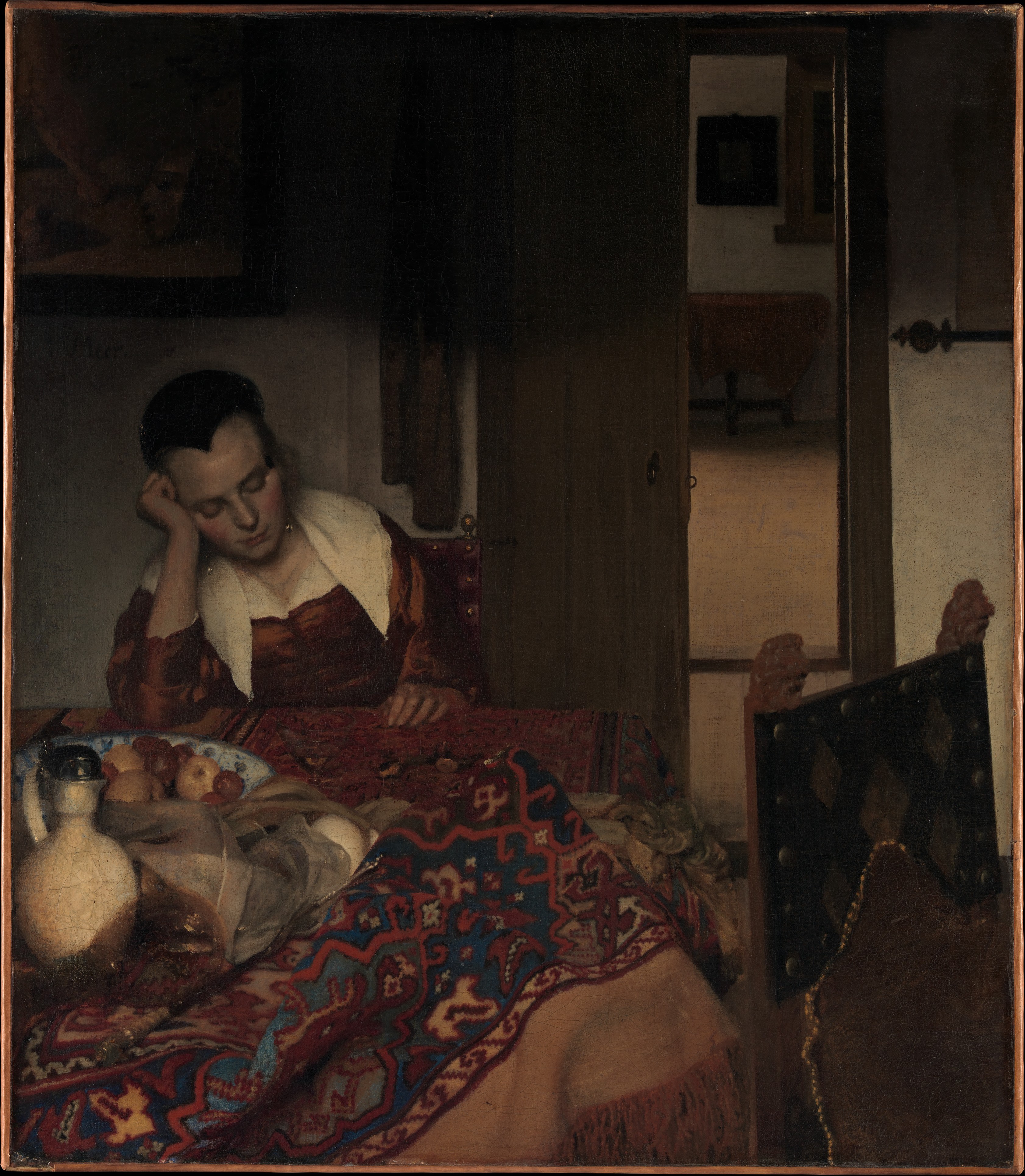
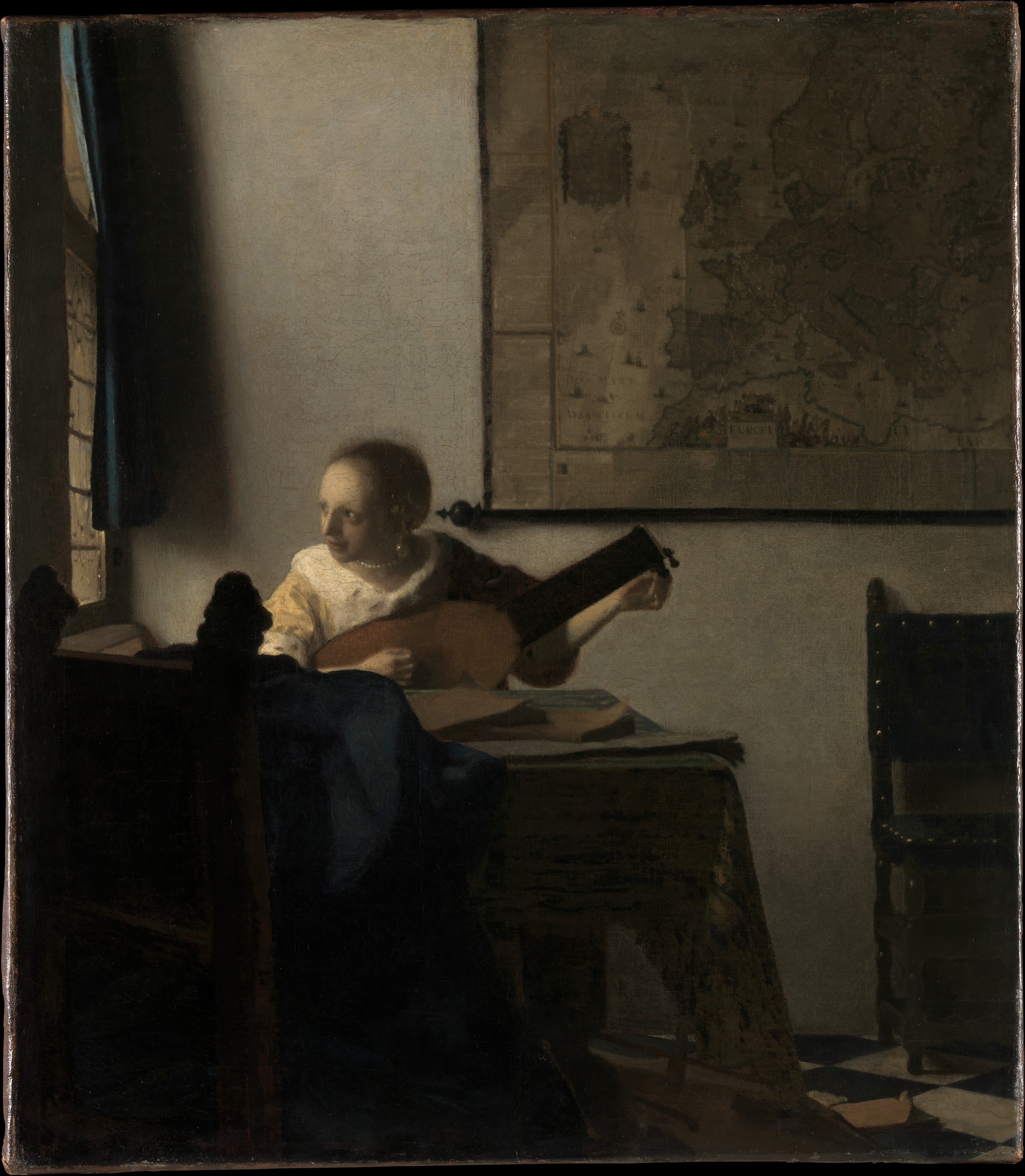
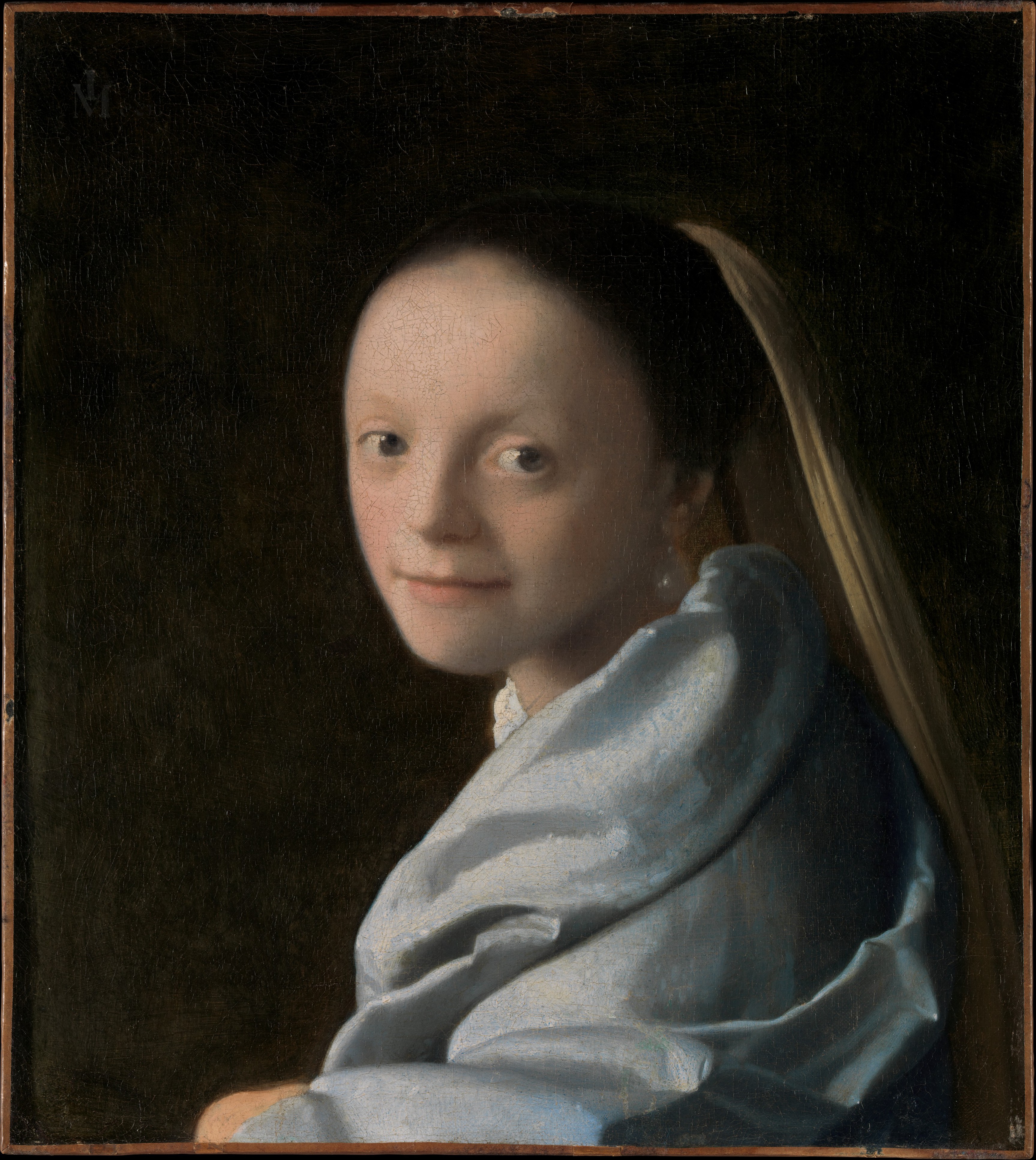
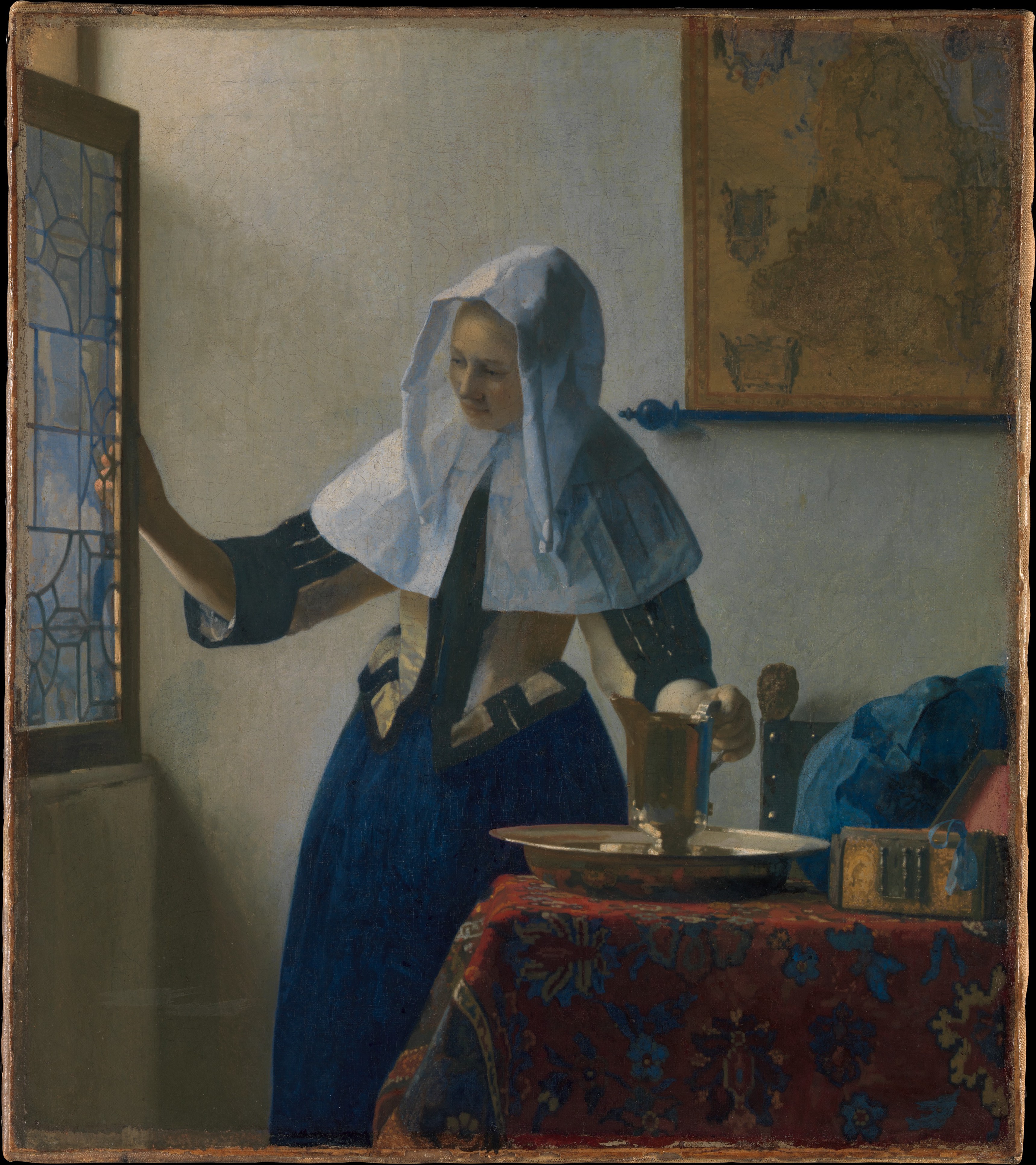
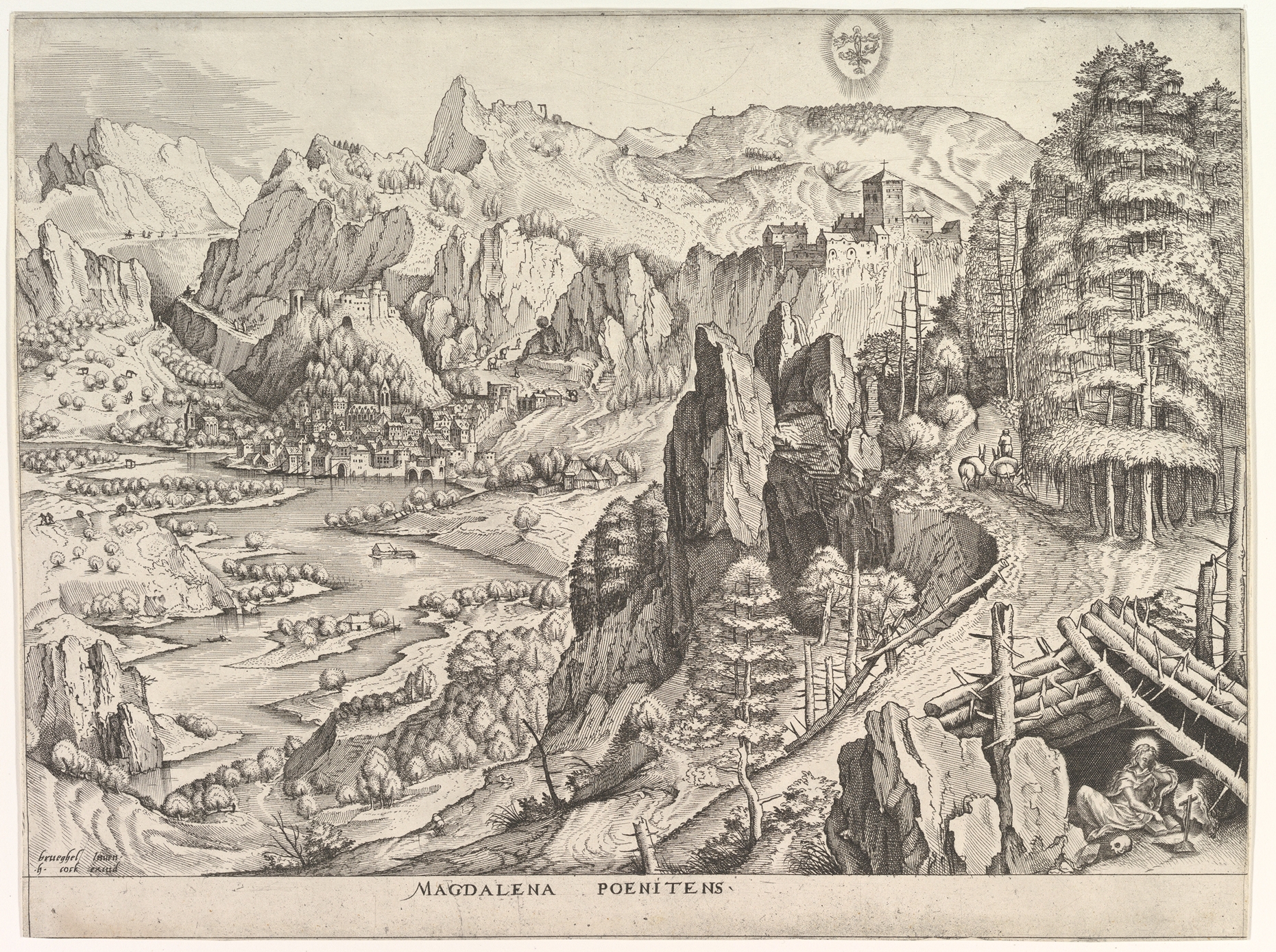
The Penitent Magdalene (Magdalena Poenitens), from "The Large Landscapes"
Johannes van Doetecum I
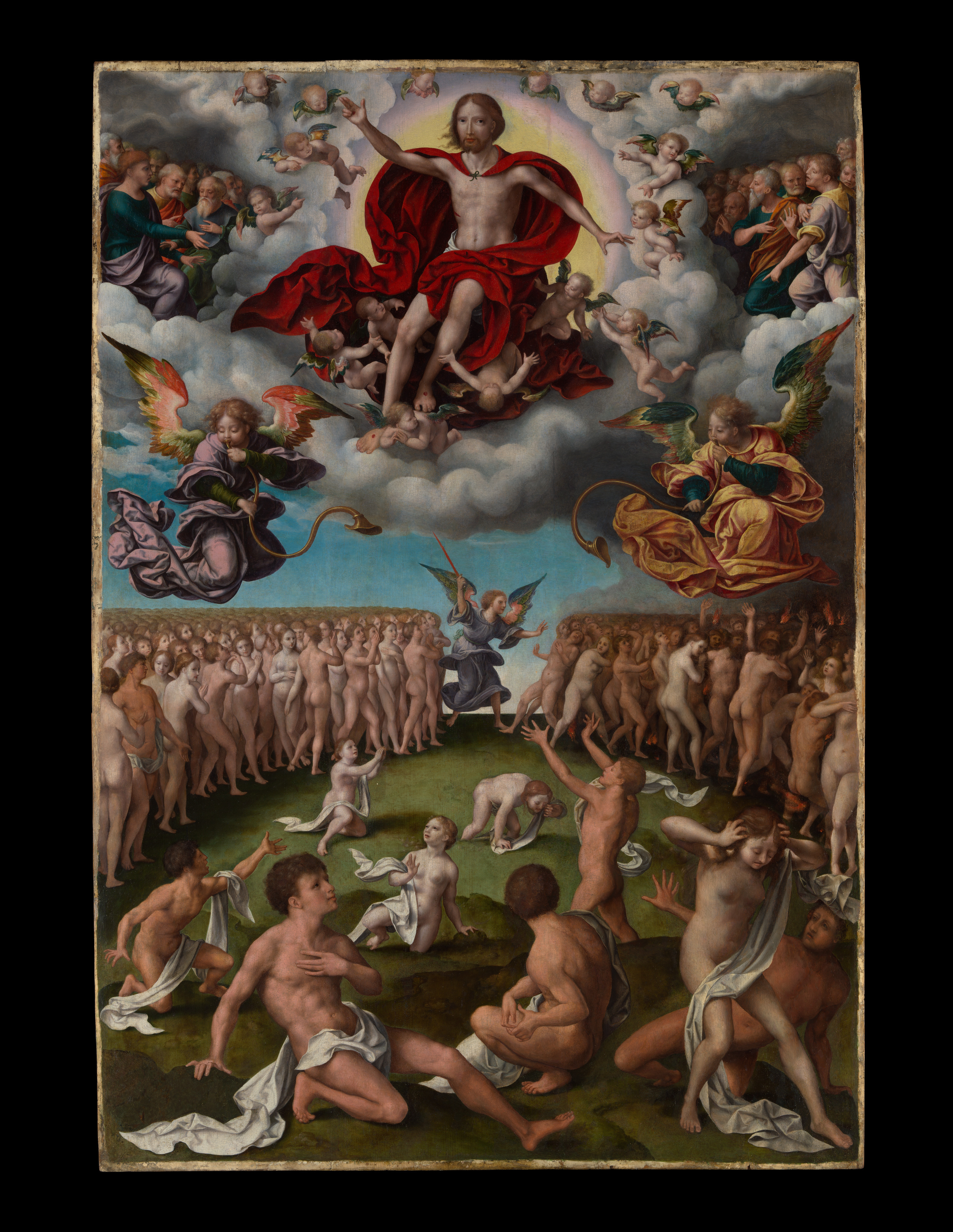
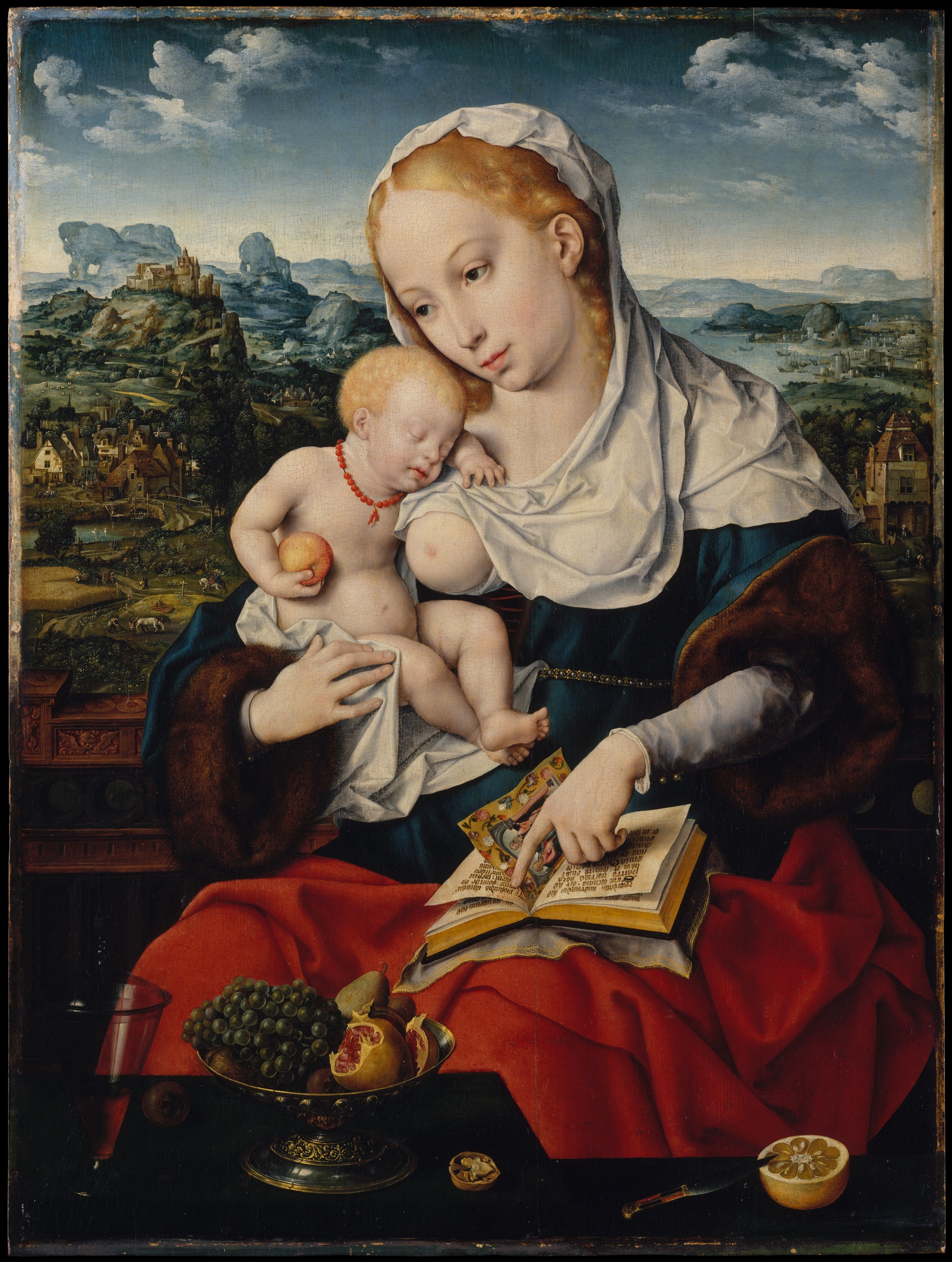
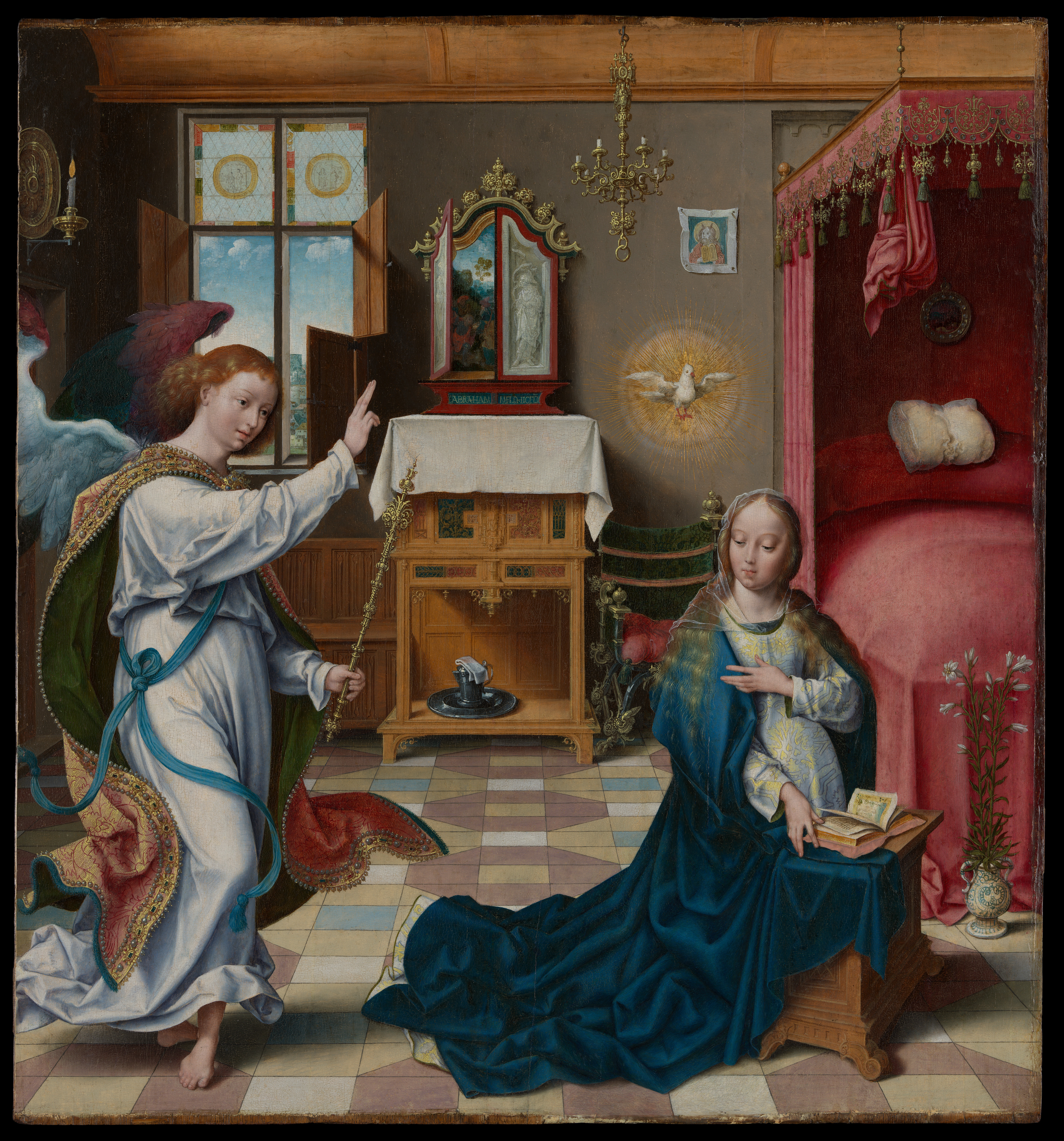
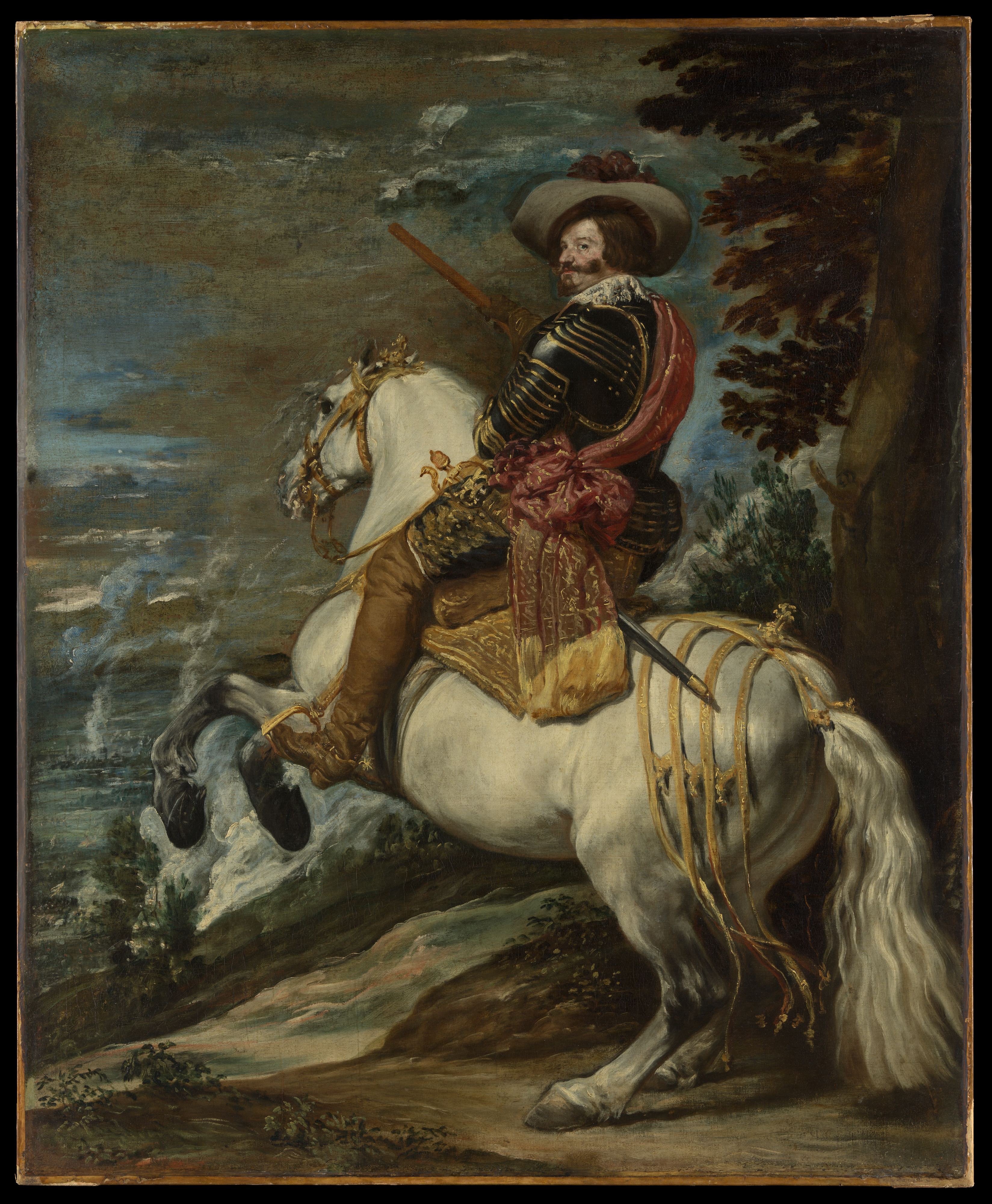
Don Gaspar de Guzmán (1587–1645), Count-Duke of Olivares
Juan Bautista Martínez del Mazo

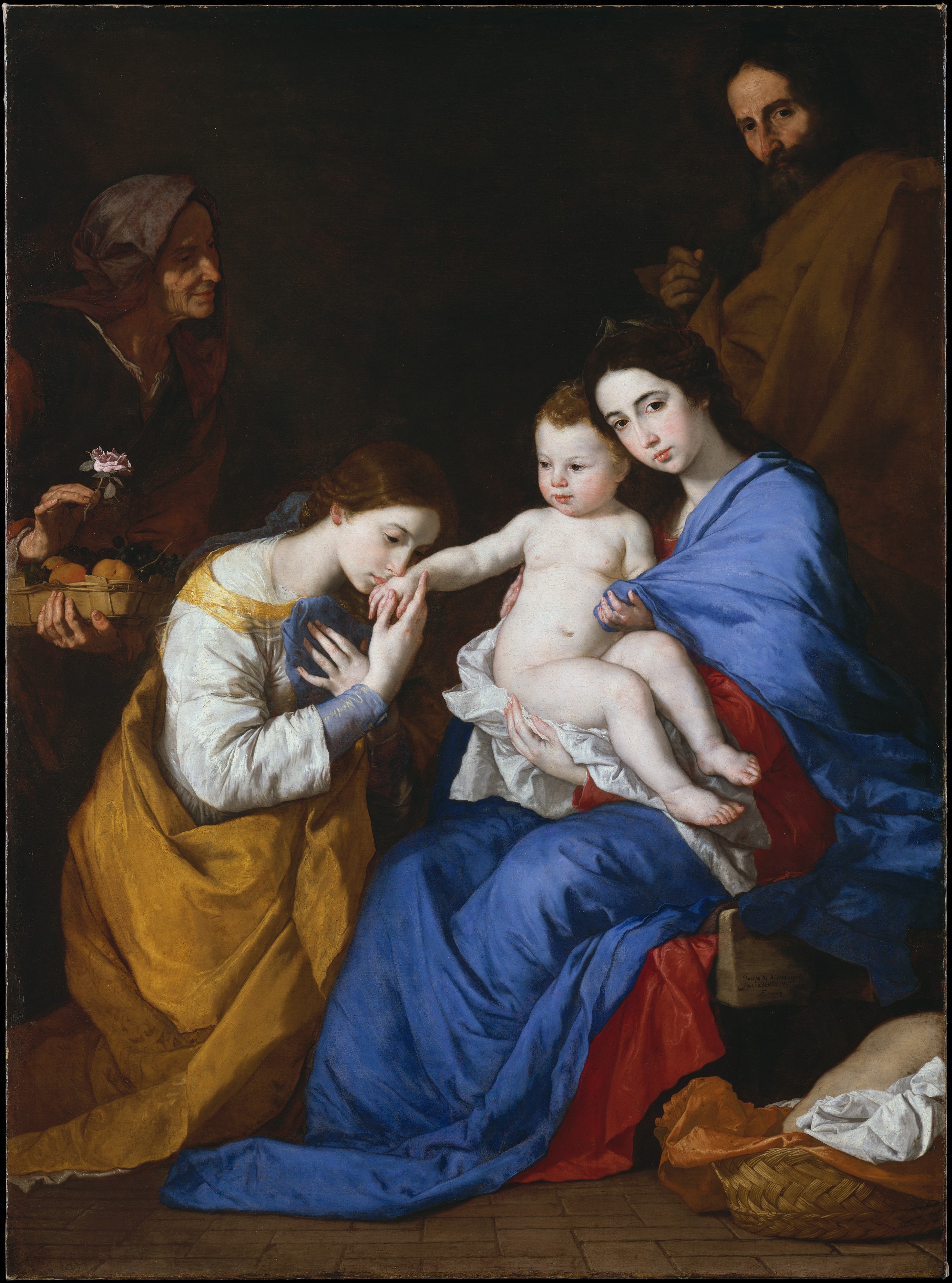
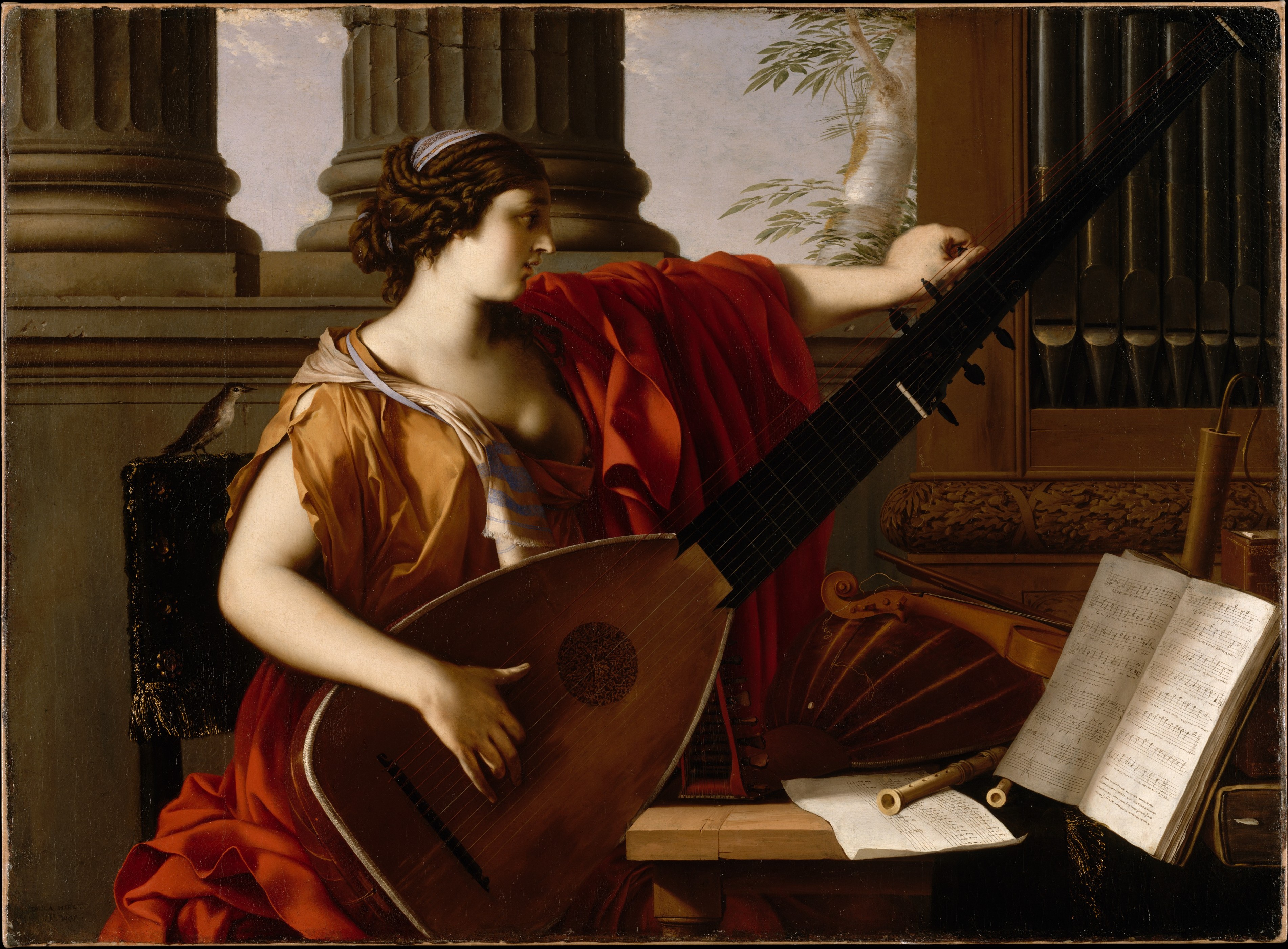
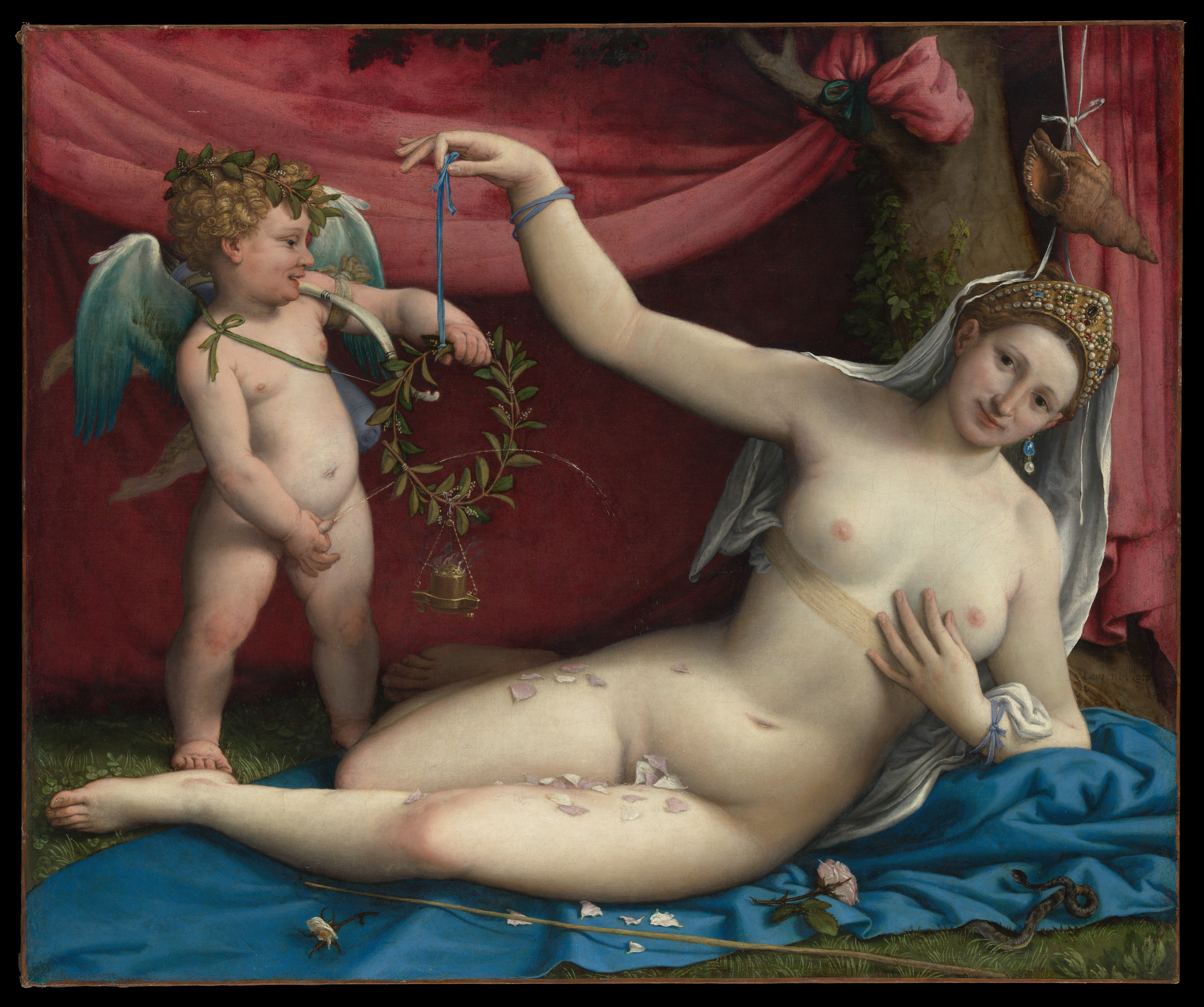
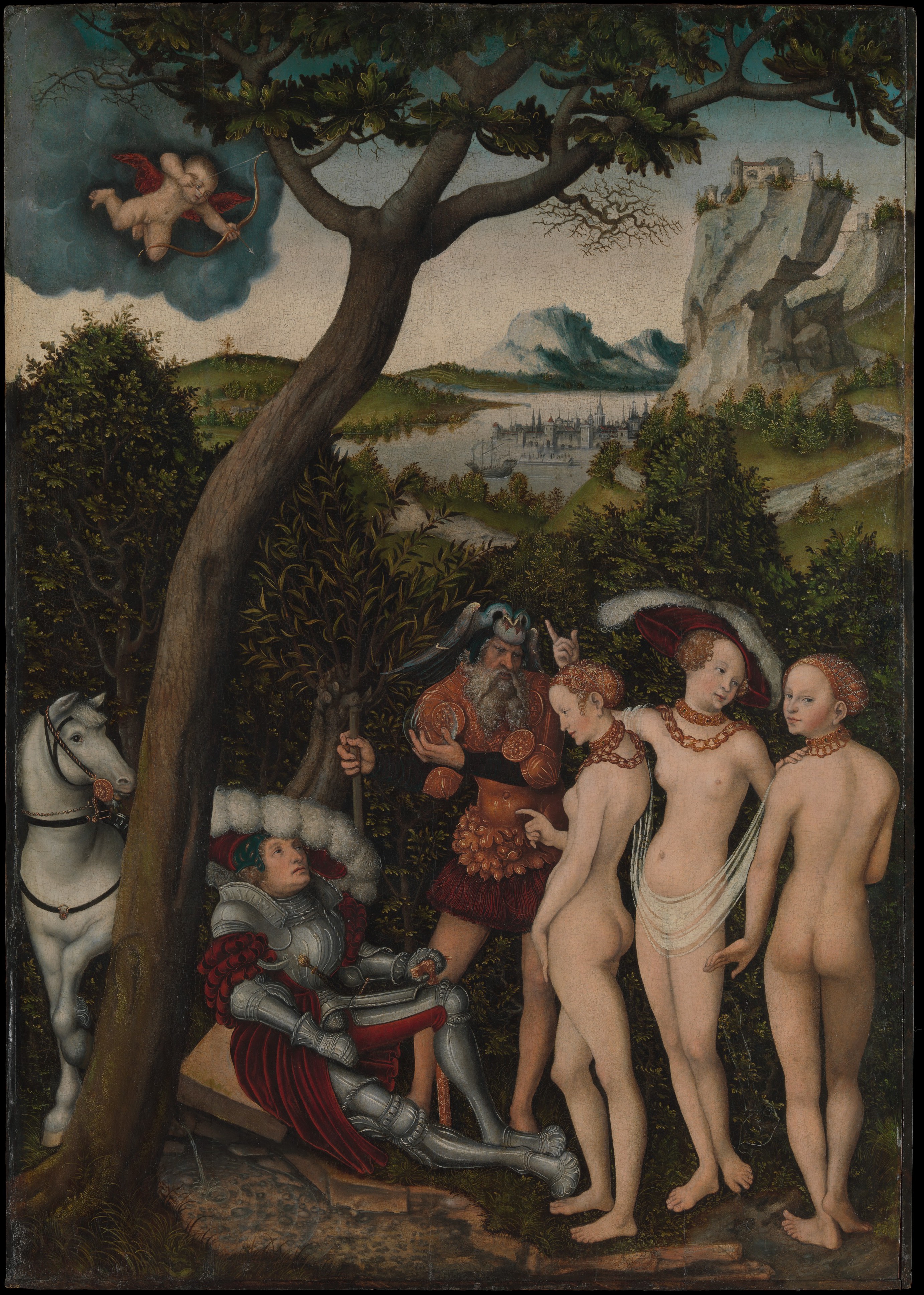
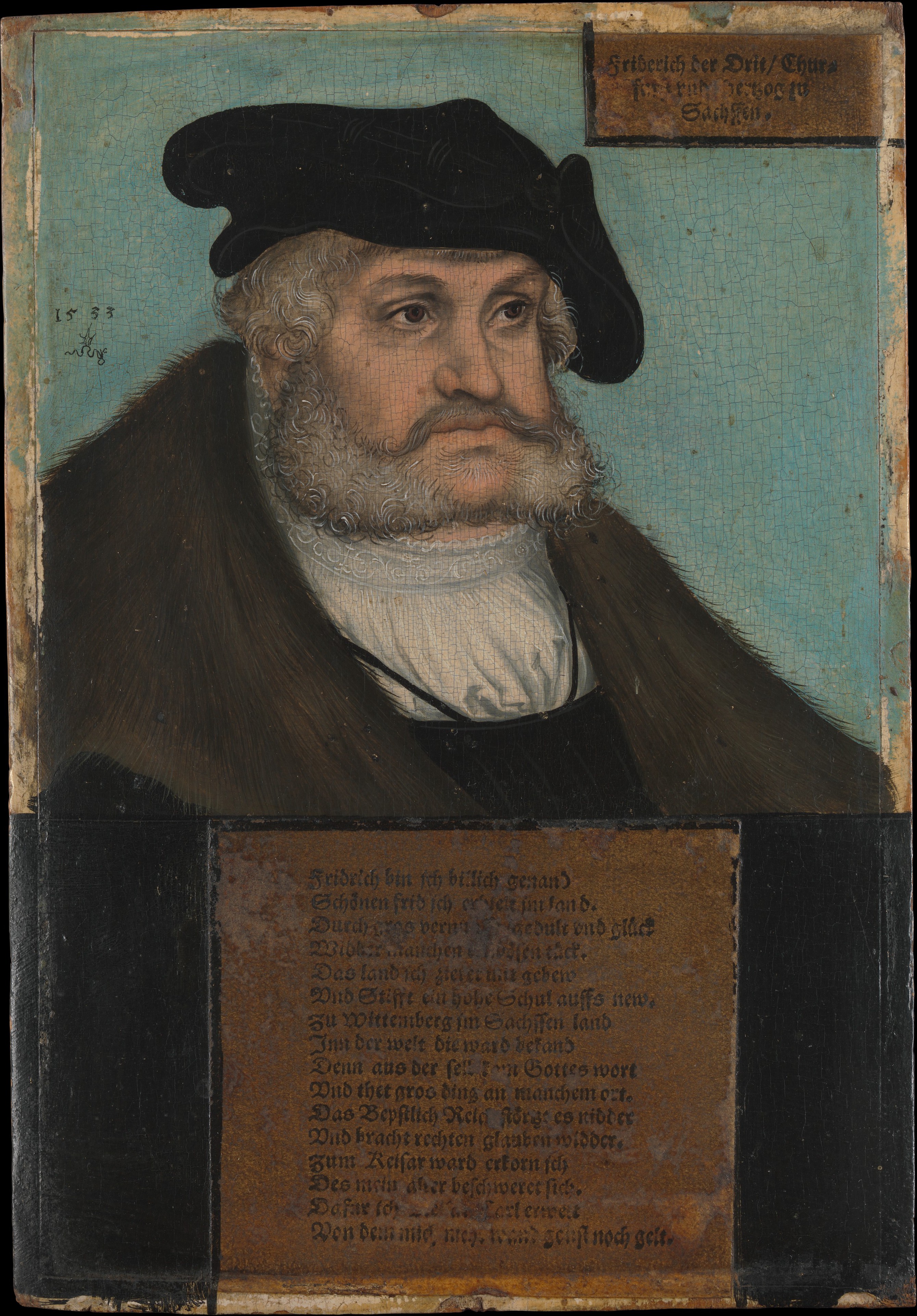
Friedrich III (1463–1525), the Wise, Elector of Saxony
Lucas Cranach the Elder and Workshop
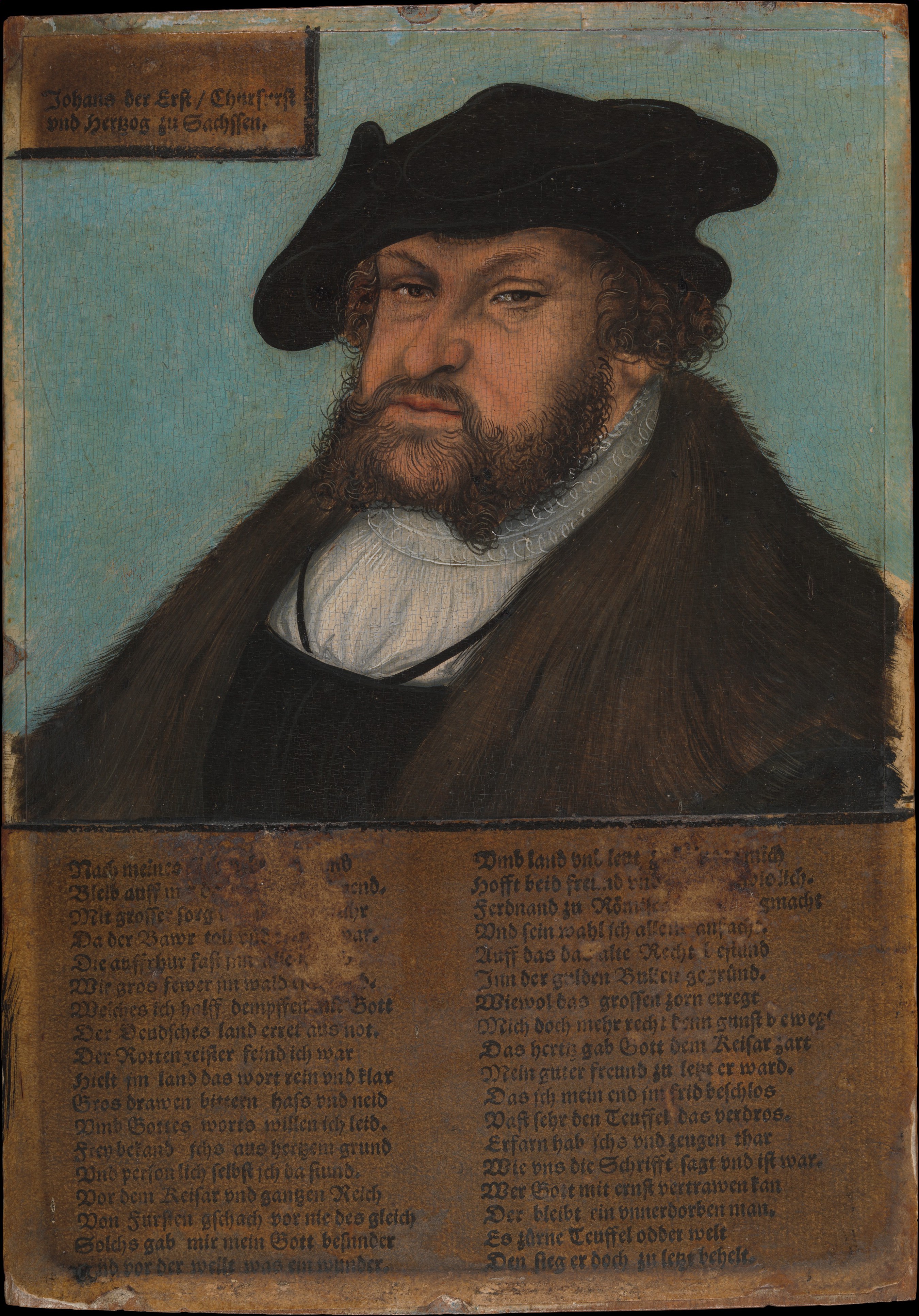
Johann I (1468–1532), the Constant, Elector of Saxony
Lucas Cranach the Elder and Workshop
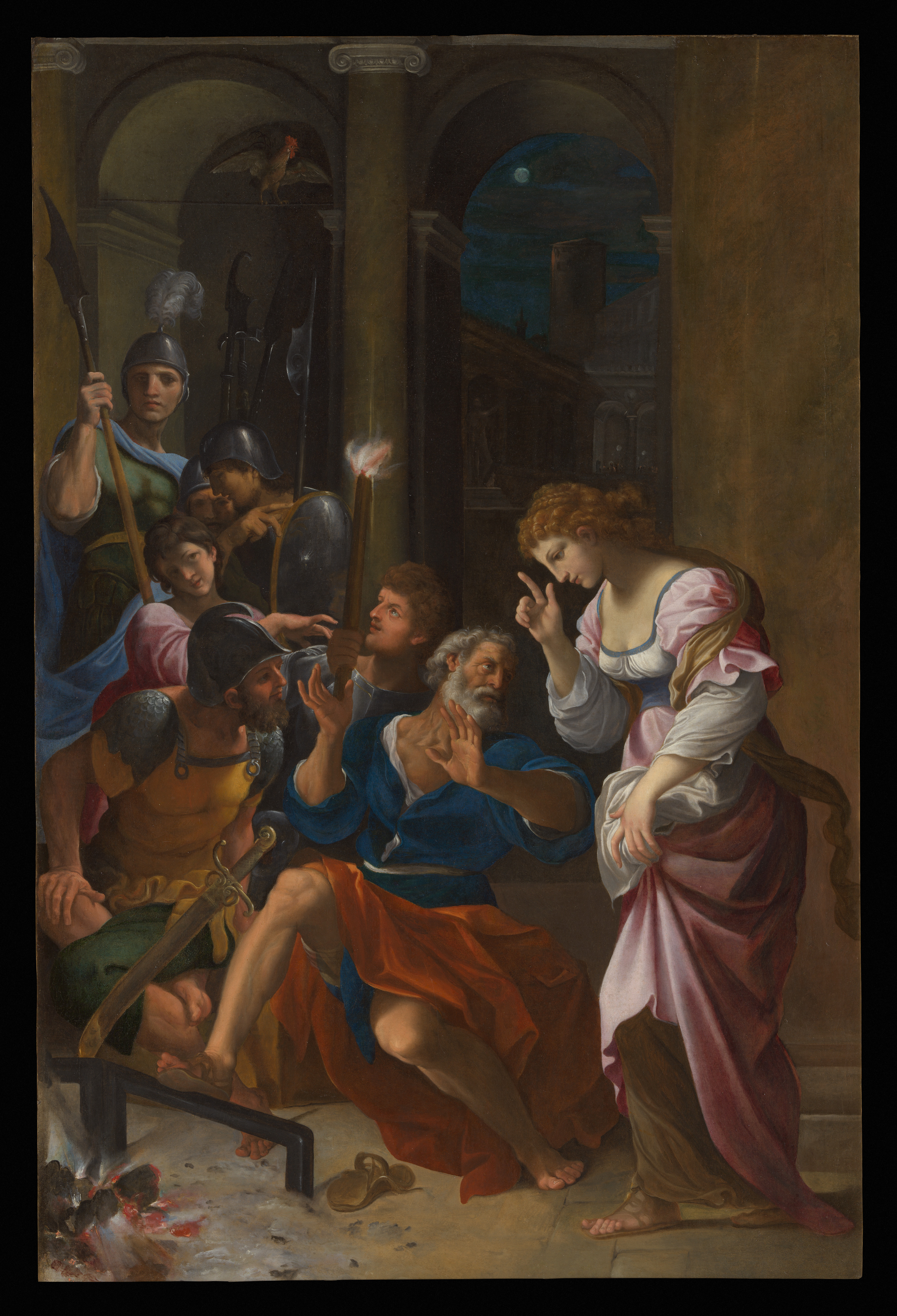
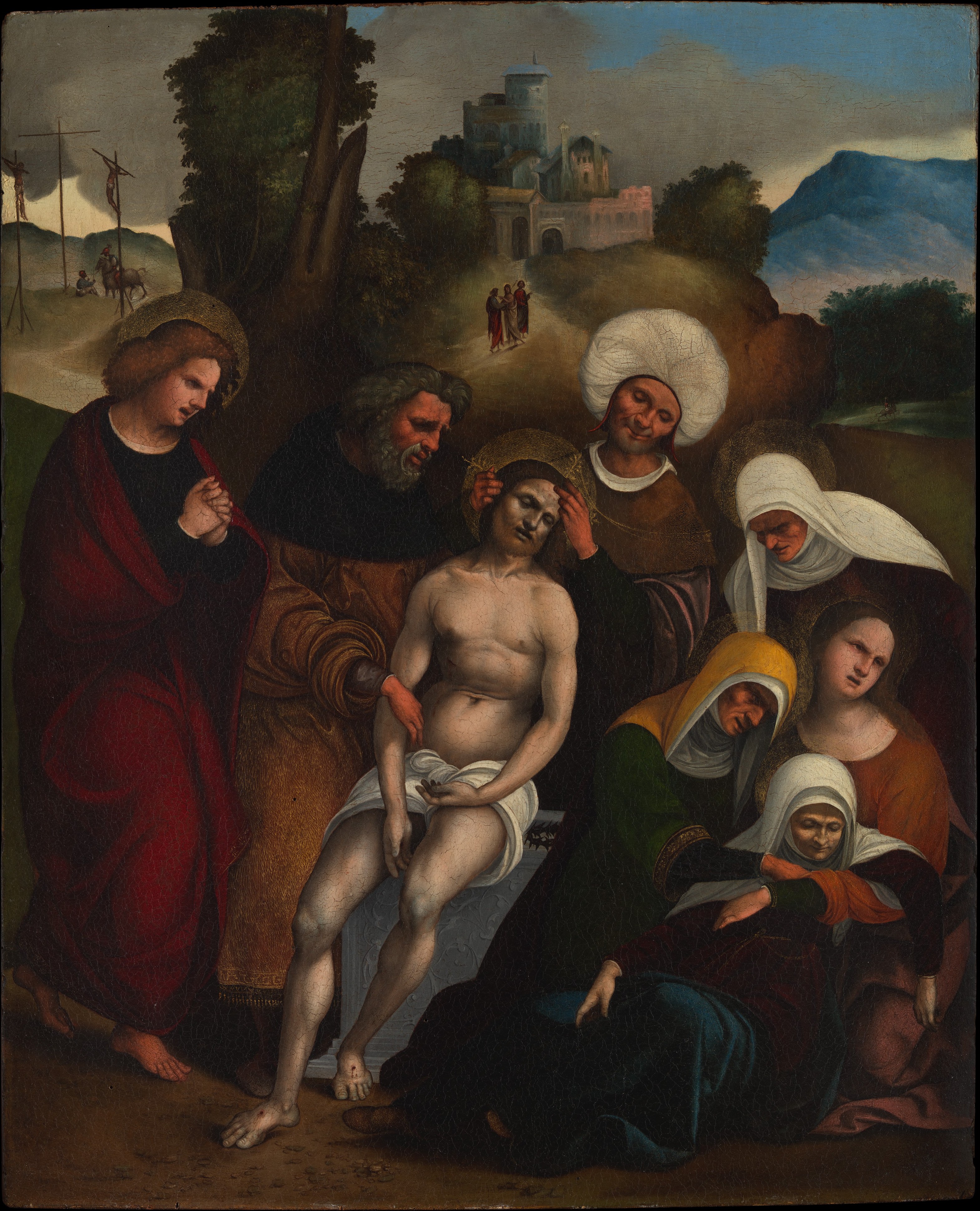
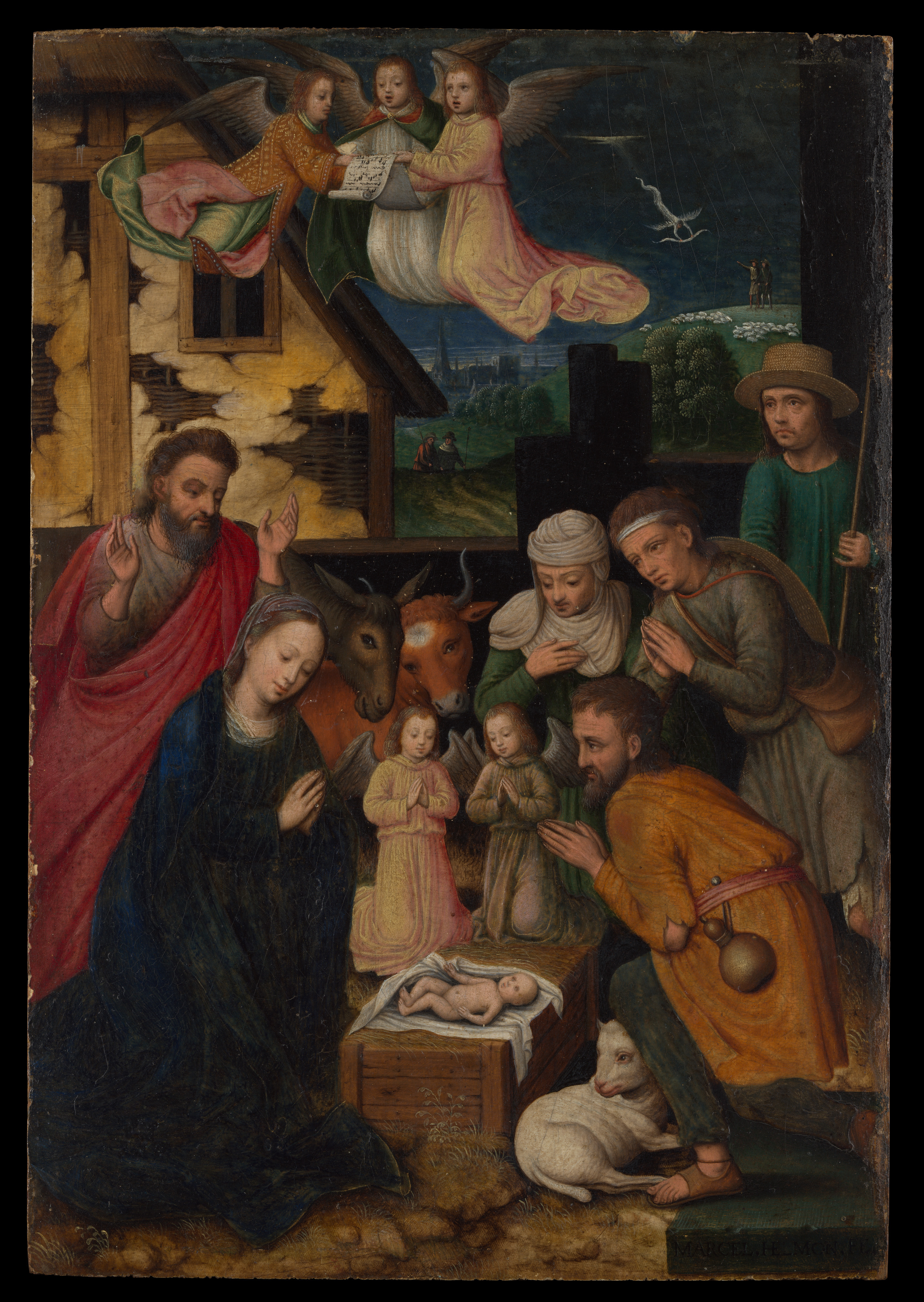
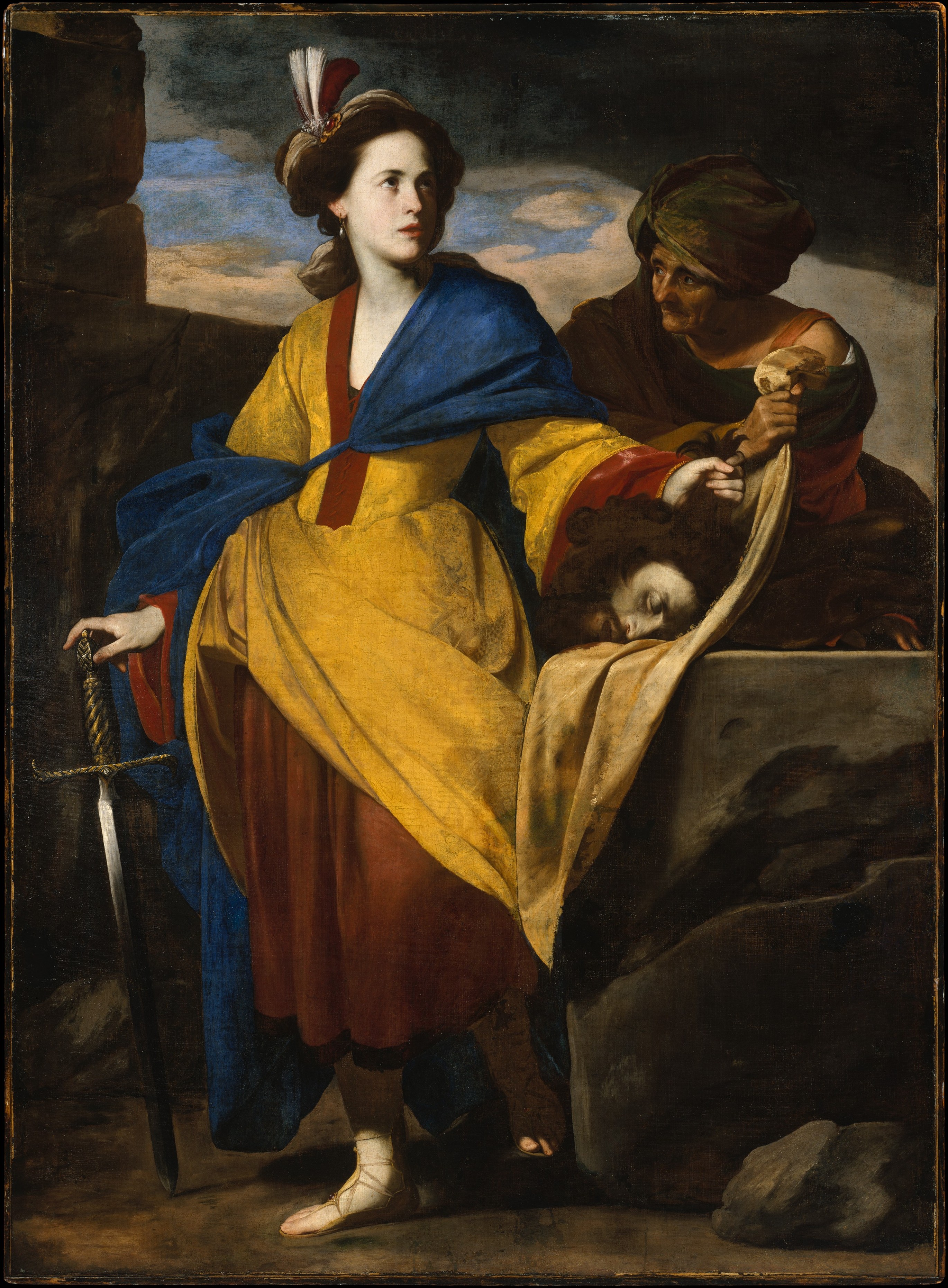
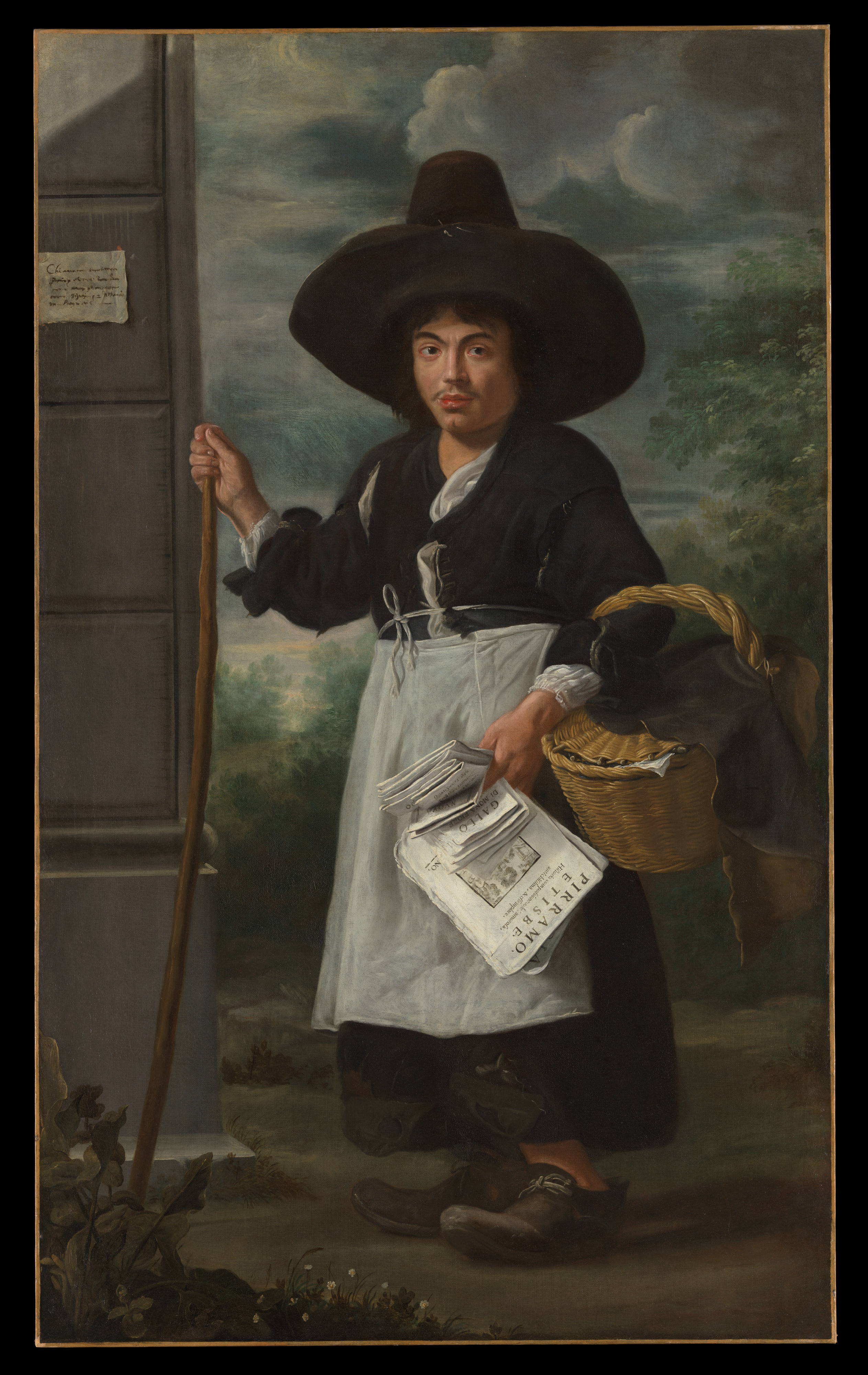
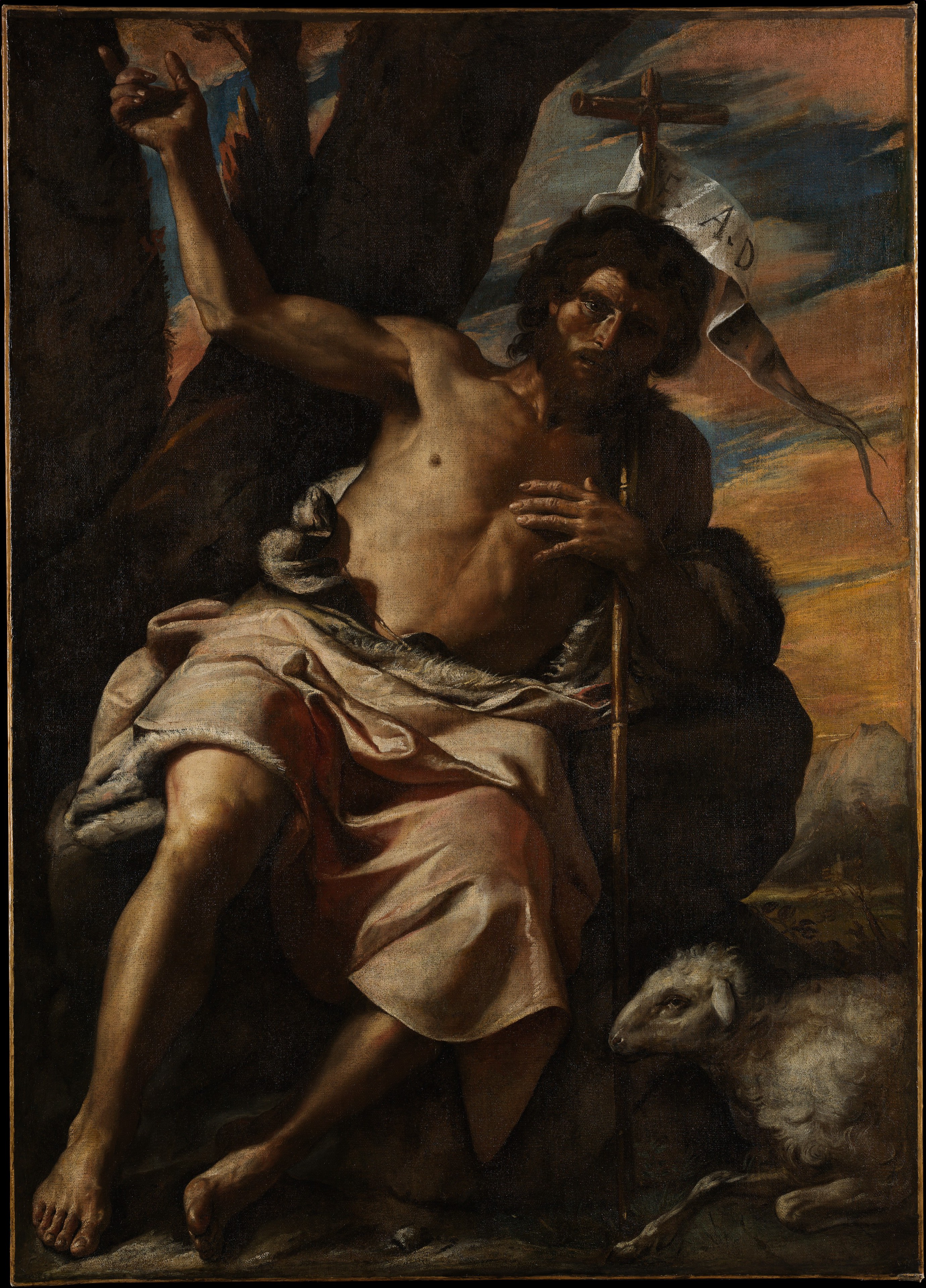
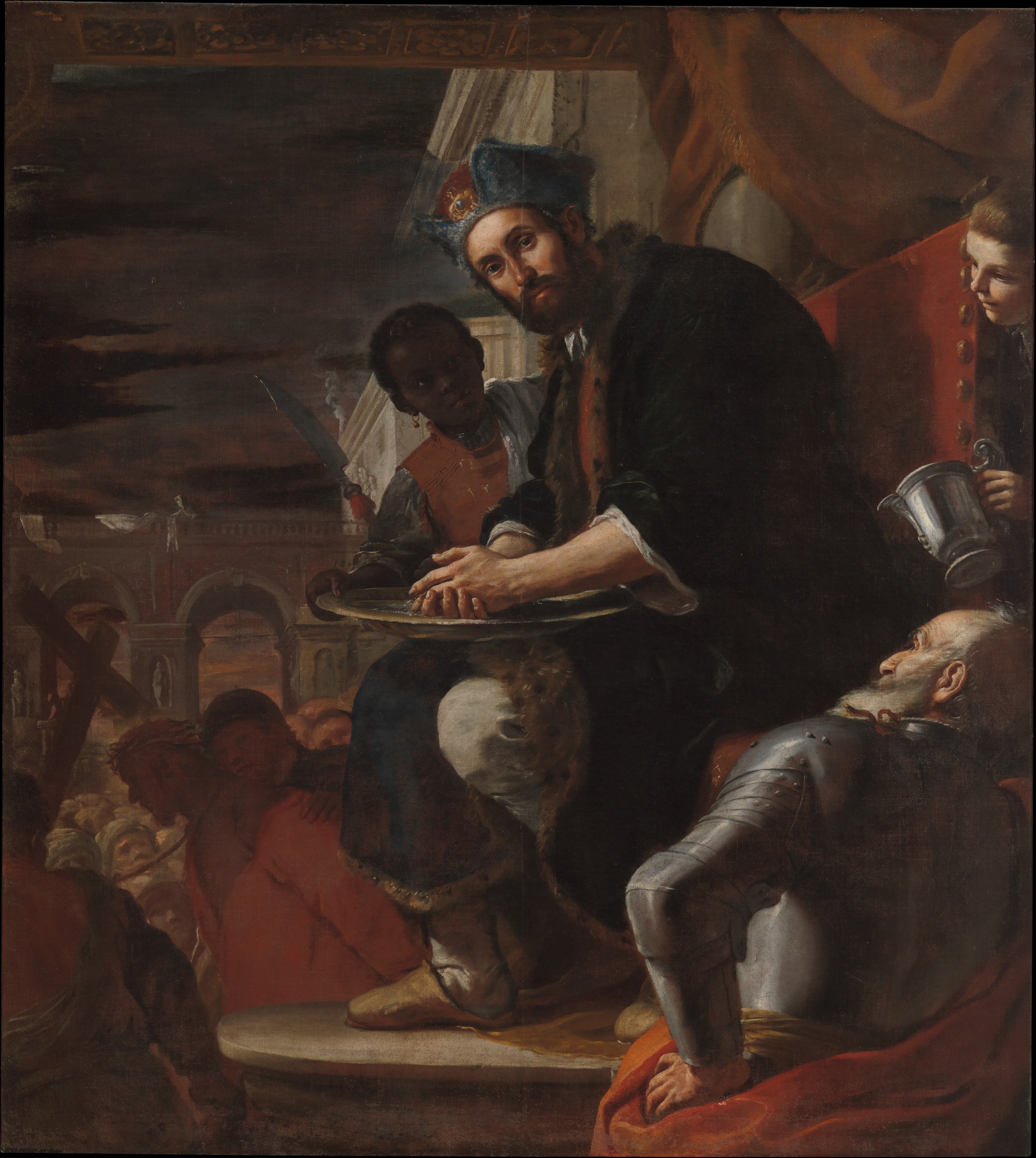
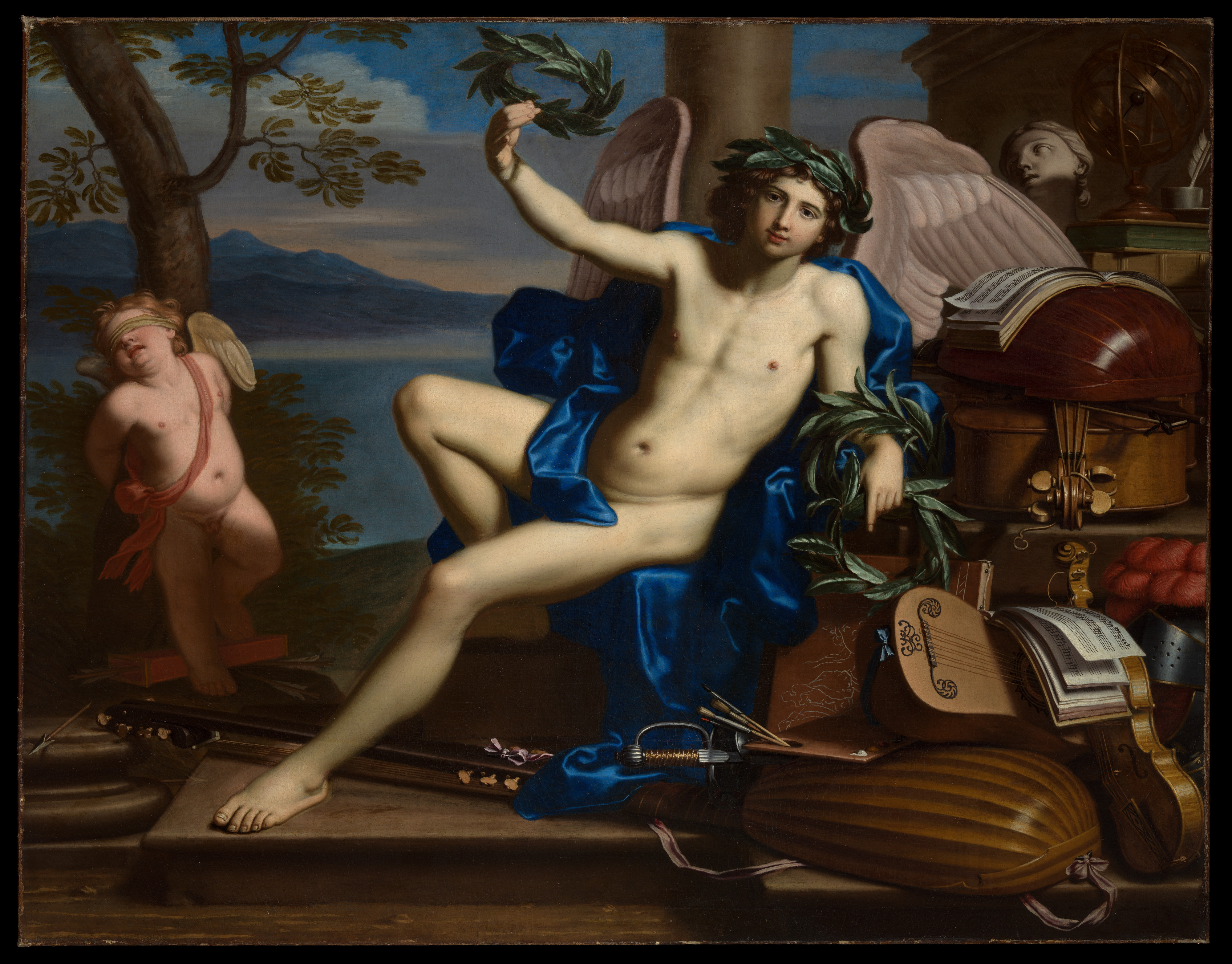
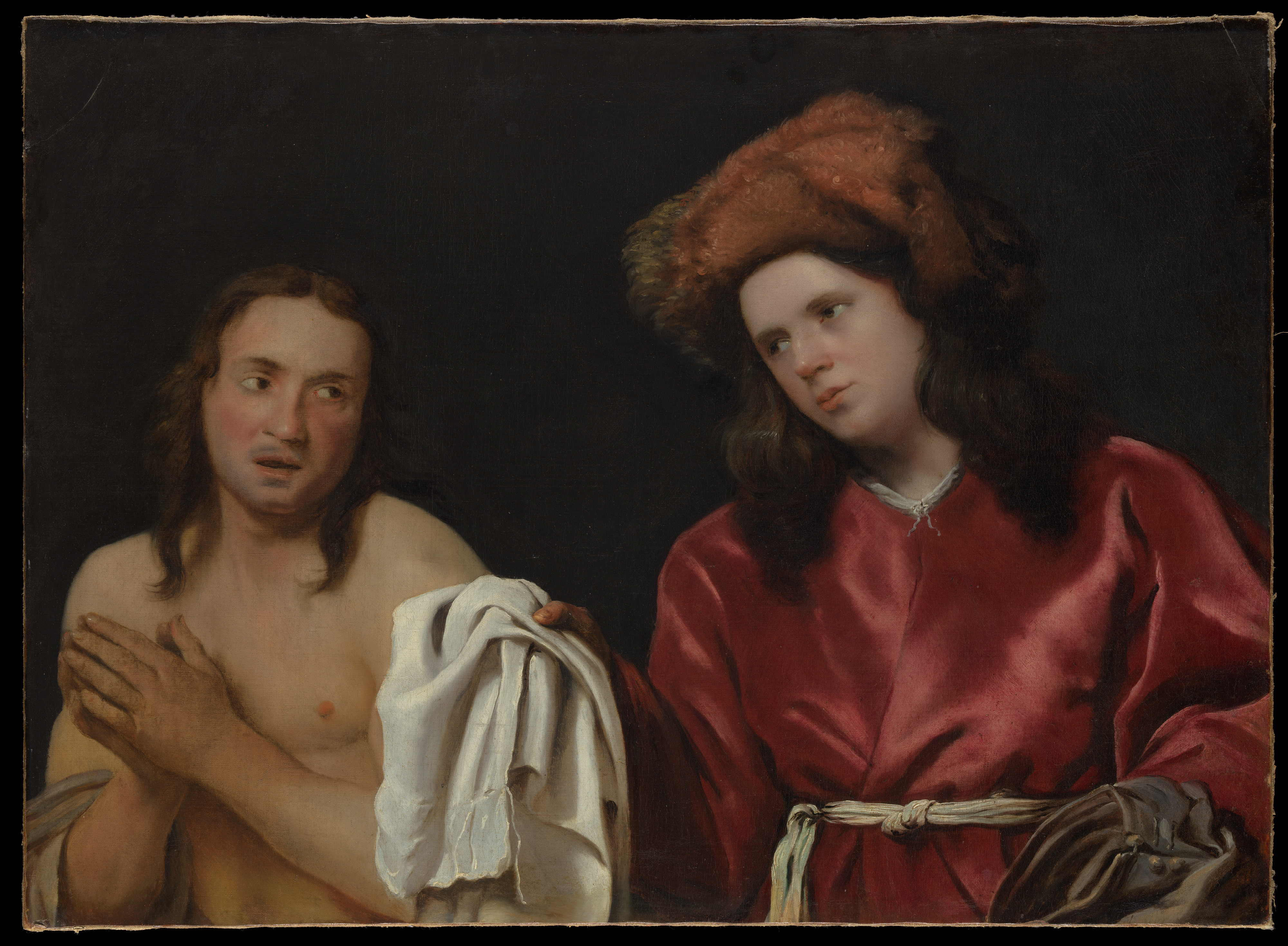
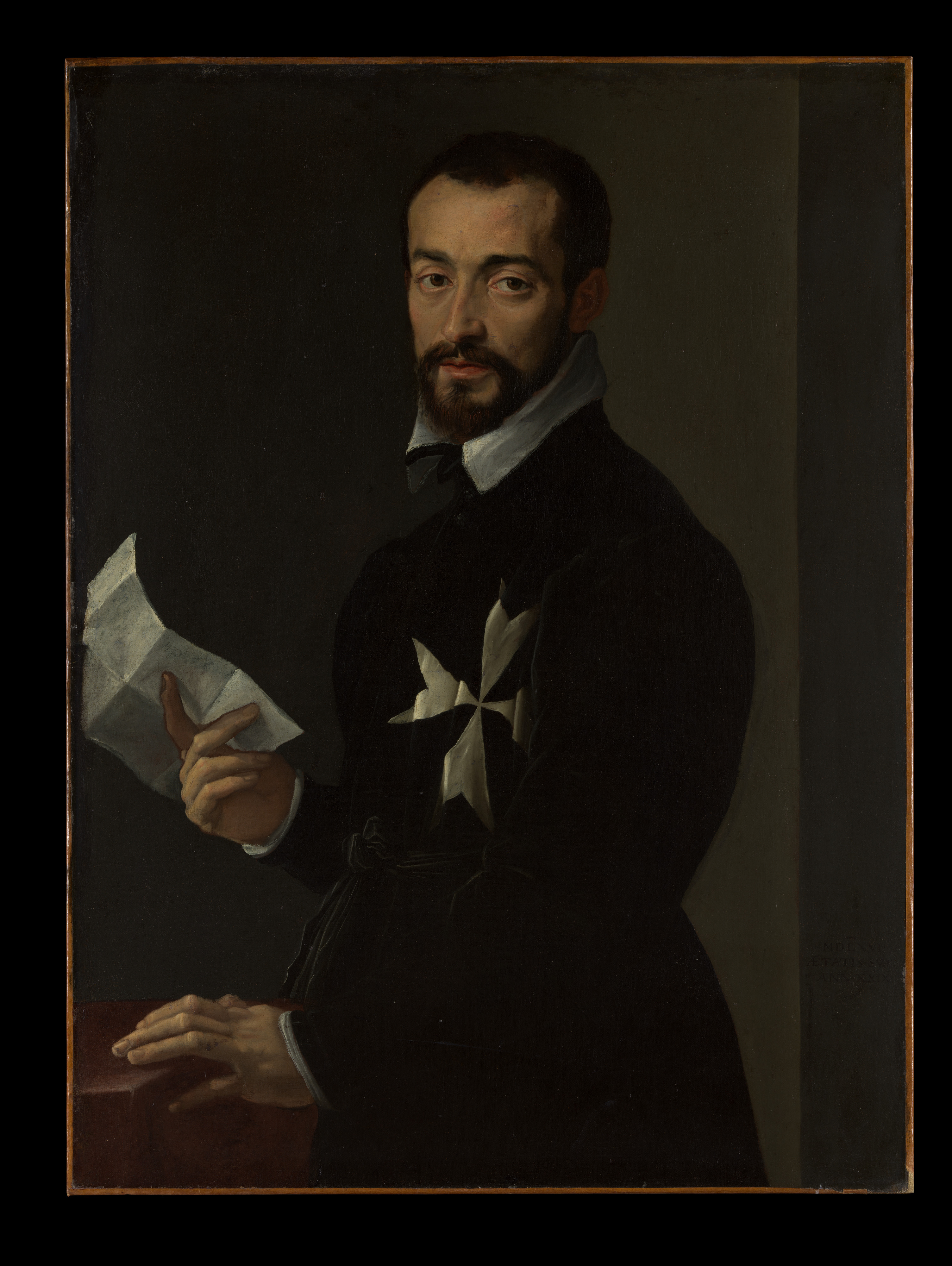
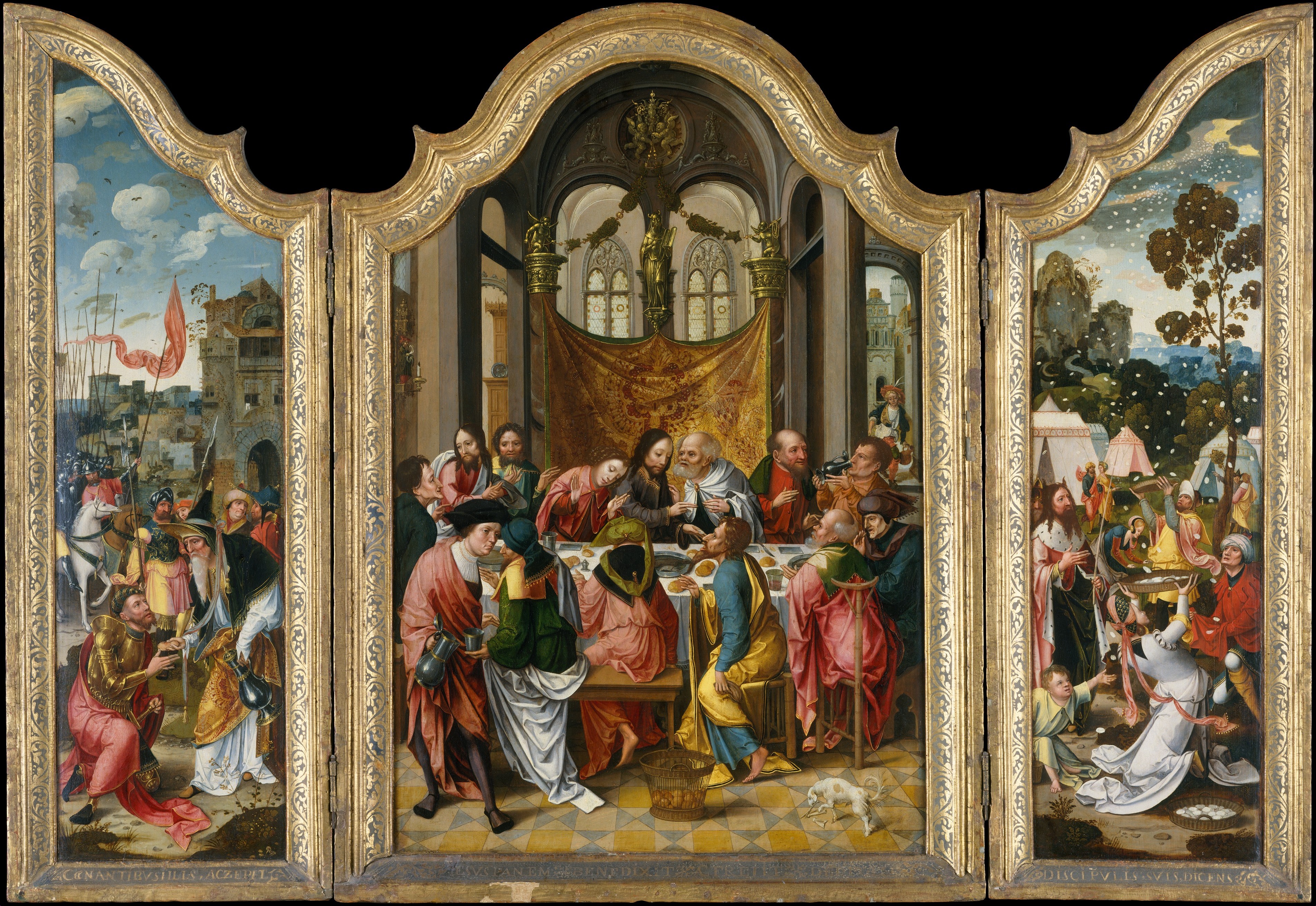
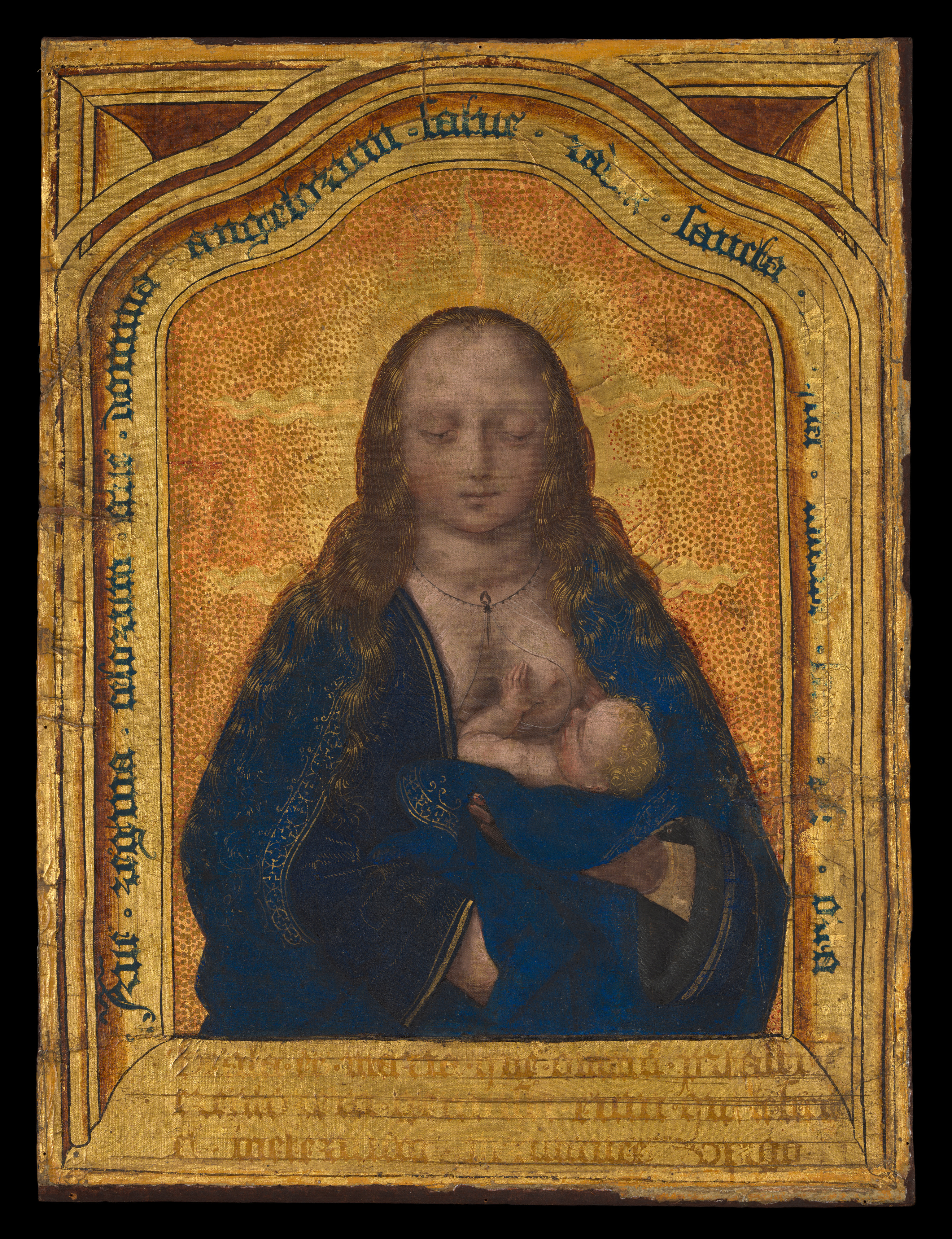

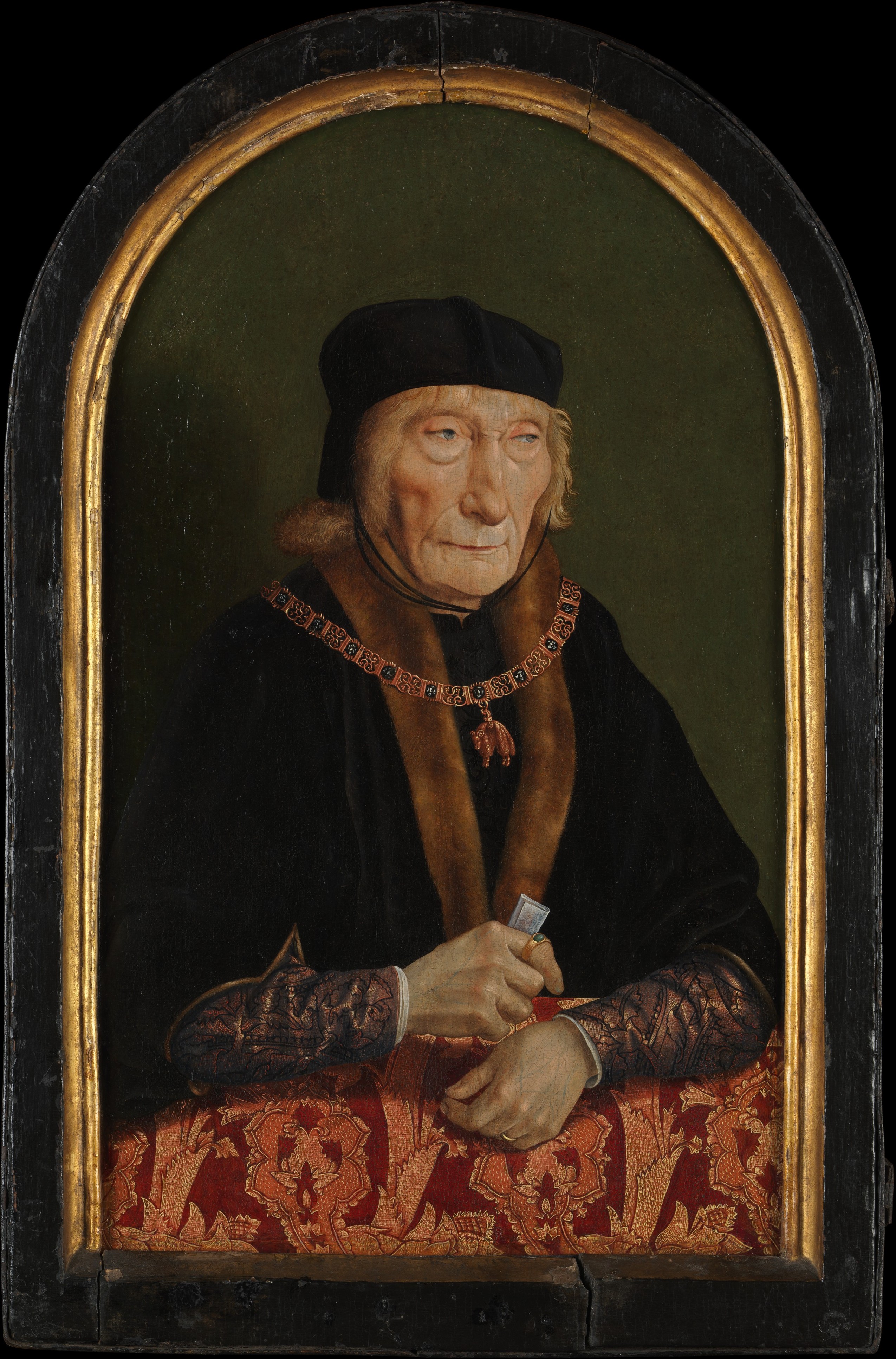
Jan (1438/41–1516), First Count of Egmond; Magdalena, Countess of Egmond (1464–1538)
North Netherlandish Painter
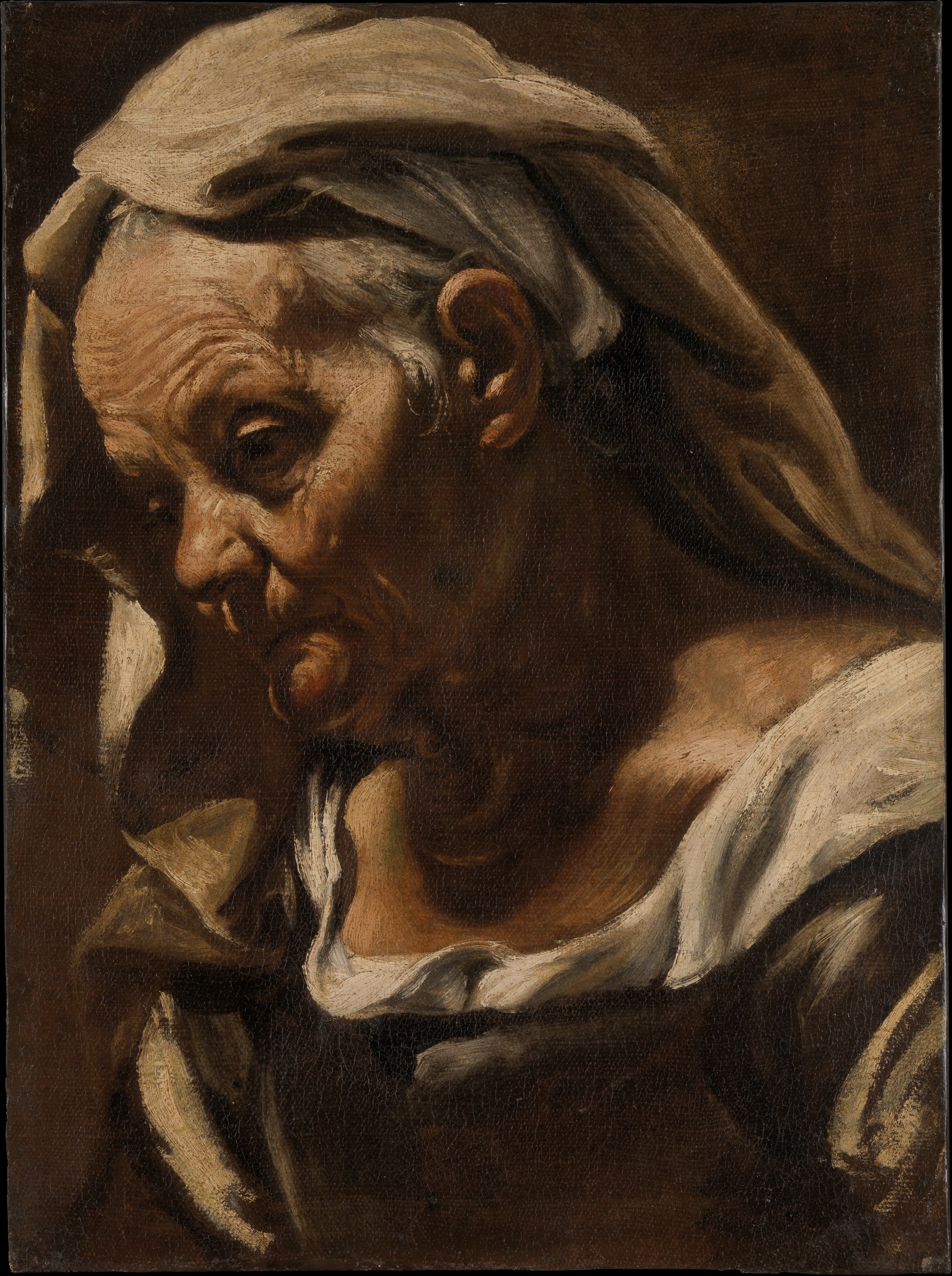
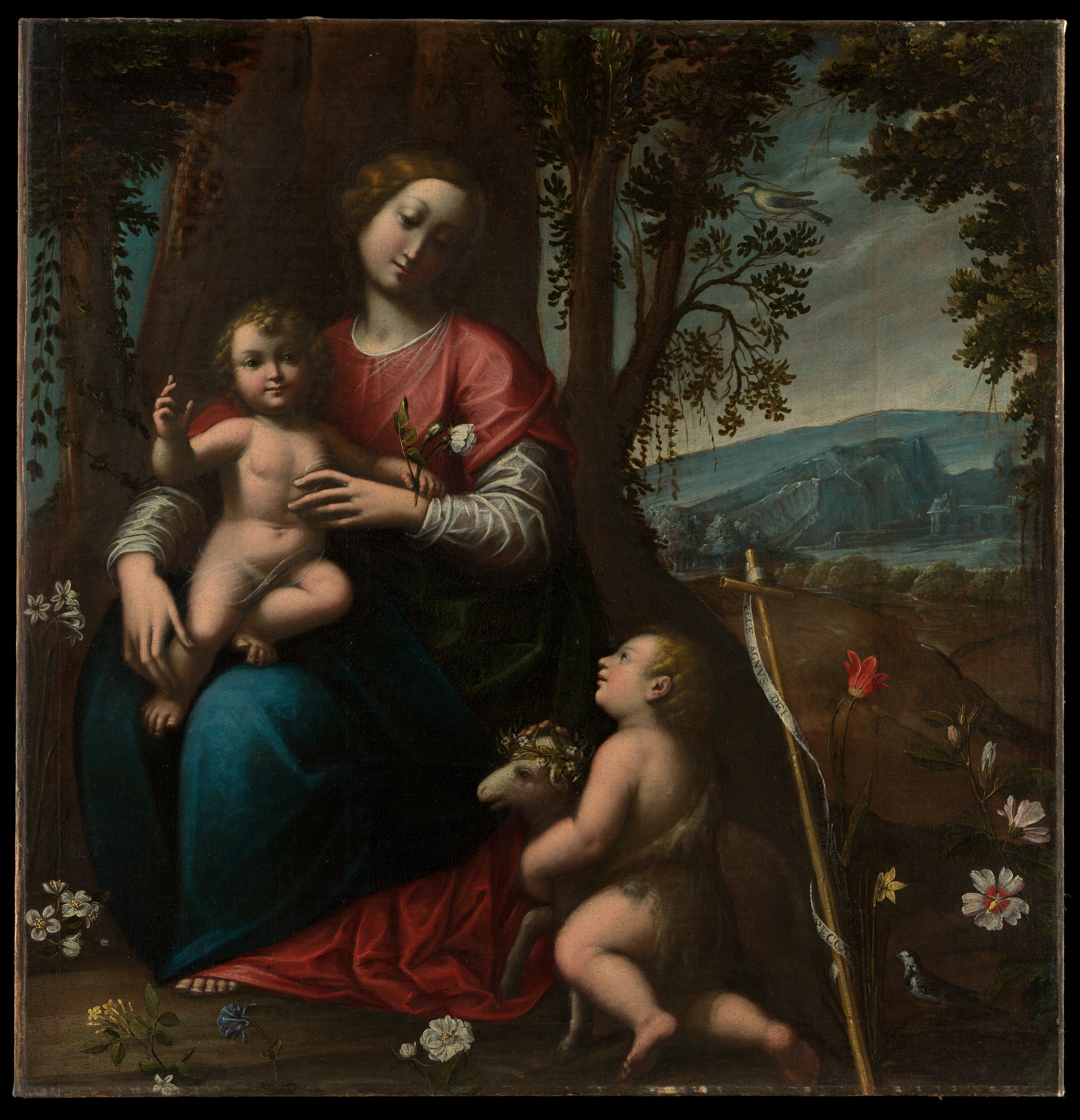
Madonna and Child with the Infant Saint John the Baptist
Orsola Maddalena Caccia
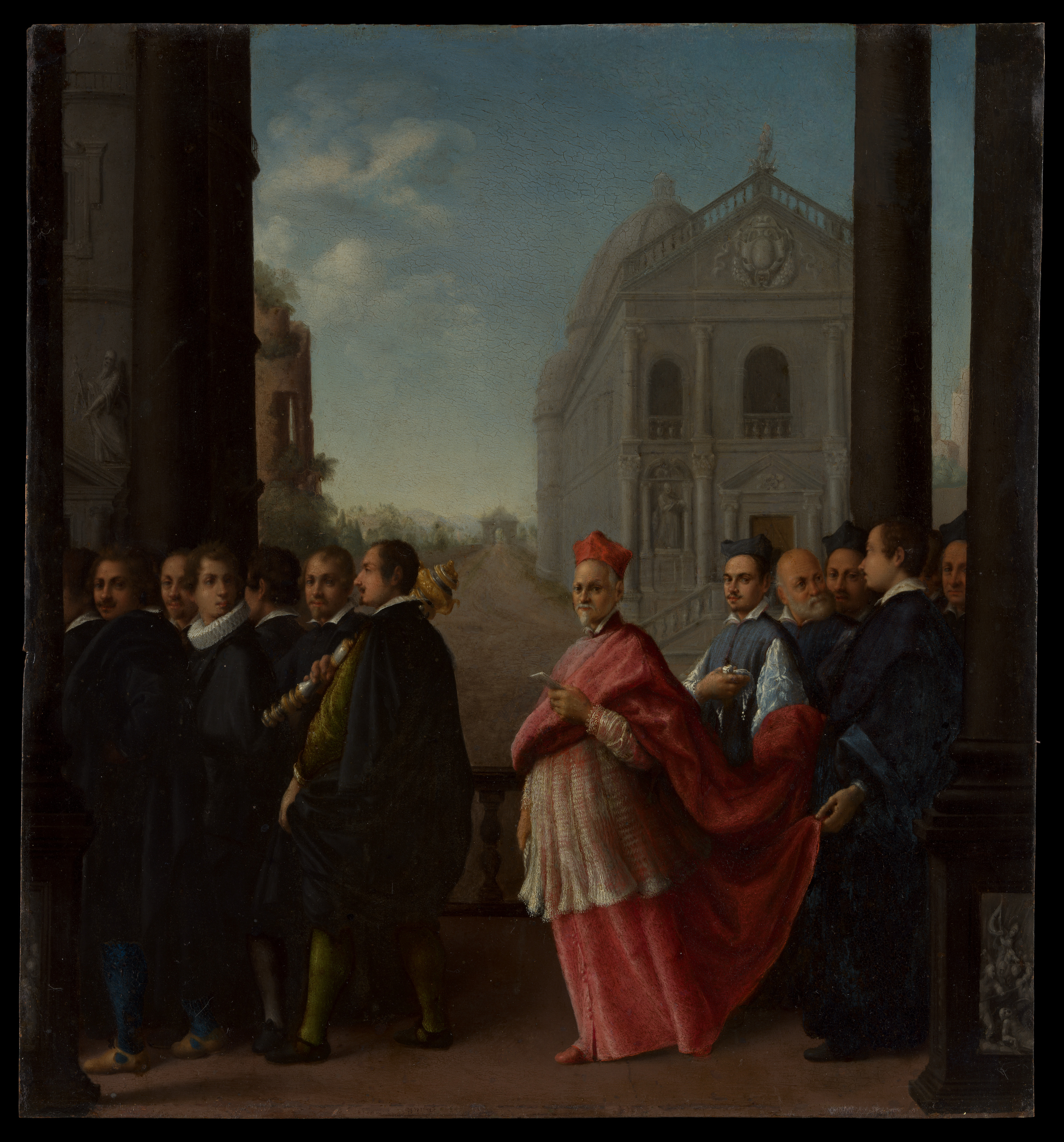
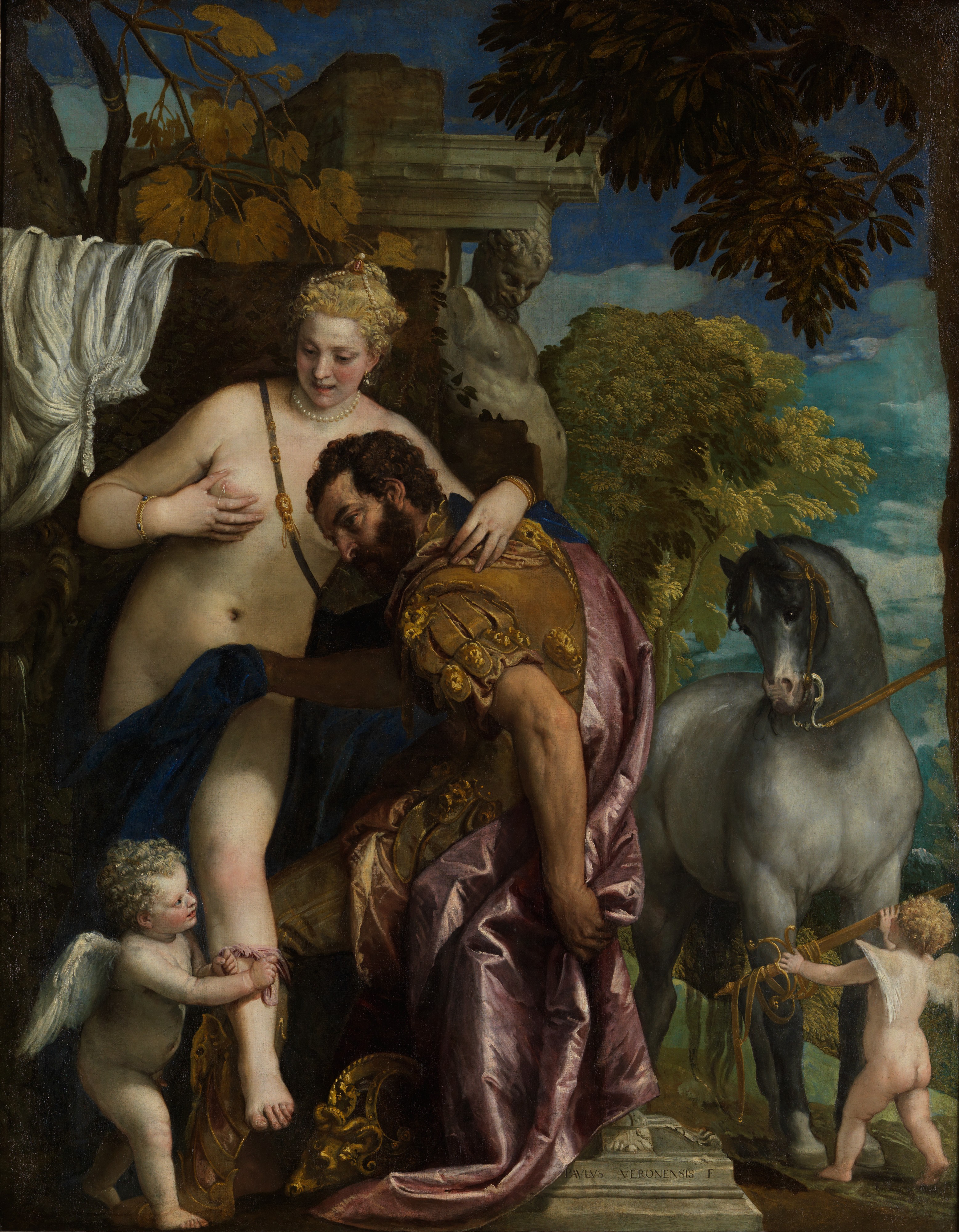
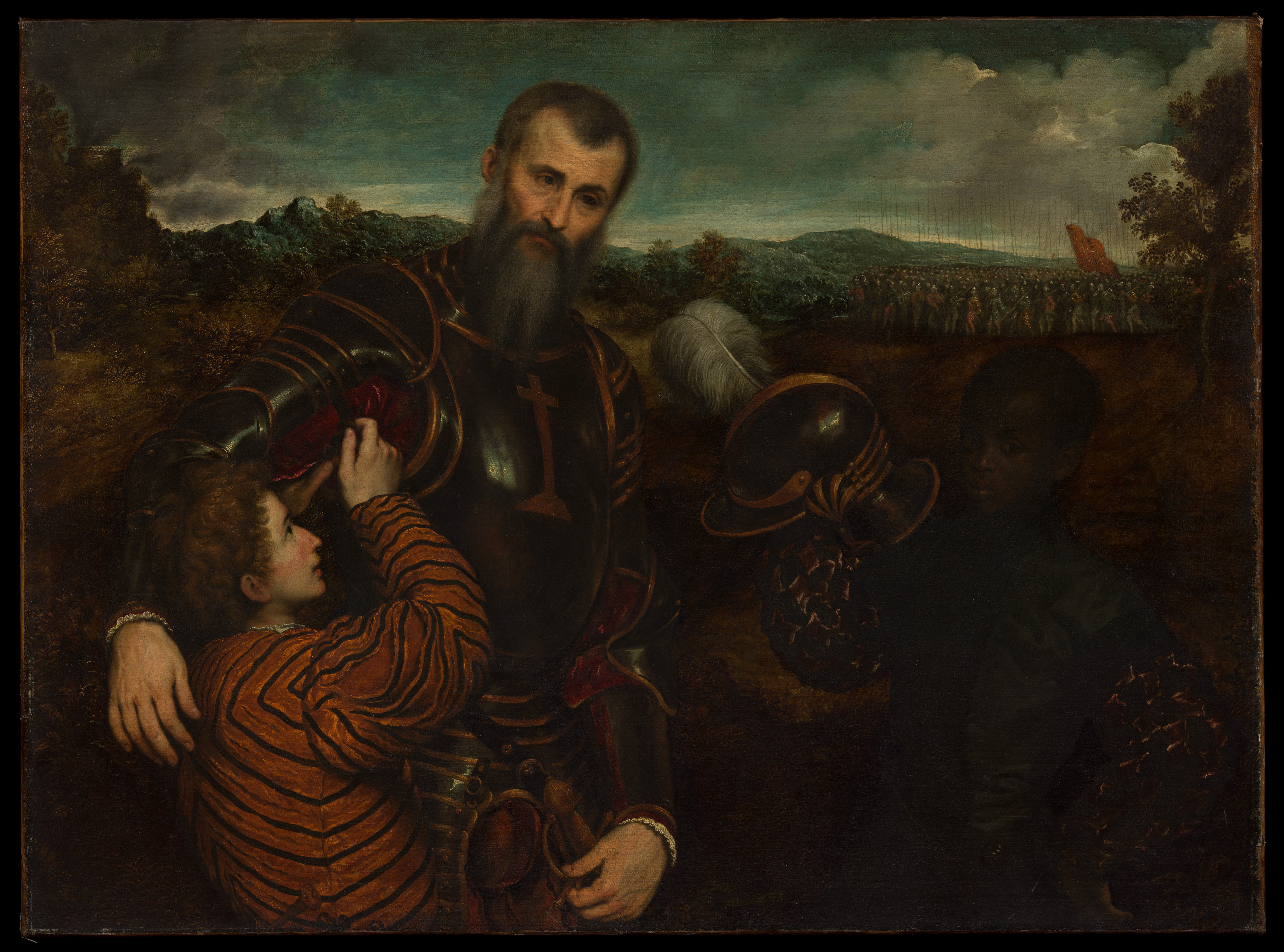
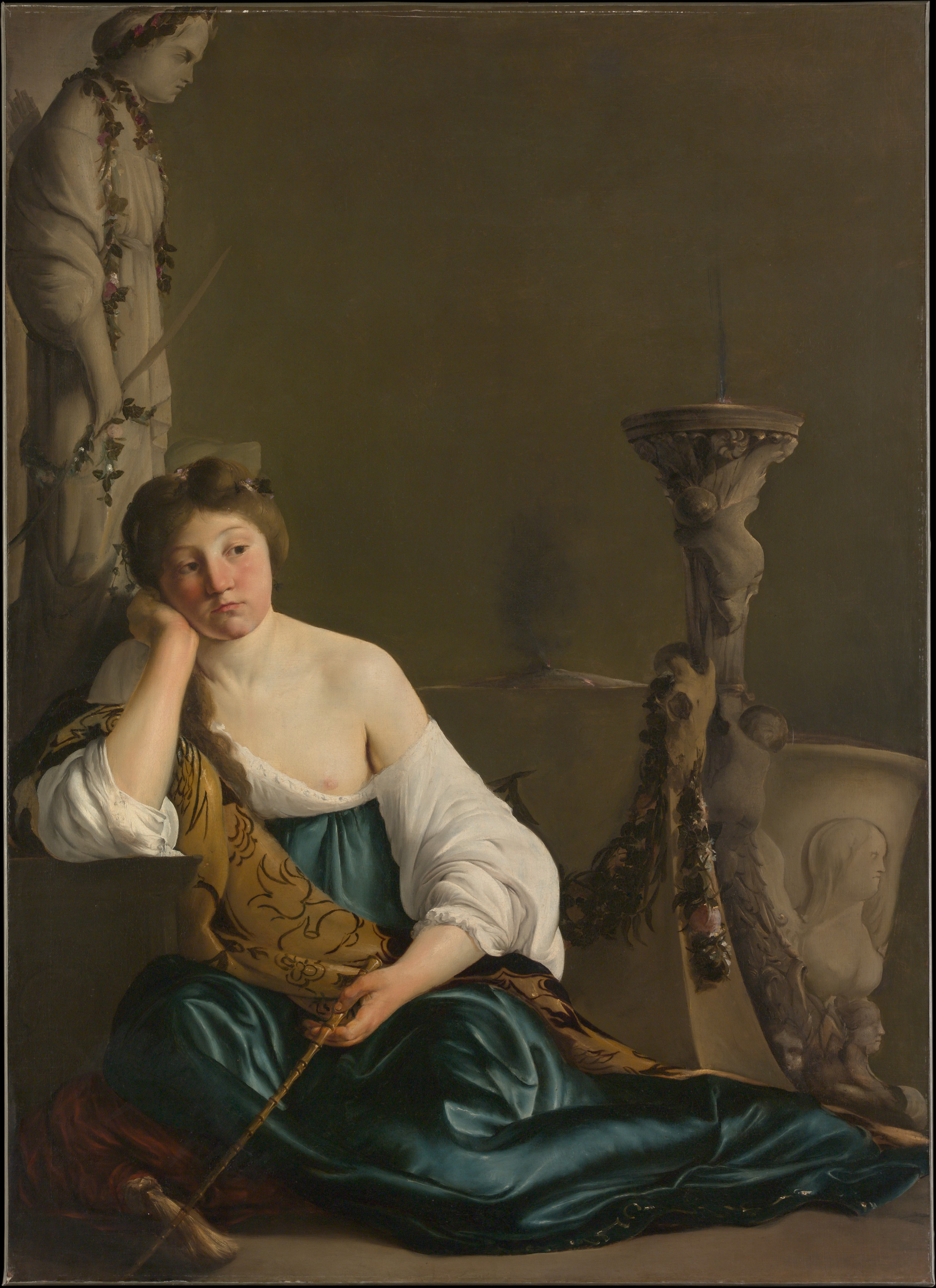

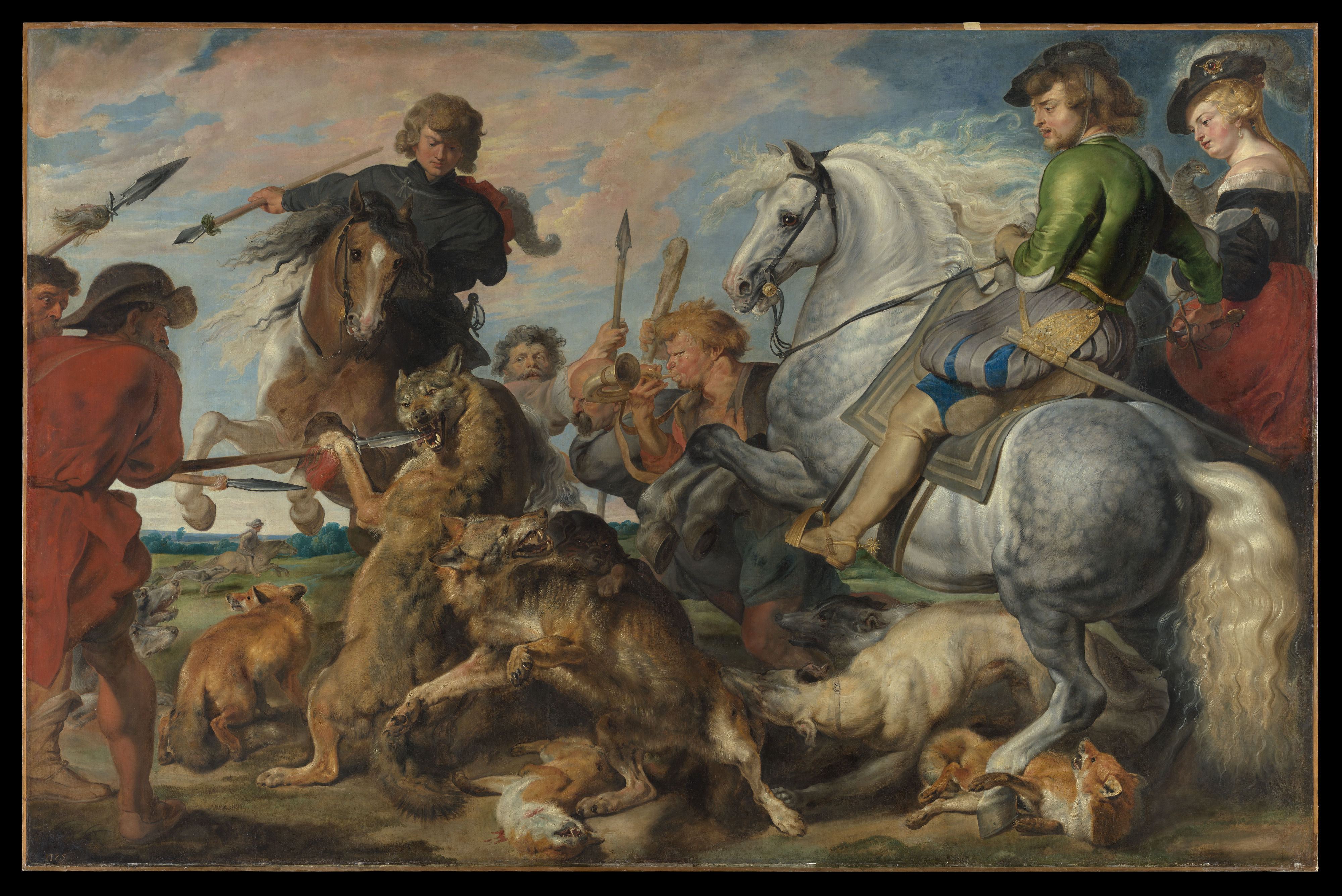
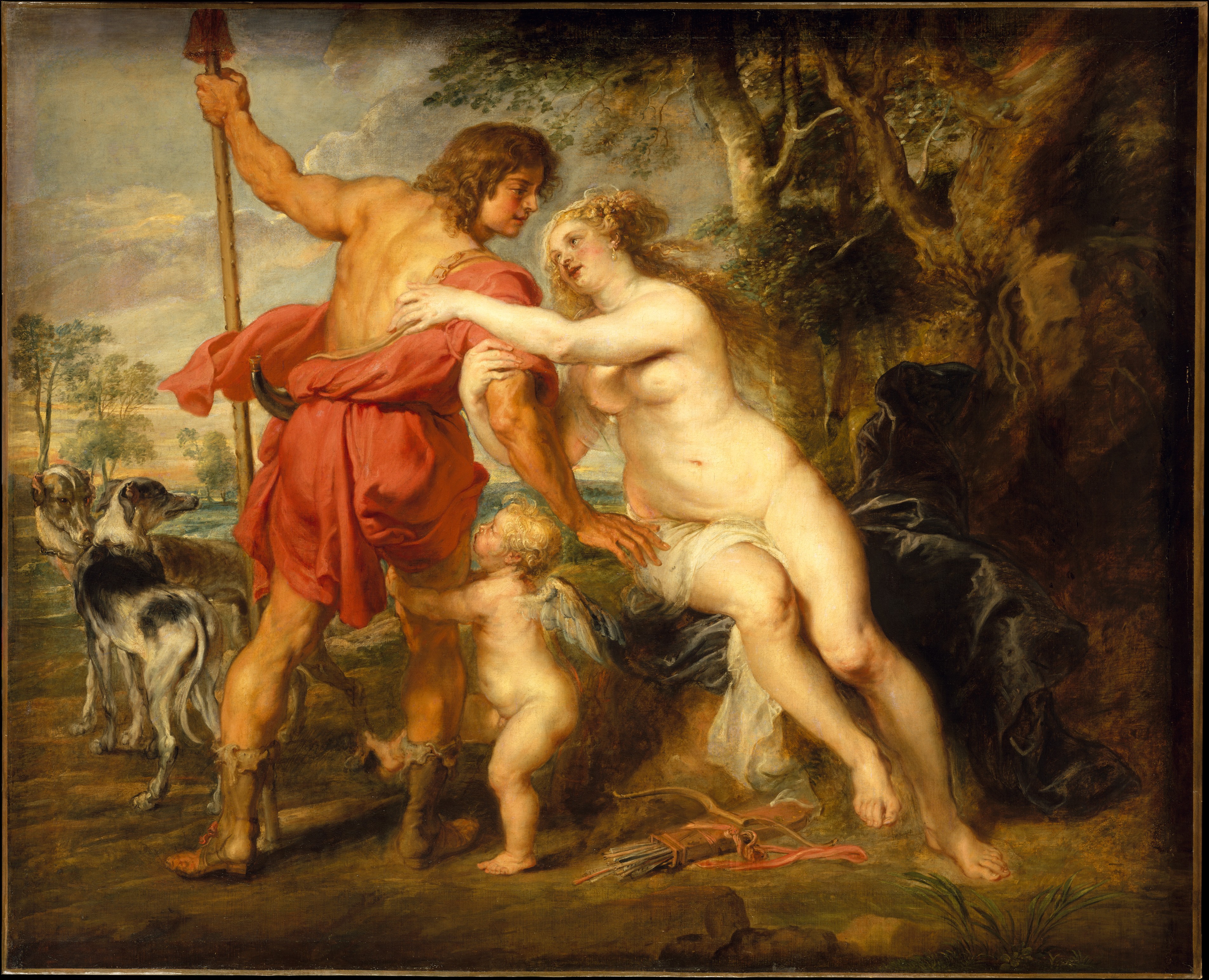

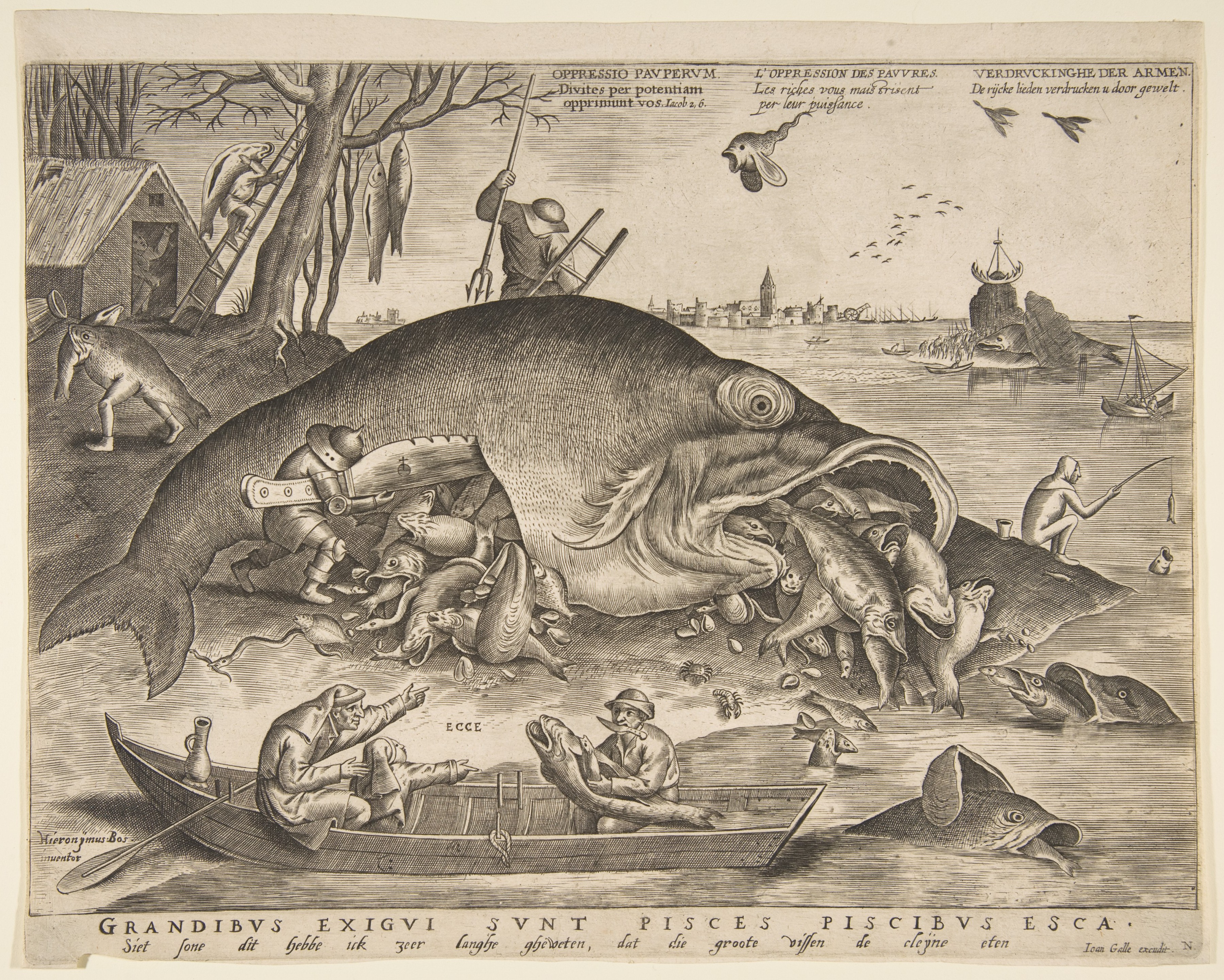
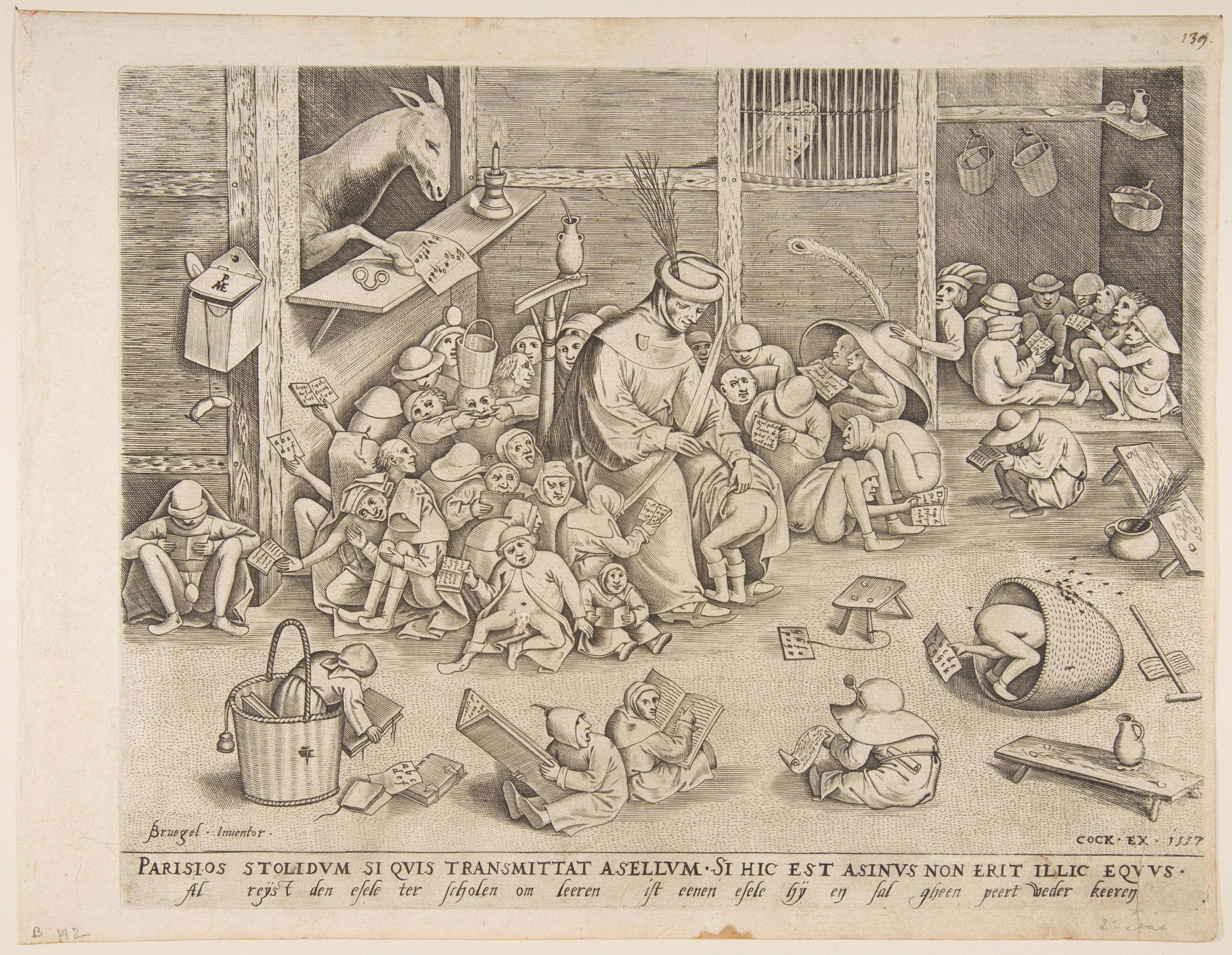
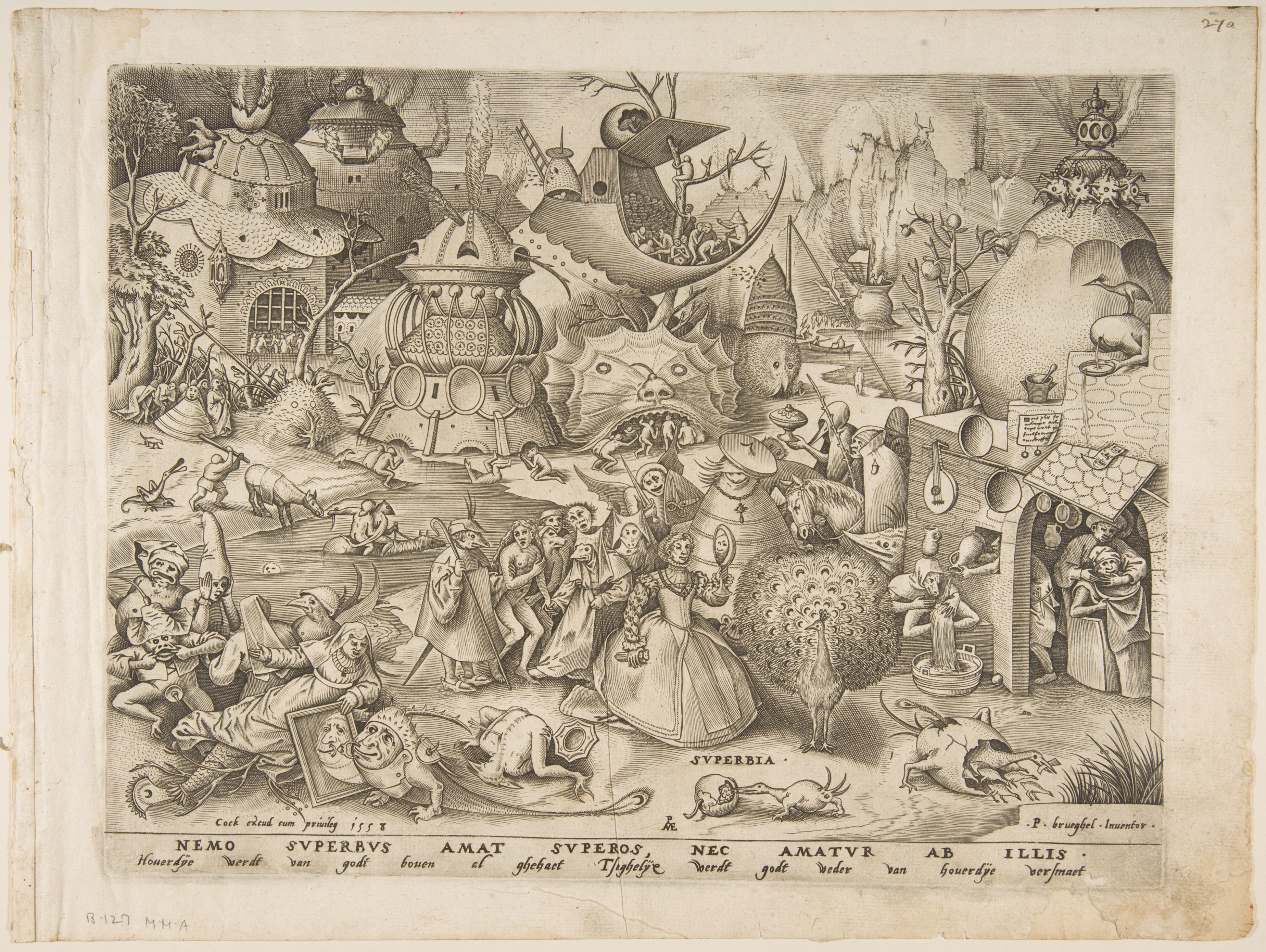
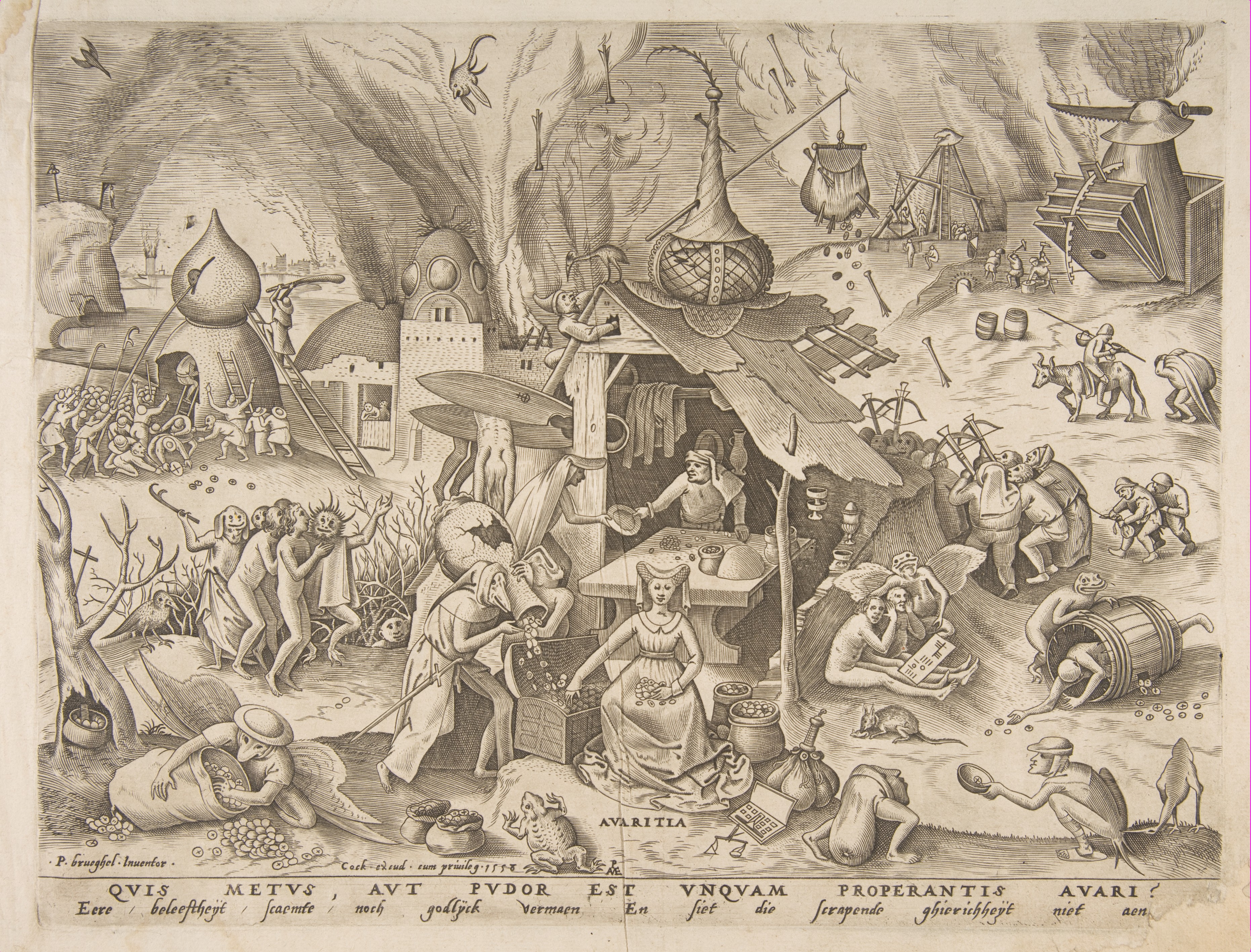
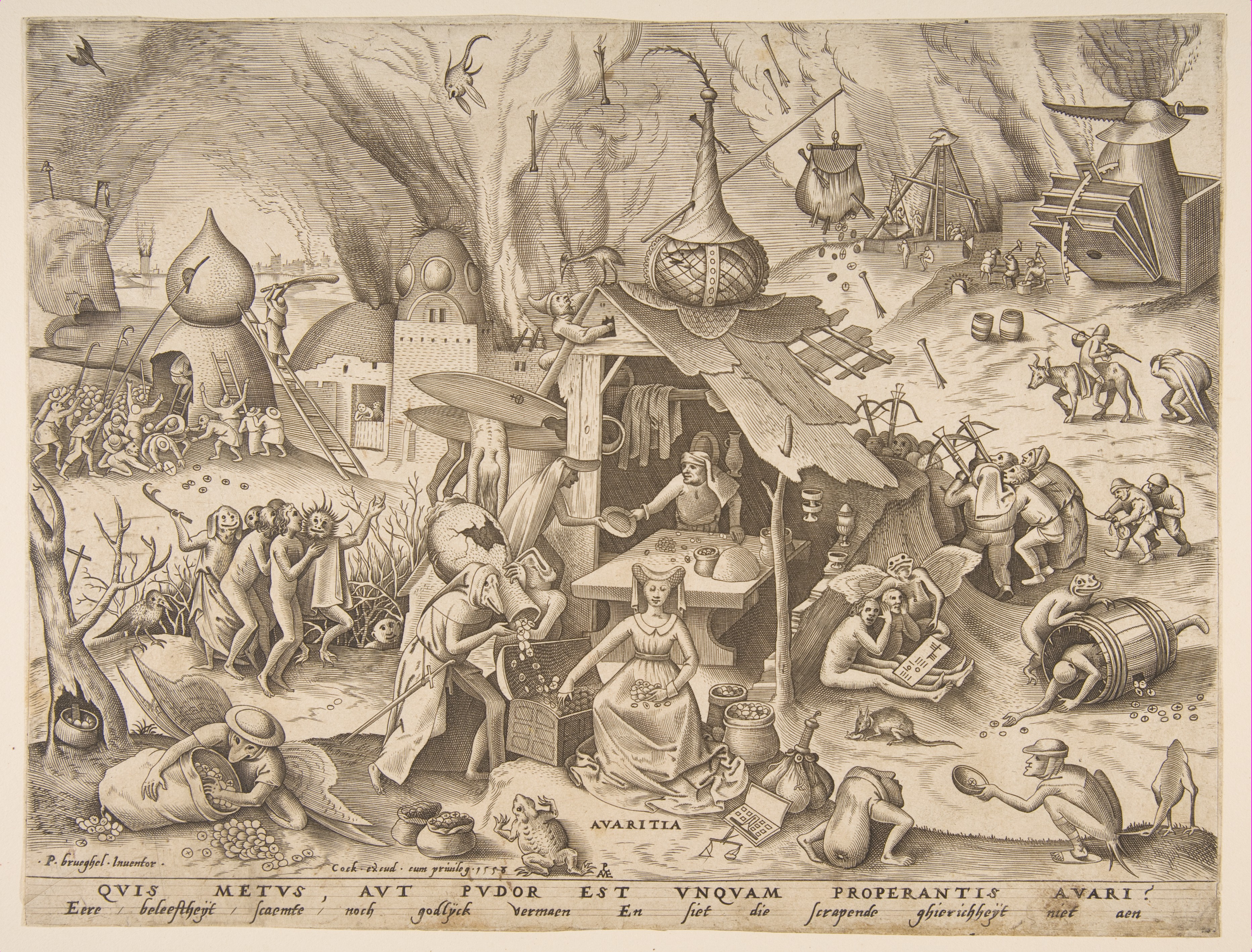
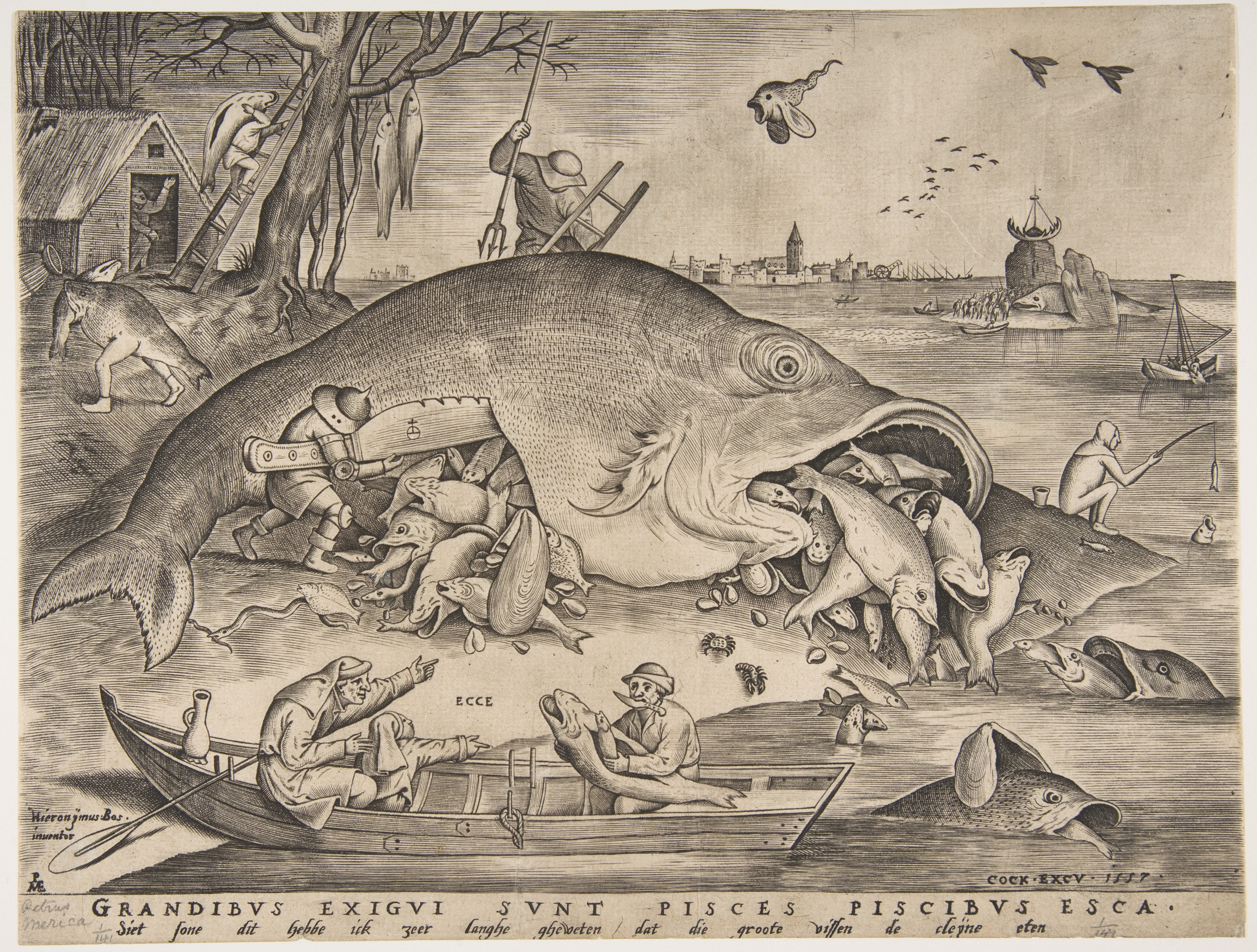
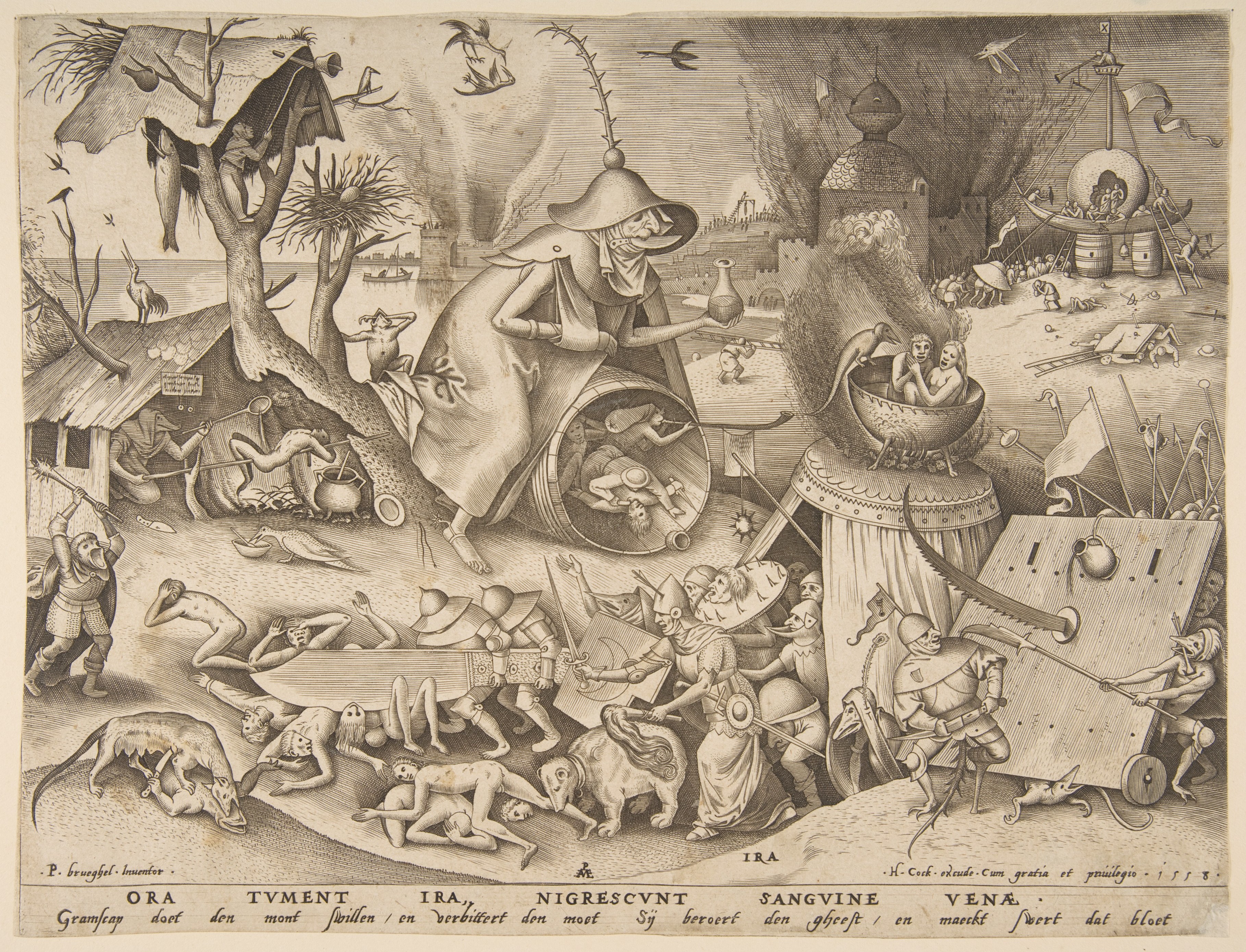
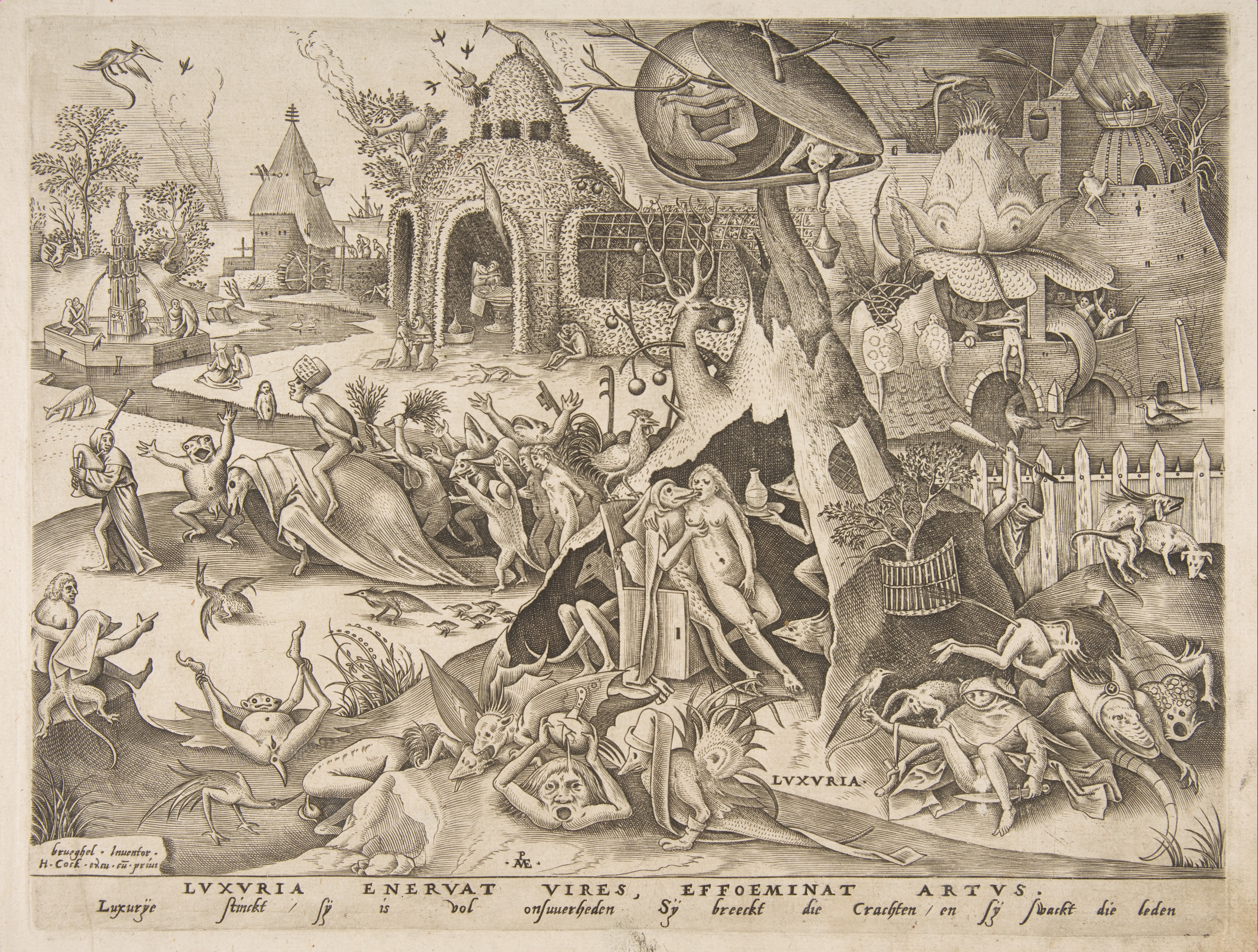
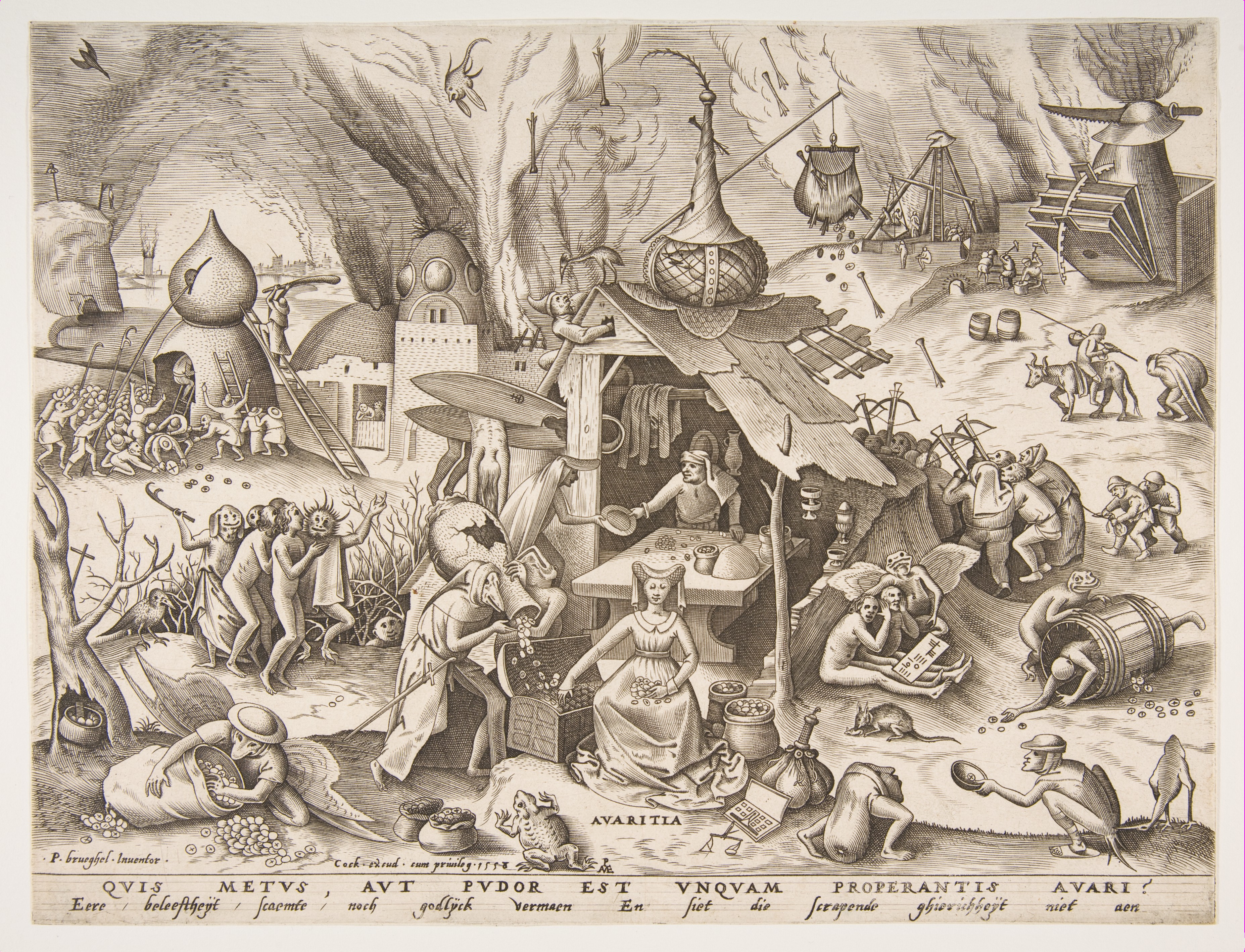
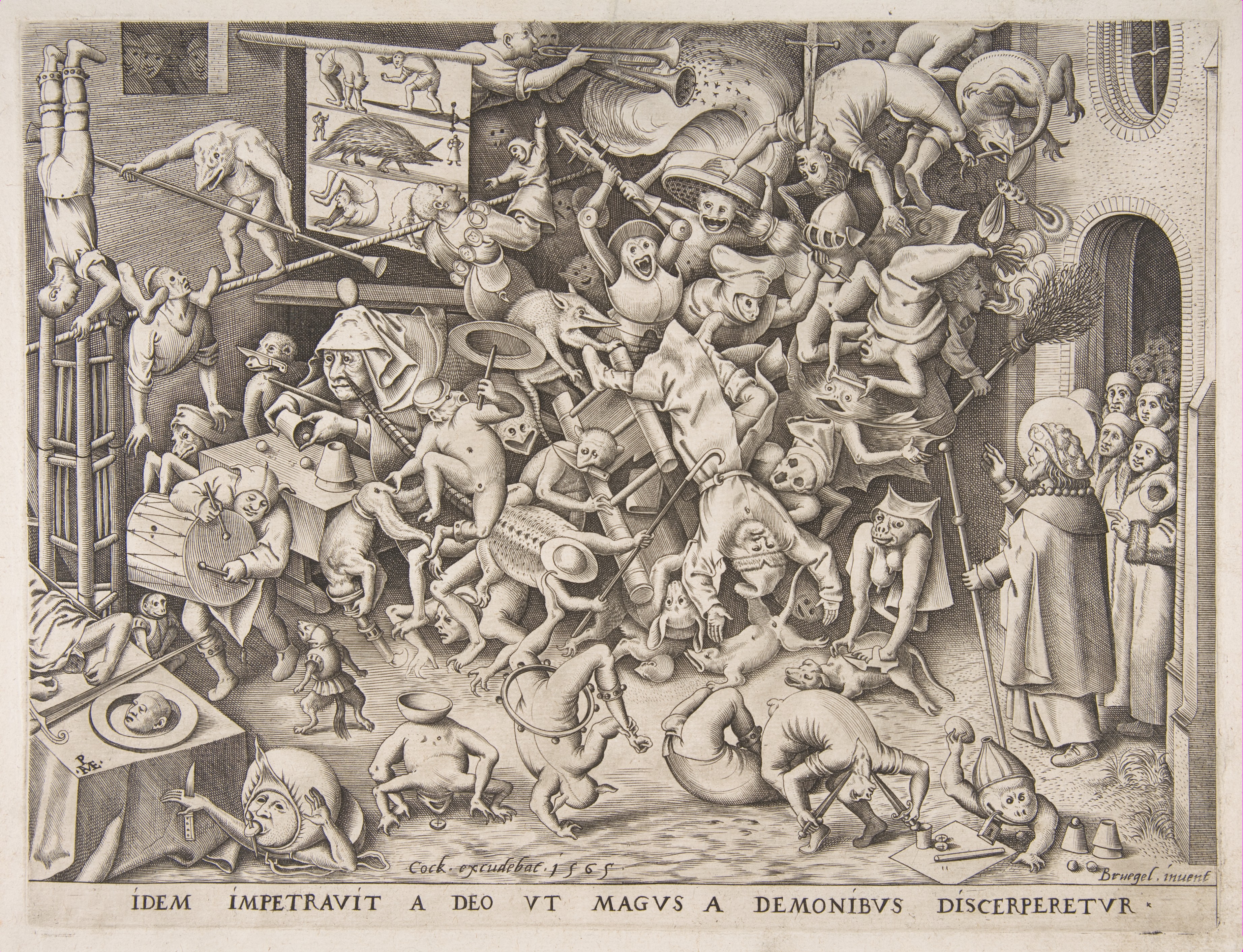
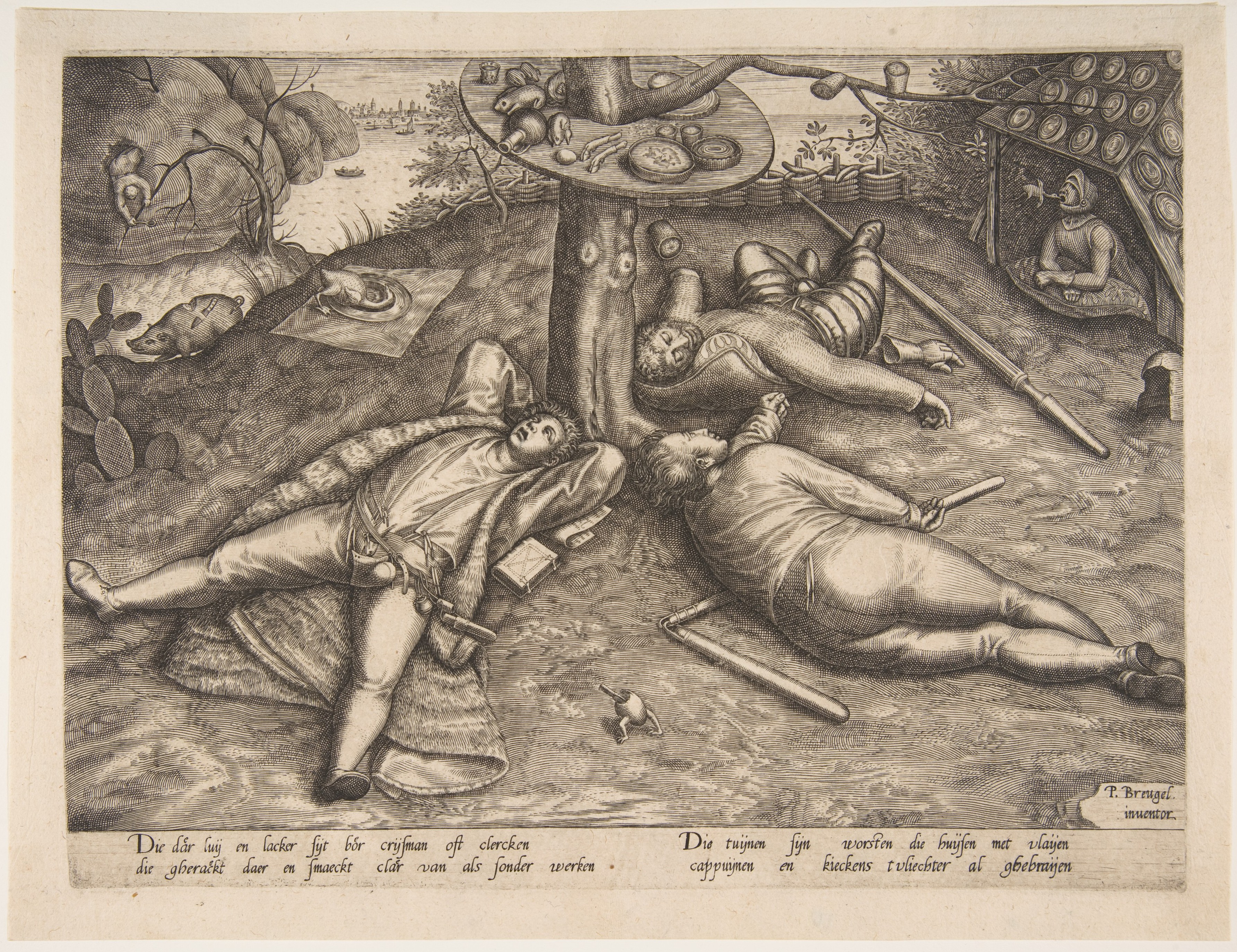
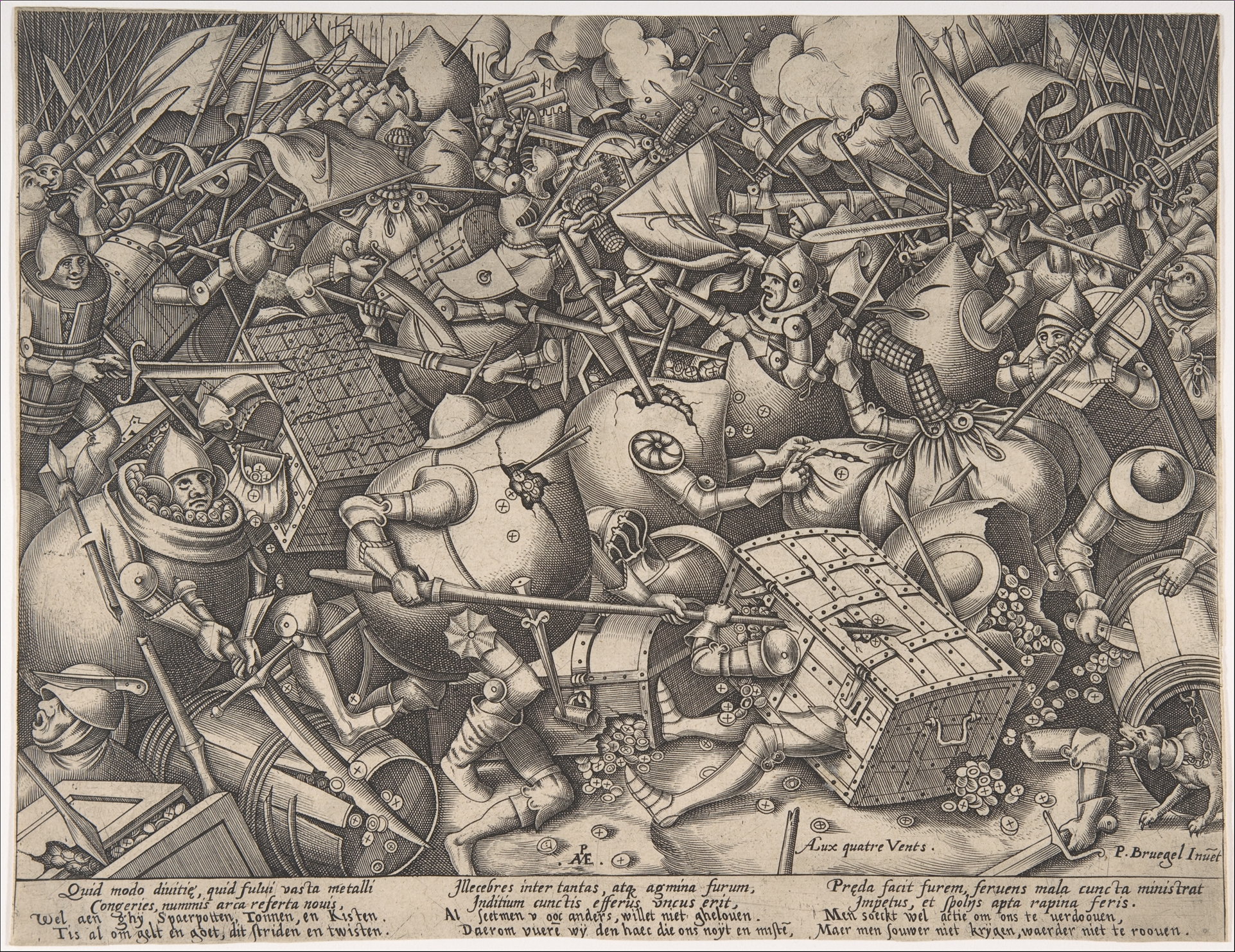
Avarice (Avaritia), from the series The Seven Deadly Sins
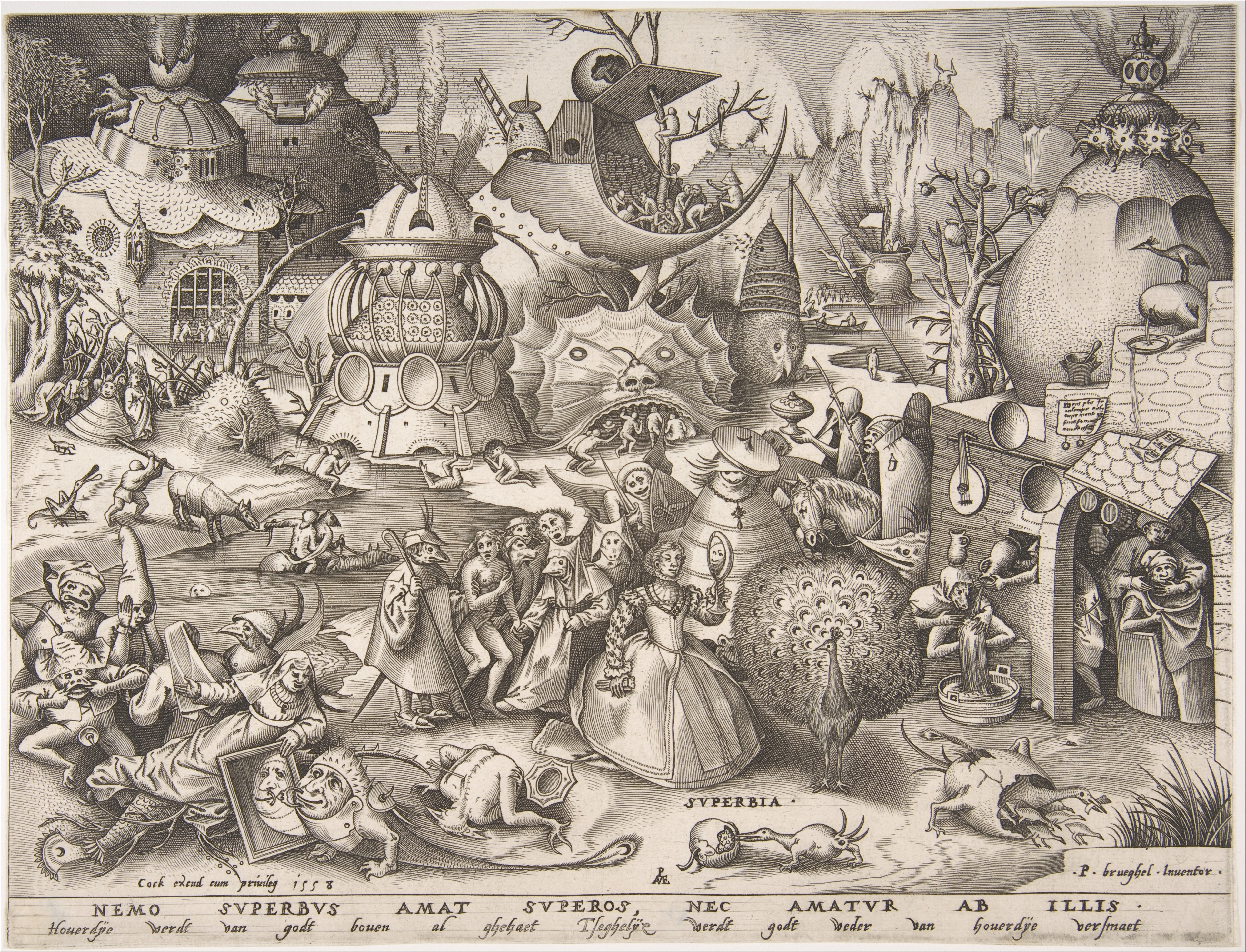
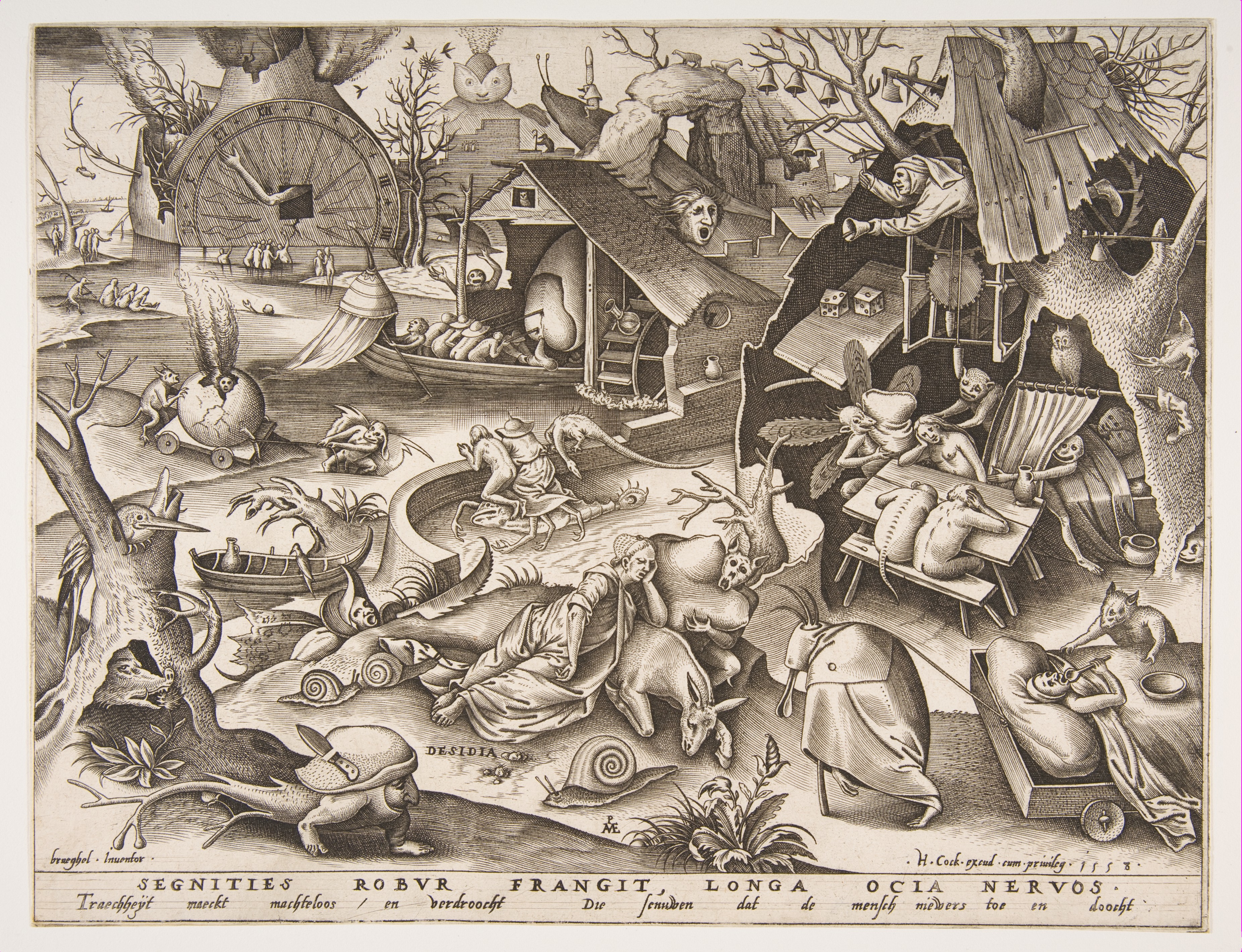
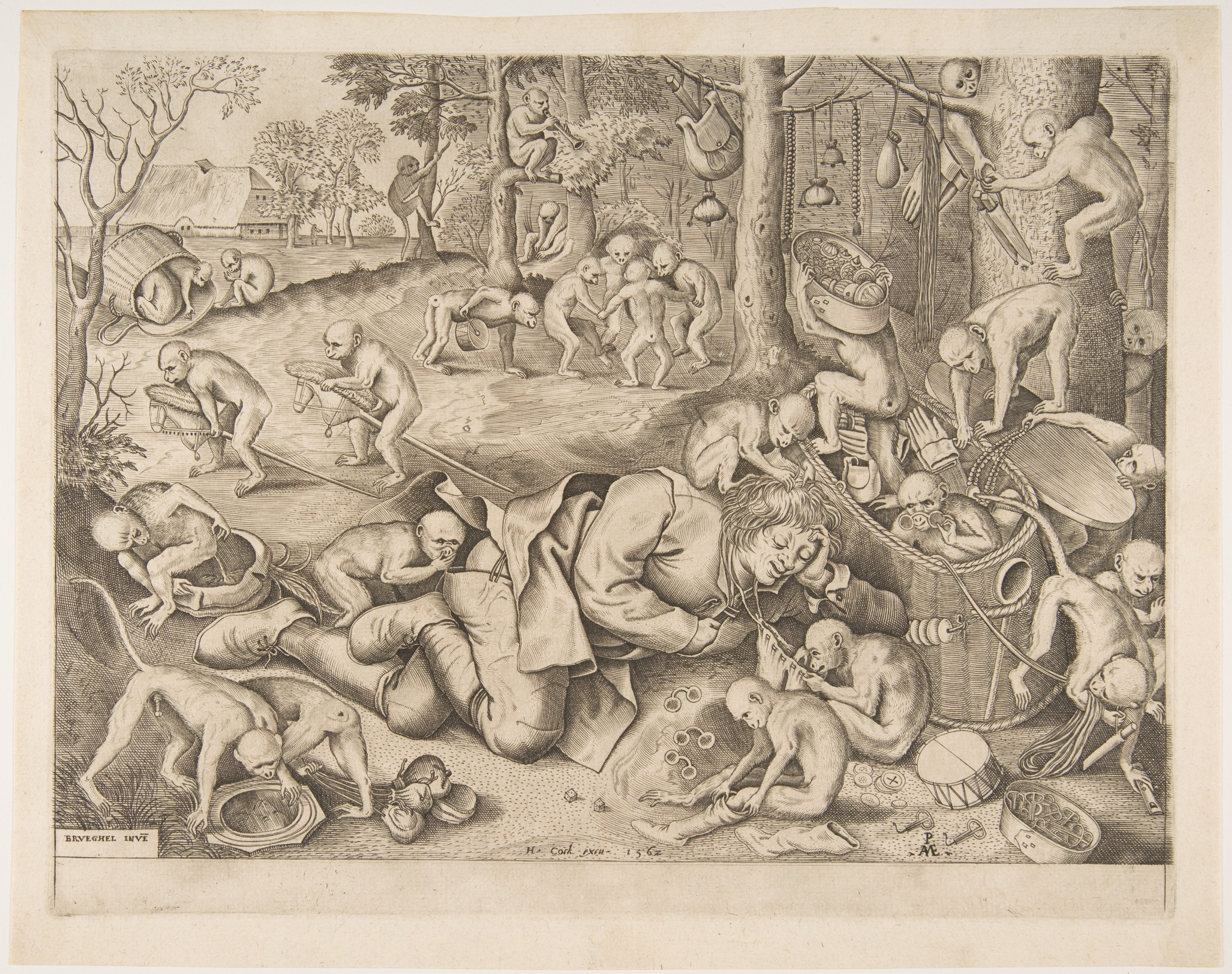
Pieter Bruegel the Elder
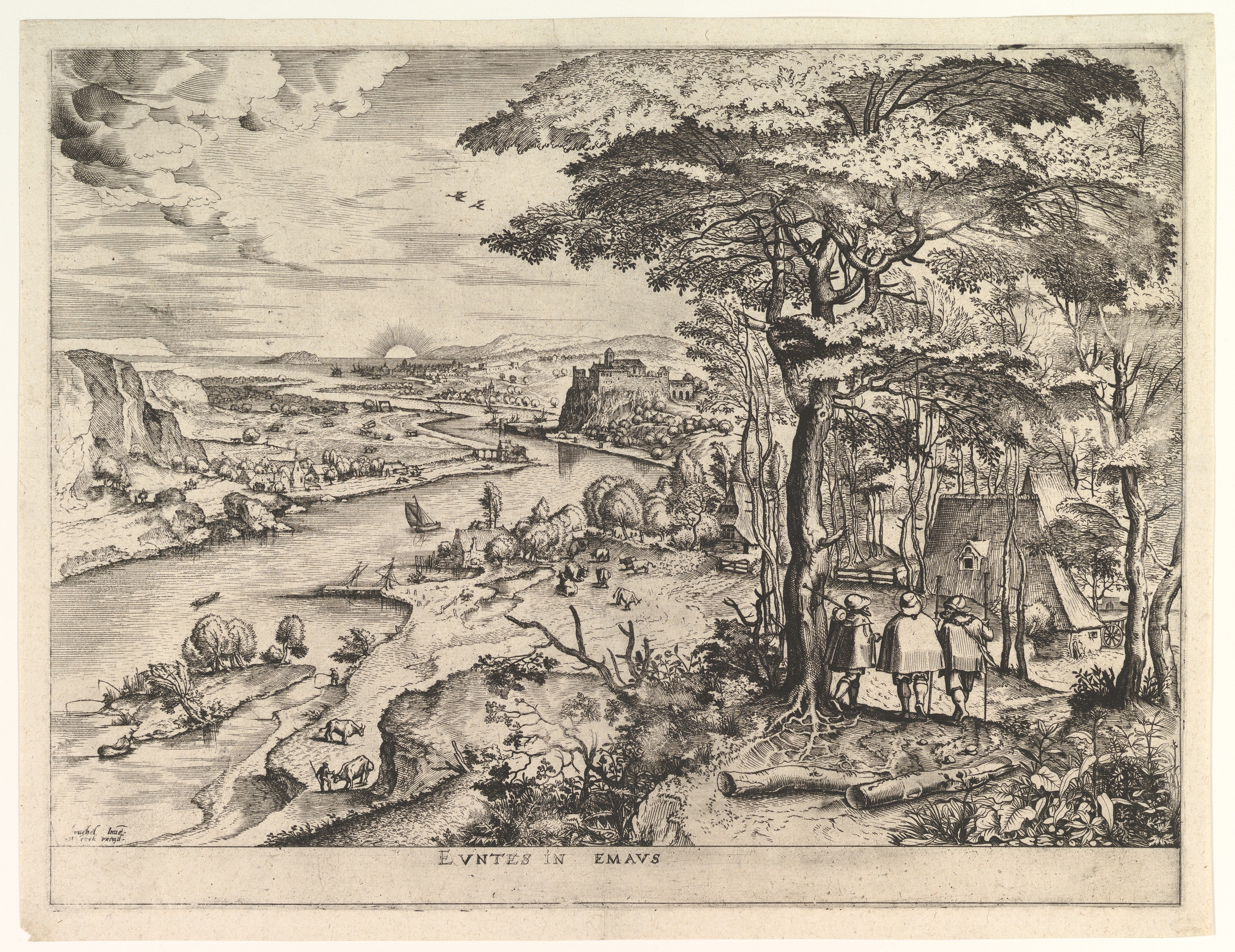
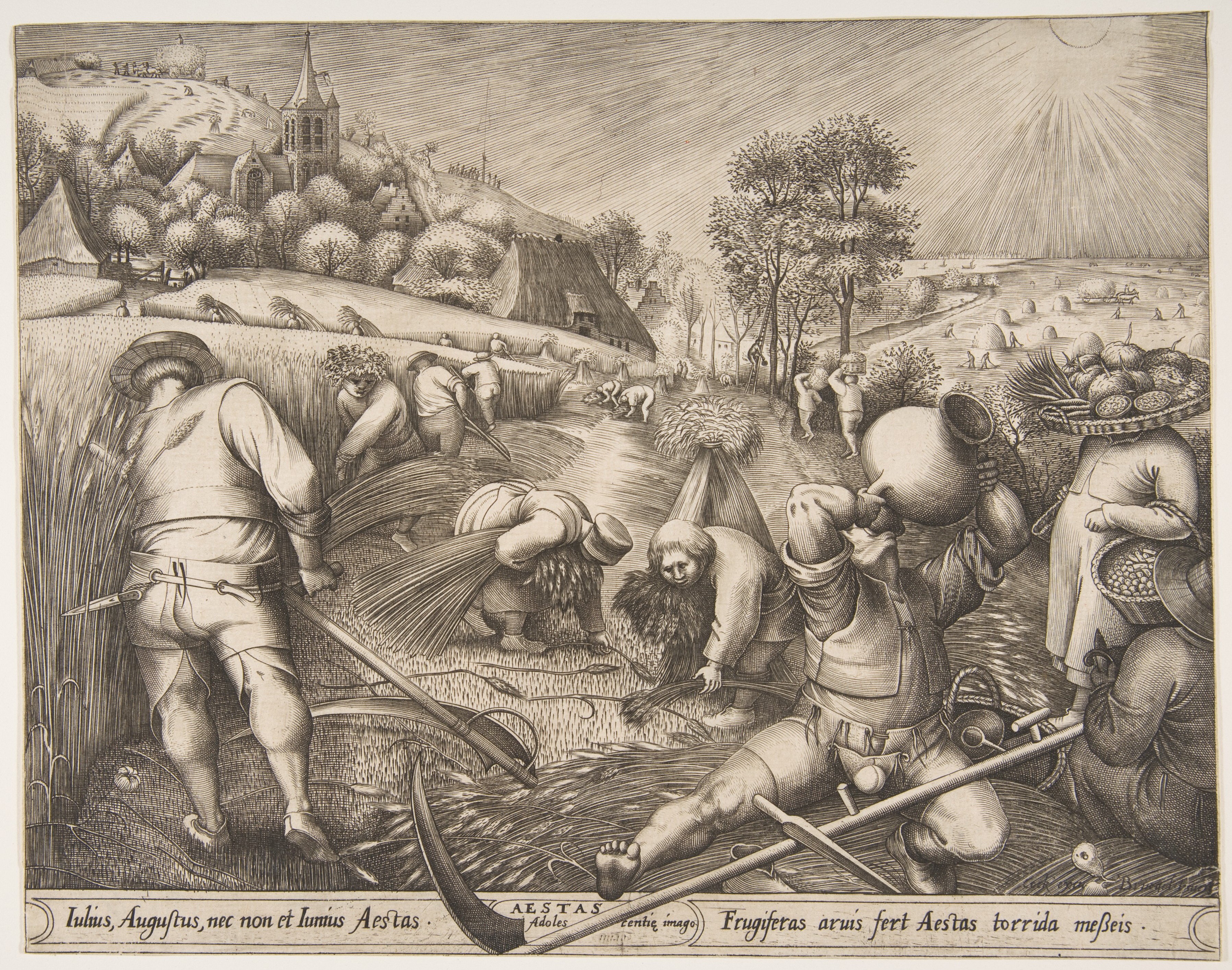
Euntes in Emaus (Landscape with Pilgrims at Emmaus), from "The Large Landscapes"
Pieter Bruegel the Elder

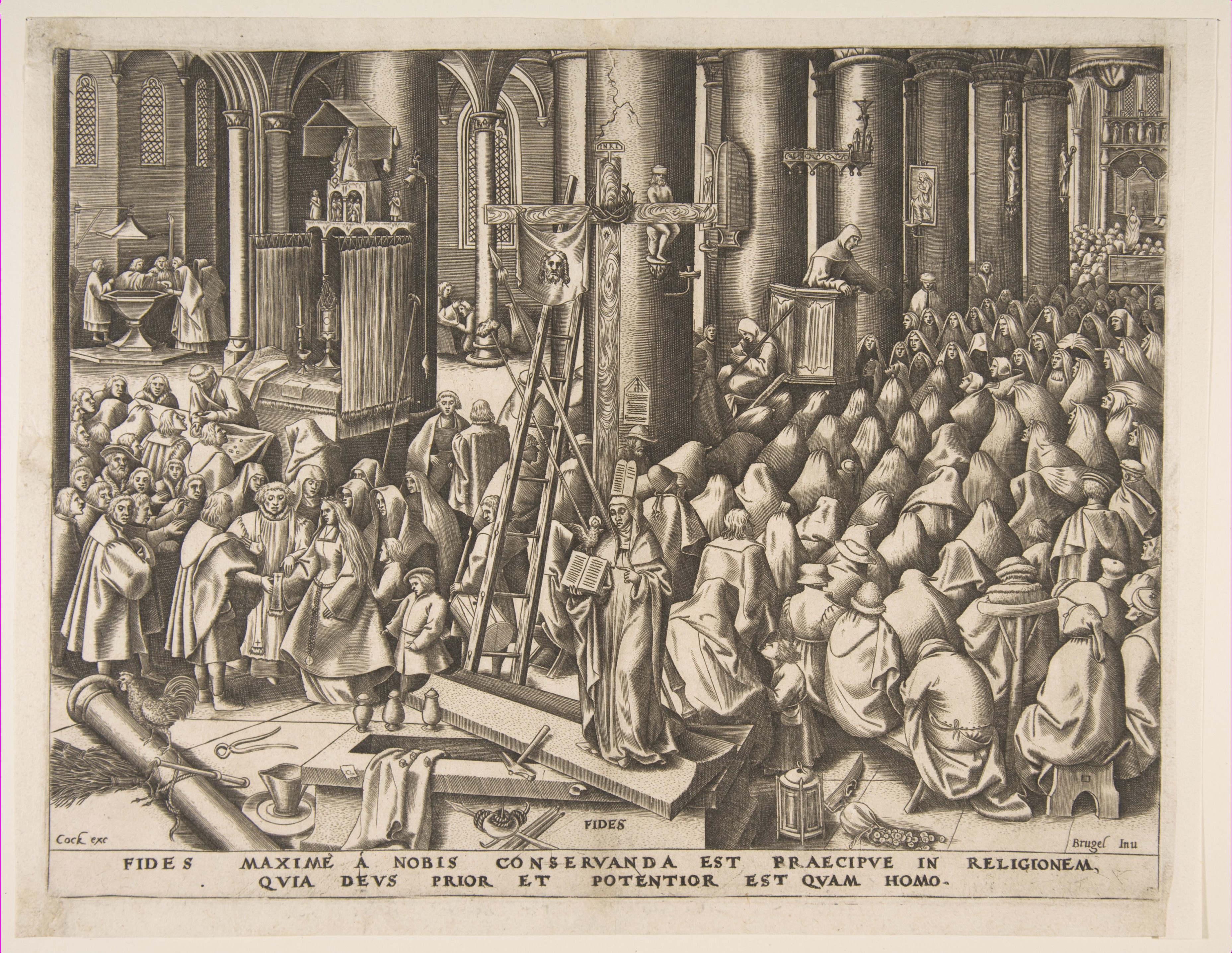
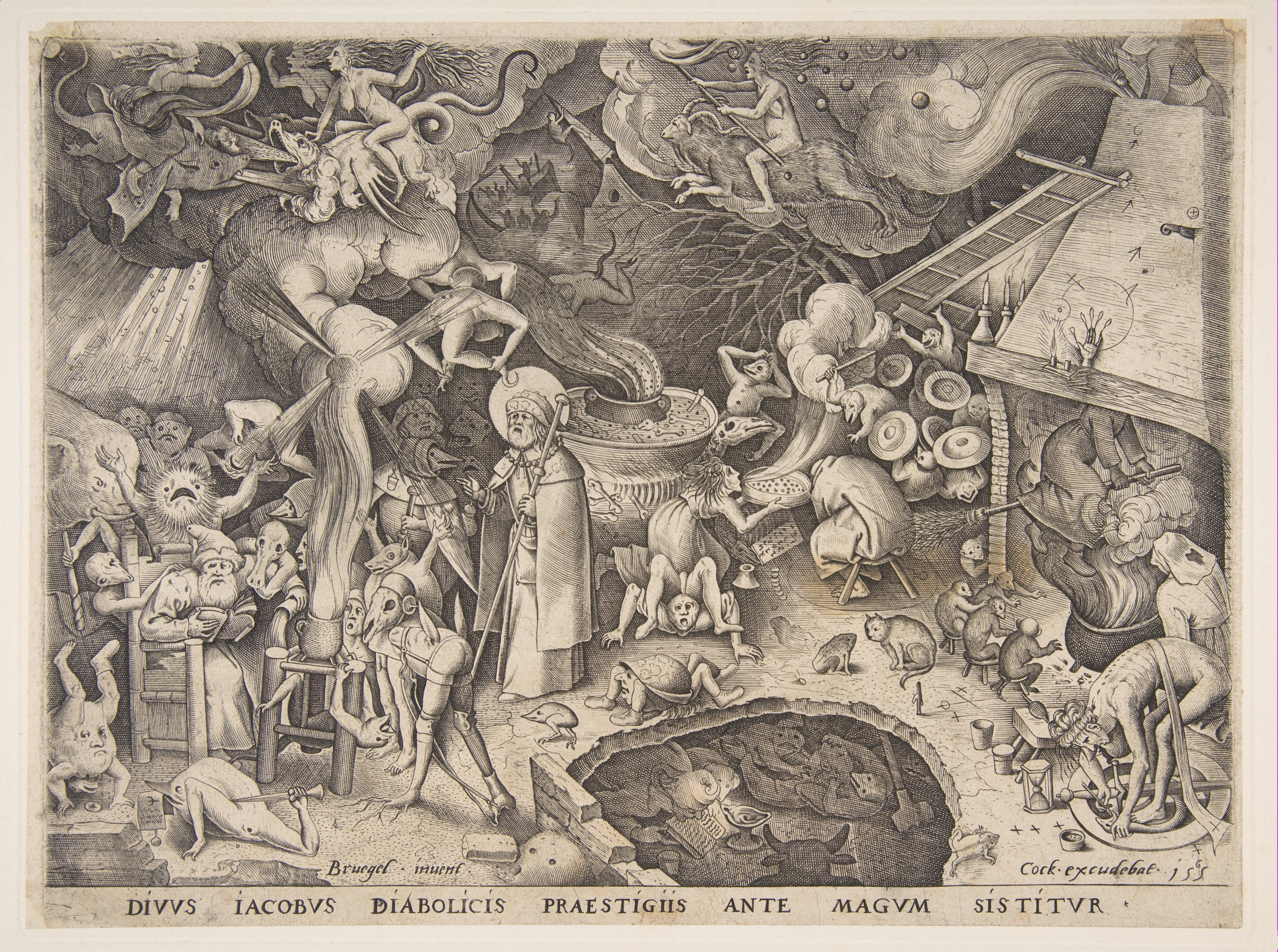
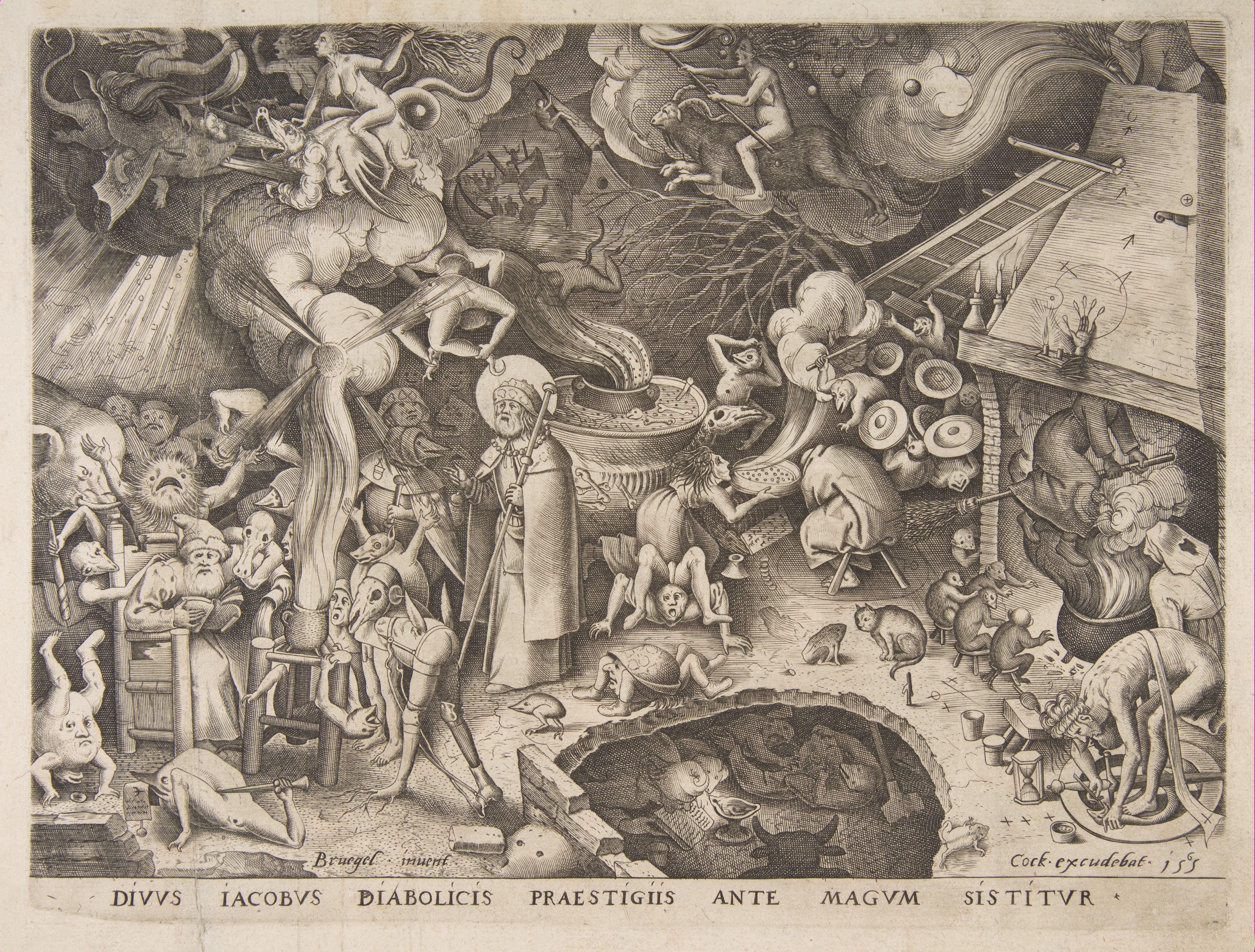
St. James and the Magician Hermogenes from The Story of the Magician Hermogenes
Pieter Bruegel the Elder
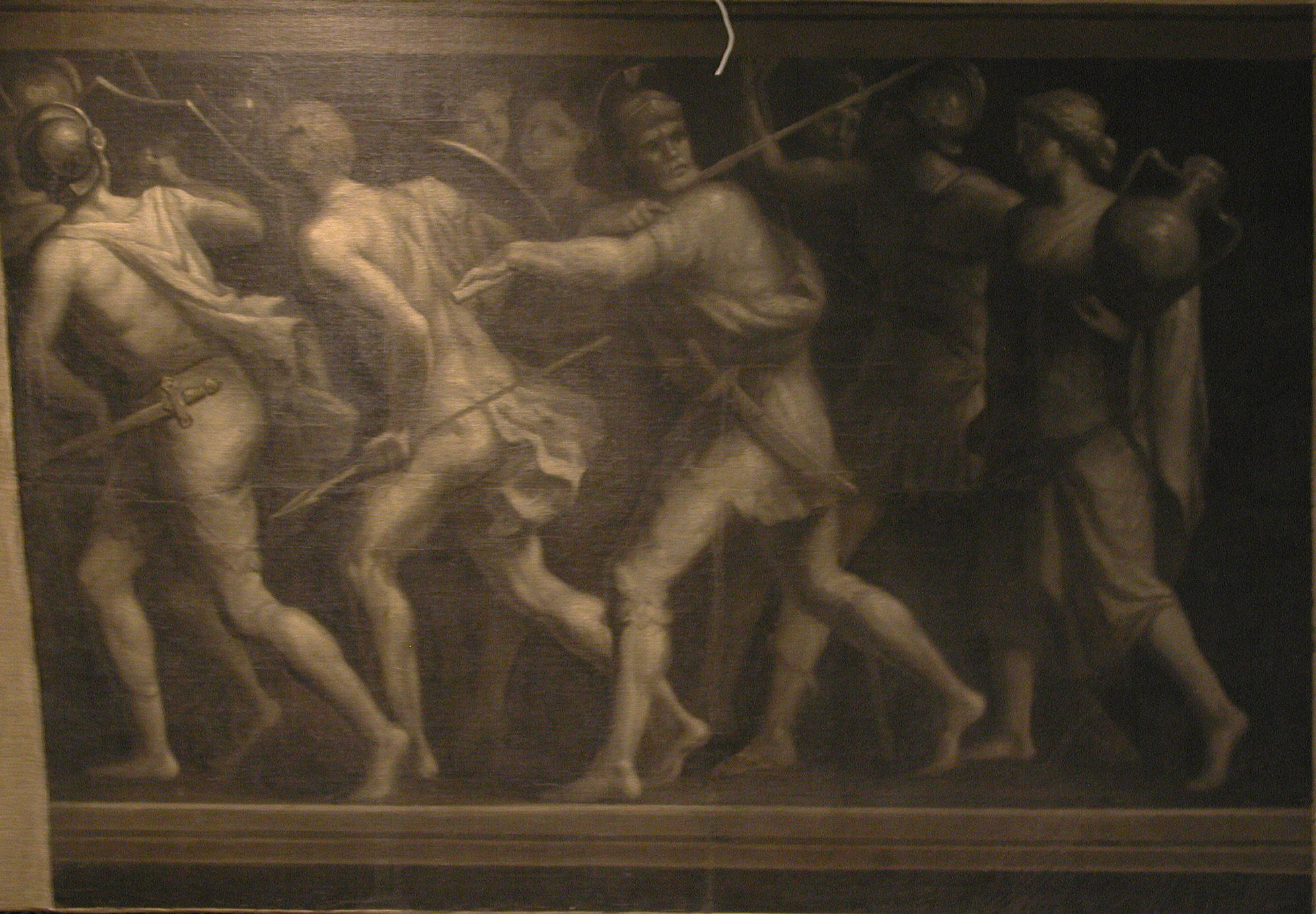
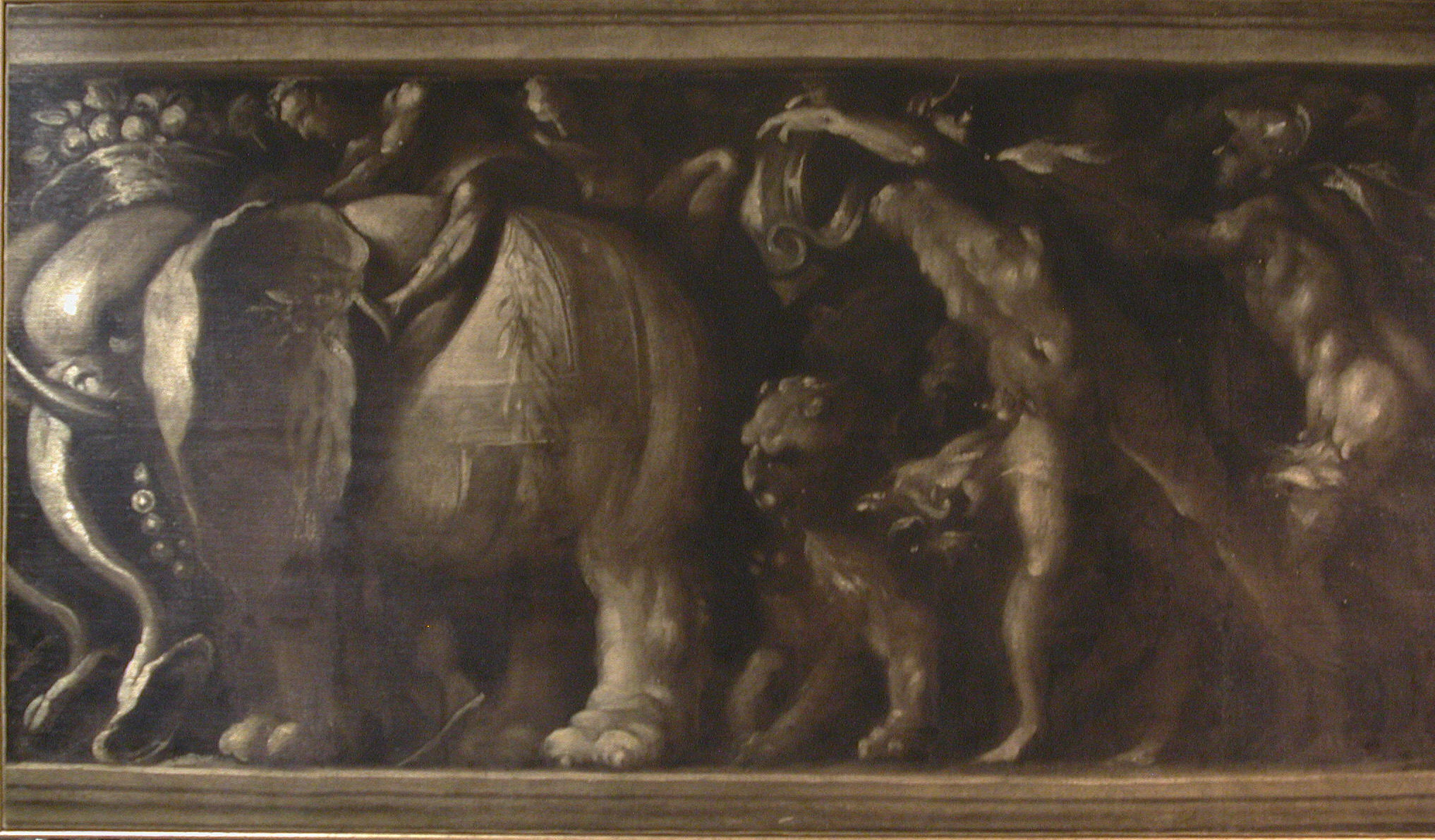
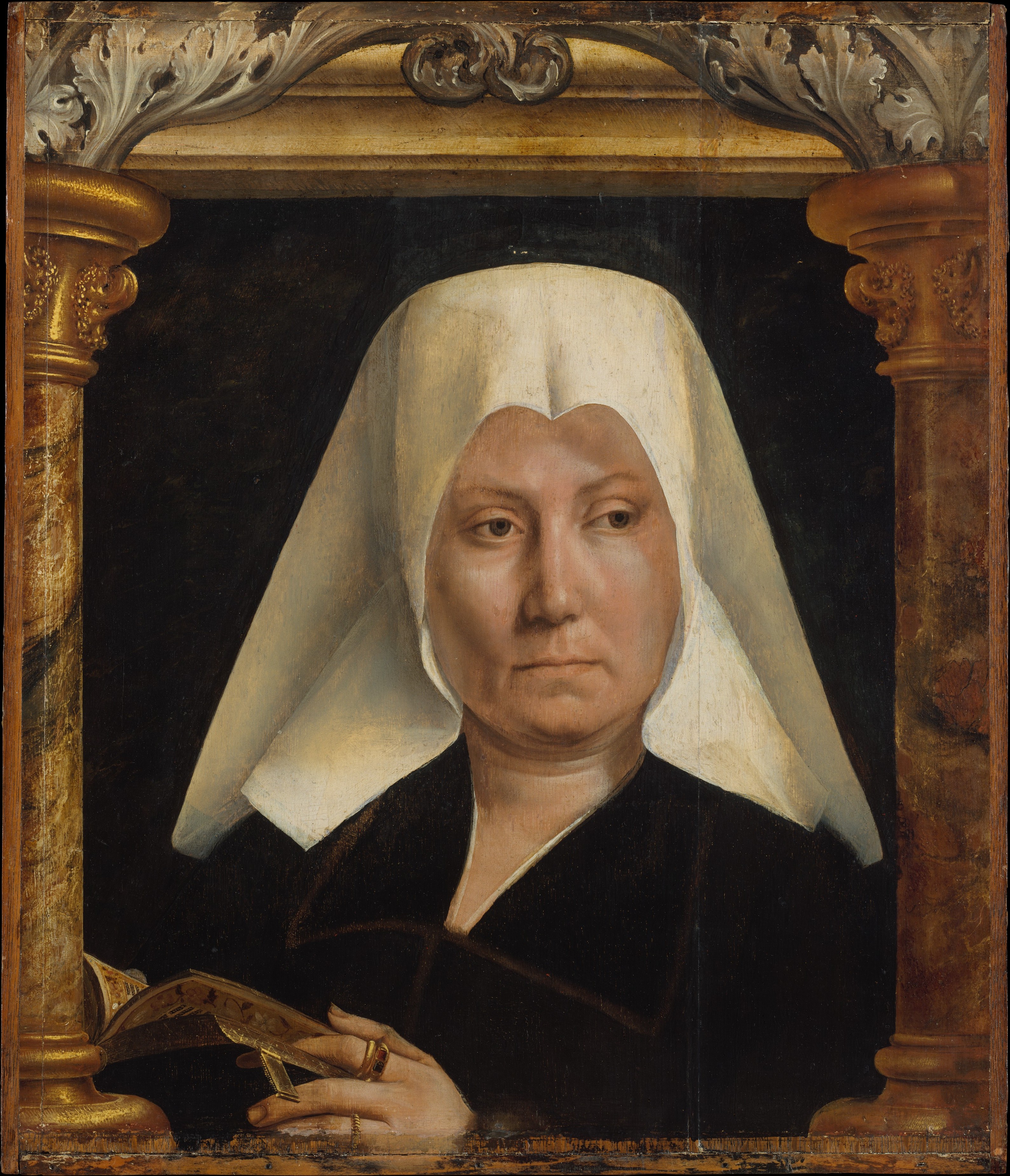
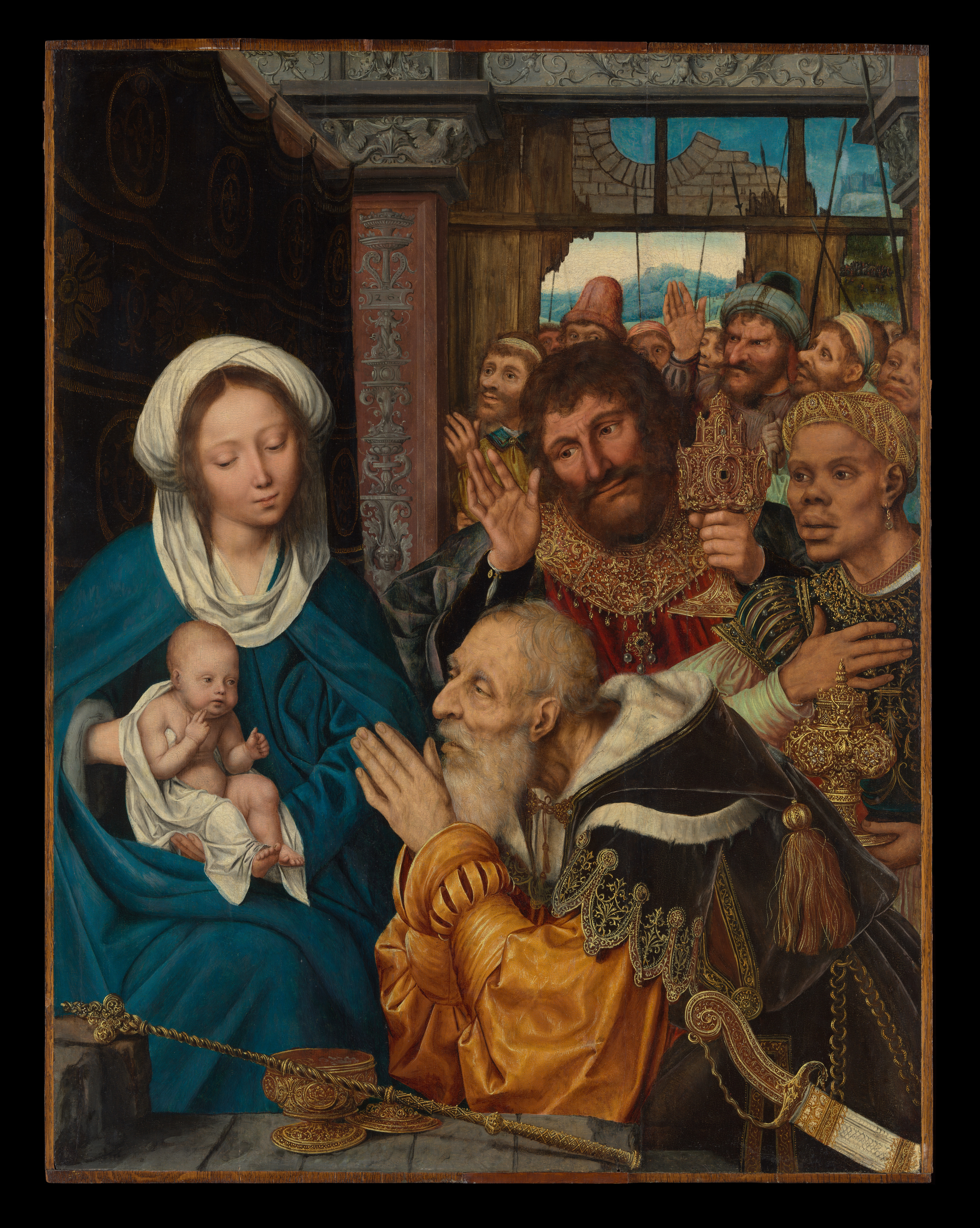
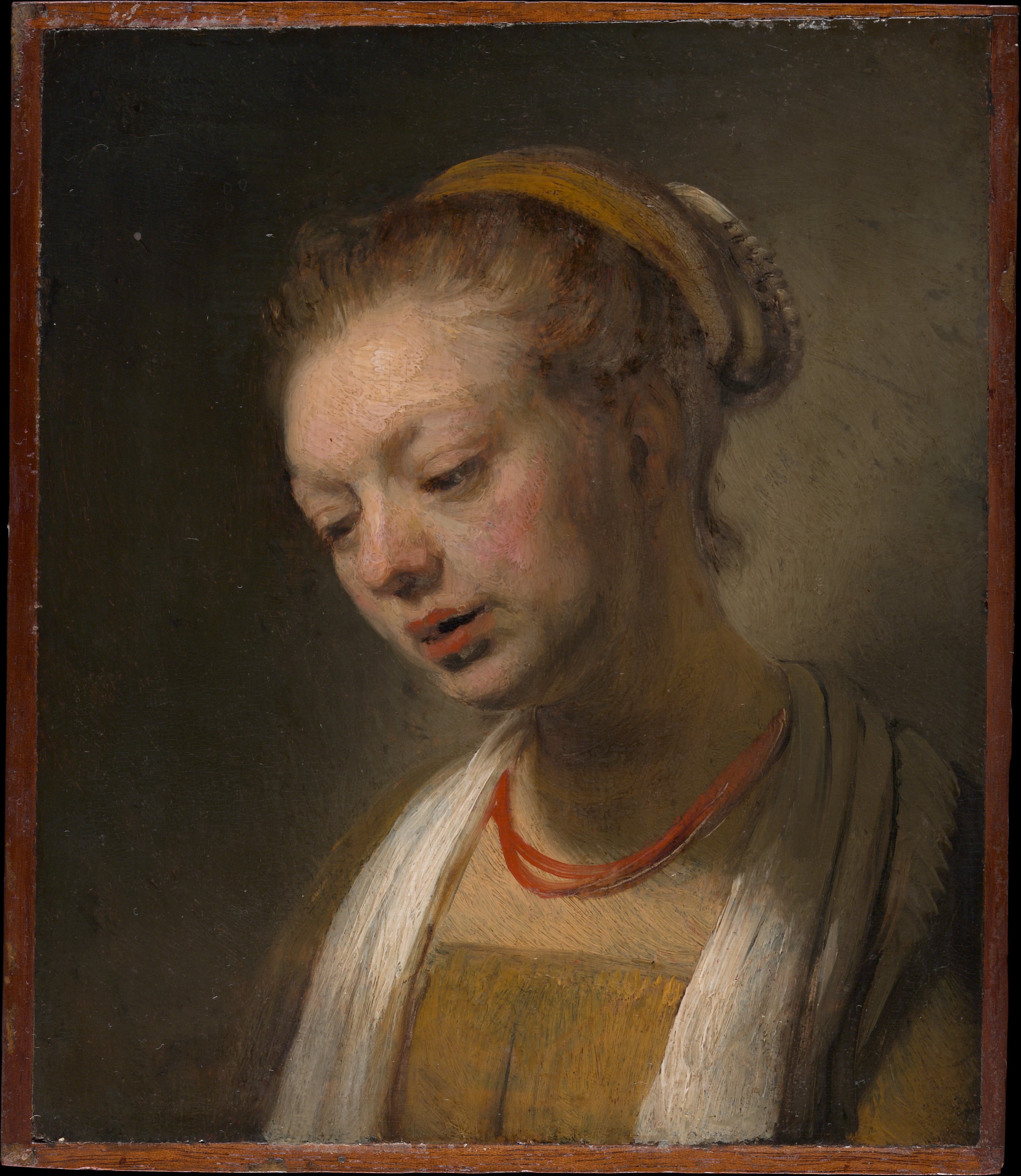
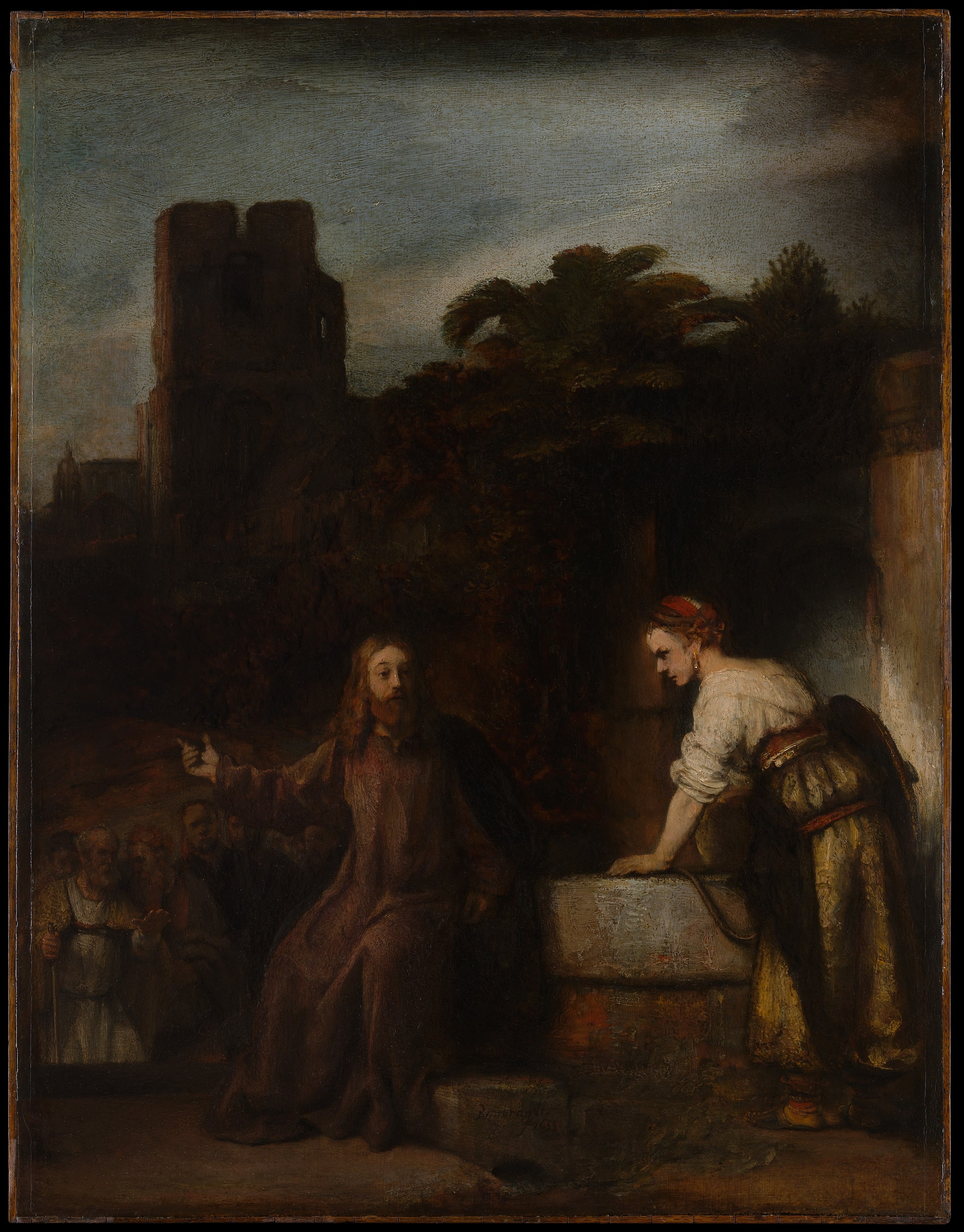
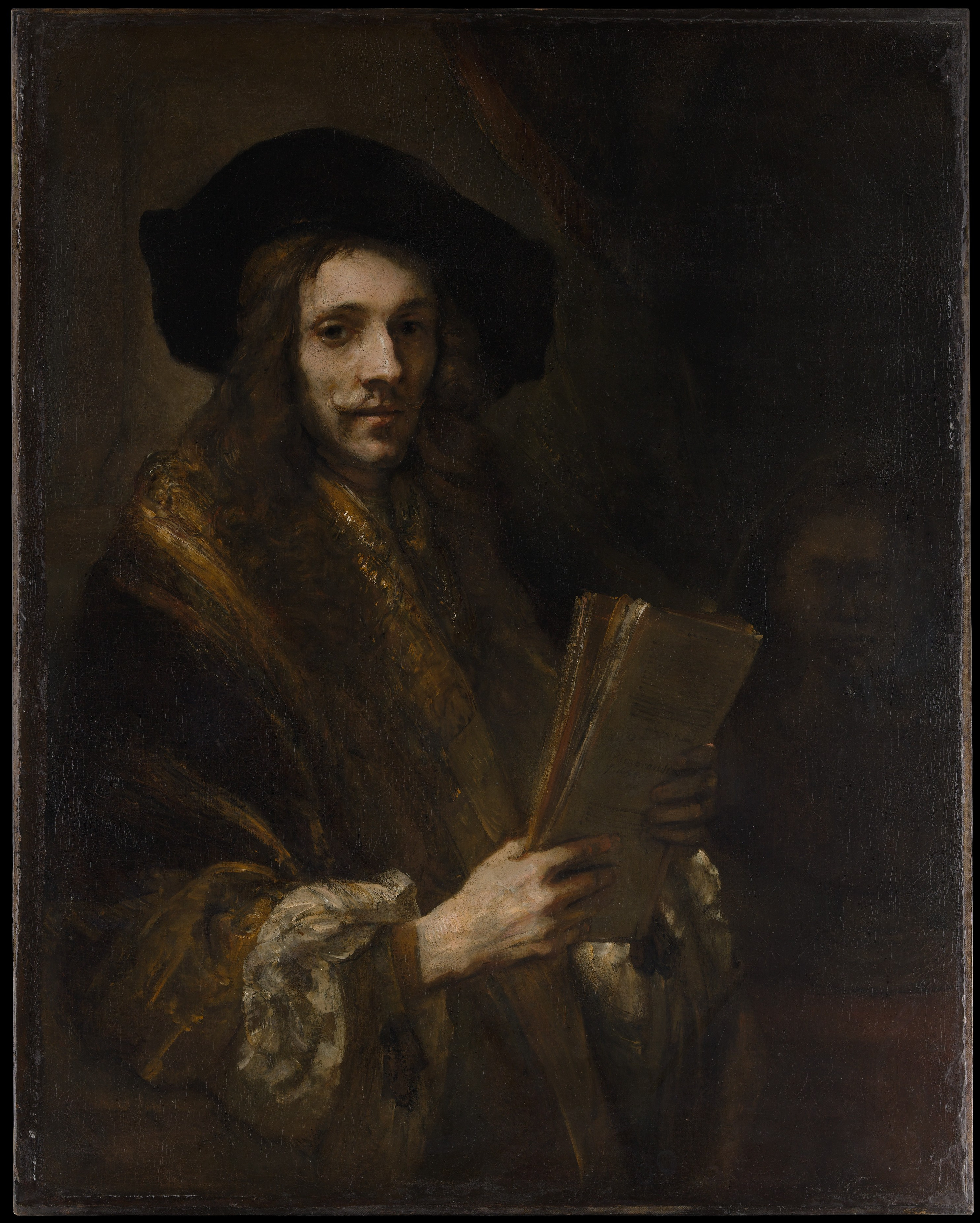
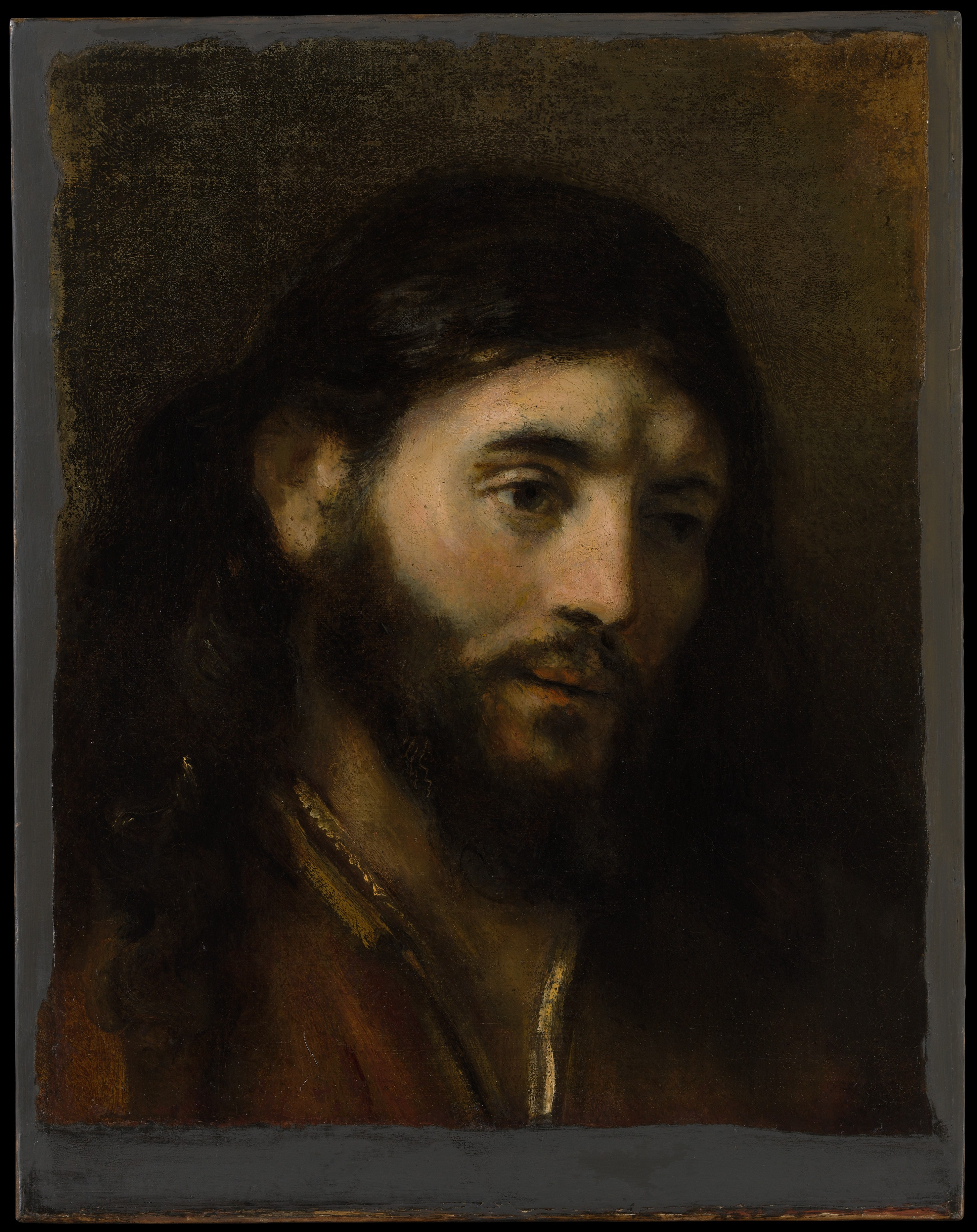
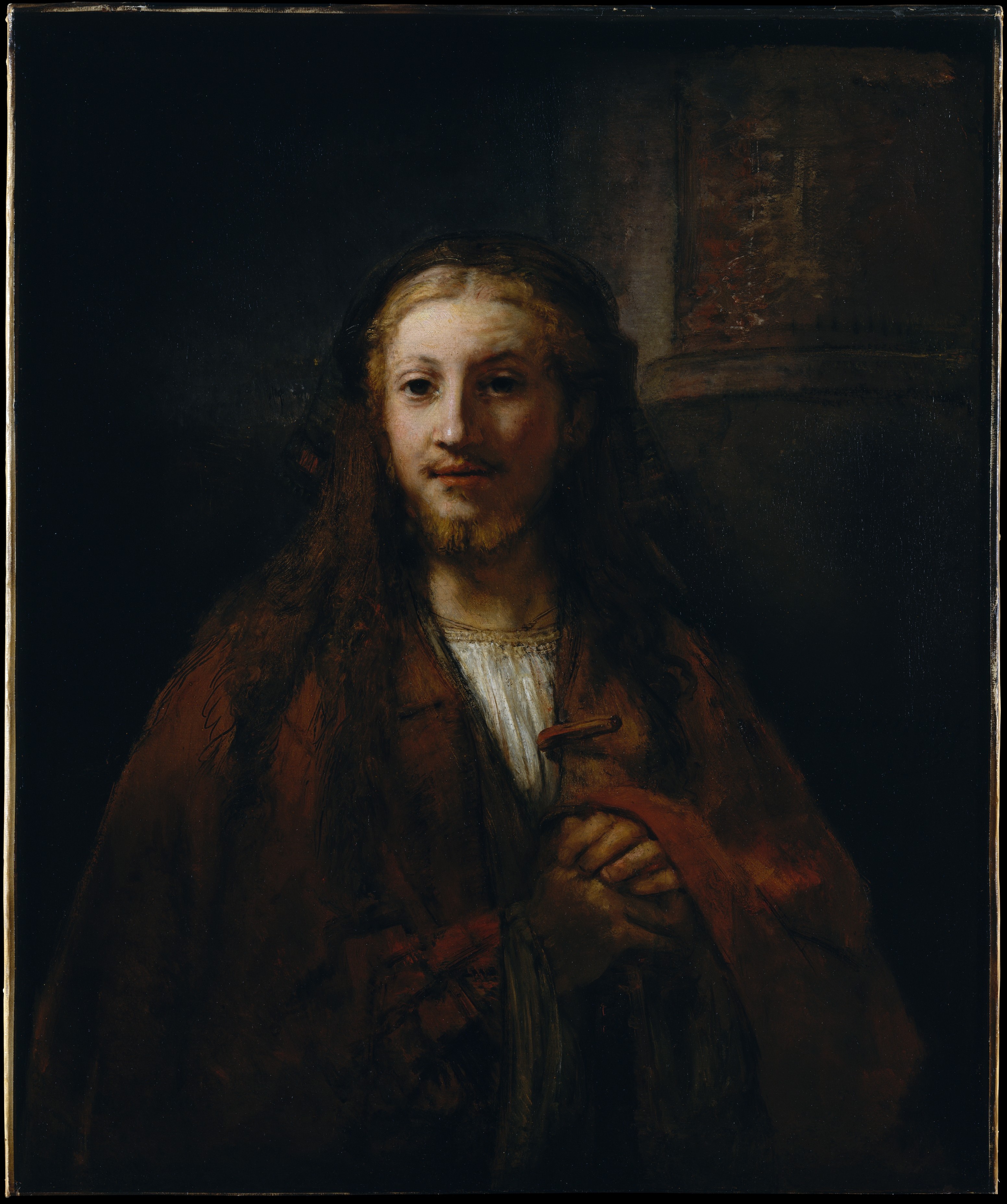
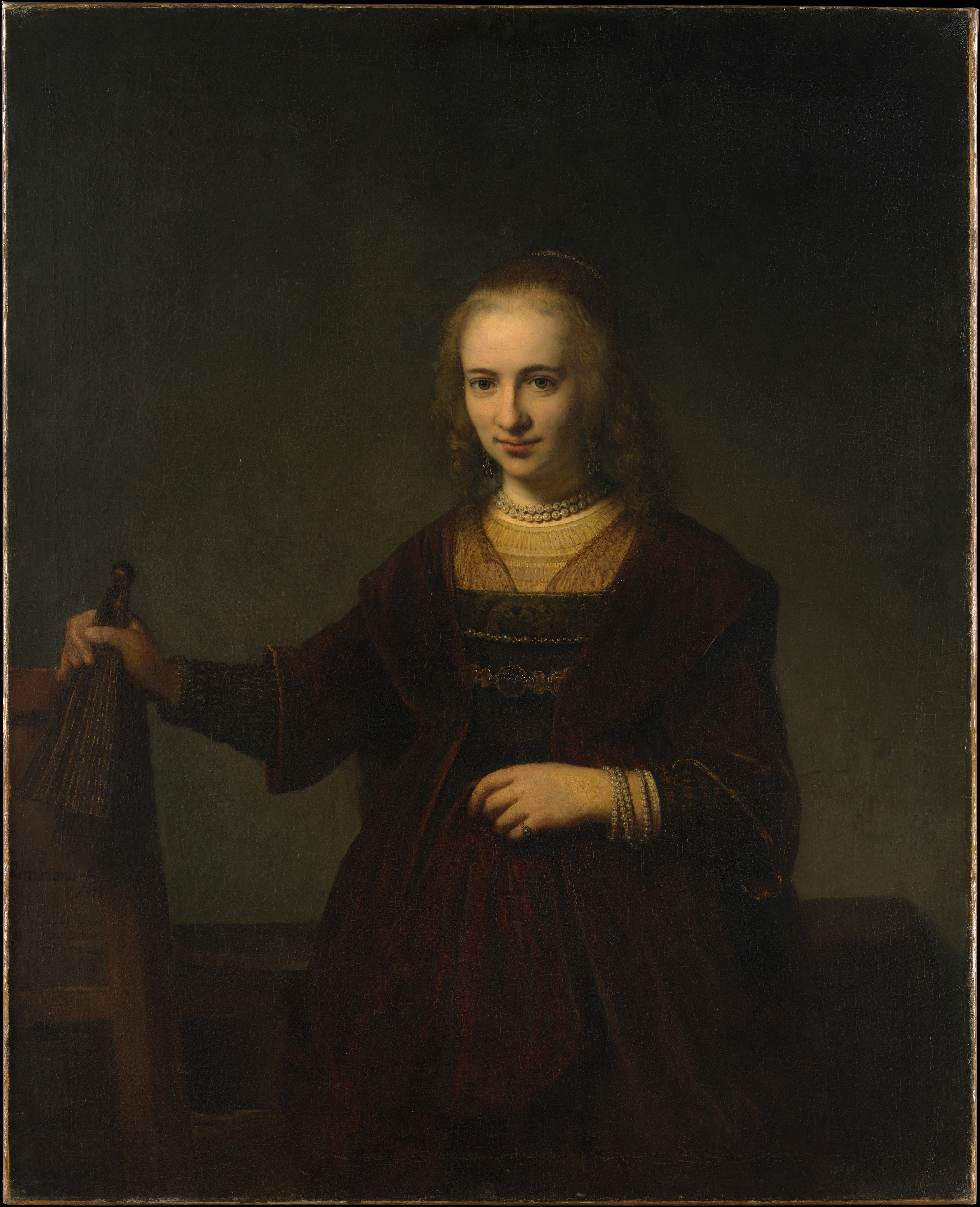
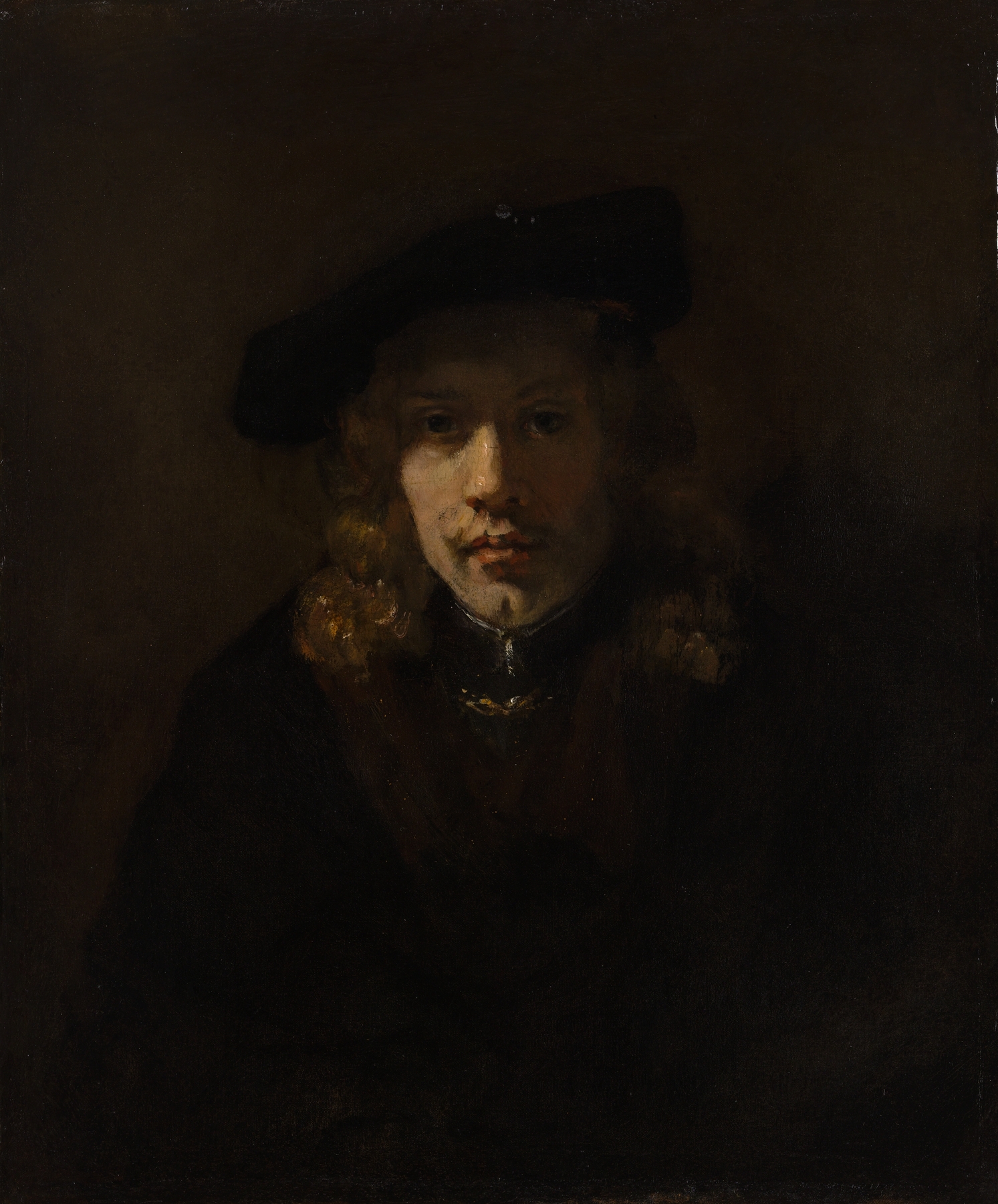
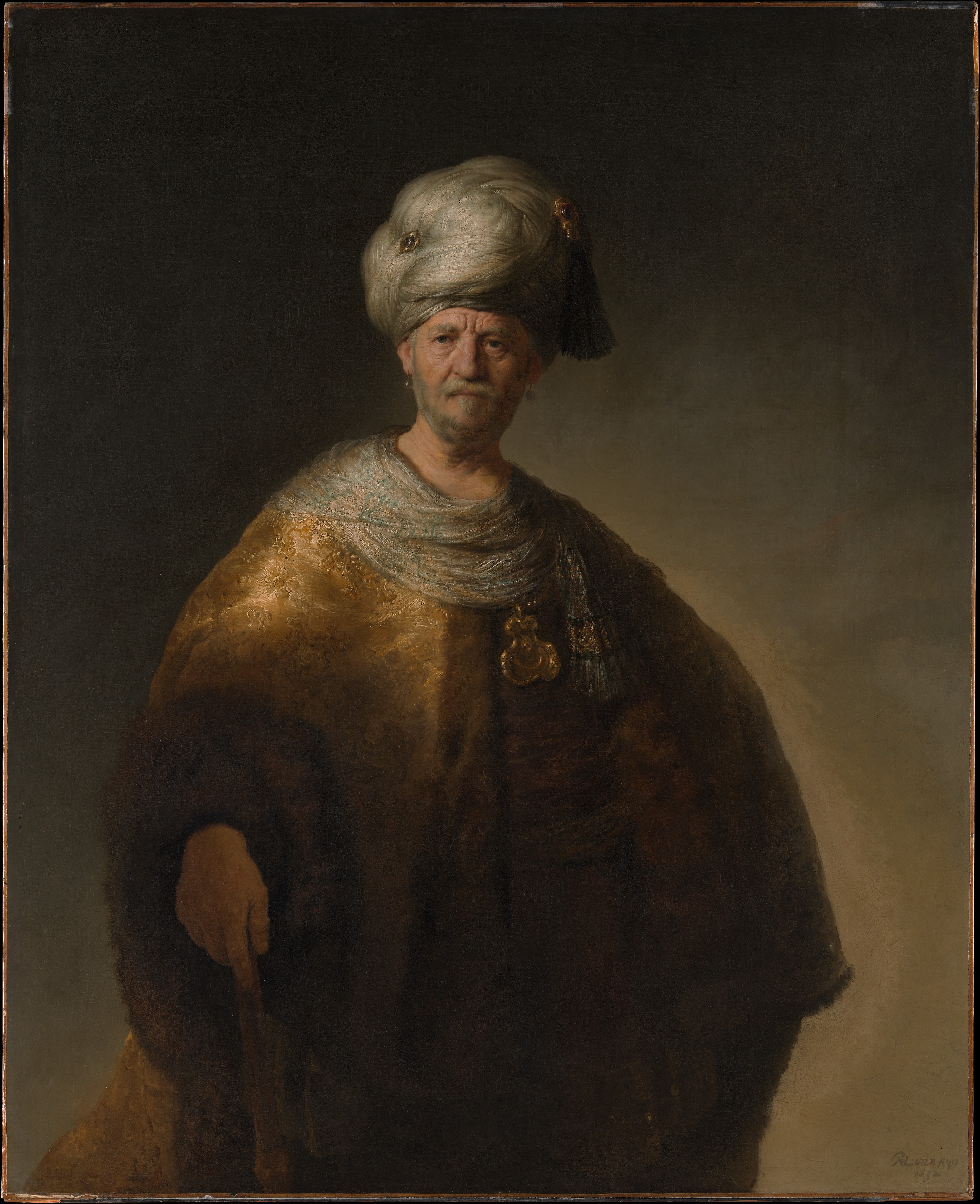
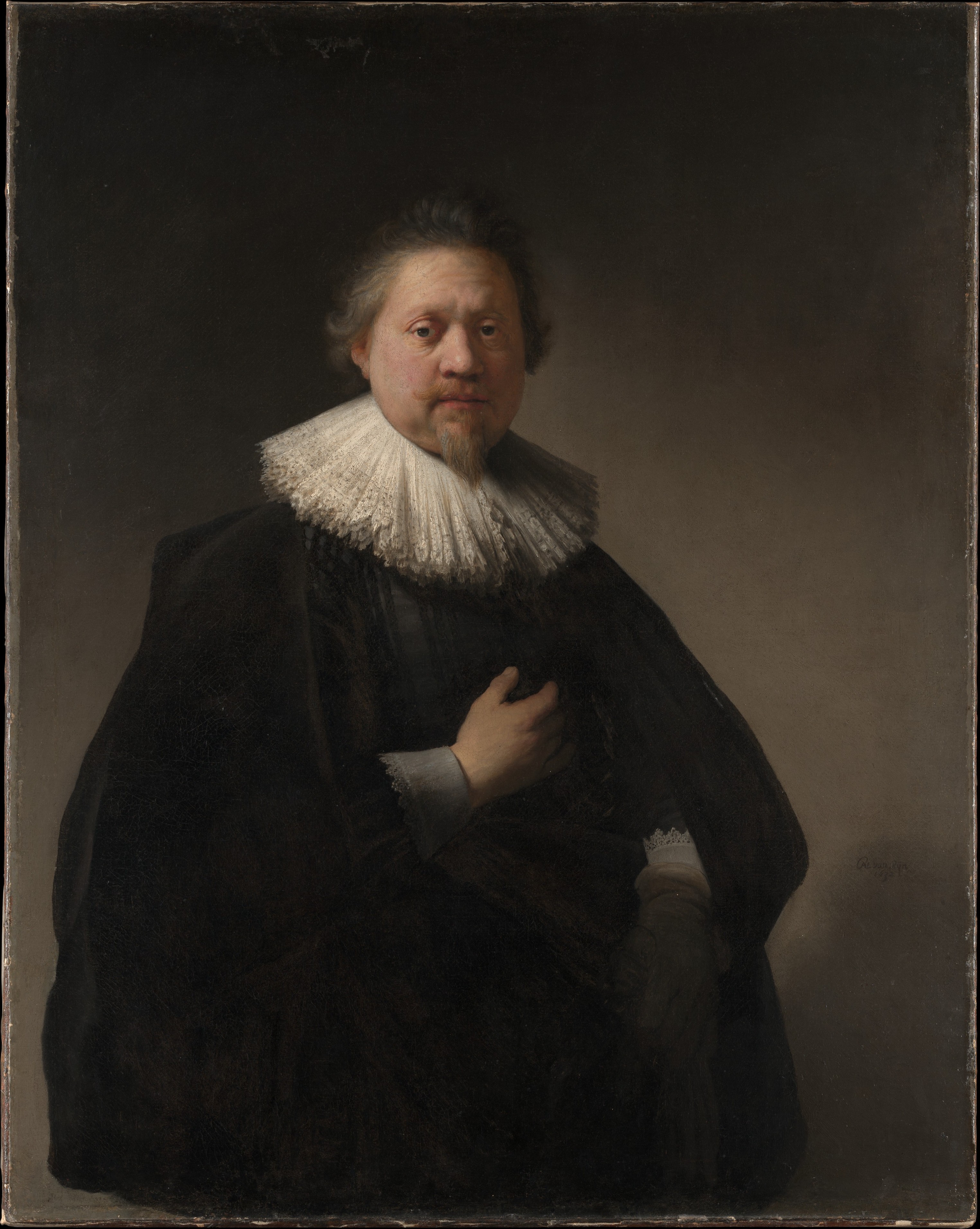
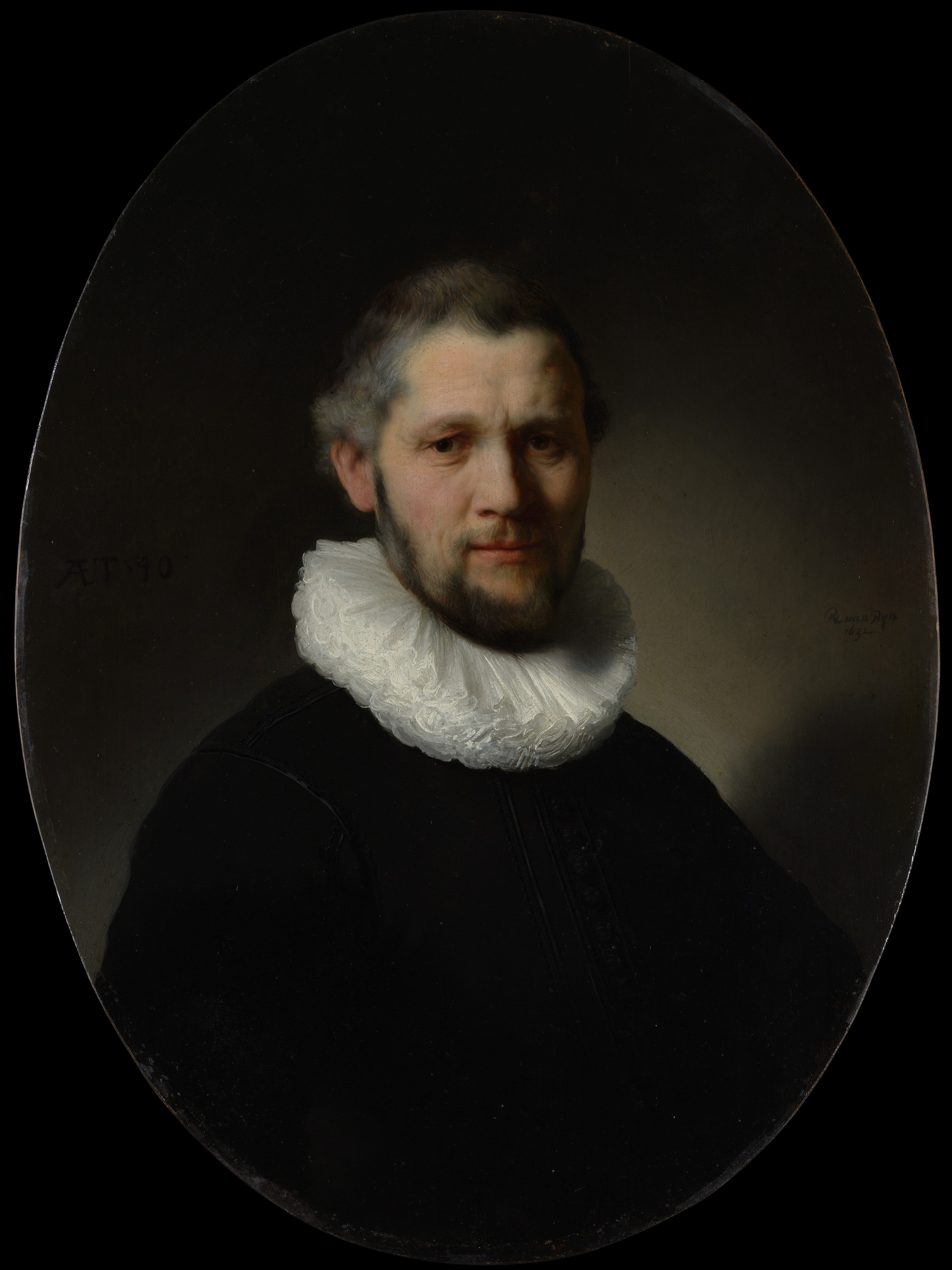
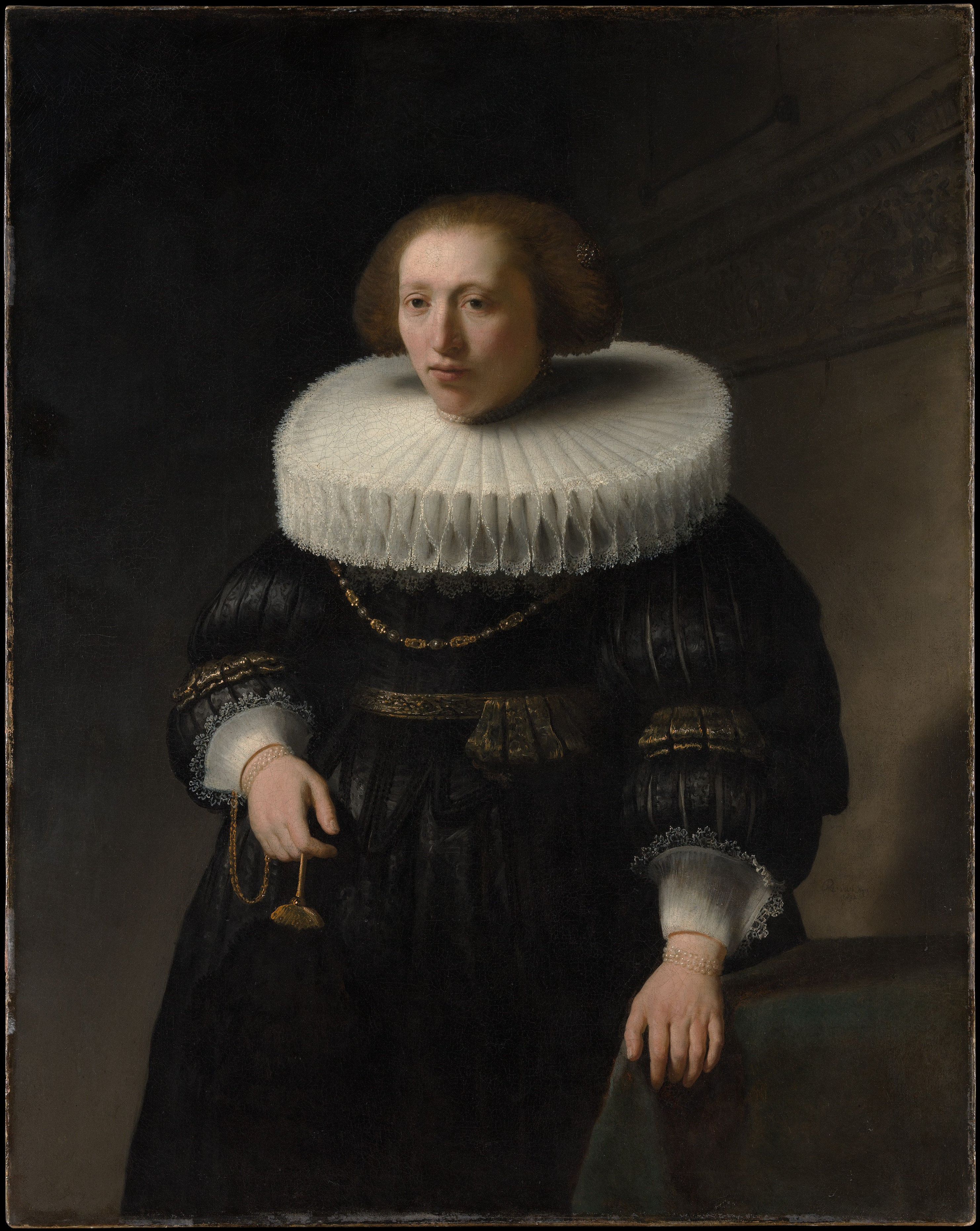
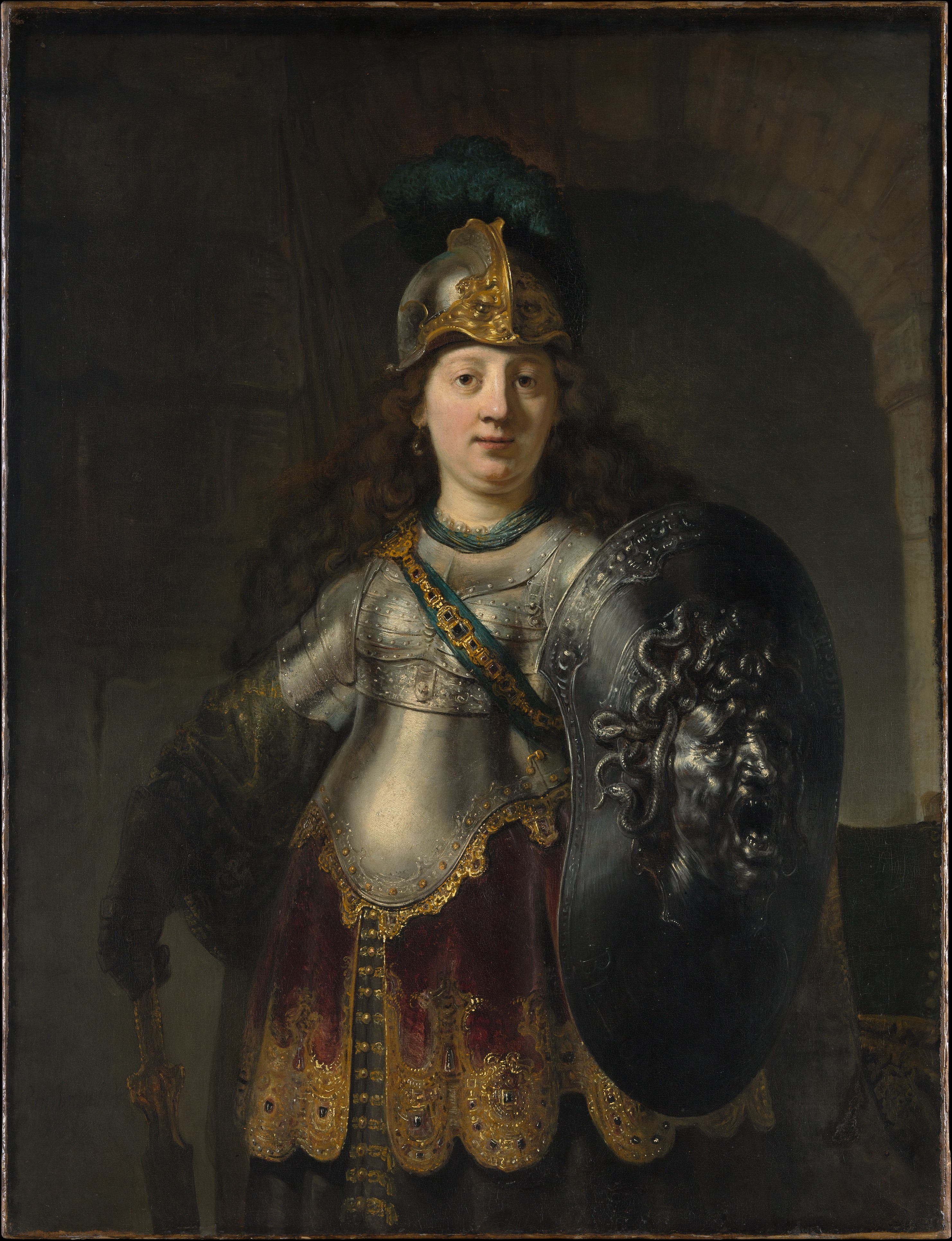
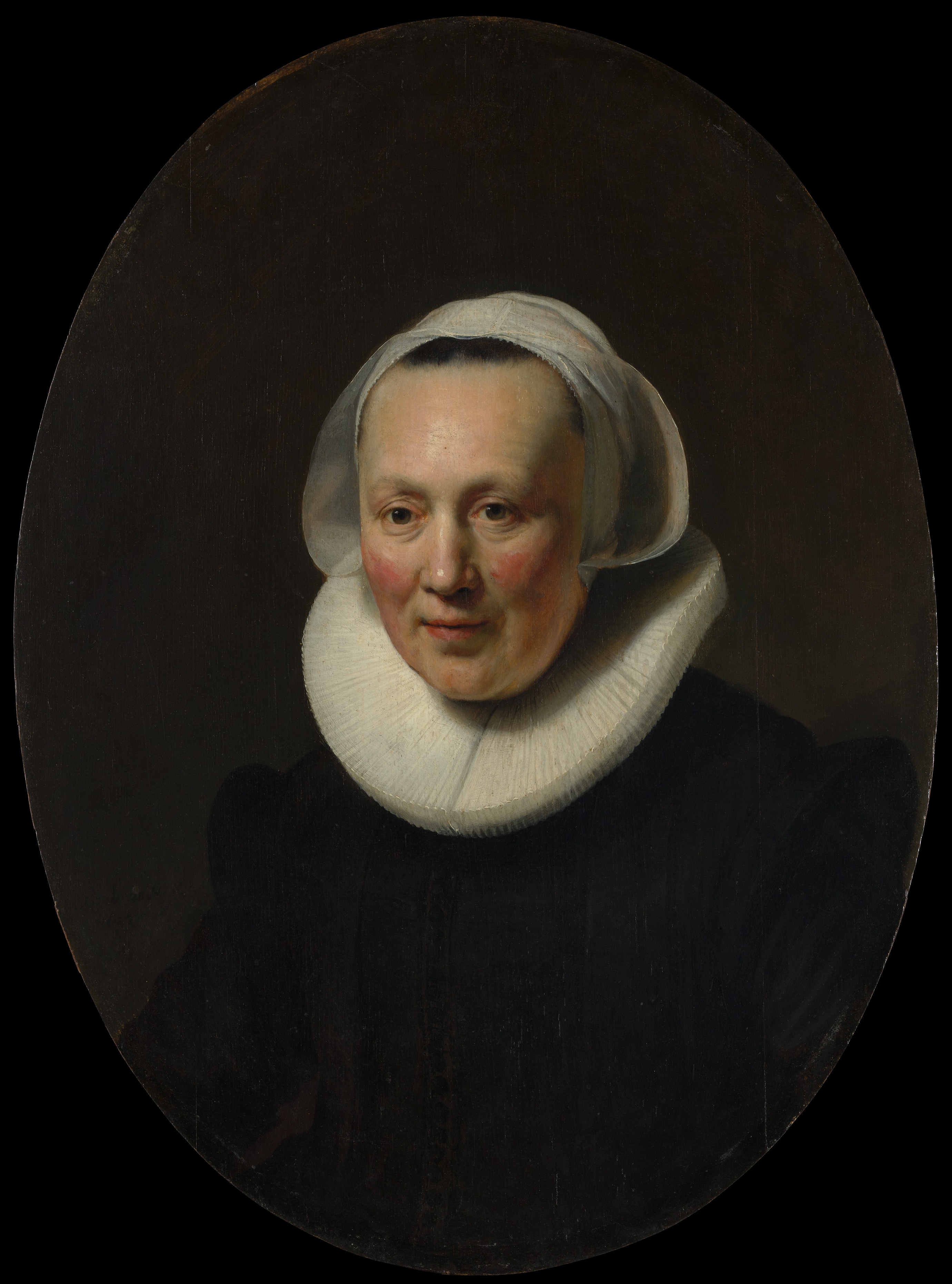
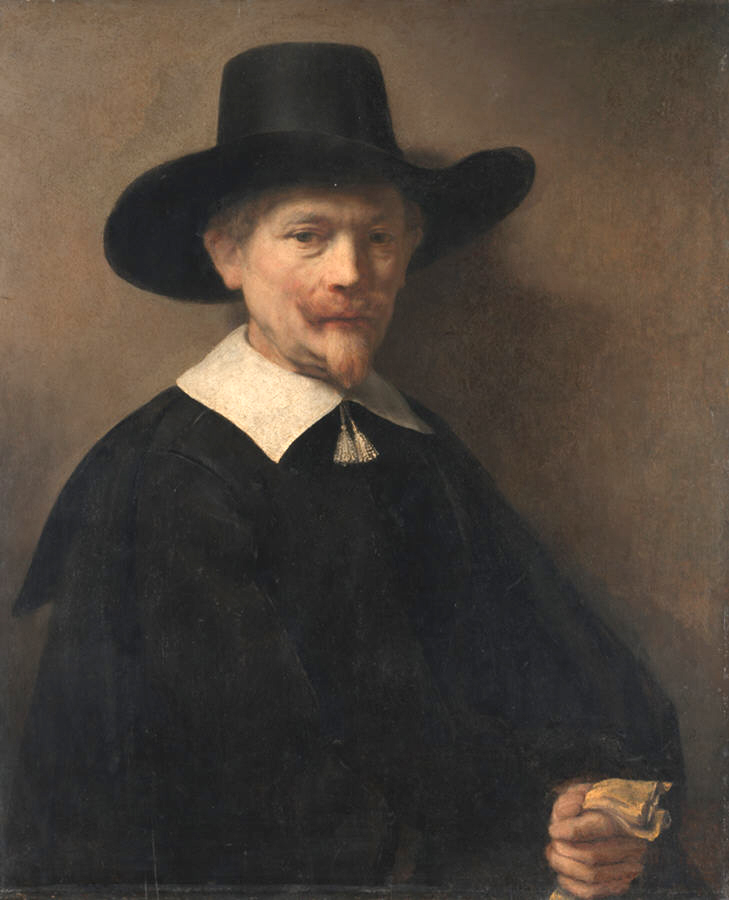
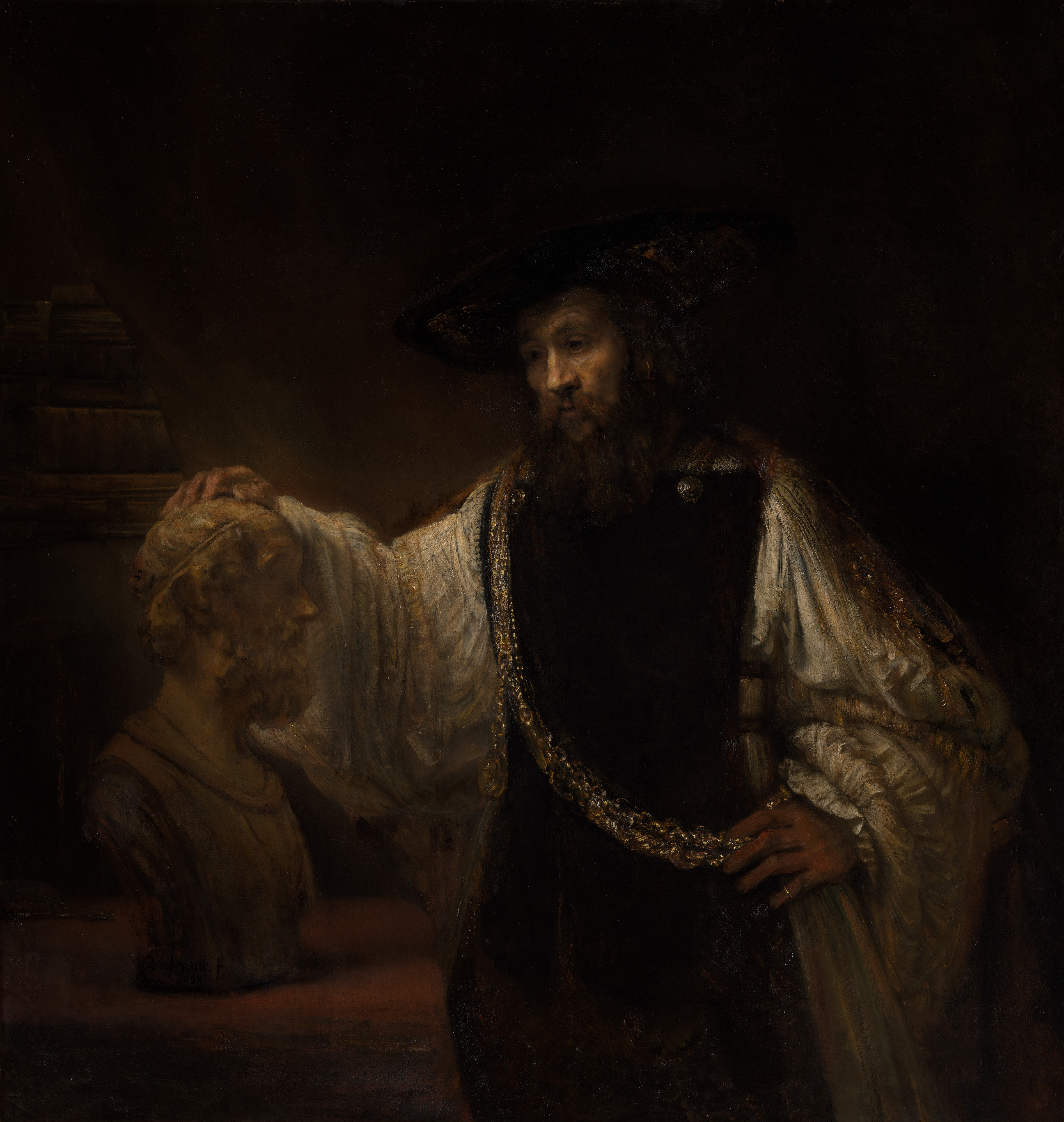
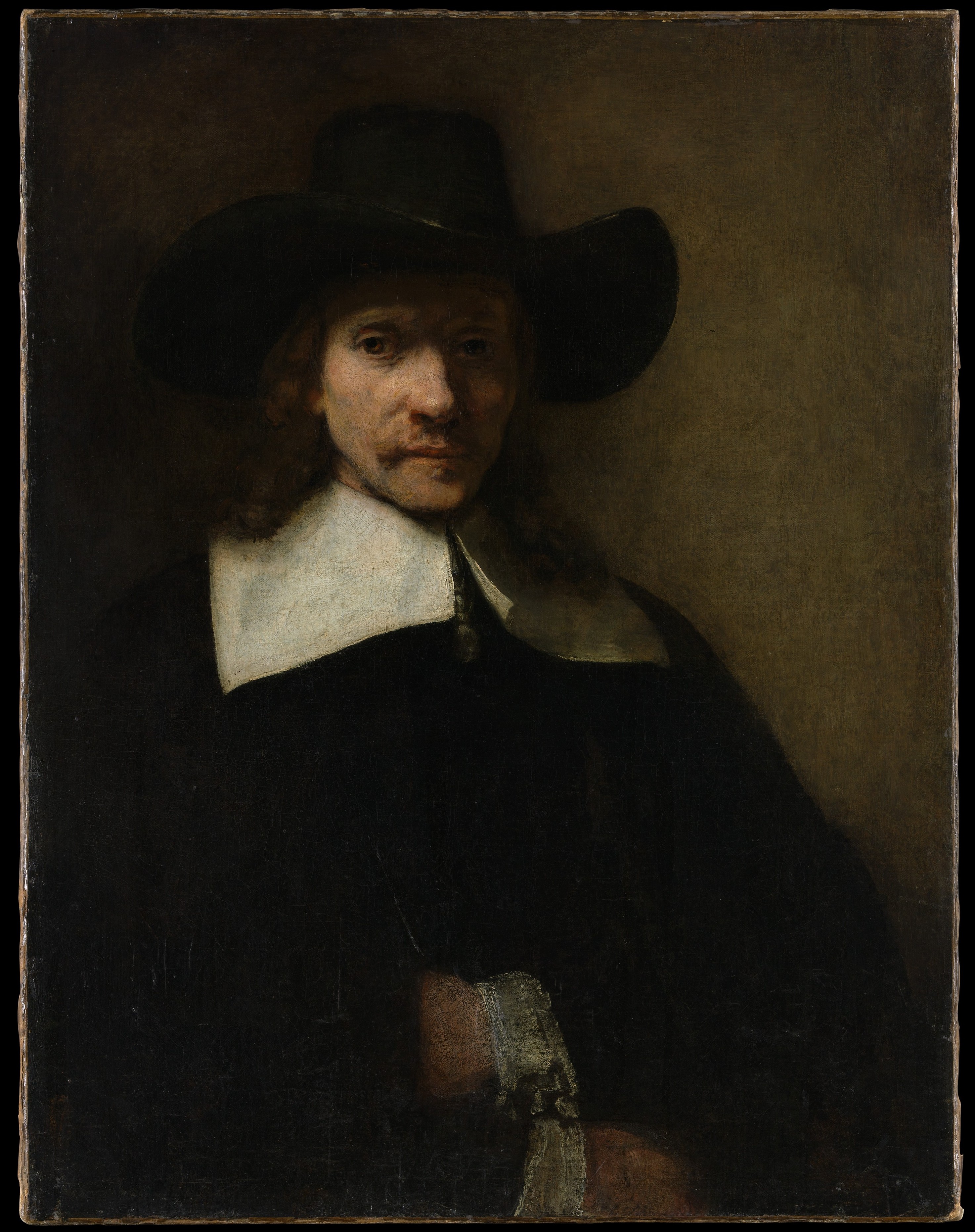
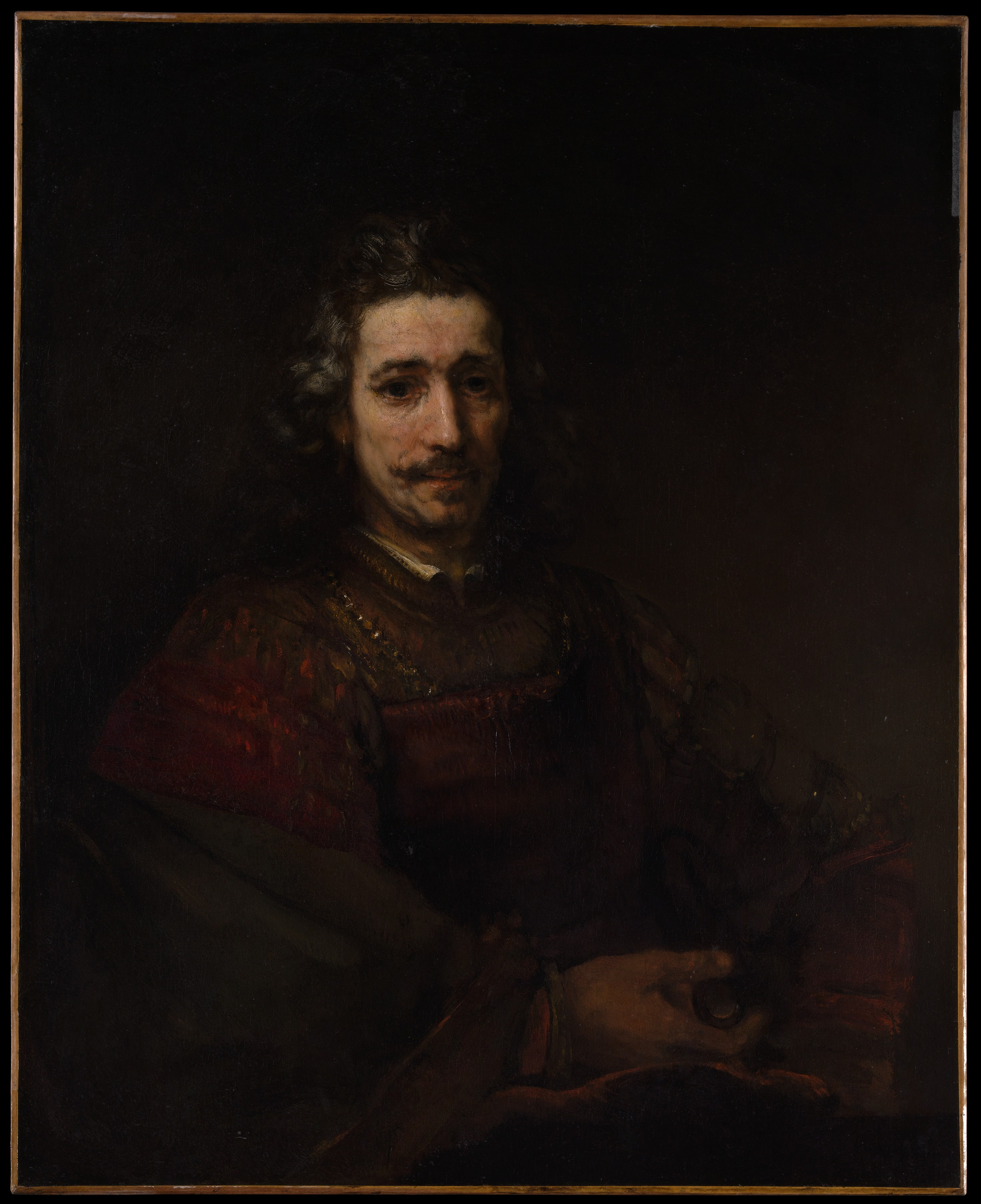
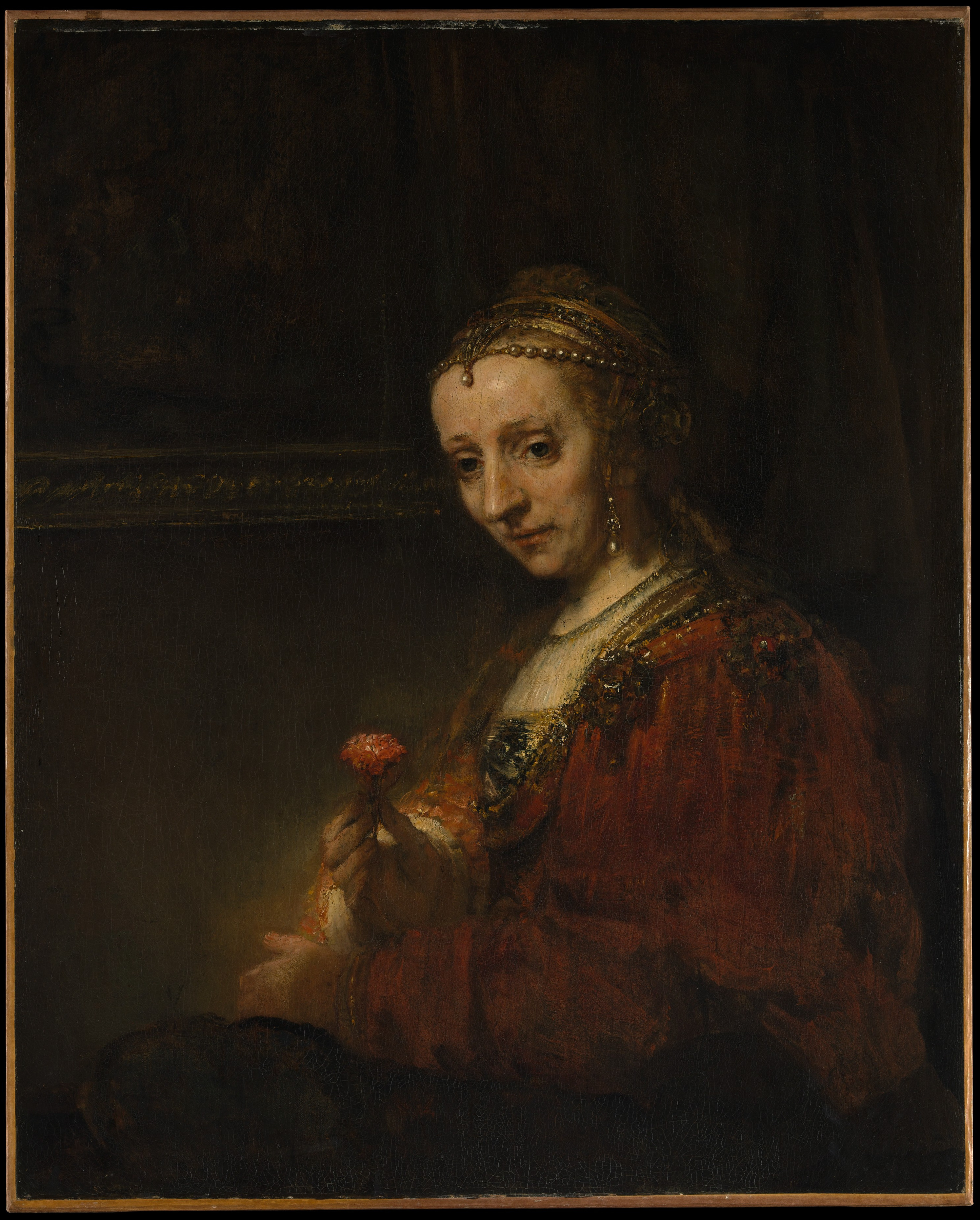
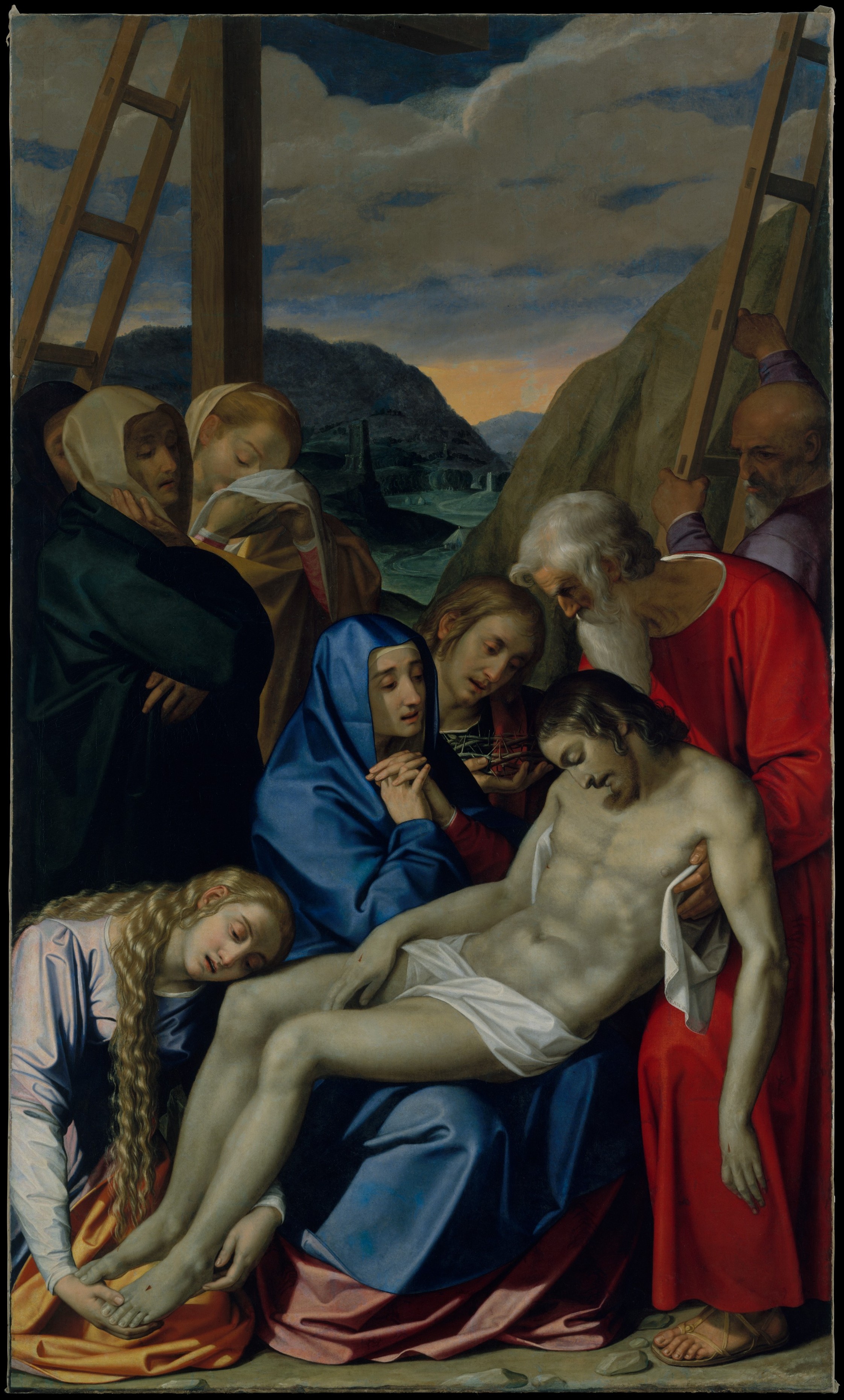
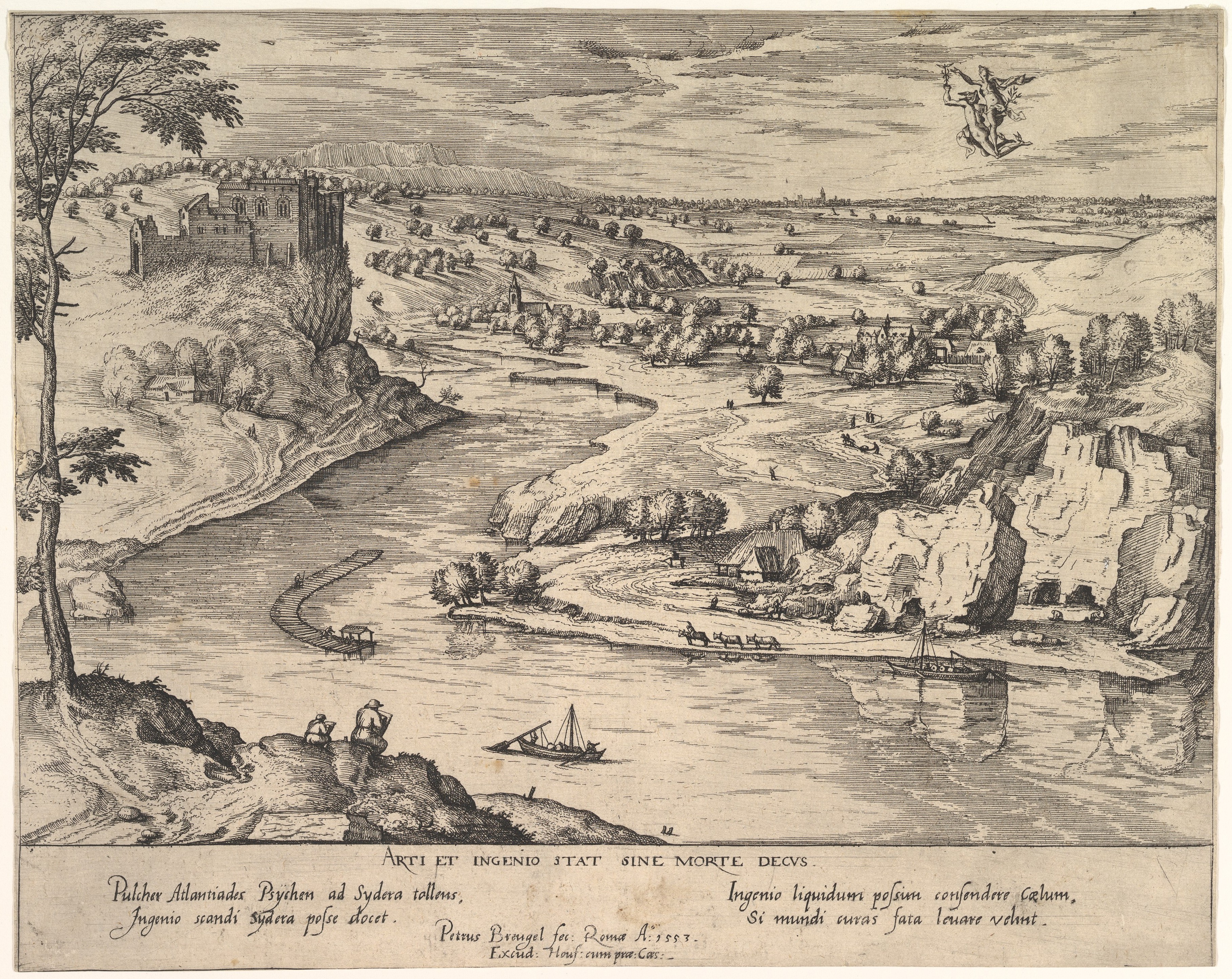
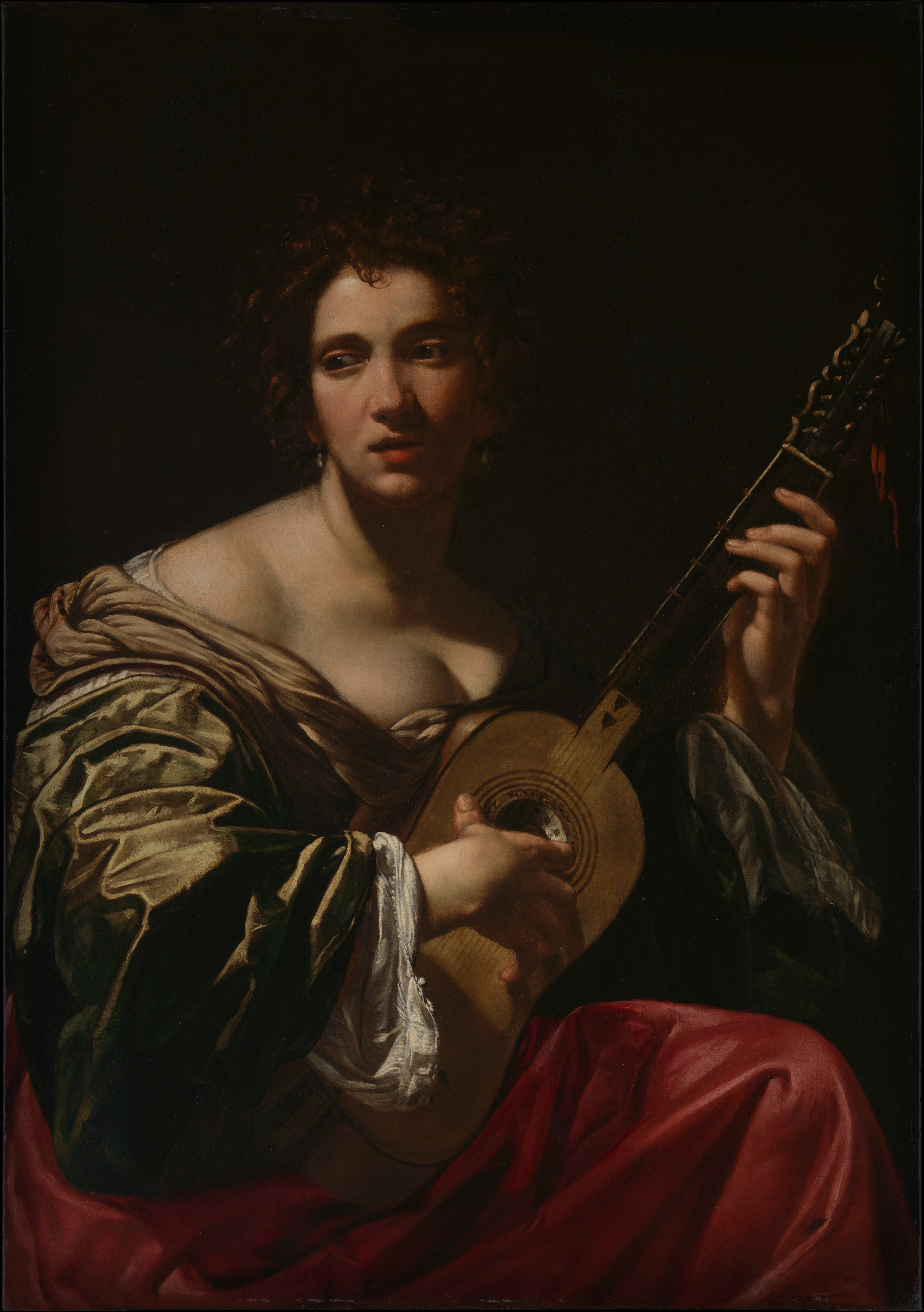
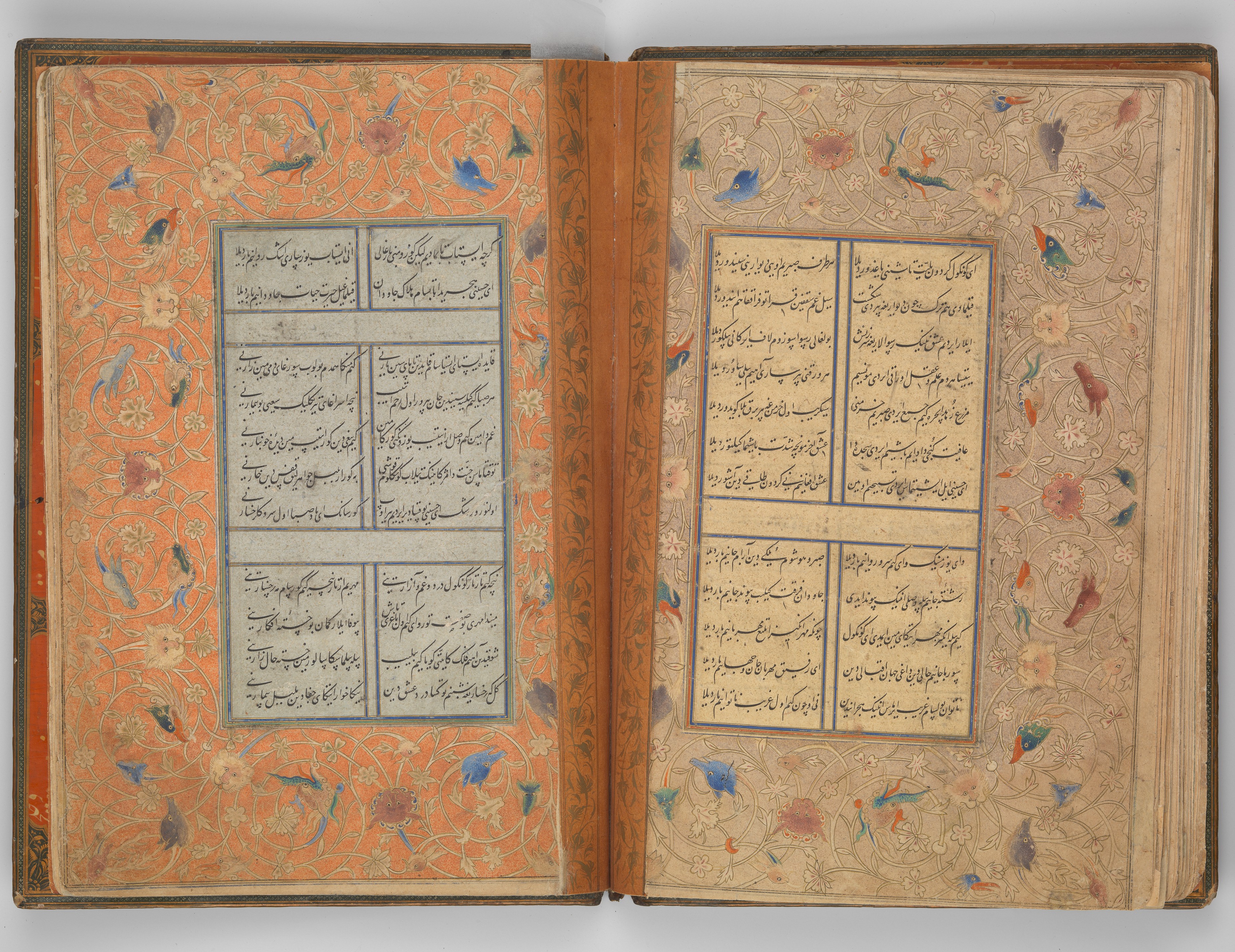

Saint Agapitus of Praeneste in the Arena; (interior) The Beheading of Saint Agapitus of Praeneste
Swiss Painter
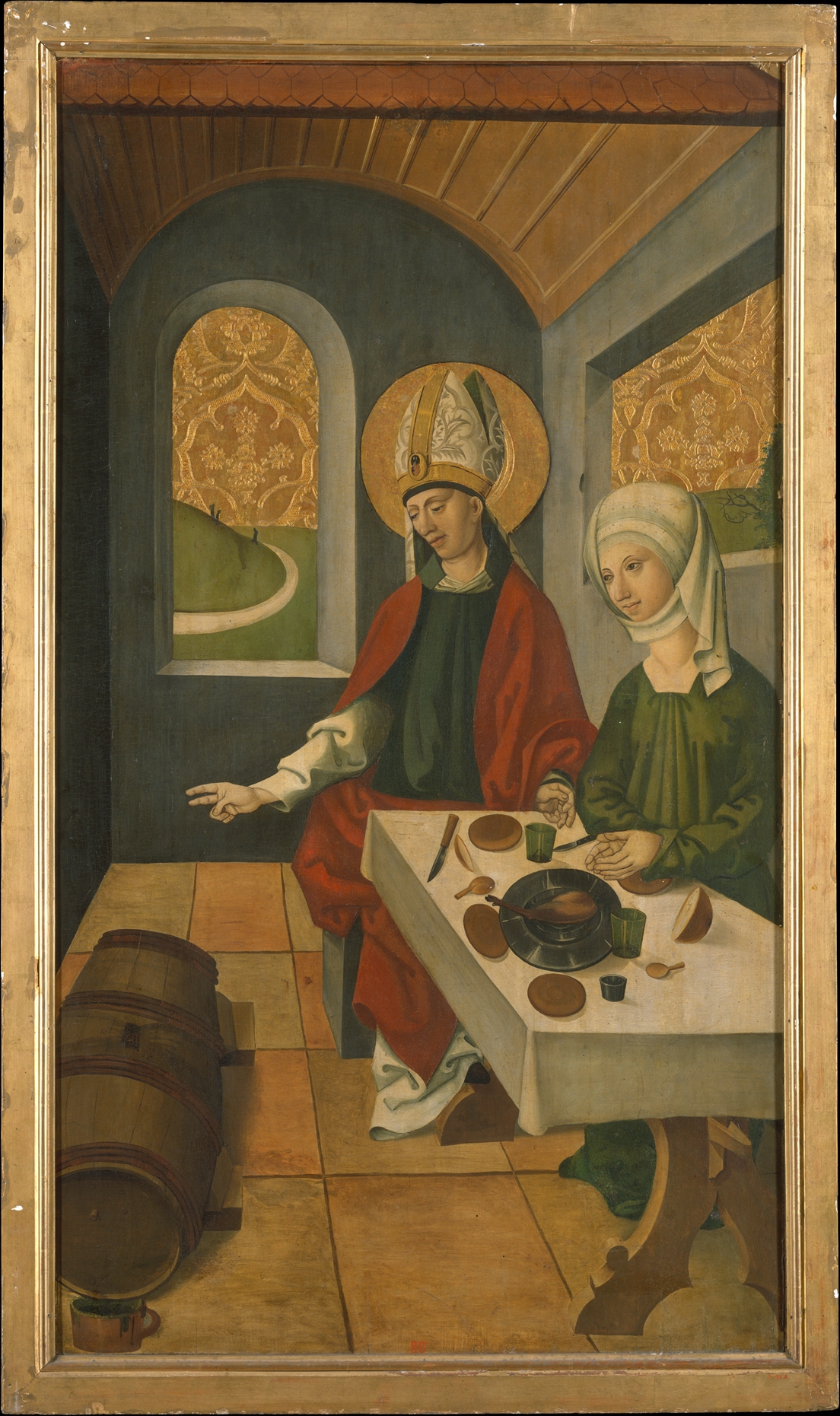
Saint Remigius Replenishing the Barrel of Wine; (interior) Saint Remigius and the Burning Wheat
Swiss Painter

Susanna, partly naked and stepping out of a fountain with two elders at left, one of them pulling at her garment, after Reni
Theodor van Kessel

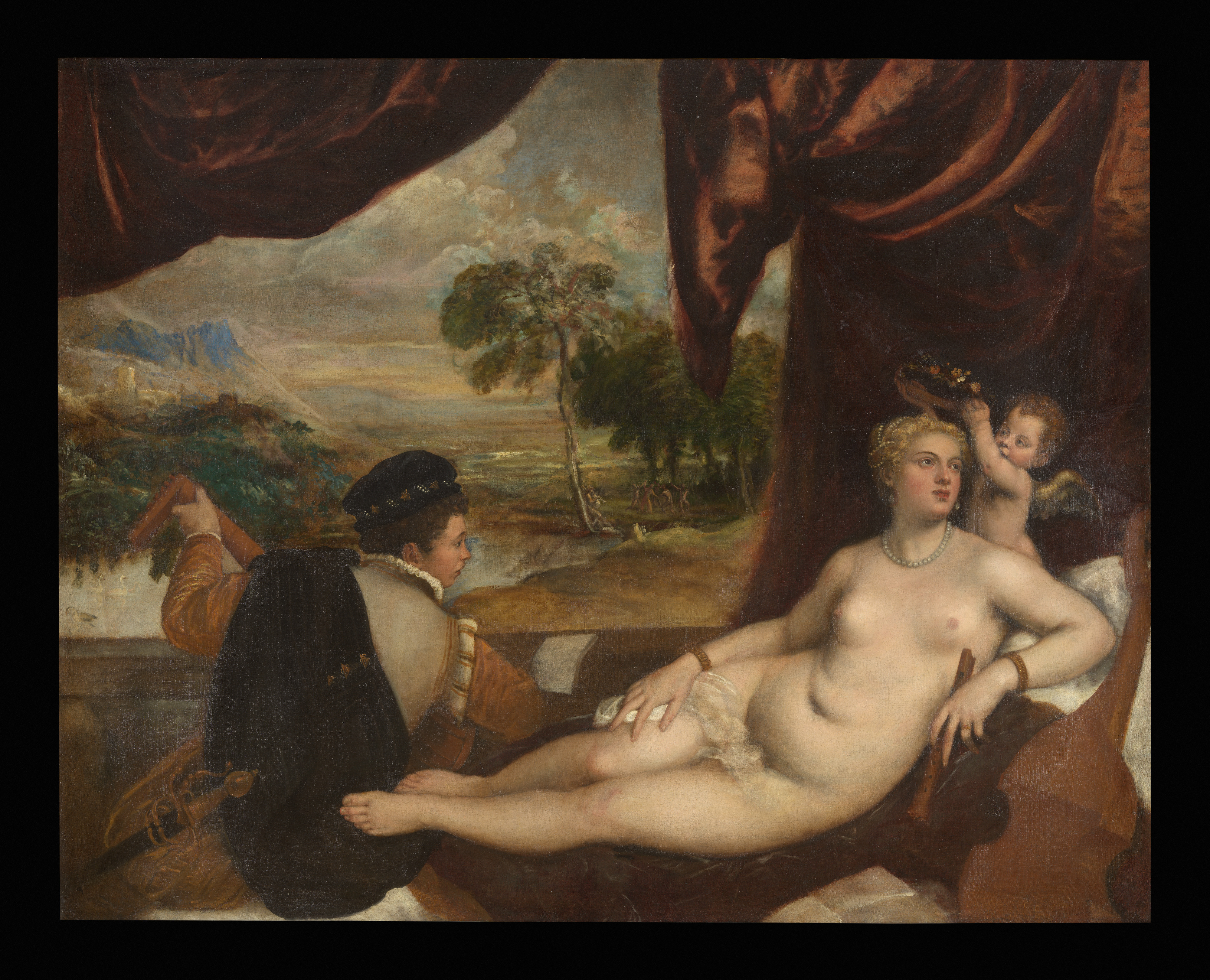
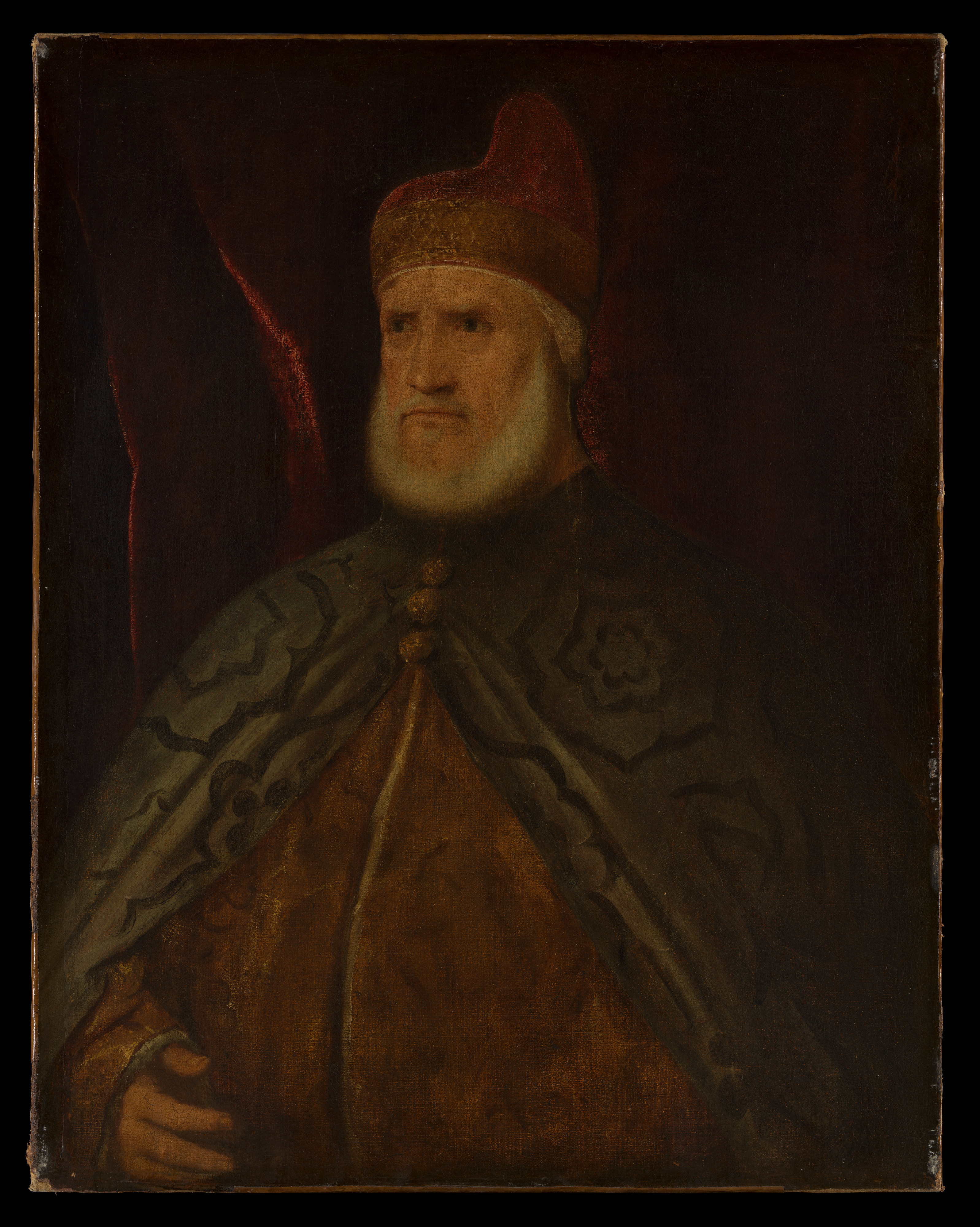
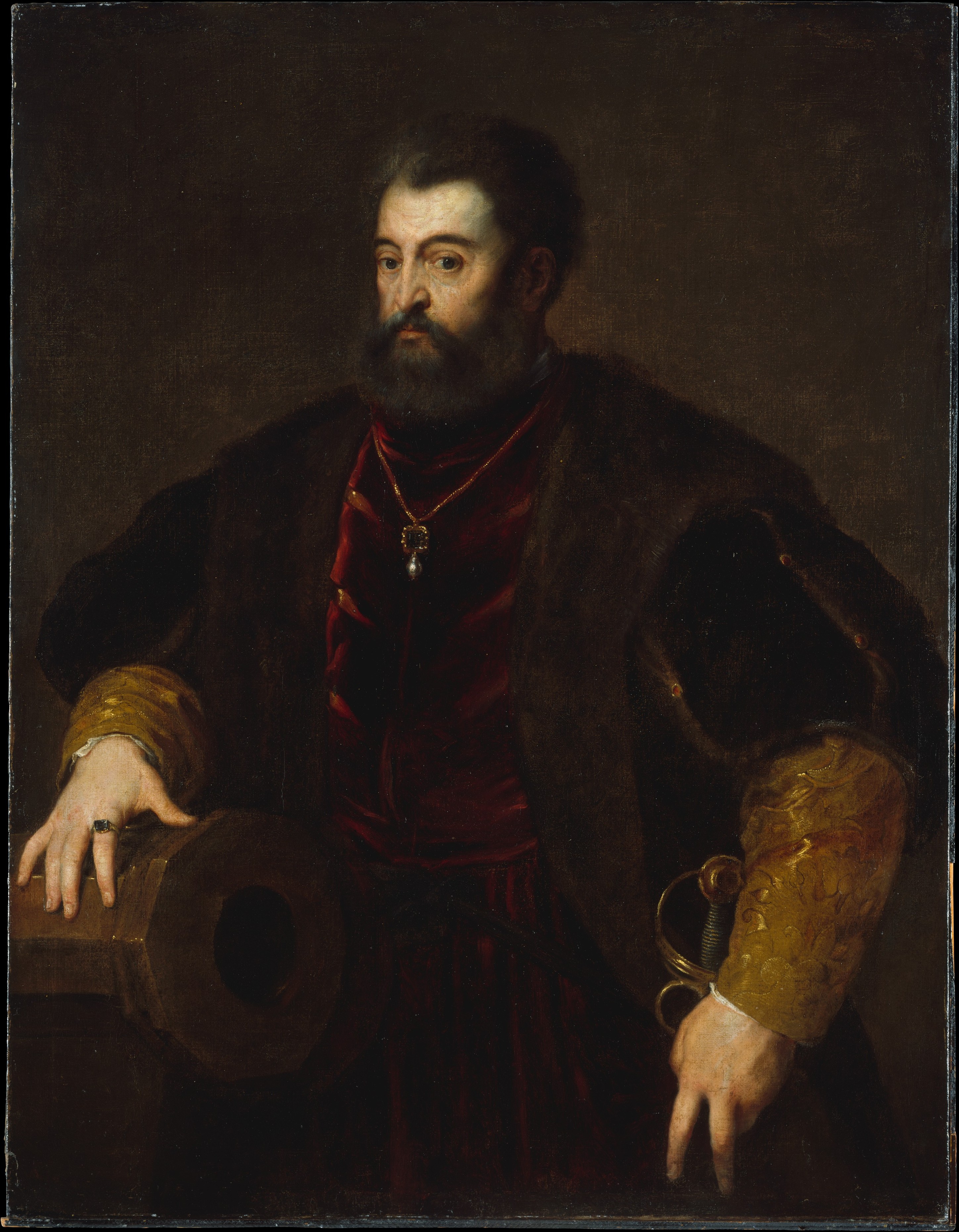
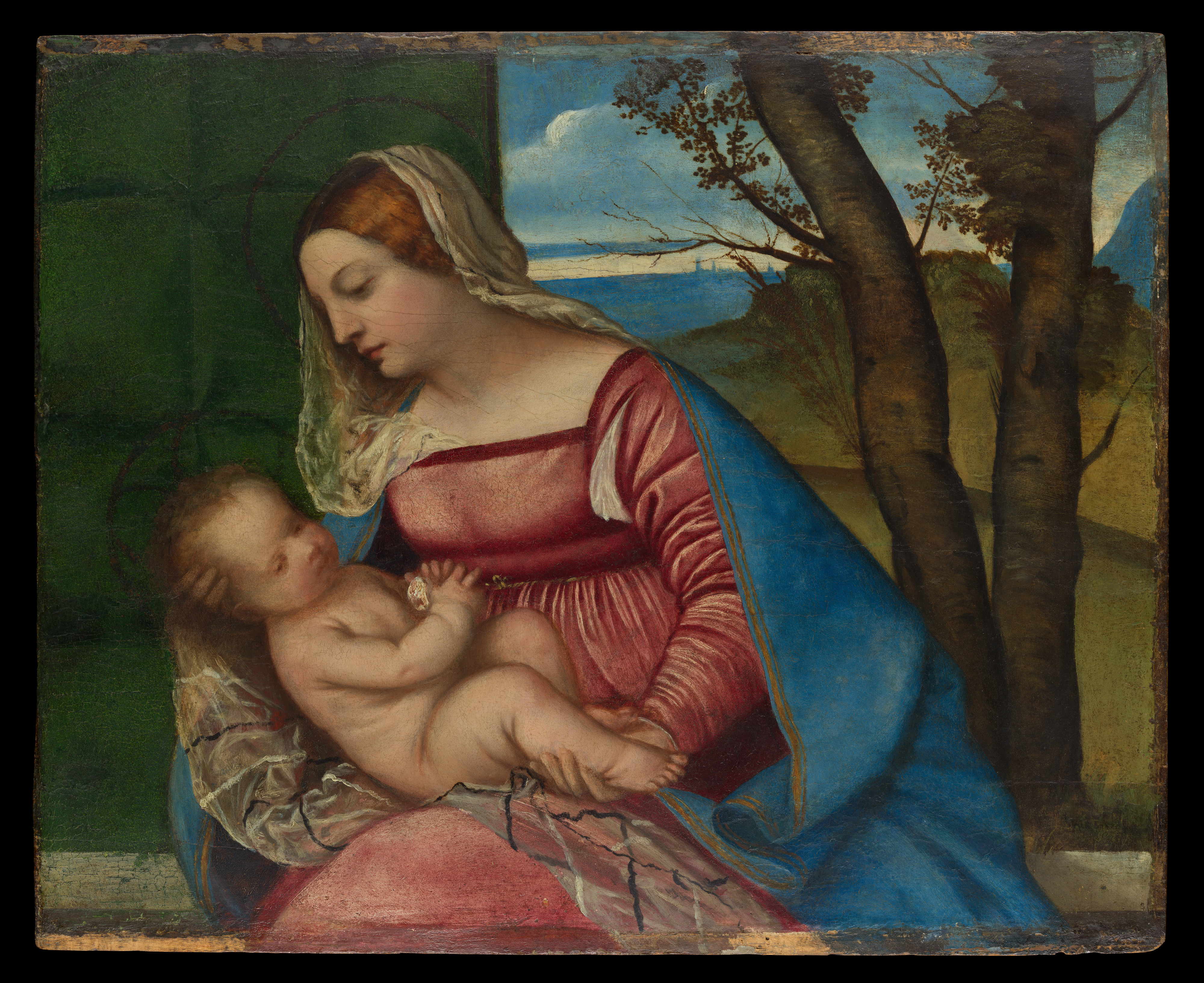
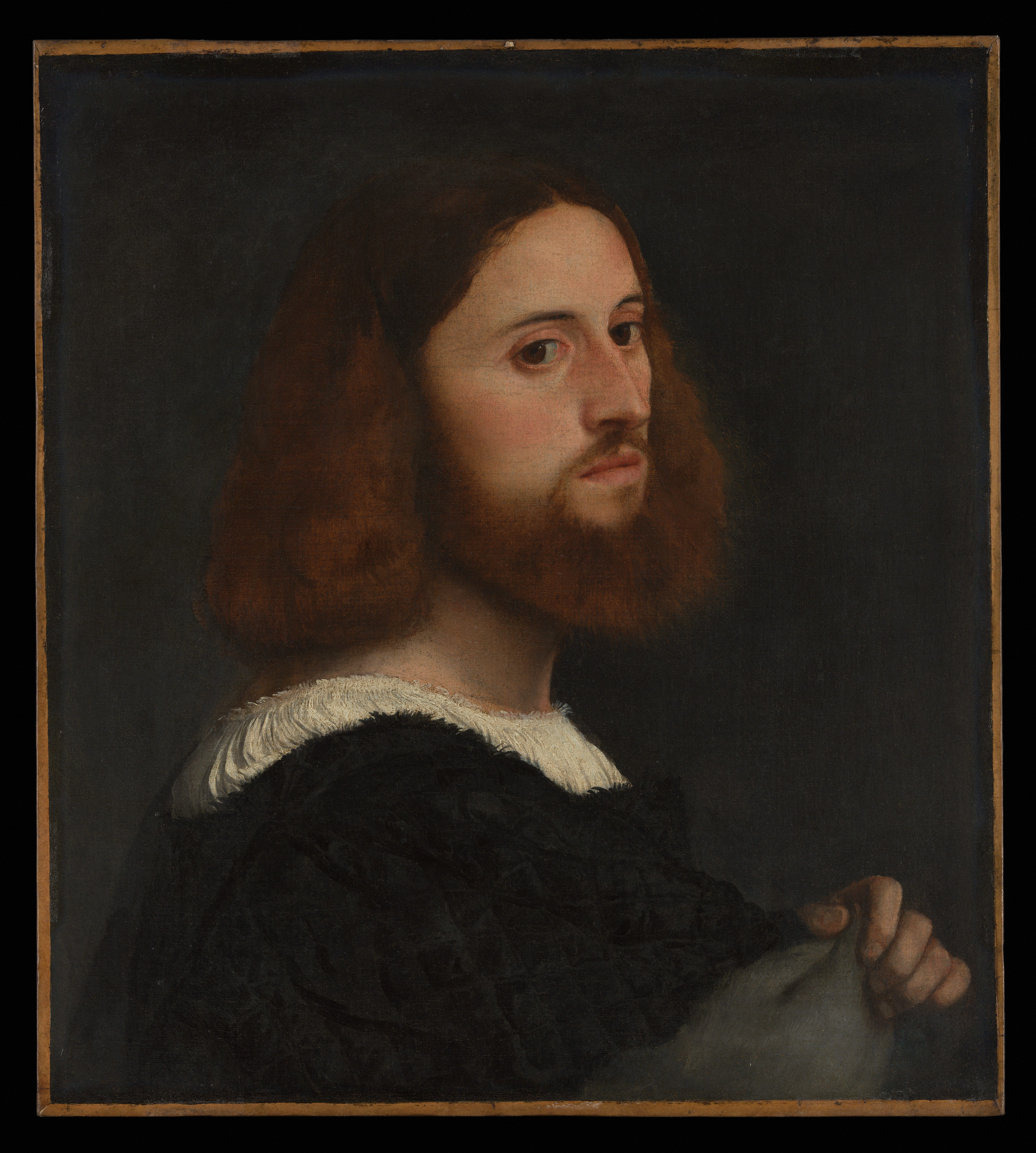
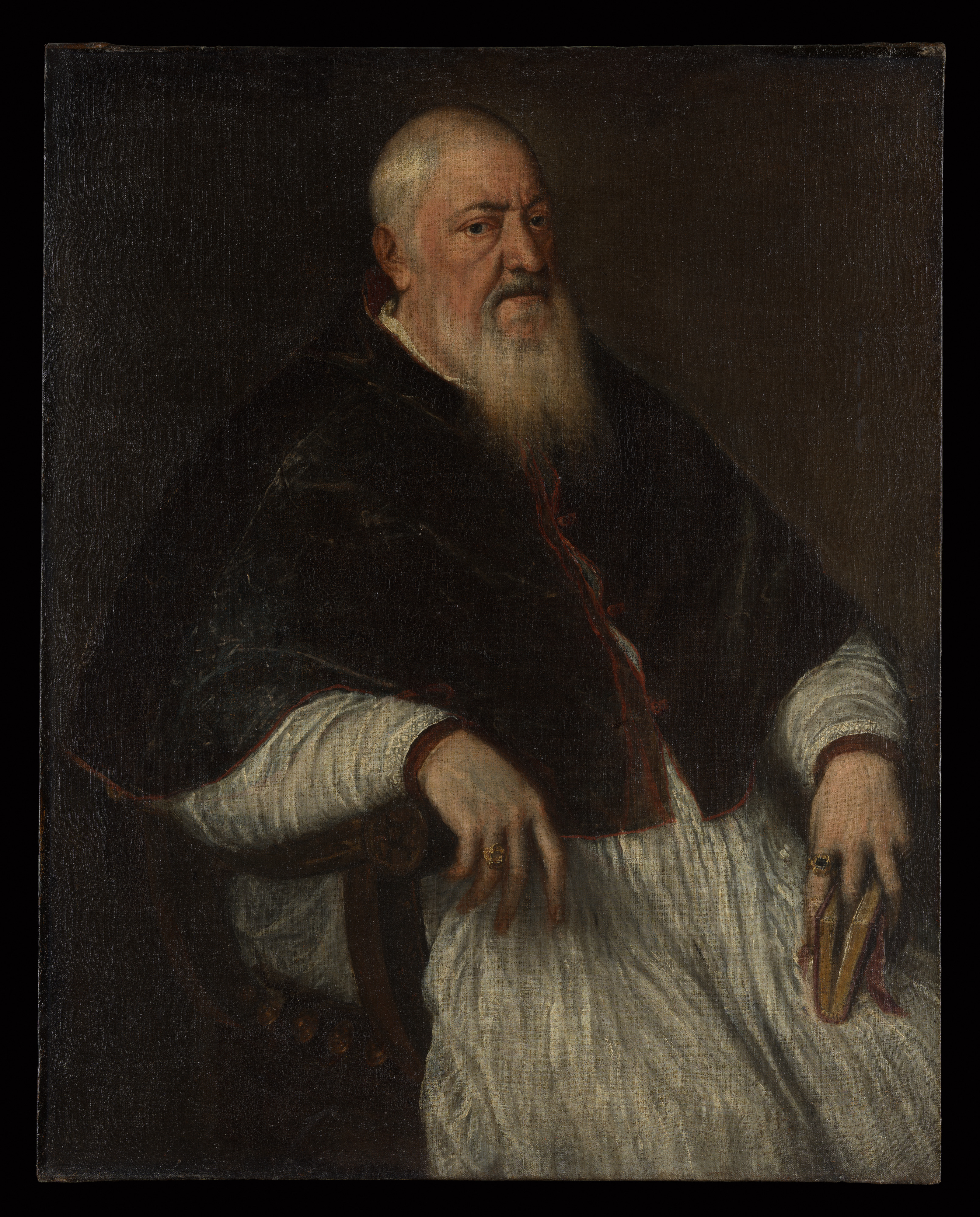
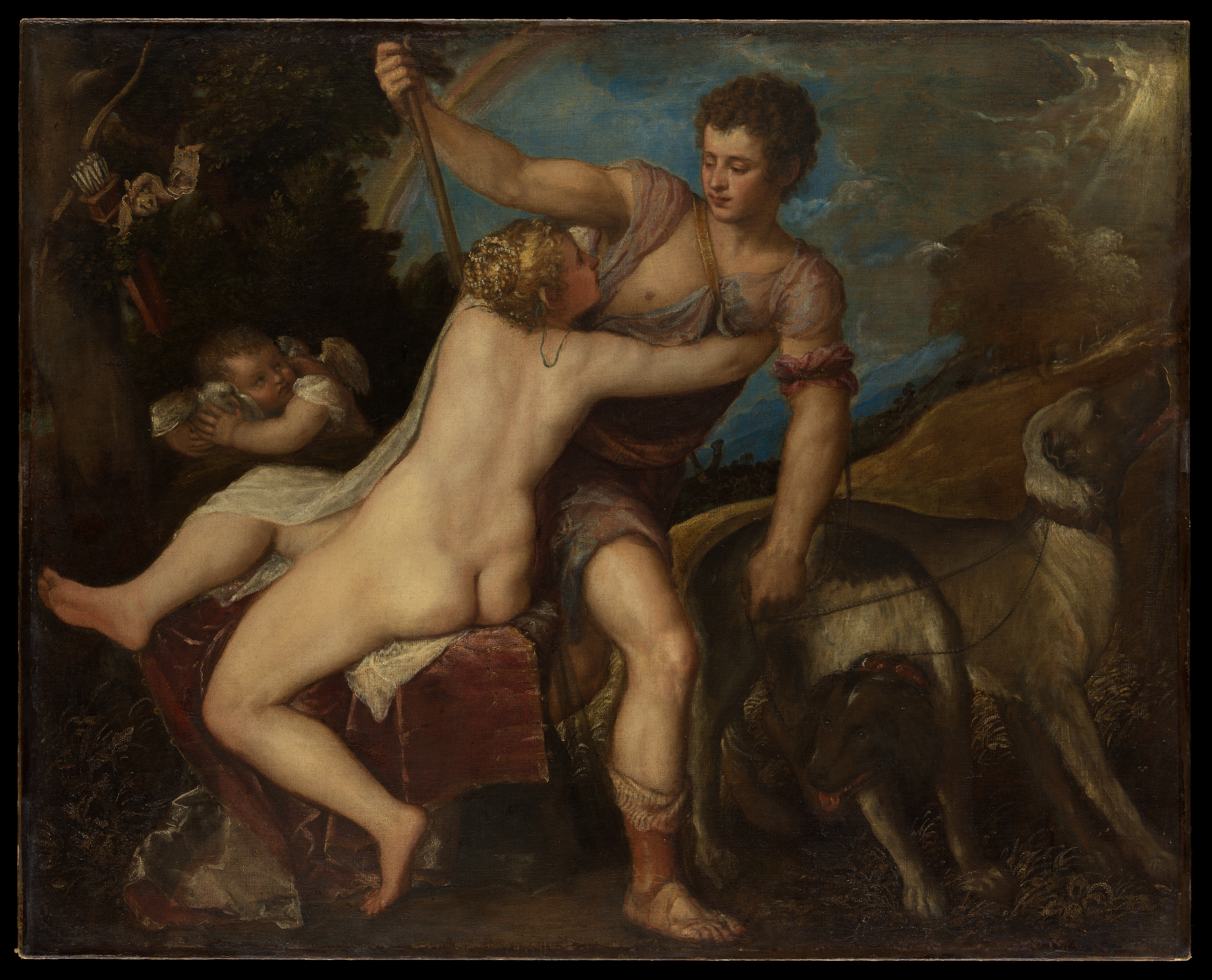
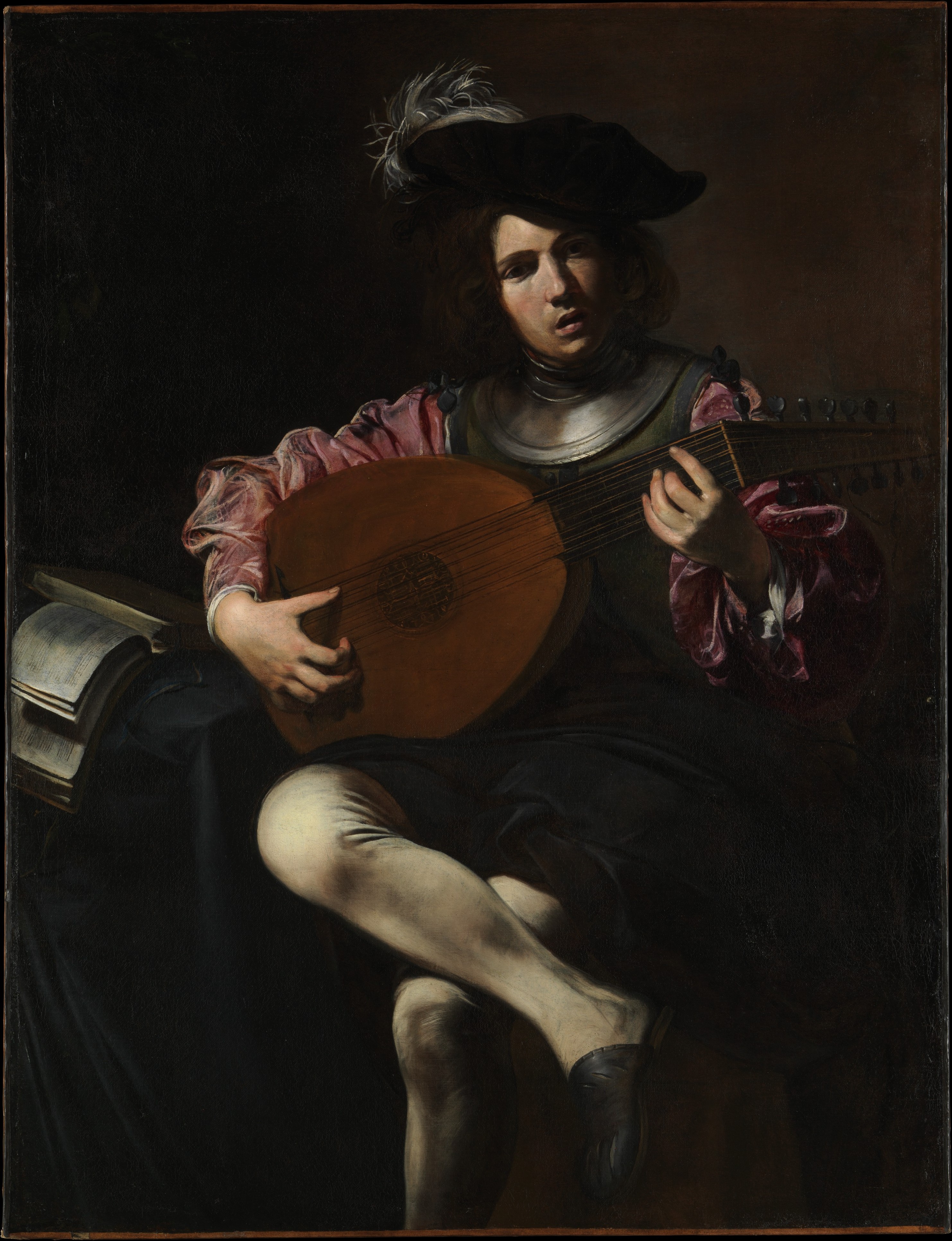
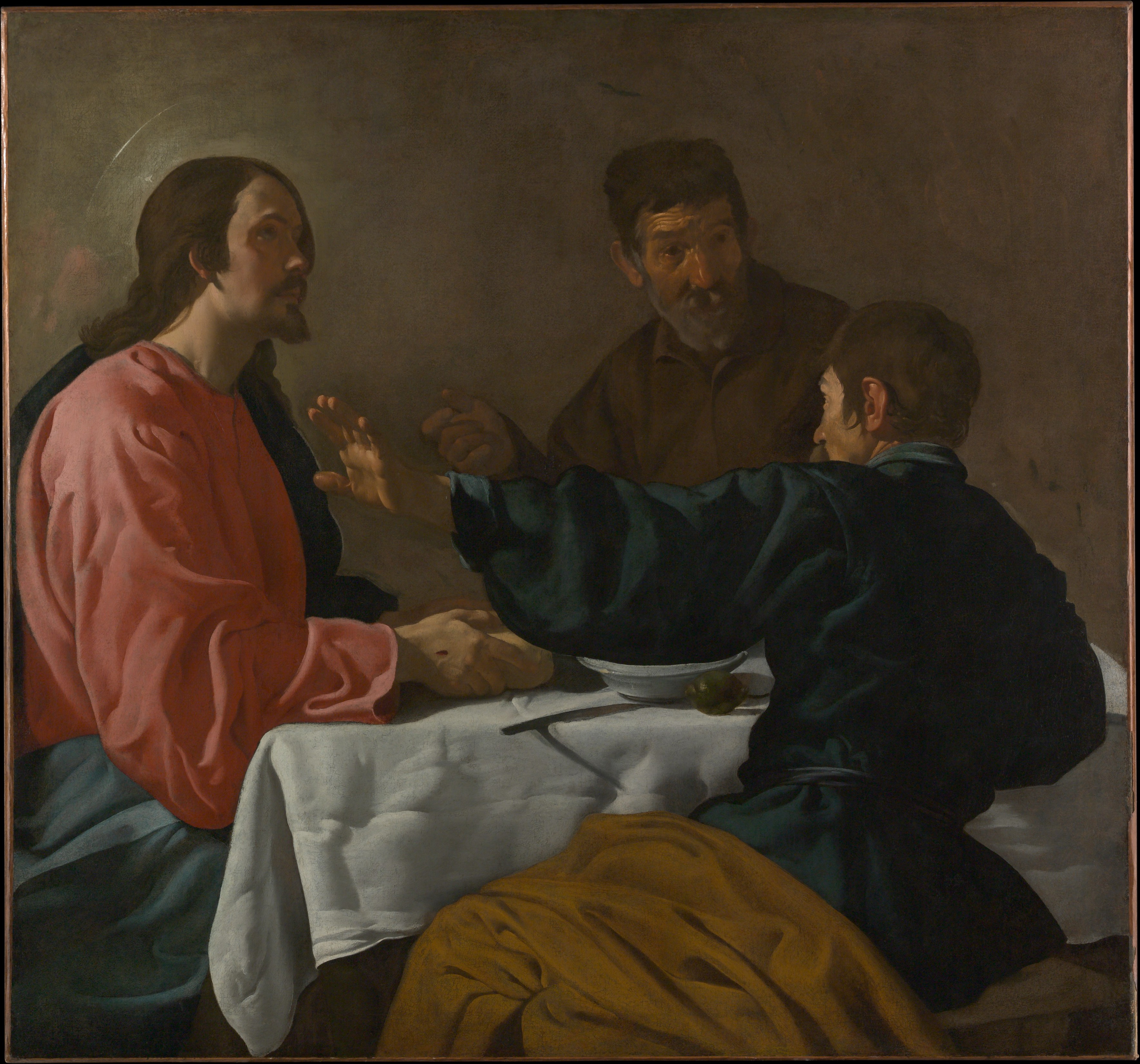
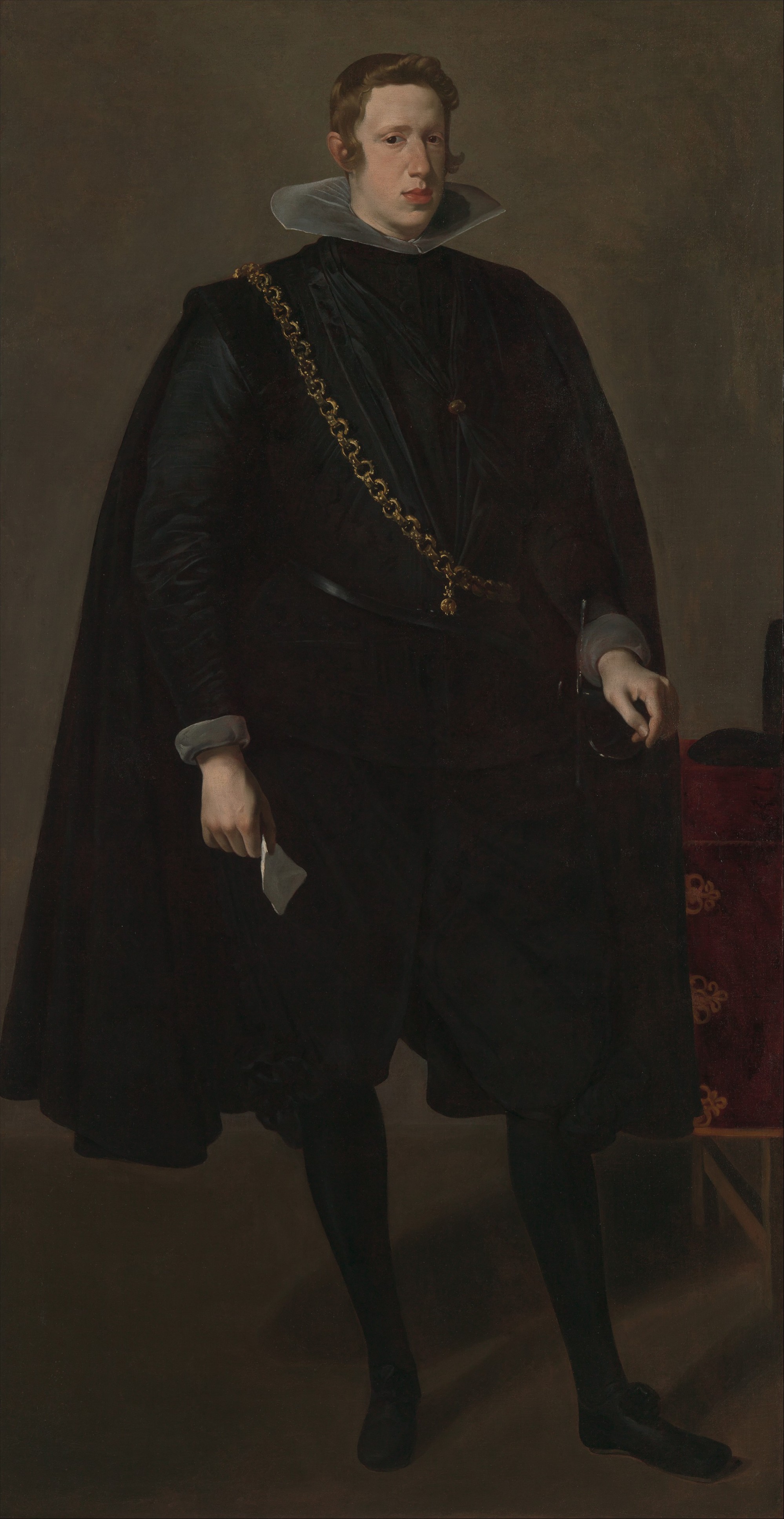
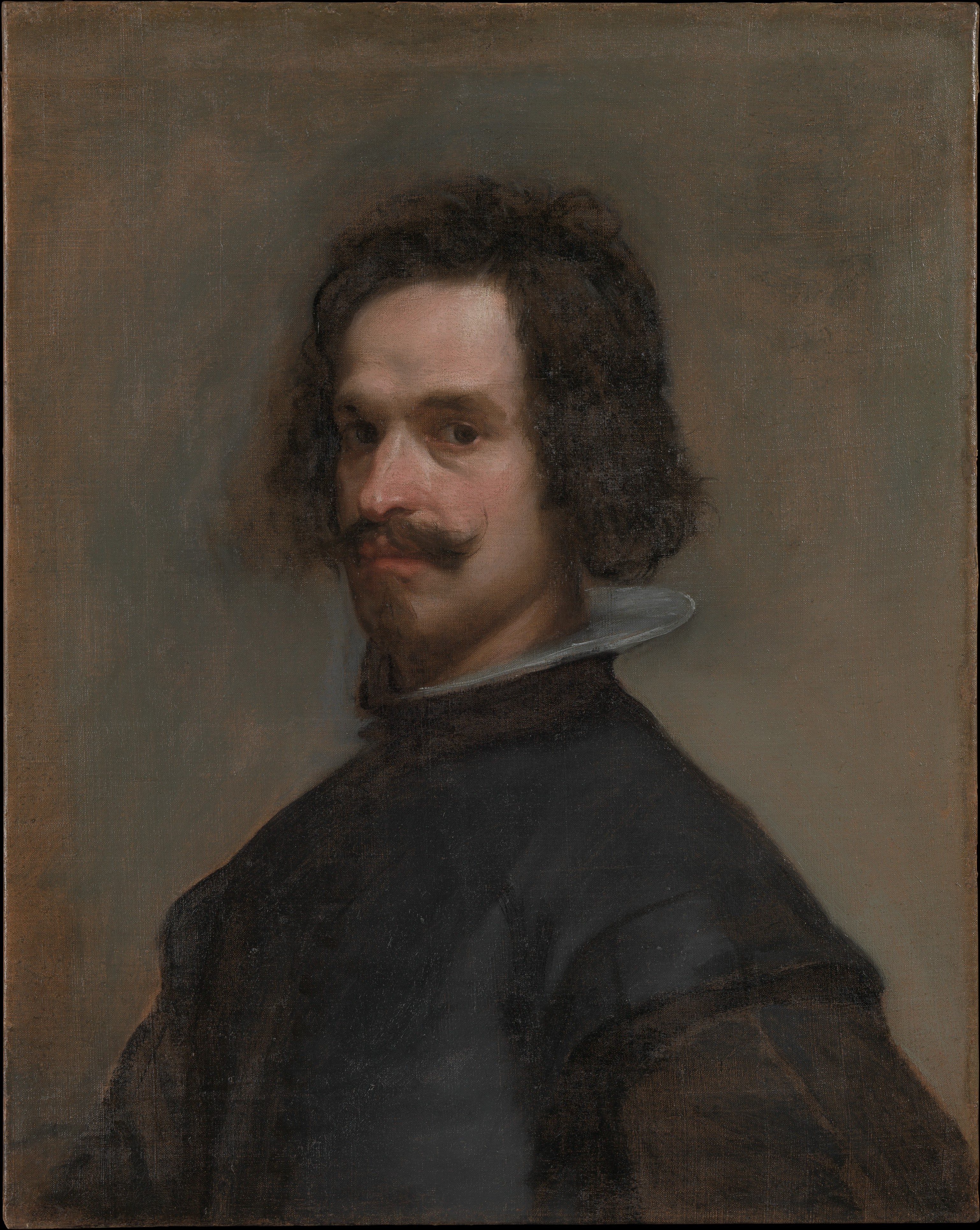
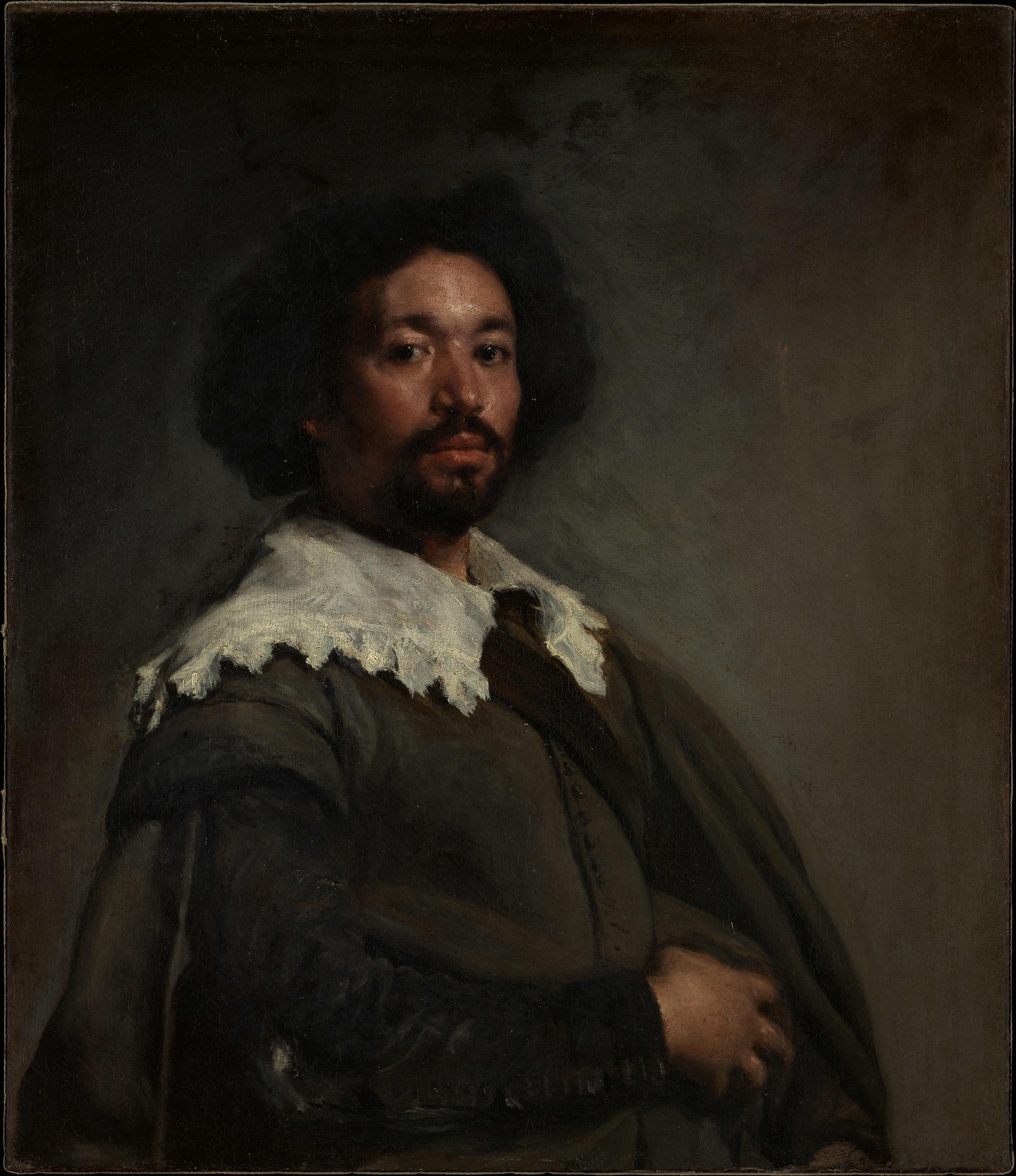

About the The Metropolitan Museum of Art’s Renaissance and Baroque collection
The The Metropolitan Museum of Art’s holdings of Renaissance and Baroque painting in New York sit among the most significant surviving collections of pre-modern European art. The works in this group — 234 paintings — span the themes of daily life, portrait, religion & mythology, love & romance, tragedy & death, power & politics and the hands of artists from Adam Roumeau, Adriaen Isenbrant, Albrecht Dürer, Andrea Sacchi, Andrea Solario.
If you’re planning a visit, use this page as a starting list of the must-see paintings. If you’re researching from a desk, each painting page goes deeper than a museum label: the patron, the symbolism a 17th-century viewer would have recognised, the technique under the surface, and where the painting fits in The Metropolitan Museum of Art’s longer history.