Discover
Discover Masterpieces
Explore 500+ paintings from Renaissance & Baroque
Featured Collections
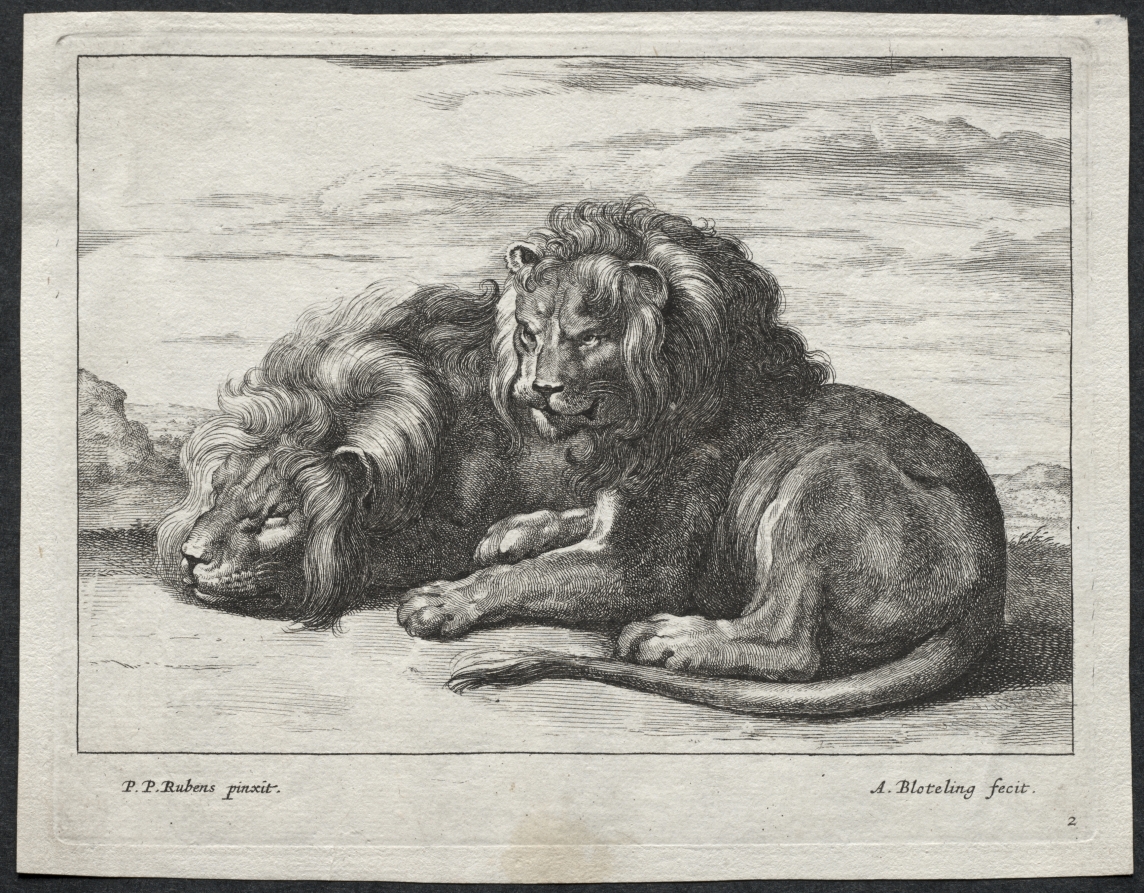
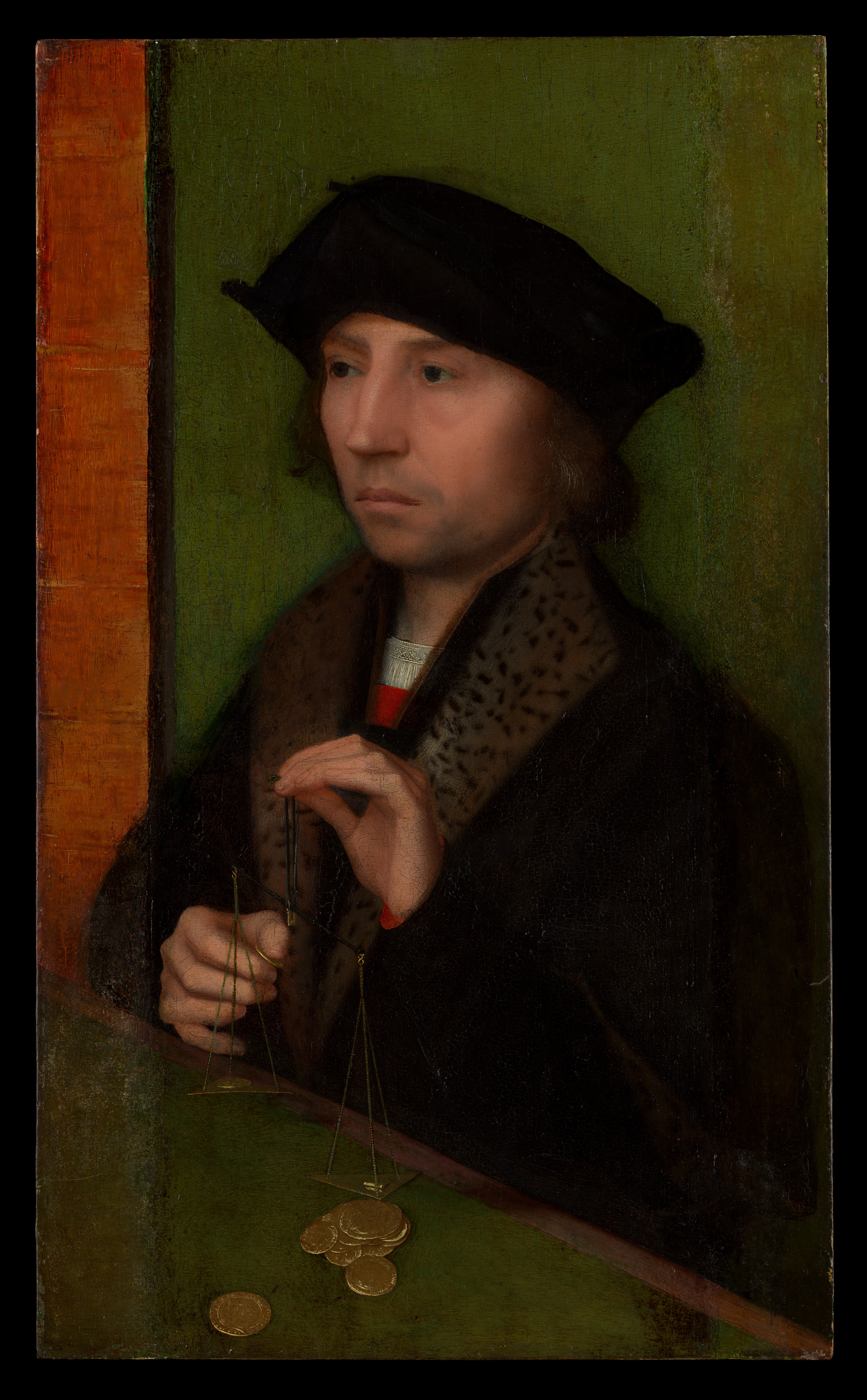
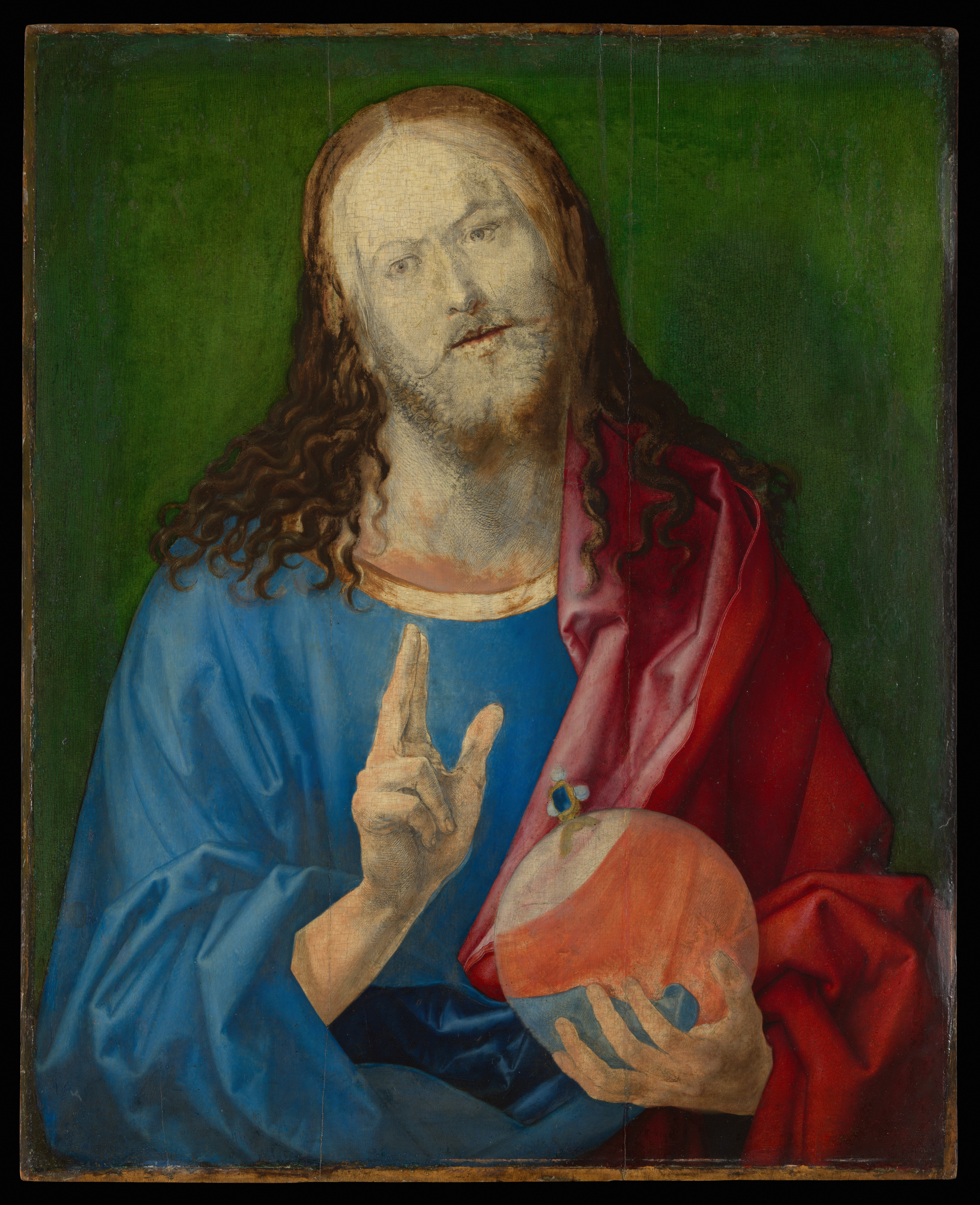
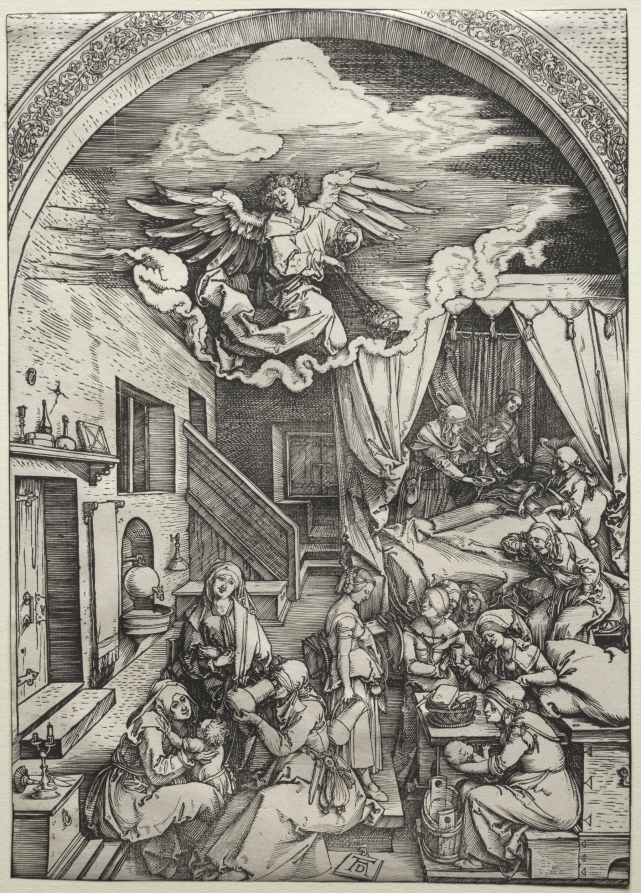
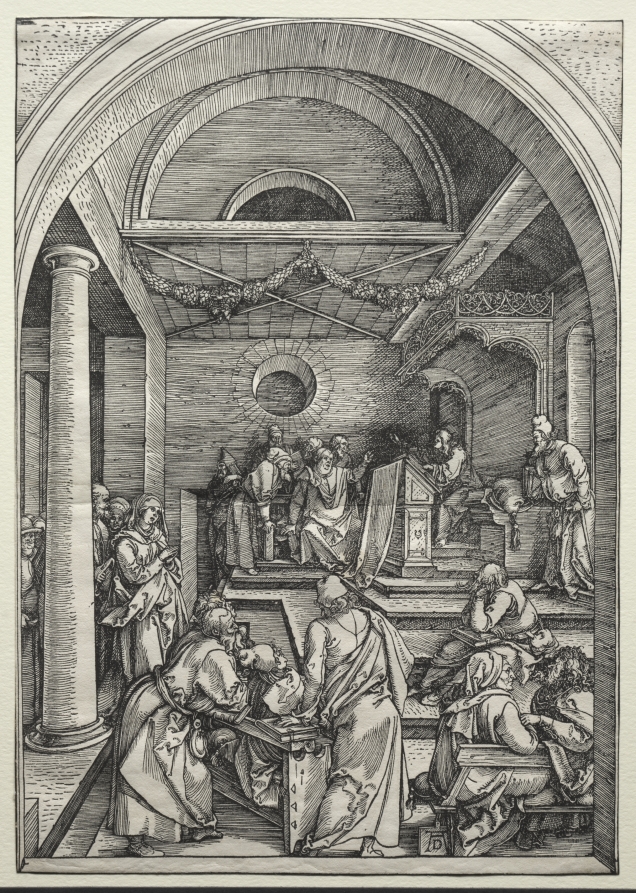
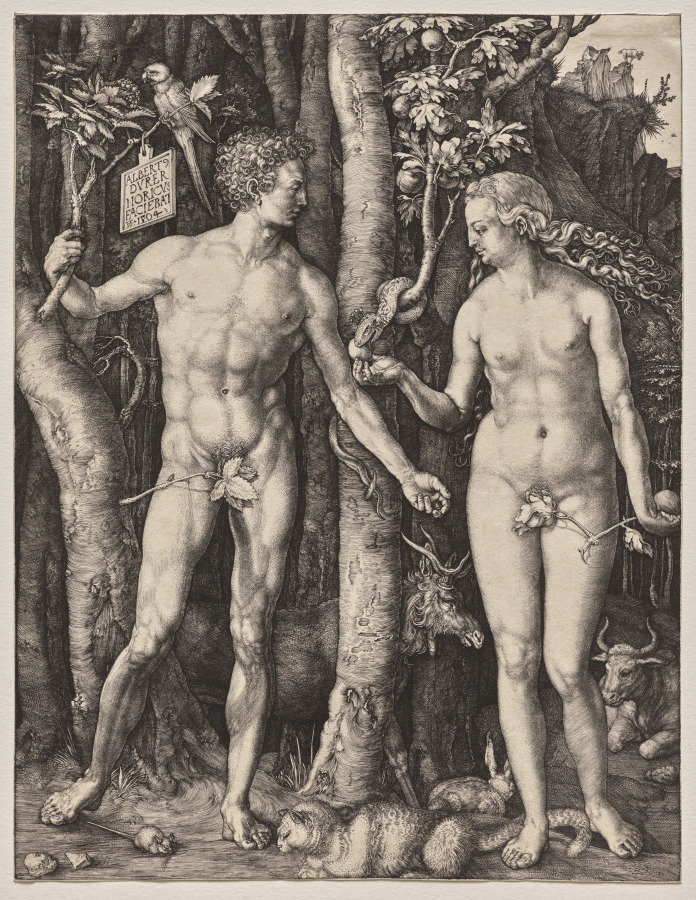
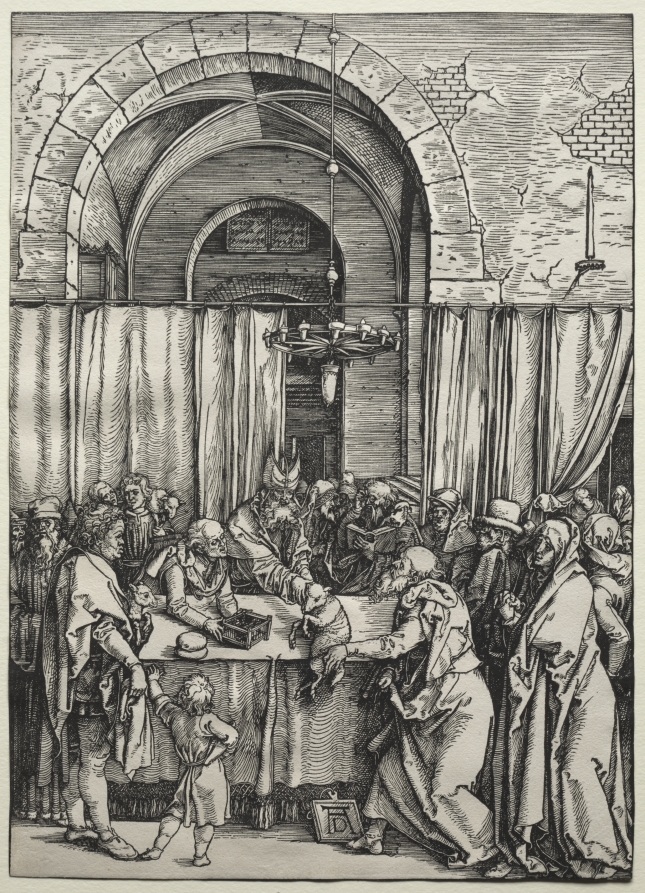
A guide to discovering Renaissance and Baroque paintings
The two centuries between 1500 and 1700 produced more enduring images than any comparable stretch in Western art. The Renaissance — Leonardo, Raphael, Titian, Michelangelo — rebuilt painting around the human body, one-point perspective, and the dignified weight of classical antiquity. The Baroque that followed pushed harder: Caravaggio dragged saints into the gutter and lit them like operatic stages, Rembrandt turned shadow into a moral atmosphere, Velázquez painted Spanish power as if from inside it, and Vermeer made the silent kitchen the most metaphysical room in Europe.
Use the filters above to narrow this collection by period (1500–1550, 1550–1600, 1600–1650, 1650–1700), theme (religion and mythology, portraiture, love, tragedy, power, daily life), artist, or museum. Every painting page on Paintale unpacks the symbolism, the technique, and the long afterlife of the work — why a gesture, a fabric, or a glance was loaded with meaning at the moment it was painted, and why we still argue about it today.
Frequently asked
- What is the difference between Renaissance and Baroque painting?
- Renaissance painting (roughly 1400–1600) prized balance, idealised anatomy, and the rediscovery of antiquity. Baroque painting (1600–1750) replaced that balance with drama: stronger contrasts of light and shadow, diagonal compositions, and an emotional address to the viewer.
- Who are the most important Baroque painters?
- Caravaggio, Rembrandt, Velázquez, Vermeer, Rubens, Bernini (sculpture and painting), Artemisia Gentileschi, and Georges de La Tour.
- Where can I see these paintings in person?
- The Louvre, the Uffizi, the Prado, the Rijksmuseum, the Metropolitan Museum of Art, the National Gallery (London), and the Kunsthistorisches Museum (Vienna) hold the deepest collections.