The Story
Paulus Pontius (27 May 1603 – 16 January 1658) was a Flemish engraver and painter. He was one of the leading engravers connected with the workshop of Peter Paul Rubens. After Rubens' death, Pontius worked with other leading Antwerp painters such as Anthony van Dyck and Jacob Jordaens.
Created in 1600 during the Late Renaissance/Mannerism period, this work belongs firmly within the portrait tradition. Paulus Pontius worked at a moment when the rivalry between Catholic Baroque drama and Protestant restraint reshaped what a painting could mean. Every gesture, fabric, and gleam of light was decoded by contemporary viewers like a private language.
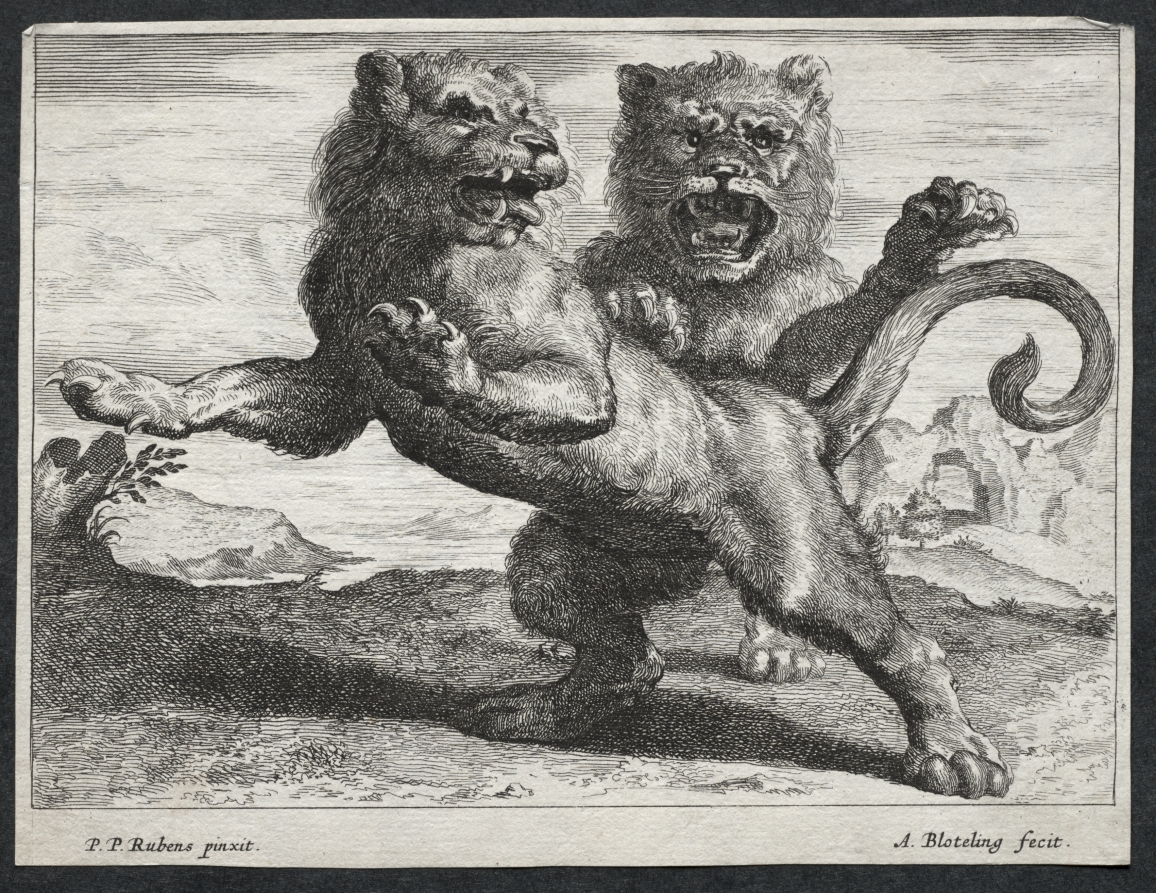
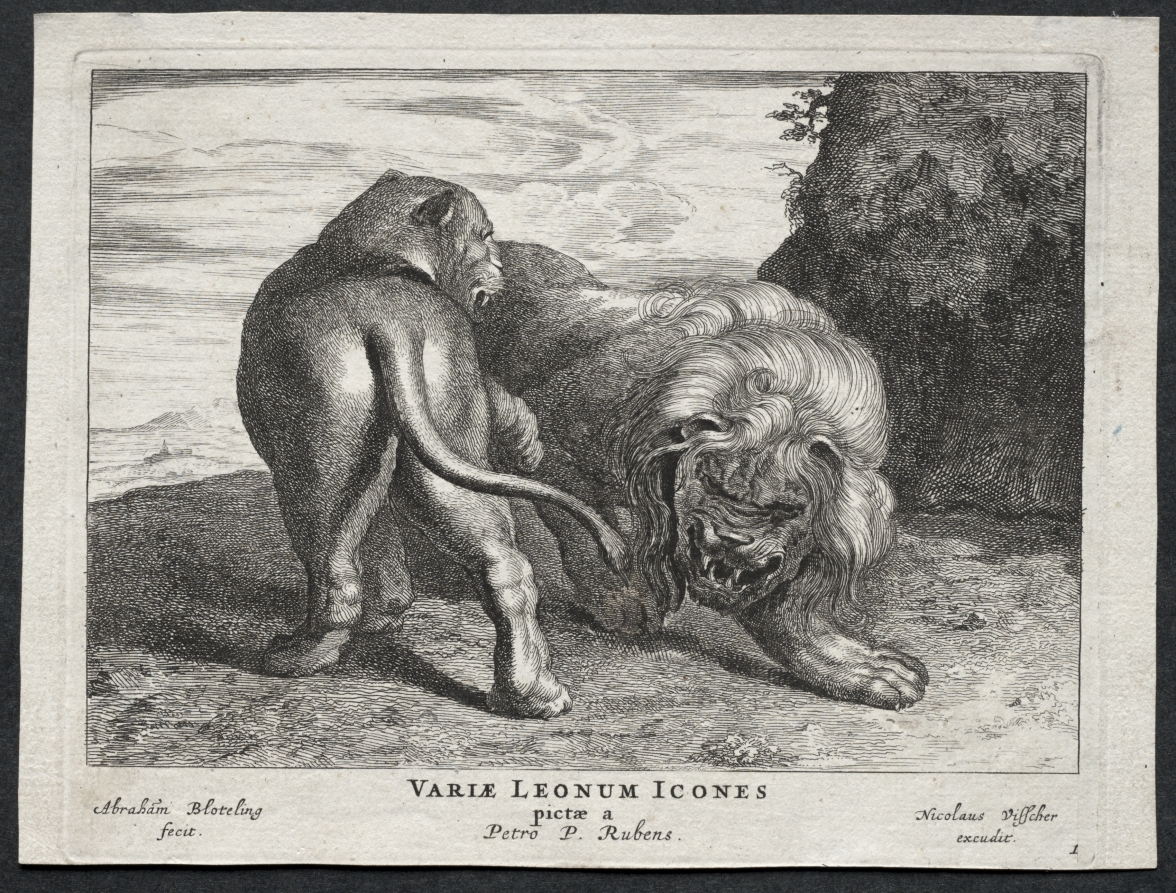
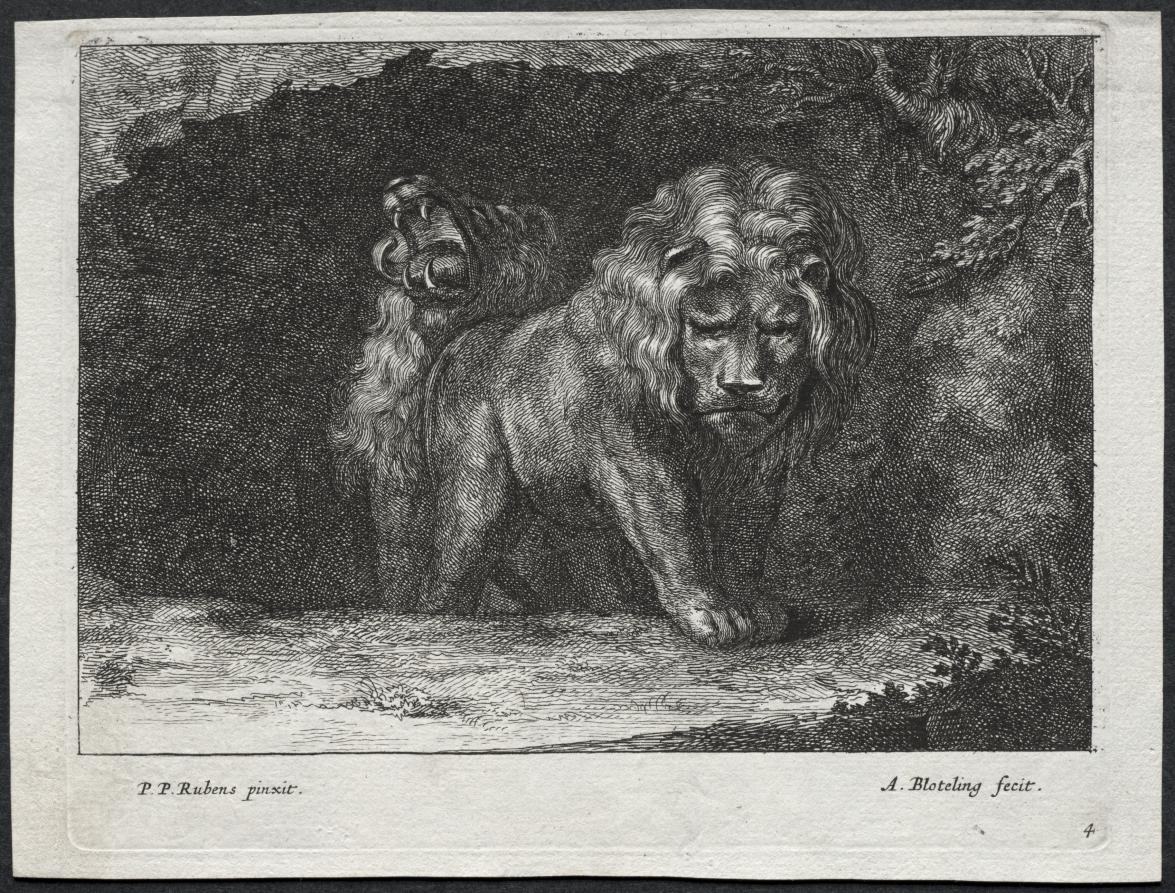
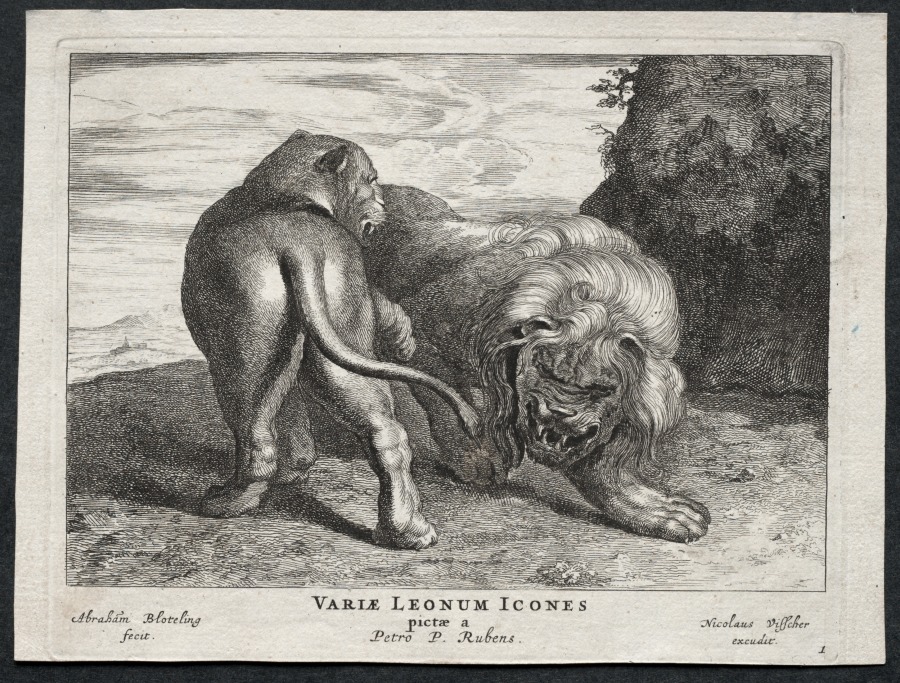
Executed in engraving, measuring Platemark: 45.2 x 33.6 cm (17 13/16 x 13 1/4 in.); Sheet: 46.9 x 33.9 cm (18 7/16 x 13 3/8 in.), the surface rewards close looking. Paulus Pontius builds the composition through layered glazes and a tightly controlled palette, letting cool shadows recede so that the warm, lit passages step forward. The brushwork shifts from the precise to the almost dissolved — a hallmark of mature Baroque practice.
“A silence so complete it becomes its own witness.”