Baroque Painter · Active 1609 – 1639
Peter Paul Rubens
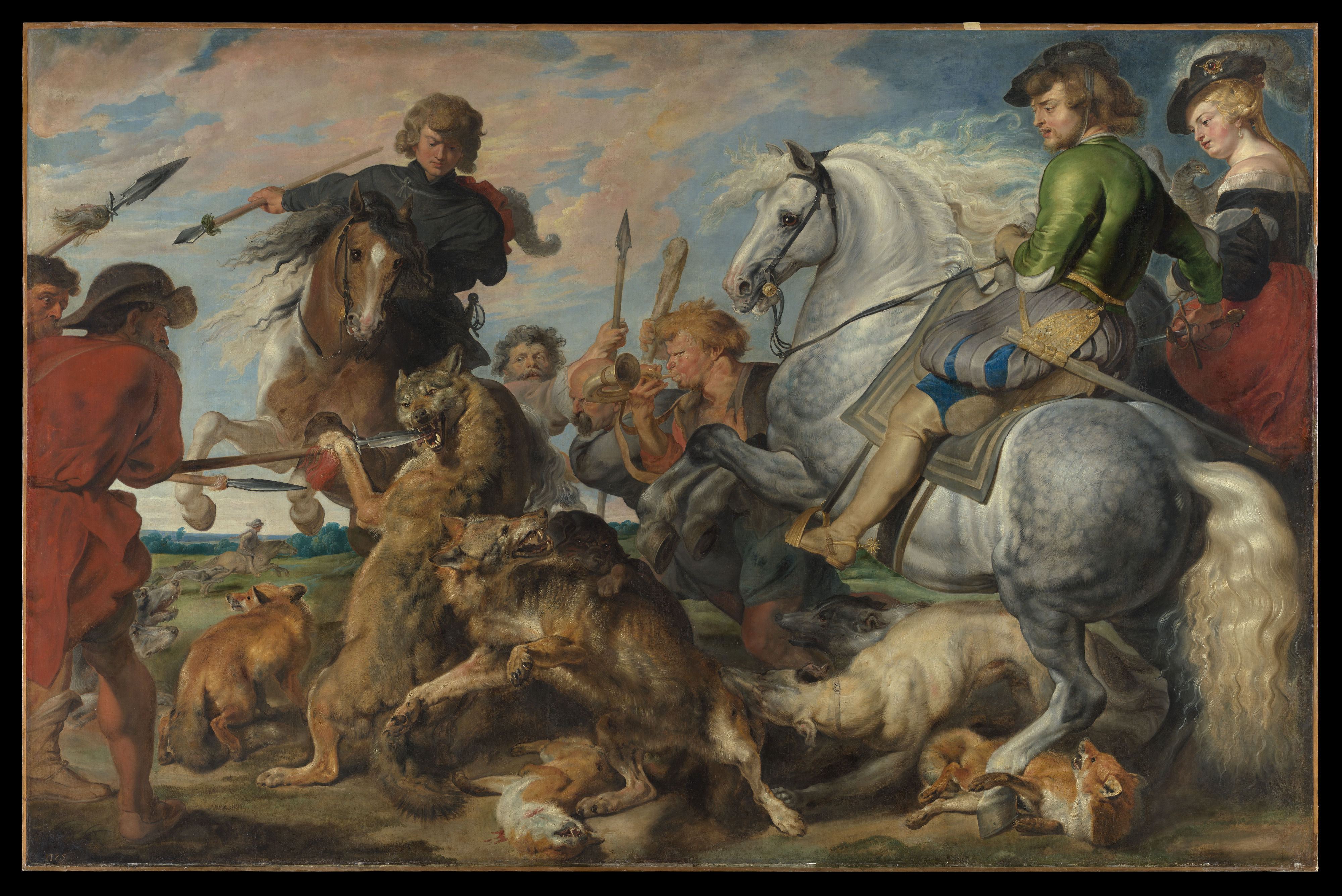
Peter Paul Rubens is among the painters whose work defines the Baroque era. Paintale holds 20 of Rubens’s works in its collection, spanning themes of daily life, love & romance, religion & mythology.
Where to see the work: The Metropolitan Museum of Art · Cleveland Museum of Art · Art Institute of Chicago.
Paintings by Peter Paul Rubens (20)
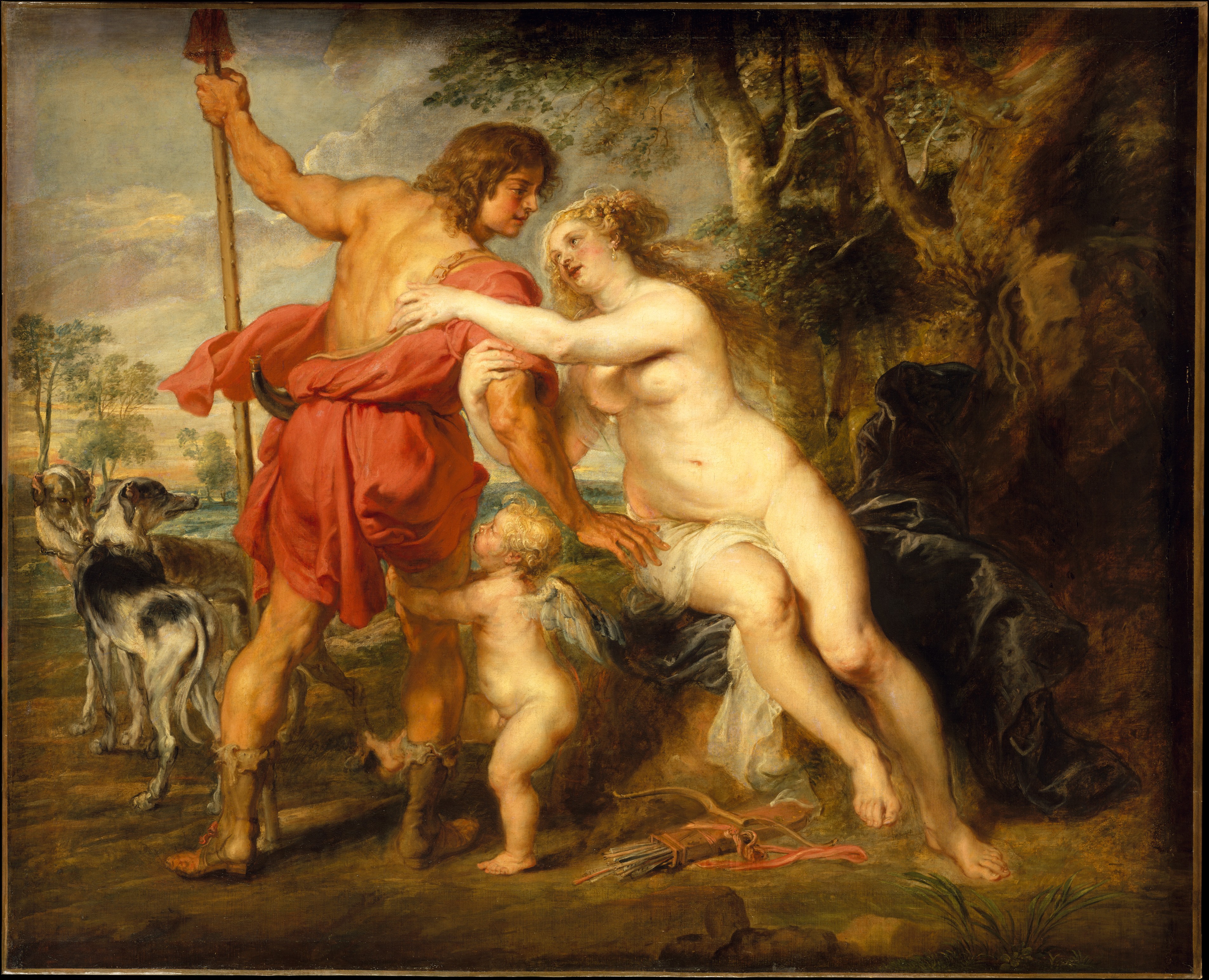
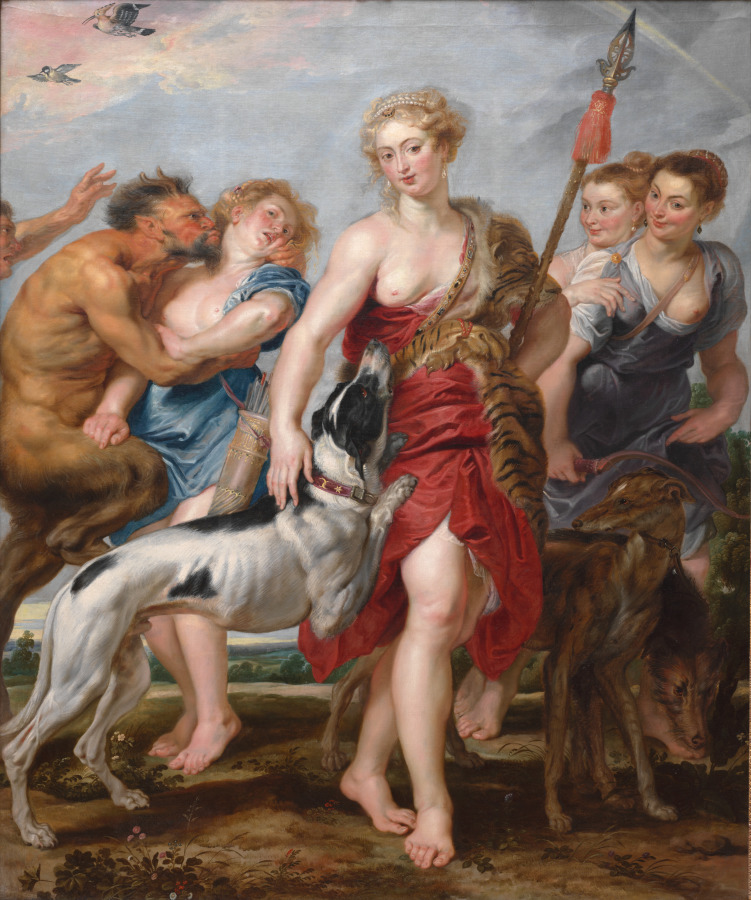
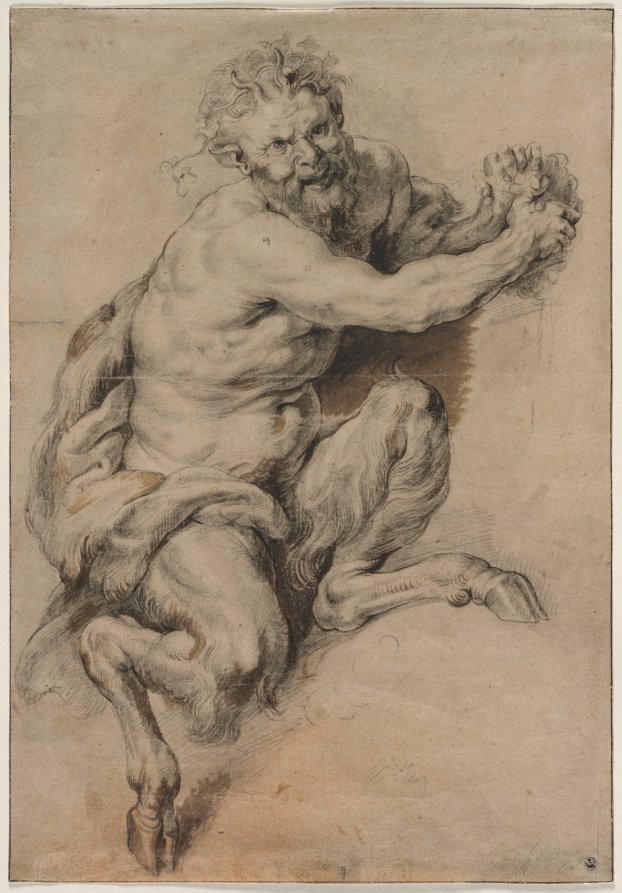
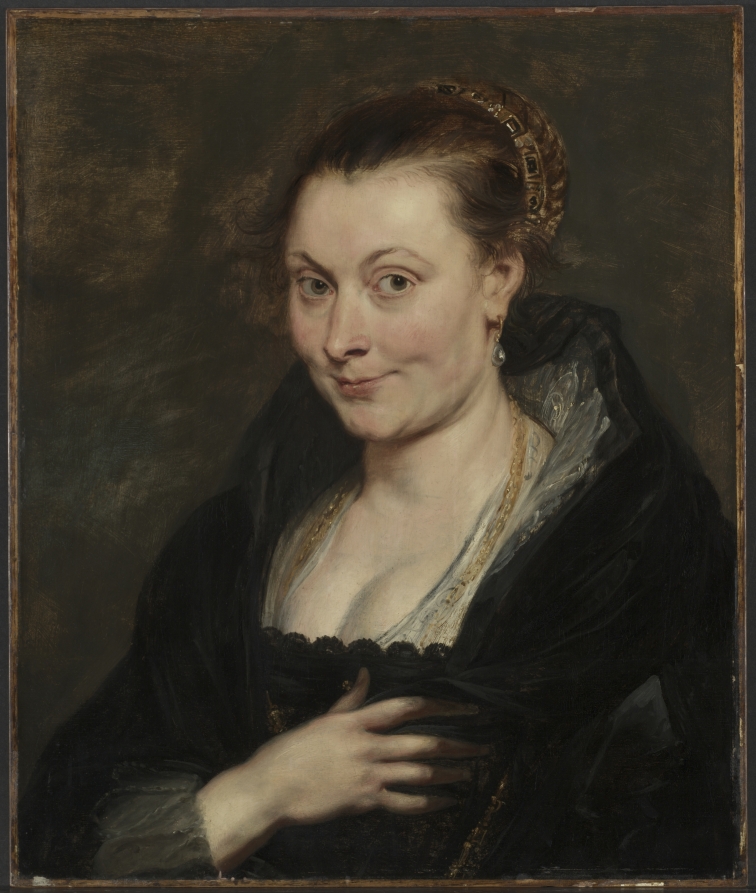
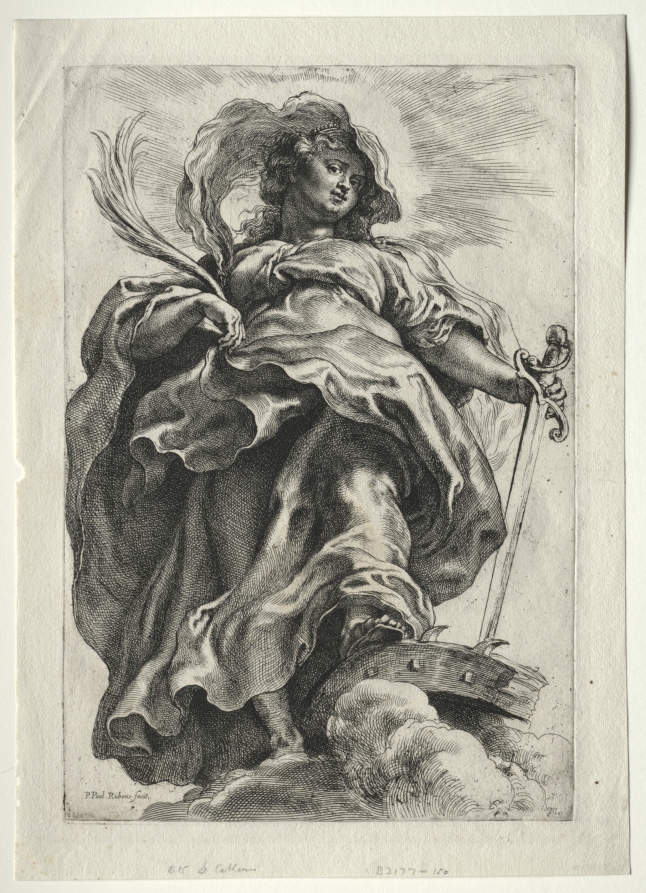
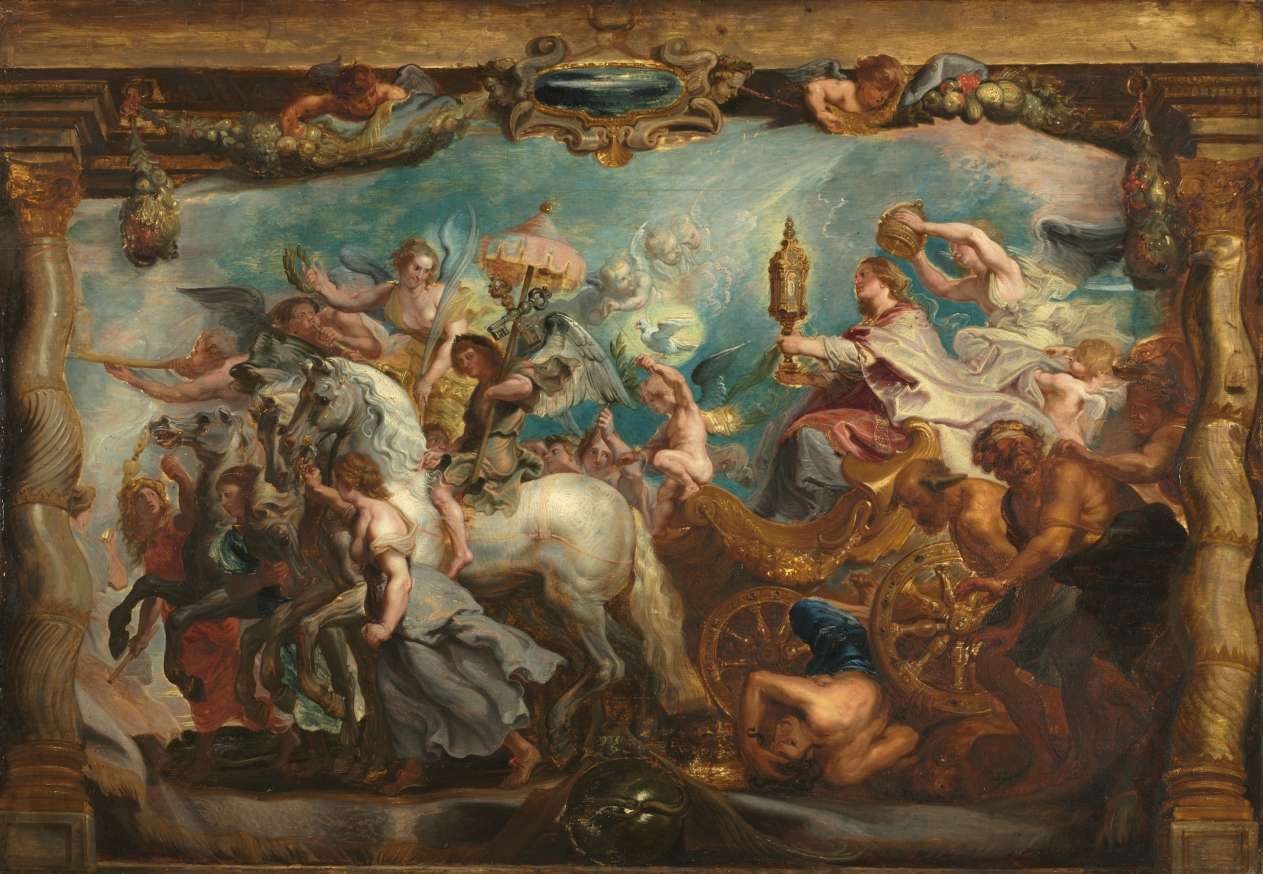
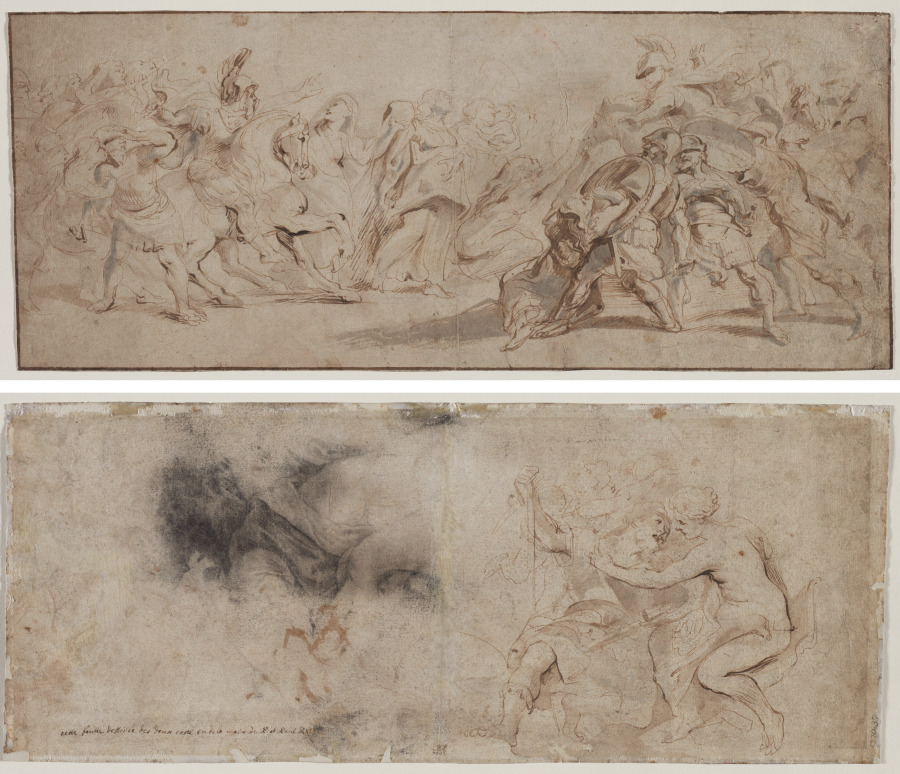
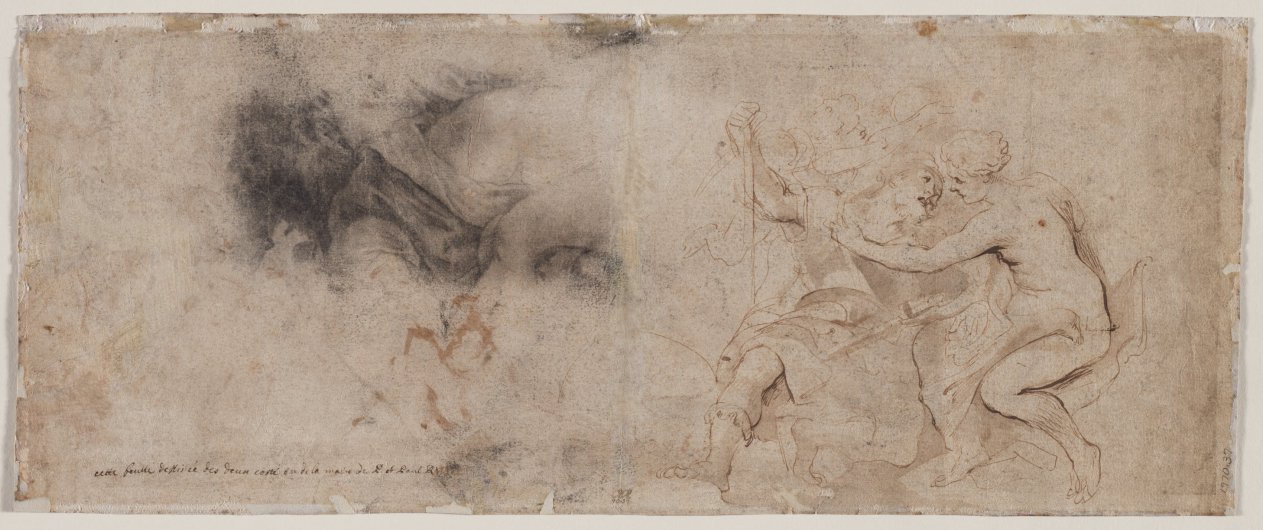
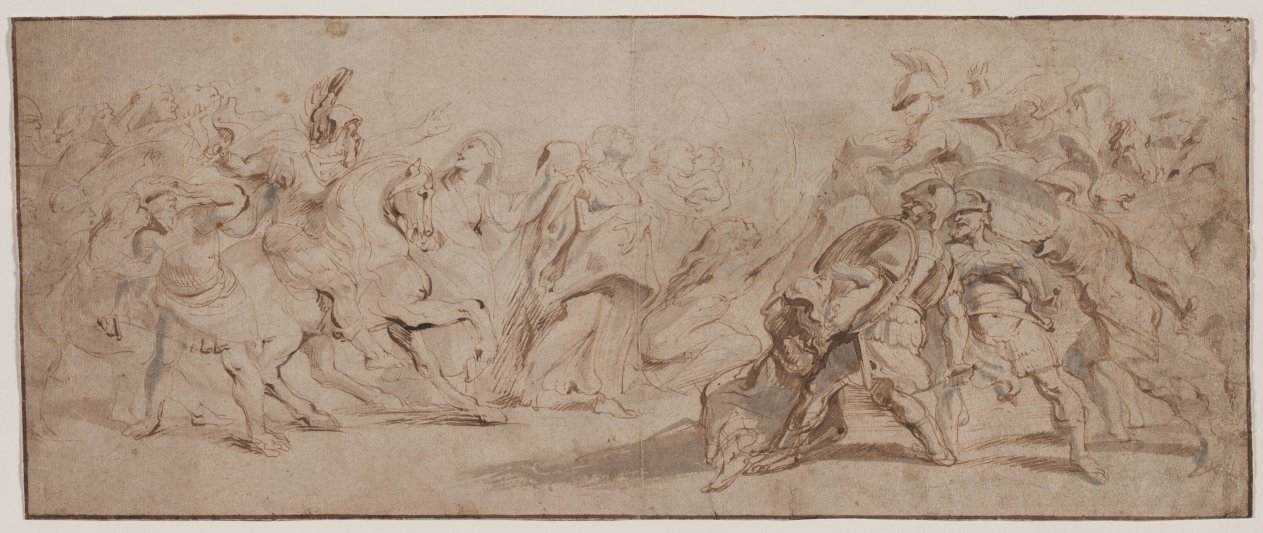
Reconciliation of the Romans and the Sabines (recto) Venus Disarming Mars, Drapery Study (verso)
Peter Paul Rubens
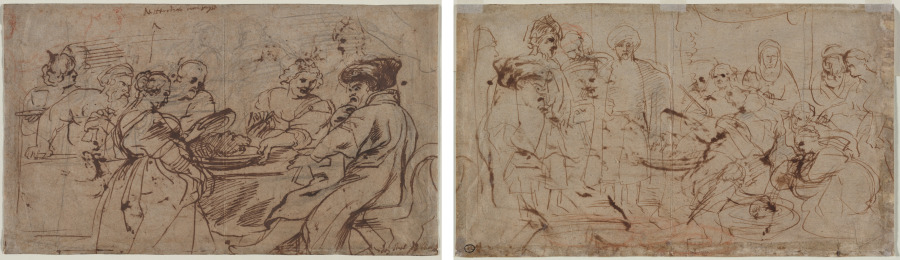
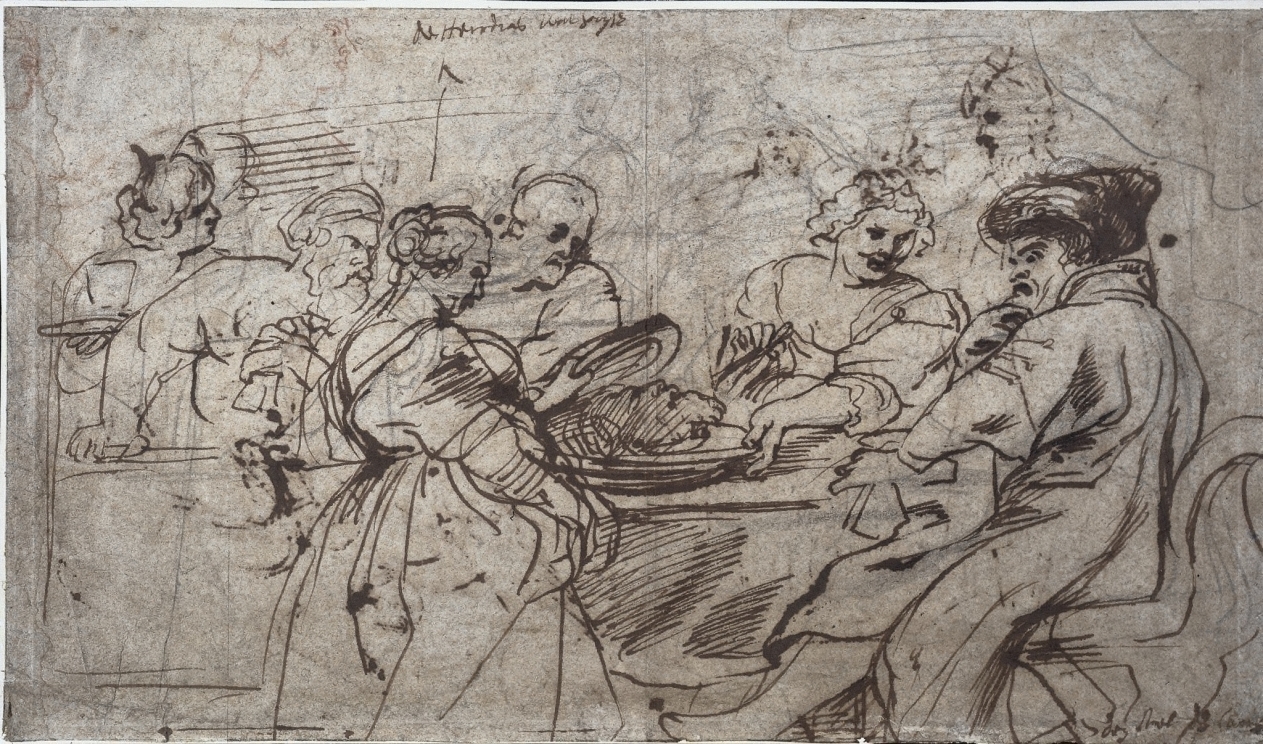
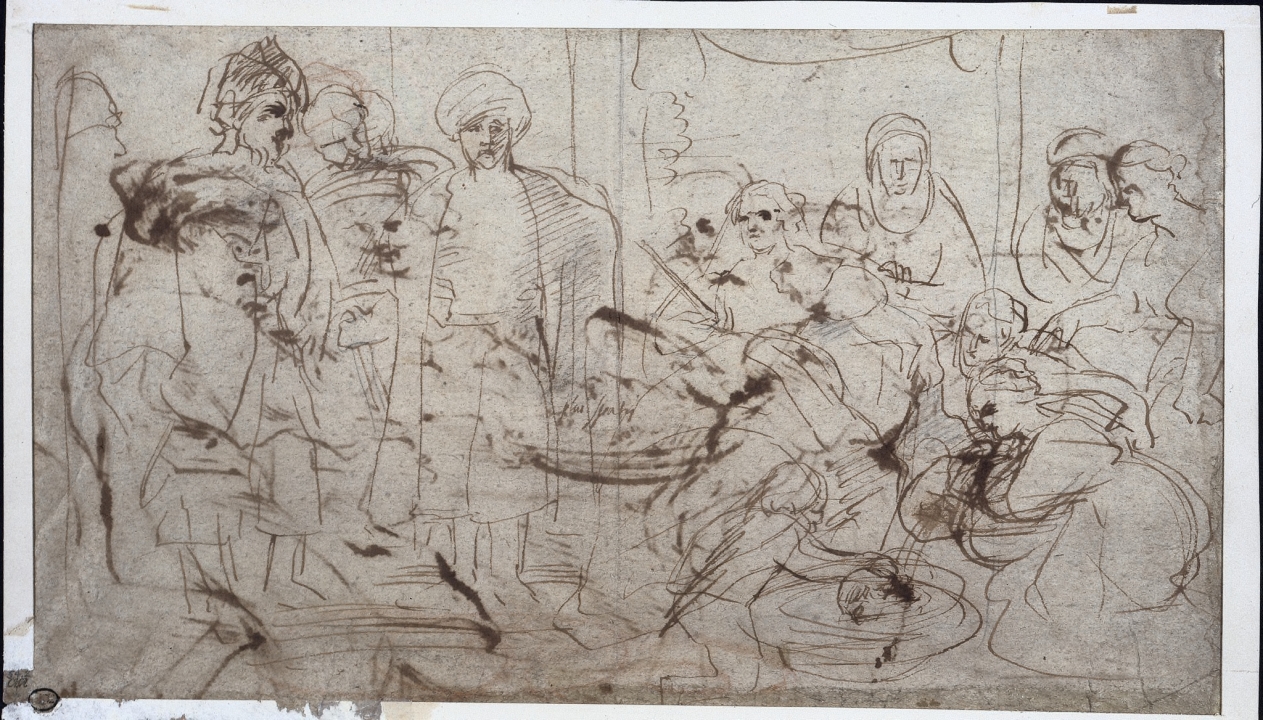
The Feast of Herod (recto) Tomyris with the Head of Cyrus (verso)
Peter Paul Rubens


About Peter Paul Rubens
Working at the height of the Baroque period, Peter Paul Rubens produced a body of work that remains foundational to Western art. The recurring themes across the surviving paintings — daily life, love & romance, religion & mythology, portrait, power & politics, tragedy & death — show an artist returning to the same questions about the human figure, light, and the moral weight of a scene that Baroque painting was uniquely equipped to answer.
Today, paintings by Peter Paul Rubens are held in major institutions including The Metropolitan Museum of Art, Cleveland Museum of Art, Art Institute of Chicago. Each work on Paintale unpacks the subject, the symbolism, the technique, and the long afterlife of the painting — why it was commissioned, what its earliest viewers were expected to see, and why it still rewards close looking today.
Frequently asked about Peter Paul Rubens
- When did Peter Paul Rubens live?
- Peter Paul Rubens was active around 1609 – 1639, during the Baroque period.
- Where can I see paintings by Peter Paul Rubens?
- The Metropolitan Museum of Art, Cleveland Museum of Art, Art Institute of Chicago.
- What themes did Peter Paul Rubens paint?
- Daily Life, Love & Romance, Religion & Mythology, Portrait, Power & Politics, Tragedy & Death.